 Vorschau anzeigen
 Versenden
 Teilen
 Details anzeigen

 Herunterladen
 Ähnliche Objekte
 Röntgenaufnahme
 Diashow
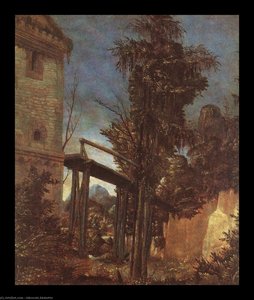
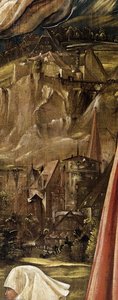
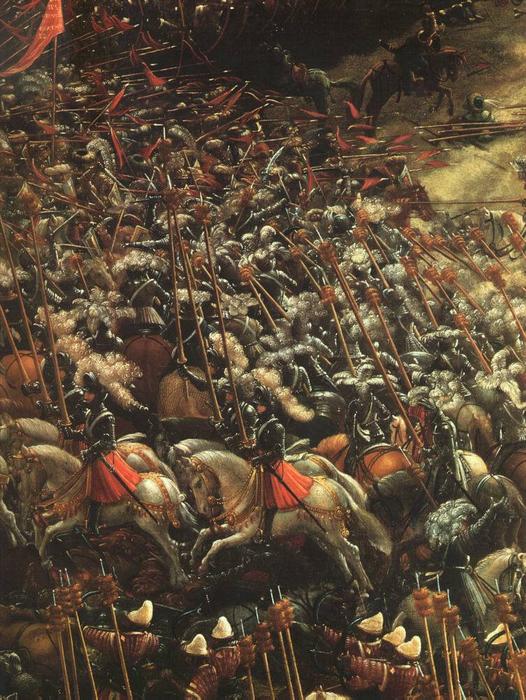
The Battle of Alexander (detail)


 Weiterlesen
Handgefertigte Ölreproduktion
Handgemaltes Ölgemälde auf Leinwand in Ihrer Wunschgröße und mit Rahmen, auf Bestellung von unseren Künstlern angefertigt. ( Druck bestellen Bild kaufen)




P118B $10

P118H $10

P118W $10

P438Z $10

P508JH $12

P508YH $12

P805H $10

P805Z $10

P919BZ $10

P919G $10

P919XJ $10

P959ZH $10

P968JZ $12

W106C $8

W218G $10

W218JH $8

W218Y $10

W307PJ $10

W316G $10

W316PJ $8

W316Y $10

W398PJ $8

W4111J $10

W500HY $15

W500JH $15

W692G $12

W849H $8

W940BG $15

W953PJ $8




Wählen Sie aus unseren vordefinierten Formaten, die den ursprünglichen Proportionen des Kunstwerks entsprechen.

Sie können Ihre eigenen Maße eingeben, um einen bestimmten Rahmen oder Platz auszufüllen. Wenn die gewählte Größe nicht den Proportionen des Originalbildes entspricht, werden wir das Kunstwerk entweder beschneiden oder das Gemälde durch zusätzliche, handgemalte Elemente erweitern. Ein digitales Mockup wird Ihnen zur Genehmigung zugesandt, bevor die Produktion beginnt.
Bitte beachten Sie, dass die Bildschirmvorschau nicht die tatsächliche Beschneidung oder Erweiterung widerspiegelt. Nur das Mockup zeigt die endgültige Komposition exakt an.
Obwohl Sondermaße verfügbar sind, empfehlen wir, eine Größe aus der vordefinierten Liste zu wählen, um die ursprünglichen Proportionen beizubehalten.
Nach der Bestellung wird das ArtsDot.com-Team dem Kunden Anweisungen per E-Mail zusenden und eine Mockup-Vorschau bereitstellen.
Weltweiter Versand () in nur 3 bis 4 Wochen statt der üblichen 5 Wochen. (30 August). Keine Kompromisse bei der Qualität.

Kostenloser weltweiter Expressversand

Hochwertige Leinenleinwand

Umfassender Versicherungsschutz beim Versand

Zollgebühren-Rückerstattungsgarantie

Garantie für exakte Farbtreue

60 Tage Rückgaberecht (nur bei Mängeln)

100% Geld-zurück-Garantie

Mengenrabatt verfügbar
 Die Glasoption ist nur für Größen unter 110 cm verfügbar.

The Battle of Alexander (detail)
Art der Reproduktion
Format der Reproduktion
-


Gesamtpreis
$ 263
The Clash of Empires: Albrecht Altdorfer’s “The Battle of Alexander at Issus”
Albrecht Altdorfer's "The Battle of Alexander at Issus," painted in 1529 and now residing within the Alte Pinakothek in Munich, isn’t merely a depiction of a historical battle; it’s a visceral embodiment of ambition, conflict, and the precarious balance between East and West. More than just a military scene, this monumental work is a carefully constructed panorama—a stage upon which the destinies of empires collide, rendered with an unprecedented dynamism and emotional intensity for its time. The painting immediately assaults the viewer with its scale and frenetic energy; figures surge across the canvas in a swirling vortex of steel, color, and movement, creating a sense of overwhelming chaos that belies the strategic brilliance at play.
Altdorfer’s genius lies not simply in his technical skill—though it is undeniably masterful—but in his ability to fuse meticulous detail with an almost hallucinatory intensity. Every shield gleams, every plume of war paint reflects the light, and the musculature of each soldier is rendered with a startling realism. Yet, this hyper-realism isn’t employed to create a photographic likeness; rather, it serves to amplify the drama and heighten the sense of immediacy. The artist masterfully employs atmospheric perspective—distant figures fading into a hazy blue – to draw the eye deeper into the scene, while simultaneously utilizing bold color contrasts—the fiery reds of the Macedonian cavalry against the somber blues and greens of the Persian ranks—to establish a clear visual hierarchy.
A Landscape Transformed: The Dawn of Independent Landscape
What truly distinguishes “The Battle of Alexander” is Altdorfer’s revolutionary approach to landscape. Prior to this painting, landscapes were typically relegated to secondary roles, serving merely as backdrops for historical or religious narratives. Altdorfer, however, elevates the landscape to a central protagonist, imbuing it with its own expressive power and significance. The rolling hills of the Bavarian countryside—recognizable in the distant background—are not simply a setting; they are actively engaged in the drama unfolding before them, mirroring the turmoil and uncertainty of the conflict. The artist’s use of color – particularly the vibrant greens and blues – evokes both the beauty and the danger inherent in nature, suggesting that even the landscape itself is caught in the crosscurrents of war.
This shift towards independent landscape marked a pivotal moment in art history, establishing Altdorfer as one of the pioneers of what would later be known as the “world landscape.” He wasn’t interested in creating a realistic representation of a specific place; instead, he used the landscape to amplify the emotional impact of the scene and to convey a sense of timelessness. The inclusion of elements like the rising sun on the left side of the painting—a symbol of hope and renewal—further reinforces this notion of landscape as an active participant in the unfolding drama.
Symbolism and Political Undertones
Beyond its purely visual impact, “The Battle of Alexander” is laden with symbolic meaning. The battle itself represents a clash between two civilizations – the burgeoning power of the West, embodied by Alexander the Great, and the declining empire of Persia. However, Altdorfer subtly complicates this narrative by incorporating elements that suggest a broader political context. The painting was commissioned by Duke William IV of Bavaria, who was actively preparing for war against the Ottoman Turks—a formidable threat to Europe at the time. Some art historians believe that Altdorfer deliberately used the imagery of Alexander’s victory to bolster morale and inspire his patrons to confront this contemporary enemy.
The inclusion of figures fleeing in disarray, particularly those representing Darius III, reinforces this sense of impending doom. The composition itself—with Alexander positioned at the center, radiating authority and control—suggests that Western civilization is destined to triumph over Eastern decadence. Even the sky, with its dramatic interplay of light and shadow, seems to foreshadow a future of conflict and uncertainty.
A Timeless Masterpiece: Reproduction and Beyond
“The Battle of Alexander at Issus” remains a profoundly moving and intellectually stimulating work of art. Its dynamic composition, masterful technique, and rich symbolism continue to captivate viewers centuries after its creation. High-quality reproductions offer an accessible way to experience the painting’s power and beauty, allowing art lovers, collectors, and interior designers alike to bring this iconic image into their homes or offices. When selecting a reproduction, seek out versions that faithfully capture Altdorfer's vibrant color palette and dramatic lighting—elements that are crucial to understanding the painting’s emotional impact. This monumental work serves as a potent reminder of the enduring power of art to both reflect and shape our understanding of history, politics, and the human condition.
Ähnliche Kunstwerke
Über den Künstler
Frühe Jahre und Karriere
Albrecht Altdorfer, ein renommierter deutscher Maler, Grafiker und Architekt, wurde um 1480 in Regensburg, Bayern, geboren. Sein Vater, Ulrich Altdorfer, ein Maler und Miniaturist, beeinflusste sein Interesse an der Kunst wahrscheinlich schon in jungen Jahren.Aufstieg zur Bedeutung
Altdorfers künstlerische Karriere gewann mit der Schaffung kleiner, intimer Werke in unkonventionellen Medien an Fahrt. Er ließ sich 1505 in Regensburg nieder und wurde schließlich Stadtarchitekt und Stadtrat. Seine ersten signierten Werke, darunter Stiche und Zeichnungen wie die *Stygmata des Heiligen Franziskus* und *Der heilige Hieronymus*, stammen aus dem Jahr um 1506.Beitrag zur Donauschule
Altdorfer gilt als einer der Hauptvertreter der Donauschule, einem Kreis, der die Landschaft als eigenständiges Genre in Süddeutschland begründete. Seine Reisen entlang des Donau-Flusses und in die Alpen im Jahr 1511 inspirierten ihn dazu, der erste Landschaftsmaler im modernen Sinne zu werden und leitete so die Donauschule ein.Bemerkenswerte Werke und Kooperationen
- Die Schlacht Alexanders von Issos (1529) für Herzog Wilhelm IV. von Bayern
- Zusammenarbeit mit Maximilian I. in Innsbruck ab 1513
- Beeinflusst von Künstlern wie Giorgione und Lucas Cranach, was sich in seinen Kreuzigungsdarstellungen zeigt
Museumsbestände und Vermächtnis
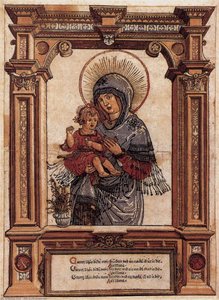
- Das Museum Ostdeutsche Galerie (Deutschland) beherbergt Altdorfers Werke, darunter die *Madonna (Schöne Maria von Regensburg)*
- Die Kunstsammlungen und Museen Augsburg (Österreich) zeigen ebenfalls seine Kunst
- Altdorfers Vermächtnis erstreckt sich über seine 55 Panels, 120 Zeichnungen und zahlreiche Stiche hinaus, mit einem bleibenden Einfluss auf die deutsche Renaissance.
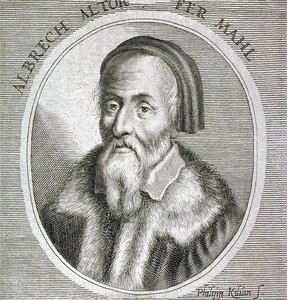
Albrecht Altdorfer
1480 - 1538 , Deutschland
Kurzinfos
- Bemerkenswerte Kunstwerke:
- Die Schlacht Alexanders von Issos
- Madonna (Schöne Maria von Regensburg)
- Geburtsdatum: um 1480
- Geburtsort (Stadt, Land): Regensburg, Deutschland
- Künstler Oder Bewegungen, Die Von Diesem Künstler Beeinflusst Wurden: ['Deutsche Landschaftsmalerei']
- Künstler, Die Diesen Künstler Beeinflussten:
- Giorgione
- Lucas Cranach der Ältere
- Künstlerische Bewegung/Stil: Deutsche Renaissance, Donauschule
- Nationalität: Deutsch
- Todatum: 1538
- Vollständiger Name: Albrecht Altdorfer
Ähnliche Artikel
Albrecht Dürer: Die 25 Meisterwerke des Renaissance-Genies – Für Kunstliebhaber & Ihr Zuhause
Entdecken Sie die 25 Meisterwerke von Albrecht Dürer! Tauchen Sie ein in die Welt der Renaissance, Holzschnitte & Kupferstiche. Finden Sie hochwertige Kunstdrucke und Reproduktionen für Ihr Zuhause auf ArtsDot.com.
Albrecht Altdorfer: Innovation, Spiritualität und die Landschaft der Nördlichen Renaissance
Entdecken Sie Albrecht Altdorfers revolutionäre Landschaftsmalerei und die spirituelle Tiefe der Donauschule. Expertenanalyse, historische Hintergründe & Einfluss auf die Kunstgeschichte – jetzt lesen!

Romantische Landschaften: Die 10 Meisterwerke, die eine Epoche prägten | ArtsDot
Entdecken Sie die 10 Meisterwerke der Romantischen Landschaftsmalerei! Von Caspar David Friedrich bis Turner – erleben Sie die Kunst, Emotion & Natur. Hochwertige Reproduktionen auf ArtsDot.com

Evocations of Place: A Historical Journey Through Landscape Art
Explore the rich history of landscape art with ArtsDot. Discover renowned artists, movements like Impressionism & Romanticism, and expert guidance for collecting timeless pieces. Find your perfect serene escape today!

John Constable: Die 25 Meisterwerke des englischen Landschaftsgenies – ArtsDot
Entdecken Sie die 25 Meisterwerke von John Constable! Erleben Sie englische Landschaftsmalerei vom Hay Wain bis zur Stour Valley. Hochwertige Reproduktionen & Kunst für Ihr Zuhause auf ArtsDot.com.