

 Vorschau anzeigen
 Versenden
 Teilen
 Details anzeigen

 Herunterladen
 Ähnliche Objekte
 Röntgenaufnahme
 Diashow
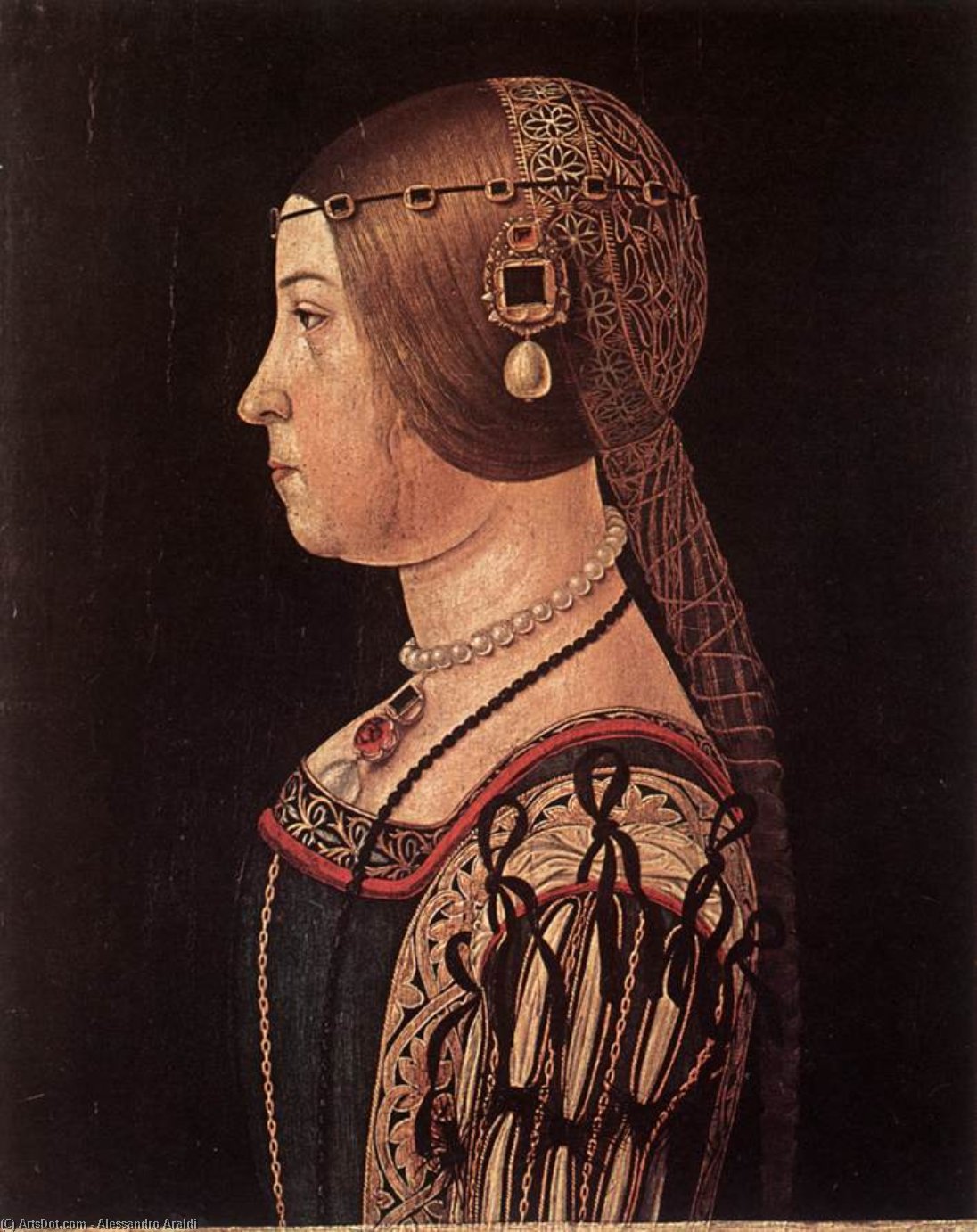
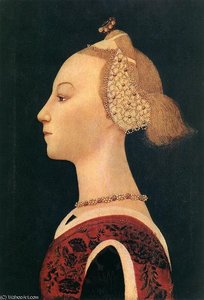
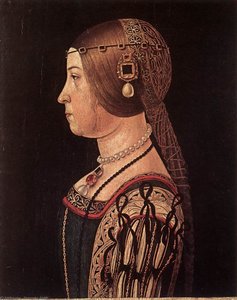
Portrait of Barbara Pallavicino
 Oil On Canvas
- WallArt
- Renaissance
 1510
1510 46.0 x 35.0 cm
 Galleria degli Uffizi
 Weiterlesen
Handgefertigte Ölreproduktion
Handgemaltes Ölgemälde auf Leinwand in Ihrer Wunschgröße und mit Rahmen, auf Bestellung von unseren Künstlern angefertigt. ( Druck bestellen Bild kaufen)




P118B $10

P118H $10

P118W $10

P438Z $10

P508JH $12

P508YH $12

P805H $10

P805Z $10

P919BZ $10

P919G $10

P919XJ $10

P959ZH $10

P968JZ $12

W106C $8

W218G $10

W218JH $8

W218Y $10

W307PJ $10

W316G $10

W316PJ $8

W316Y $10

W398PJ $8

W4111J $10

W500HY $15

W500JH $15

W692G $12

W849H $8

W940BG $15

W953PJ $8




Wählen Sie aus unseren vordefinierten Formaten, die den ursprünglichen Proportionen des Kunstwerks entsprechen.

Sie können Ihre eigenen Maße eingeben, um einen bestimmten Rahmen oder Platz auszufüllen. Wenn die gewählte Größe nicht den Proportionen des Originalbildes entspricht, werden wir das Kunstwerk entweder beschneiden oder das Gemälde durch zusätzliche, handgemalte Elemente erweitern. Ein digitales Mockup wird Ihnen zur Genehmigung zugesandt, bevor die Produktion beginnt.
Bitte beachten Sie, dass die Bildschirmvorschau nicht die tatsächliche Beschneidung oder Erweiterung widerspiegelt. Nur das Mockup zeigt die endgültige Komposition exakt an.
Obwohl Sondermaße verfügbar sind, empfehlen wir, eine Größe aus der vordefinierten Liste zu wählen, um die ursprünglichen Proportionen beizubehalten.
Nach der Bestellung wird das ArtsDot.com-Team dem Kunden Anweisungen per E-Mail zusenden und eine Mockup-Vorschau bereitstellen.
Weltweiter Versand () in nur 3 bis 4 Wochen statt der üblichen 5 Wochen. (24 August). Keine Kompromisse bei der Qualität.

Kostenloser weltweiter Expressversand

Hochwertige Leinenleinwand

Umfassender Versicherungsschutz beim Versand

Zollgebühren-Rückerstattungsgarantie

Garantie für exakte Farbtreue

60 Tage Rückgaberecht (nur bei Mängeln)

100% Geld-zurück-Garantie

Mengenrabatt verfügbar
 Die Glasoption ist nur für Größen unter 110 cm verfügbar.

Portrait of Barbara Pallavicino
Art der Reproduktion
Format der Reproduktion
-


Gesamtpreis
$ 263
Beschreibung des Kunstwerks
The Unveiling Gaze: Portraiture in the Italian Renaissance
To stand before Alessandro Araldi's "Portrait of Barbara Pallavicino" is to encounter a moment suspended in time, a direct communion with the spirit of the early sixteenth century. This oil painting, executed in 1510, transcends a mere likeness; it is a carefully constructed meditation on status, intellect, and enduring feminine grace. The subject, Barbara Pallavicino, confronts the viewer with an arresting seriousness. Her gaze, unwavering and direct, seems to penetrate the veil of centuries, inviting us not just to observe her beauty, but to question the nature of portraiture itself—what does it mean to be seen so completely?
Mastery in Oil: Technique and Elegance
Araldi’s handling of oil paint is evident in every delicate fold of Barbara's attire. The richness achieved through his technique allows the textures—the sheen of her dress, the subtle gleam on her necklace, the softness of her hair—to leap from the canvas. While the overall composition speaks to the refined tastes of the Italian Renaissance, Araldi imbues it with a palpable sense of immediacy. His background elements, though perhaps understated, serve only to elevate the sitter, ensuring that all focus remains upon the captivating presence emanating from Barbara herself. The careful rendering of light across her features suggests an artist deeply versed in the emerging naturalism of the period.
Historical Echoes: Life in Parma at the Turn of the Century
Painted when Alessandro Araldi was a mature practitioner, this portrait situates us within the vibrant cultural milieu of Parma. The early sixteenth century was a time of burgeoning artistic confidence across Italy, where patronage fueled an intense desire to capture and commemorate individual lives. To own such a piece is to possess a tangible link to the aristocratic circles that shaped Renaissance culture. It speaks to a society that valued both outward display—the elegance suggested by her garments—and inner fortitude, embodied in her resolute expression.
Symbolism of the Portrait
The symbolism within this work is subtle yet profound. The necklace, an adornment of wealth and connection, speaks to her social standing, while the gravity of her expression hints at a depth of character beyond mere superficial beauty. Renaissance portraiture often served as a visual testament to lineage and virtue. Barbara’s composure suggests a woman who understands her place in the world but whose inner life remains sovereign. It is a study in controlled power, beautifully framed by Araldi's skilled hand.
Bringing History Home: For the Modern Collector
For those seeking an artwork that marries historical gravitas with undeniable aesthetic appeal, this reproduction offers an unparalleled opportunity. Imagine this piece gracing your salon or drawing-room; it does not merely decorate a space—it elevates its narrative. The combination of Araldi's masterful technique and the timeless subject matter ensures that "Portrait of Barbara Pallavicino" will remain a focal point, sparking conversation and contemplation for generations to come.
Ähnliche Kunstwerke

Über den Künstler
Alessandro Araldi: Ein Parma Renaissance Maler
Alessandro Araldi (c. 1460 – c. 1529) bleibt eine verschwommene Gestalt in den Annalen der italienischen Renaissance, doch sein Beitrag zur künstlerischen Landschaft Parmas ist unbestreitbar. Wenig biografische Informationen überleben und lassen Gelehrte rekonstruieren, wie sich sein Leben und Werk hauptsächlich durch stilistische Analyse seiner erhaltenen Gemälde und Fresken – ein Beweis für die Herausforderungen, denen sich die Dokumentation von Künstlern in dieser Zeit stellte – darstellen lässt. Er wurde um 1460 in Parma geboren, Italien, eine Stadt bekannt für ihre Förderung der Künste unter Federico II Gonzaga.- Frühe Einflüsse und Meisterwerkstatt: Araldi’s künstlerische Entwicklung begann im Atelier von Cristoforo Caselli ("Il Temperello"), einem renommierten Bolognese Maler, der für seine dramatischen Kompositionen und ausdrucksstarke Pinselstriche bekannt war. Diese prägende Erfahrung vermittelte ihm zweifellos ein Verständnis für theatralisches visuelles Erzählen, das sich durch seine späteren Werke durchdrang.
- Das Mazzola Atelier: Er perfektionierte seine Fähigkeiten unter Lorenzo Costa von Ferrara, dessen Stil venezianische Eleganz mit florentinischer Realismus verband – eine entscheidende Konvergenz, die Araldi’s künstlerische Sensibilität prägte.
- Bekannte Fresken: Zu seinen größten Erfolgen zählen zwei Szenen St. Katharina und St. Jerome, die für Abbess Giovanna da Piacenza im Jahr 1514 beauftragt wurden. Diese Gemälde offenbaren Araldi’s sorgfältige Aufmerksamkeit zum Detail und seine Fähigkeit, religiöse Emotionen mit außergewöhnlicher Subtilität auszudrücken.
- Zusammenarbeit & Erbe: Besonders hervorzuheben ist die Zusammenarbeit zwischen Alessandro Araldi und Antonio Allegri (Correggio) bei einem monumentalen Freskoprojekt im Kloster San Paolo – eine stilistische Divergenz, die die dynamische Natur künstlerischer Innovation während der Renaissance unterstreicht.
Alessandro Araldi
1460 - 1529 , Italien
Kurzinfos
- Artistic Movement Or Style: Renaissance
- Artists Or Movements Influenced By This Artist: ['Antonio Allegri']
- Artists Who Influenced This Artist:
- Cristoforo Caselli
- Giovanni Bellini
- Lorenzo Costa
- Date Of Birth: ca. 1460 Parma Italien
- Date Of Death: ca. 1529 Parma Italien
- Full Name: Alessandro Araldi
- Nationality: Italienisch
- Notable Artworks:
- Lo Sposalizio di Maria e San Giuseppe
- Ultima Cena
- Madonna col bambino e i santi antonio abate e paolo
- Place Of Birth: Parma Italien
Ähnliche Artikel

The Enduring Legacy of Oil on Canvas: Technique, History & Aesthetic Impact
Explore the rich history & techniques of oil painting – from Renaissance masters to Impressionism. Discover pigments, layering methods, and why this timeless medium endures. Expert insights for artists & art enthusiasts.

Öl auf Leinwand: Eine historische und technische Erkundung eines zeitlosen künstlerischen Mediums
Entdecken Sie die faszinierende Welt der Ölmalerei! Von historischen Techniken bis zur modernen Anwendung – wir bieten Expertenwissen, Restaurierungstipps und hochwertige Reproduktionen. Jetzt informieren!

The Enduring Power of Painting: A Historical & Contemporary Exploration of Form and Emotion
Explore the rich history & enduring techniques of oil painting with ArtsDot. Discover masterpieces, learn about art collecting, and find authentic handmade reproductions crafted by skilled artists.

Das bleibende Erbe der Ölmalerei: Technik, Geschichte und zeitgenössische Praxis
Entdecken Sie die faszinierende Geschichte der Ölmalerei – von den frühen Techniken bis zur modernen Kunst. Expertenwissen, detaillierte Analysen und Inspiration für Sammler & Kunstliebhaber.
Öl auf Holz: 10 Meisterwerke, die Kunstgeschichte veränderten | ArtsDot.com
Entdecken Sie die 10 legendärsten Gemälde auf Holz! Von Van Gogh bis Monet – erfahren Sie die Geschichten hinter den Meisterwerken des Impressionismus, Expressionismus & mehr. Hochwertige Reproduktionen für Ihr Zuhause finden Sie auf ArtsDot.com.

