

 Vorschau anzeigen
 Versenden
 Teilen
 Details anzeigen

 Herunterladen
 Ähnliche Objekte
 Röntgenaufnahme
 Diashow
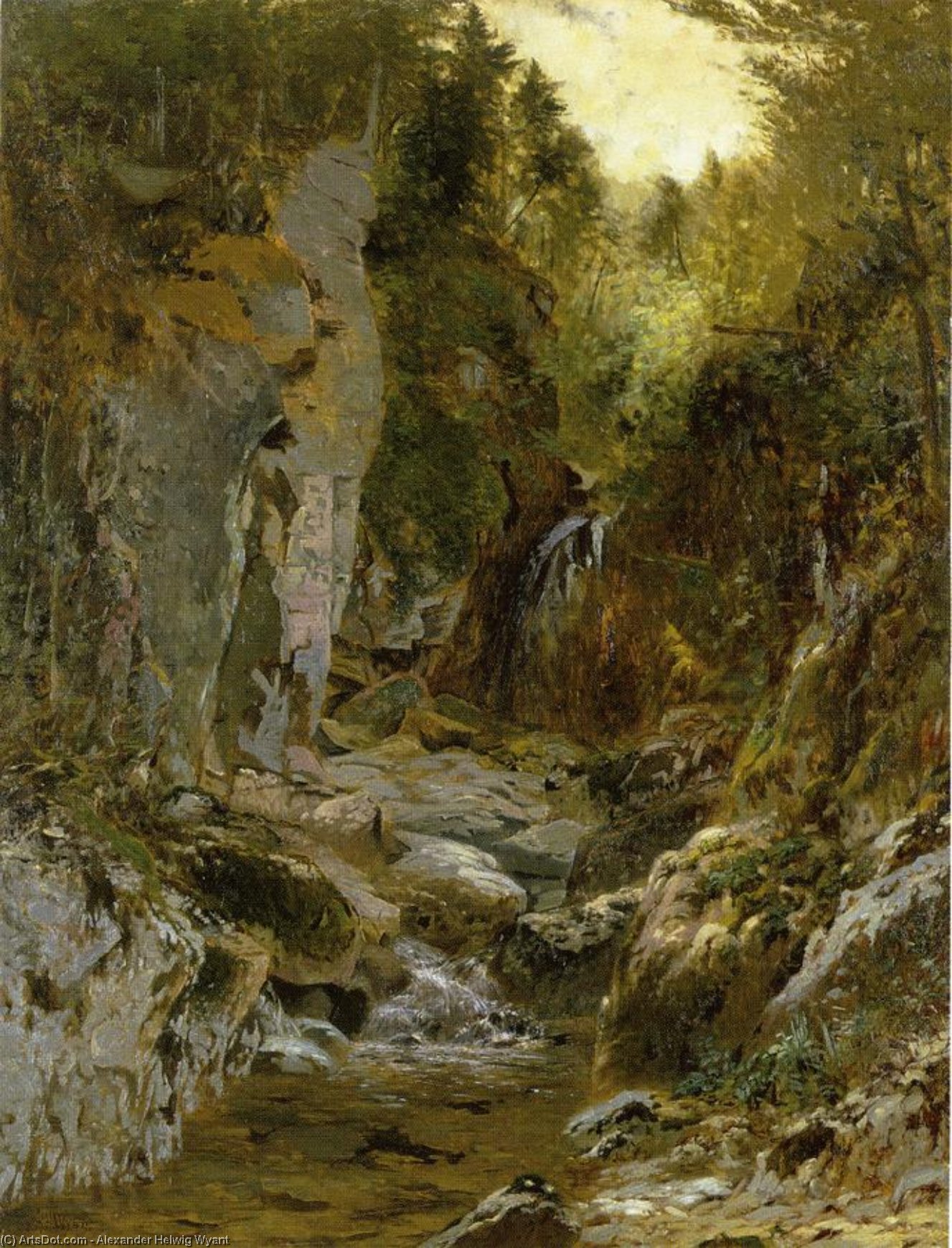
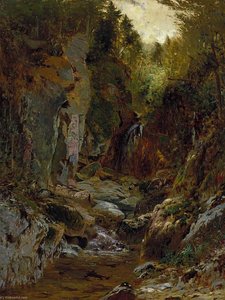
The Flume, Opalescent River, Adirondacks


 Weiterlesen
Giclée / Kunstdruck
Giclée- oder Leinwanddruck in Museumsqualität mit schneller Produktion und flexiblen Veredelungsoptionen. ( Handgemalte Reproduktion bestellen Bild kaufen)




P118B $10

P118H $10

P118W $10

P438Z $10

P508JH $12

P508YH $12

P805H $10

P805Z $10

P919BZ $10

P919G $10

P919XJ $10

P959ZH $10

P968JZ $12

W106C $8

W218G $10

W218JH $8

W218Y $10

W307PJ $10

W316G $10

W316PJ $8

W316Y $10

W398PJ $8

W4111J $10

W500HY $15

W500JH $15

W692G $12

W849H $8

W940BG $15

W953PJ $8




Wählen Sie aus unseren vordefinierten Formaten, die den ursprünglichen Proportionen des Kunstwerks entsprechen.

Sie können Ihre eigenen Maße eingeben, um ein bestimmtes Format oder einen speziellen Platz einzupassen. Wenn das von Ihnen gewählte Format nicht den Proportionen des Originalbildes entspricht, werden wir das Kunstwerk entweder beschneiden oder das Bild mit einem gespiegelten oder einfarbigen Rand erweitern. Ein digitaler Entwurf wird Ihnen zur Genehmigung zugesandt, bevor die Produktion beginnt.
Bitte beachten Sie, dass die Vorschau auf dem Bildschirm nicht den tatsächlichen Zuschnitt oder die Erweiterung widerspiegelt. Nur der Entwurf zeigt die endgültige Komposition präzise an.
Obwohl Sondermaße verfügbar sind, empfehlen wir die Auswahl eines Maßes aus der vordefinierten Liste, um die ursprünglichen Proportionen zu bewahren.
Weltweiter Versand () innerhalb von 2 Wochen statt der üblichen 4/5 Wochen. (26 August)

Kostenloser weltweiter Expressversand

Hochwertige Leinenleinwand

Umfassender Versicherungsschutz beim Versand

Zollgebühren-Rückerstattungsgarantie

Garantie für exakte Farbtreue

60 Tage Rückgaberecht (nur bei Mängeln)

100% Geld-zurück-Garantie

Mengenrabatt verfügbar
 Die Glasoption ist nur für Größen unter 110 cm verfügbar.

The Flume, Opalescent River, Adirondacks
Giclée / Kunstdruck
Format der Reproduktion
-


Gesamtpreis
$ 62
Sammlerstück-Beschreibung
A Symphony of Light and Water in the Adirondacks
In the heart of the American wilderness, where the rugged terrain of the Adirondacks meets the sky, Alexander Helwig Wyant captured a moment of profound serenity in his 1875 masterpiece, The Flume, Opalescent River, Adirondacks. This breathtaking landscape invites the viewer into a secluded sanctuary, where a rocky stream meanders through a dense, ancient forest. The composition is masterfully orchestrated, utilizing strong vertical elements—towering cliffs, slender trees, and the cascading descent of water—to create an immediate sense of grandeur and depth. As your eyes wander across the canvas, you encounter a weathered stone structure nestled within the wild greenery, a subtle hint of human presence that serves only to emphasize the vast, untamed majesty of the natural world.
Wyant’s technique is nothing short of poetic, showcasing his transition from the detailed realism of the Hudson River School toward the more atmospheric, moody essence of Tonalism. Using oil on canvas, he achieves a remarkable luminosity that makes the water appear to shimmer with life. The artist employs a sophisticated interplay of light and shadow; a dramatic light source illuminates the upper reaches of the scene, casting soft, dappled shadows across moss-covered rocks and lush foliage. This careful manipulation of light breathes movement into the stillness, making the textures of rough stone and delicate leaves feel almost tactile to the observer.
The Emotional Resonance of the Sublime
Beyond its technical brilliance, The Flume serves as a profound exploration of the Romantic ideal—the concept of the "sublime." Through a palette dominated by deep forest greens, earthy browns, and cool grays, Wyant evokes a sense of peaceful contemplation. The painting does not merely depict a location; it captures an emotional state of awe and tranquility. There is a rhythmic quality to the work, found in the curved lines of the flowing stream and the organic shapes of the terrain, which guides the viewer into a meditative trance. It is a scene that whispers of the eternal, where the persistent flow of the Opalescent River represents the unstoppable passage of time amidst the enduring strength of the mountains.
For the discerning collector or interior designer, this artwork offers more than just visual beauty; it provides an atmospheric anchor for any space. Whether placed in a sunlit gallery or a sophisticated study, the painting brings a piece of the wild, untamed American spirit indoors. The rich textures and deep, harmonious colors make it a versatile choice for creating a focal point that inspires calm and wonder. Owning a reproduction of this Wyant classic is an opportunity to preserve a fragment of 19th-century American history and to surround oneself with the timeless, evocative beauty of the natural landscape.
Ähnliche Kunstwerke

Über den Künstler
Frühes Leben und Einflüsse
- Geboren: 11. Januar 1836, Port Washington, Ohio
- Gestorben: 29. November 1892, New York City
- Wyant begann mit dem Malen am Ufer des Ohio River in Cincinnati, Ohio.
- Er wurde maßgeblich von George Inness beeinflusst, den er 1857 in New York City kennenlernte. Dieses Treffen ermutigte ihn, die Kunst ernsthaft zu betreiben.
- Mit Unterstützung von Nicholas Longworth studierte Wyant an der National Academy of Design und reiste 1860 nach Europa.
- Seine Europareise umfasste ein Studium bei Hans Gude in Düsseldorf und Karlsruhe, Deutschland, sowie kurze Besuche in England und Irland. Diese Erfahrungen führten ihn mit verschiedenen künstlerischen Stilen und Landschaften in Berührung.
Künstlerische Entwicklung und Stil
- Wyants frühe Werke spiegelten die Tradition der Hudson River School wider, gekennzeichnet durch detaillierte Darstellungen von Naturlandschaften.
- Im Laufe der Zeit entwickelte sich sein Stil hin zum Tonalismus, einer Bewegung, die atmosphärische Effekte, gedämpfte Farben und eine poetische Interpretation betonte.
- Ein Schlüsselelement Wyants Entwicklung war seine zunehmende Abhängigkeit von einer Palette aus Weiß-, Grau- und Erdtönen.
- Er wurde bekannt dafür, Wolken zu nutzen, um subtile Stimmungen zu erzeugen, anstatt dramatische Darstellungen.
- Der Schlaganfall, den er 1873 erlitt und der seinen rechten Arm lähmte, veranlasste ihn, das Malen mit seiner linken Hand selbst beizubringen. Dieses Unglück intensivierte vermutlich seinen Fokus auf atmosphärische Effekte und emotionale Ausdruckskraft.
Wichtige Werke und Ausstellungen
- Wyant stellte von 1864 bis 1892 umfangreich an der National Academy of Design aus.
- Er nahm auch an Ausstellungen mit der Brooklyn Art Association, dem Boston Art Club, der Pennsylvania Academy of Fine Arts und anderen teil.
- Bemerkenswerte Werke sind: Mohawk Valley (Metropolitan Museum of Art), Arkville Autumn Landscape (sein letztes Gemälde).
- Seine Aquarelle wurden ab 1867 regelmäßig ausgestellt.
- Er spielte eine wichtige Rolle bei der Gründung der American Watercolor Society im Jahr 1878.
Historische Bedeutung und Vermächtnis
- Wyant gilt als bedeutende Figur, die die Hudson River School und den Tonalismus miteinander verbindet.
- Seine Arbeit spiegelt einen Wandel hin zu introspektiveren und atmosphärischeren Landschaften wider, weg von rein repräsentativen Darstellungen der Natur.
- Er trug zur Entwicklung der amerikanischen Aquarellmalerei durch seine aktive Teilnahme an der American Watercolor Society bei.
- Obwohl er zu Lebzeiten nicht weithin geschätzt wurde, haben Wyants Werke für ihre poetische Qualität und subtile Schönheit Anerkennung gefunden.
- Seine späteren Arbeiten, insbesondere die aus Arkville, New York, zeigen eine Verbindung zu den Barbizon-Malern und spiegeln einen kontemplativen Ansatz in der Landschaftskunst wider.
Wichtige Einflüsse und Zugehörigkeiten
- George Inness: Ein primärer Mentor und Einfluss auf Wyants künstlerische Entwicklung.
- John Constable & J.M.W. Turner: Britische Künstler, deren Landschaften Wyants atmosphärischen Stil inspirierten.
- Hudson River School: Wyant folgte zunächst dieser Tradition, wandte sich aber später dem Tonalismus zu.
- American Barbizon Movement: Seine späteren Arbeiten stimmten mit den Prinzipien dieser Bewegung überein und betonten das Malen im Freien und einen Fokus auf natürliches Licht.
- Century Association & National Academy of Design: Wyant war Mitglied dieser angesehenen Künstlerorganisationen.
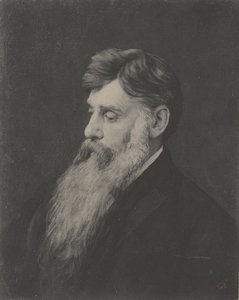
Alexander Helwig Wyant
1836 - 1892 , Vereinigte Staaten von Amerika
Kurzinfos
- Beeinflusste Künstler:
- George Inness
- John Constable
- J.M.W. Turner
- Bemerkenswerte Werke:
- Mohawk Valley
- Arkville Herbstlandschaft
- Geburtsdatum: 11. Januar 1836
- Geburtsort: Port Washington, USA
- Künstlerische Bewegung:
- Hudson River School
- Tonalismus
- Nationalität: Amerikanisch
- Todatum: 29. November 1892
- Vollständiger Name: Alexander Helwig Wyant
Ähnliche Artikel
Robert Spencer: Luminism, Narrative & the American Landscape Tradition
Explore the captivating world of Luminism & the Hudson River School with our expert analysis. Discover the history, artists, and enduring beauty of 19th-century American landscape painting. Find museum-quality reproductions at ArtsDot.
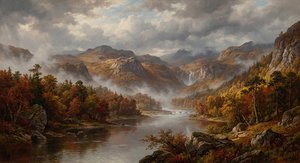
Die 10 Meisterwerke der Hudson River School: Kunst für Ihr Zuhause | ArtsDot
Entdecken Sie die 10 prägendsten Meisterwerke der Hudson River School! Erfahren Sie mehr über Thomas Cole, Frederic Church & Co. und ihre atemberaubenden Landschaftsbilder. Hochwertige Kunstdrucke für Ihr Zuhause – jetzt auf ArtsDot.com!
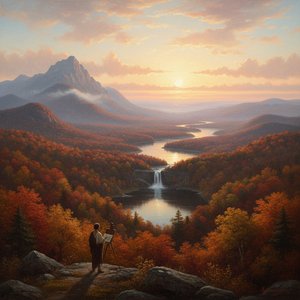
The Sublime Landscape: Exploring the Hudson River School Movement
Explore the captivating world of the Hudson River School! Discover the history, artists, and defining characteristics of this iconic American art movement. Learn about Romanticism's influence & find inspiration for your collection.

Evocations of Place: A Historical Journey Through Landscape Art
Explore the rich history of landscape art with ArtsDot. Discover renowned artists, movements like Impressionism & Romanticism, and expert guidance for collecting timeless pieces. Find your perfect serene escape today!
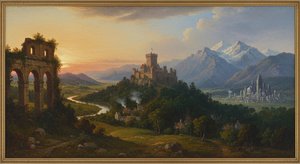
Evocations of Place: A Historical Journey Through Landscape Art
Explore the rich history of landscape art with ArtsDot. Discover renowned artists, movements like Impressionism & tonalism, and expert guidance for collecting timeless pieces. Find your perfect serene escape today!

