 Vorschau anzeigen
 Versenden
 Teilen
 Details anzeigen

 Herunterladen
 Ähnliche Objekte
 Röntgenaufnahme
 Diashow
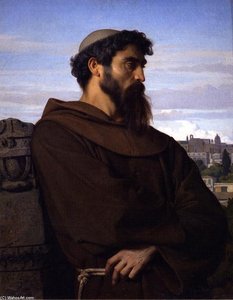
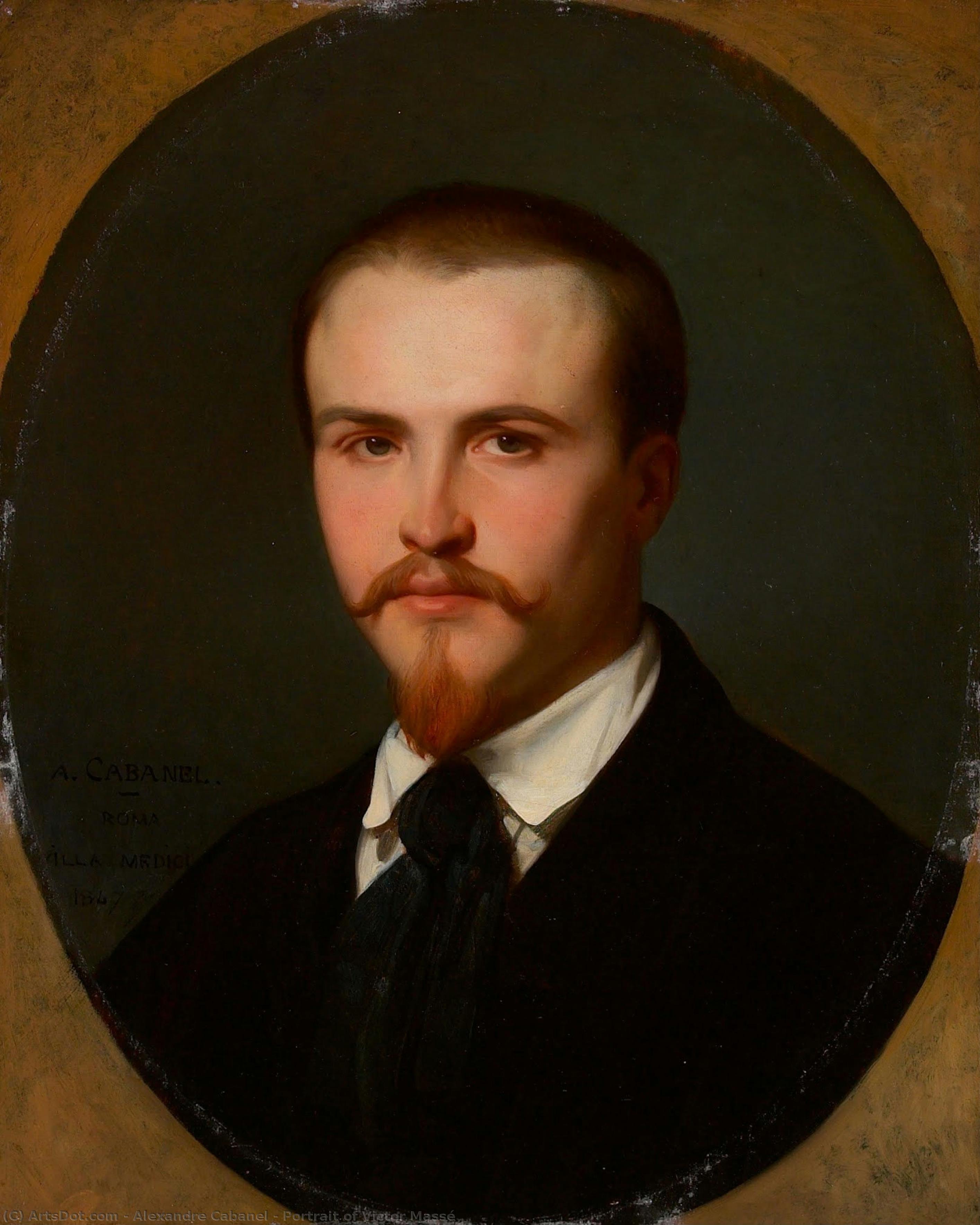
Portrait of Victor Massé


 Weiterlesen
Handgefertigte Ölreproduktion
Handgemaltes Ölgemälde auf Leinwand in Ihrer Wunschgröße und mit Rahmen, auf Bestellung von unseren Künstlern angefertigt. ( Druck bestellen Bild kaufen)




P118B $10

P118H $10

P118W $10

P438Z $10

P508JH $12

P508YH $12

P805H $10

P805Z $10

P919BZ $10

P919G $10

P919XJ $10

P959ZH $10

P968JZ $12

W106C $8

W218G $10

W218JH $8

W218Y $10

W307PJ $10

W316G $10

W316PJ $8

W316Y $10

W398PJ $8

W4111J $10

W500HY $15

W500JH $15

W692G $12

W849H $8

W940BG $15

W953PJ $8




Wählen Sie aus unseren vordefinierten Formaten, die den ursprünglichen Proportionen des Kunstwerks entsprechen.

Sie können Ihre eigenen Maße eingeben, um einen bestimmten Rahmen oder Platz auszufüllen. Wenn die gewählte Größe nicht den Proportionen des Originalbildes entspricht, werden wir das Kunstwerk entweder beschneiden oder das Gemälde durch zusätzliche, handgemalte Elemente erweitern. Ein digitales Mockup wird Ihnen zur Genehmigung zugesandt, bevor die Produktion beginnt.
Bitte beachten Sie, dass die Bildschirmvorschau nicht die tatsächliche Beschneidung oder Erweiterung widerspiegelt. Nur das Mockup zeigt die endgültige Komposition exakt an.
Obwohl Sondermaße verfügbar sind, empfehlen wir, eine Größe aus der vordefinierten Liste zu wählen, um die ursprünglichen Proportionen beizubehalten.
Nach der Bestellung wird das ArtsDot.com-Team dem Kunden Anweisungen per E-Mail zusenden und eine Mockup-Vorschau bereitstellen.
Weltweiter Versand () in nur 3 bis 4 Wochen statt der üblichen 5 Wochen. (22 August). Keine Kompromisse bei der Qualität.

Kostenloser weltweiter Expressversand

Hochwertige Leinenleinwand

Umfassender Versicherungsschutz beim Versand

Zollgebühren-Rückerstattungsgarantie

Garantie für exakte Farbtreue

60 Tage Rückgaberecht (nur bei Mängeln)

100% Geld-zurück-Garantie

Mengenrabatt verfügbar
 Die Glasoption ist nur für Größen unter 110 cm verfügbar.

Portrait of Victor Massé
Art der Reproduktion
Format der Reproduktion
-


Gesamtpreis
$ 263
Beschreibung des Kunstwerks
The Elegance of the Belle Époque
Alexandre Cabanel’s “Portrait of Victor Massé,” painted in 1847, is more than just a likeness; it's a meticulously crafted distillation of the ideals and aesthetic sensibilities that defined the French Second Empire. This captivating portrait offers a glimpse into a specific moment in time – a world of refined manners, aristocratic leisure, and an unwavering belief in classical beauty. Cabanel, one of the “three most successful artists” of his era alongside Gérôme and Meissonier, was deeply embedded within the academic art establishment, and this painting exemplifies that commitment to tradition and idealized representation.
The subject himself, Victor Massé, a prominent figure in Parisian society, is presented with an almost unnerving composure. His gaze, direct and unwavering, draws the viewer into the scene, inviting contemplation of his character and status. Notice the subtle details – the carefully arranged cravat, the rich velvet waistcoat, the dignified posture – each element contributing to a portrait that speaks volumes about wealth, influence, and adherence to established social norms. The background is deliberately understated, a simple wall serving only to frame the subject and enhance his presence; it’s a classic compositional technique designed to ensure all attention remains focused on Massé himself.
A Symphony of Technique: Academic Realism at its Finest
Cabanel's mastery lies in his ability to render texture, light, and form with breathtaking precision. The painting is executed in the meticulous style characteristic of academic art – a painstaking process that demanded years of training and unwavering dedication. Observe how he builds up the fabric of Massé’s clothing through layers of delicate brushstrokes, creating an illusion of depth and tactile quality. The modeling of his face is equally impressive; every curve of the cheekbone, every shadow beneath the eye, is rendered with a sensitivity that reveals a profound understanding of human anatomy.
The color palette is restrained yet sophisticated, dominated by rich browns, deep reds, and subtle blues – colors that evoke a sense of warmth, gravitas, and understated elegance. Cabanel’s use of light is particularly noteworthy; it's carefully controlled to highlight Massé’s features and create a luminous effect that imbues the portrait with an almost ethereal quality. The brushwork itself is remarkably smooth and polished, reflecting Cabanel’s commitment to achieving a surface finish that was considered ideal by his contemporaries.
Symbolism and the Spirit of the Age
“Portrait of Victor Massé” isn't simply a representation of a man; it’s a reflection of an era. The Second Empire in France was a period of immense prosperity, political stability, and cultural flourishing – a time when art played a crucial role in reinforcing social hierarchies and celebrating national identity. Cabanel’s painting embodies these values through its idealized depiction of the subject and its adherence to classical artistic conventions.
The pose itself is significant. Massé's upright stance, with his hands resting calmly on his lap, conveys a sense of authority and self-assurance – qualities that were highly valued in 19th-century society. Furthermore, the portrait’s overall composition—balanced, harmonious, and formally perfect—mirrors the prevailing aesthetic ideals of the time, reflecting a desire for order, stability, and timeless beauty. It's a visual testament to a bygone era, capturing not just a man's appearance but also the spirit of his age.
A Timeless Masterpiece – Reproductions Available
Cabanel’s “Portrait of Victor Massé” remains a captivating work of art, admired for its technical brilliance and its evocative portrayal of 19th-century society. ArtsDot offers high-quality reproductions that faithfully capture the painting's rich colors, intricate details, and timeless beauty. Whether you are an art collector, an interior designer seeking to add a touch of elegance to your home, or simply someone who appreciates exceptional artistry, a reproduction of this masterpiece is sure to be a treasured addition to your collection.
Ähnliche Kunstwerke

Über den Künstler
Frühe Jahre und Ausbildung
Alexandre Cabanel, ein renommierter französischer Maler, wurde am 28. September 1823 in Montpellier, Hérault, geboren. Im Alter von siebzehn Jahren trat er in die École des Beaux-Arts in Paris ein, wo er unter François-Édouard Picot studierte.Künstlerischer Stil und Bekannte Werke
Cabanels künstlerischer Stil war durch seine Einhaltung des akademischen Stils gekennzeichnet, wobei er sich auf historische, klassische und religiöse Themen konzentrierte. Er war auch ein begabter Porträtmaler. Zu seinen bekanntesten Werken gehören:- Ophelia (1883), ein Meisterwerk, das seine Fähigkeit zeigt, die Essenz einer Szene einzufangen.
- Die Geburt der Venus (1863), ein Paradebeispiel für die akademische Malerei des 19. Jahrhunderts, das vom Kaiser Napoleon III. erworben wurde.
- Porträt der Gräfin E. A. Worontzowa-Daschkowa, das seine Fähigkeit demonstriert, die Essenz seiner Motive einzufangen.
Einflüsse und Entwicklung
Cabanel stand durch seinen Lehrer François-Édouard Picot in Verbindung mit der klassischen Schule Jacques-Louis Davids. Seine frühen Bilder wie „Der Tod des Moses“ (1852) und „Der heilige Ludwig“ (1855) hielten sich noch durchaus an die strengen akademischen Regeln, zeigten aber schon innerhalb derselben Talent für Zeichnung und Komposition. Er näherte sich der modernen Empfindungsweise in dem Bild „Die Witwe des Kapellmeisters, die mit ihren Kindern den Klängen der Orgel lauscht“, das mit seinen rosigen Tönen an die Werke François Bouchers und anderer Meister des Rokoko erinnerte.Auszeichnungen und Anerkennung
Cabanels Arbeit wurde weithin anerkannt, und er erhielt mehrere Auszeichnungen, darunter:- Das Prix de Rome-Stipendium im Jahr 1845
- Die Grande Médaille d'Honneur bei den Salons von 1865, 1867 und 1878
Lehre und Vermächtnis
Cabanel wurde 1864 zum Professor an der École des Beaux-Arts ernannt, wo er bis zu seinem Tod unterrichtete. Seine Schüler waren zahlreiche erfolgreiche Künstler, was sein Erbe in der Kunstwelt sicherstellte. Er war seit 1887 assoziiertes Mitglied der Académie royale des Sciences, des Lettres et des Beaux-Arts de Belgique. Cabanels Malweise wurde im Laufe der Zeit weniger geschätzt, aber eine umfassende Sonderausstellung im Jahr 2011 zeigte seine Bedeutung neu.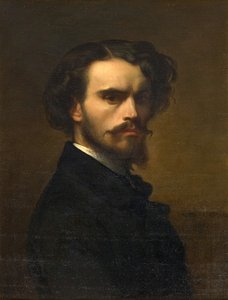
Alexandre Cabanel
1875 - 1889 , Frankreich
Kurzinfos
- Beeinflusste Künstler:
- François-Édouard Picot
- Jacques-Louis David
- Bemerkenswerte Werke:
- Ophelia (1883)
- Die Geburt der Venus (1863)
- Geburtsdatum: 28. September 1823
- Geburtsort: Montpellier, Frankreich
- Künstlerischer Stil: Akademische Kunst
- Nationalität: Französisch
- Sterbedatum: 23. Januar 1889
- Vollständiger Name: Alexandre Cabanel
Ähnliche Artikel

The Enduring Legacy of Oil on Canvas: Technique, History & Aesthetic Impact
Explore the rich history & techniques of oil painting – from Renaissance masters to Impressionism. Discover pigments, layering methods, and why this timeless medium endures. Expert insights for artists & art enthusiasts.

Öl auf Leinwand: Eine historische und technische Erkundung eines zeitlosen künstlerischen Mediums
Entdecken Sie die faszinierende Welt der Ölmalerei! Von historischen Techniken bis zur modernen Anwendung – wir bieten Expertenwissen, Restaurierungstipps und hochwertige Reproduktionen. Jetzt informieren!

Das bleibende Erbe der Ölmalerei: Technik, Geschichte und zeitgenössische Praxis
Entdecken Sie die faszinierende Geschichte der Ölmalerei – von den frühen Techniken bis zur modernen Kunst. Expertenwissen, detaillierte Analysen und Inspiration für Sammler & Kunstliebhaber.
Öl auf Leinwand: Die 10 Meisterwerke, die Kunst für immer veränderten |
Entdecken Sie die 10 legendärsten Öl auf Leinwand Meisterwerke! Von Van Gogh bis Monet – erfahren Sie die Geschichten hinter ikonischen Gemälden und lassen Sie sich von Kunstgeschichte inspirieren. Hochwertige Reproduktionen für Ihr Zuhause finden Sie auf .

Meisterwerke des 19. Jahrhunderts: Kunst für Ihr Zuhause | ArtsDot
Entdecken Sie die 10 bedeutendsten Kunstwerke des 19. Jahrhunderts! Von Impressionismus bis Realismus – erleben Sie die Geschichten berühmter Maler und ihre Meisterwerke. Hochwertige Reproduktionen für Ihr Zuhause auf ArtsDot.com.