

 Vorschau anzeigen
 Versenden
 Teilen
 Details anzeigen

 Herunterladen
 Ähnliche Objekte
 Röntgenaufnahme
 Diashow
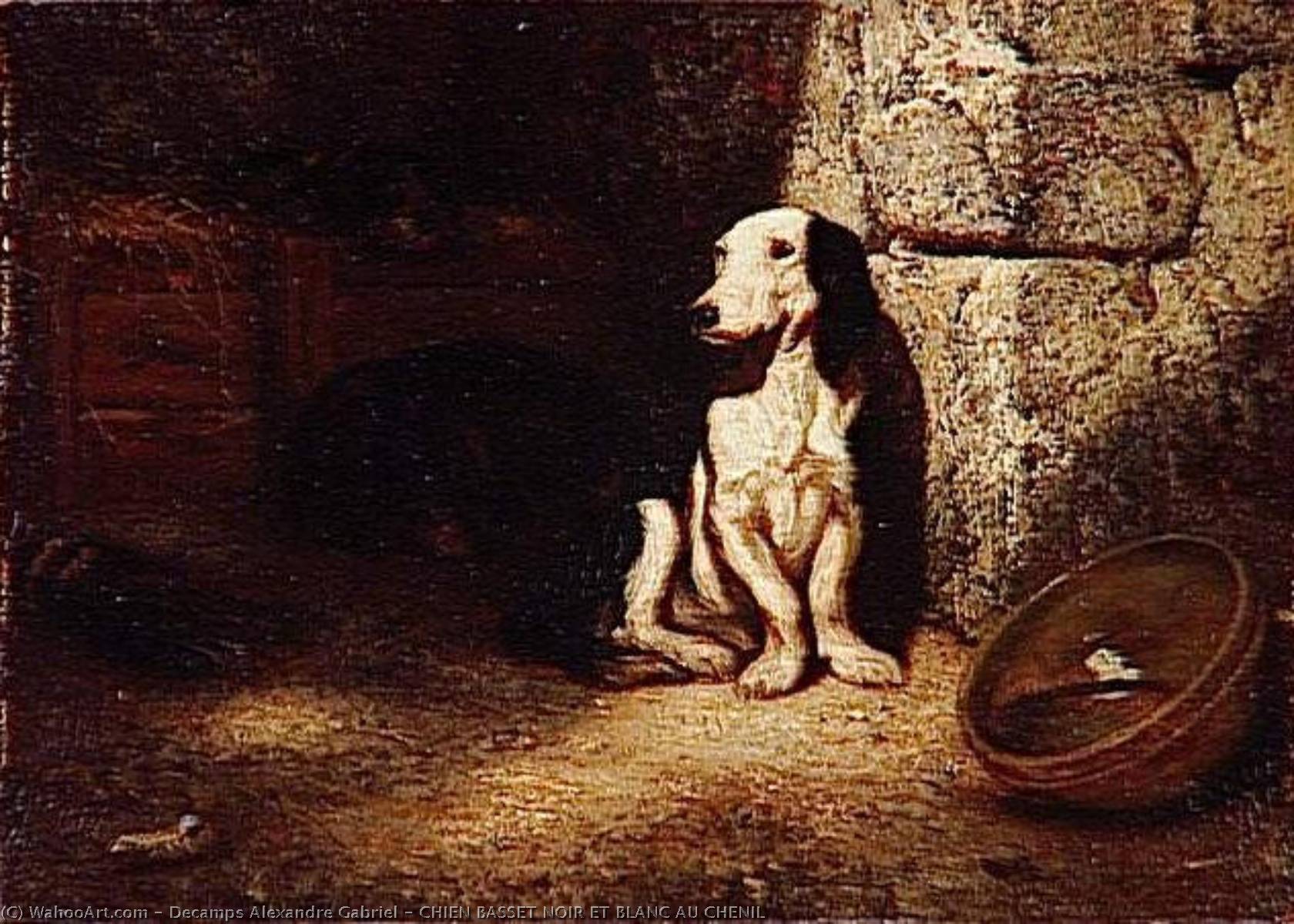
CHIEN BASSET NOIR ET BLANC AU CHENIL


 Weiterlesen
Erwerben Sie ein hochauflösendes, optimiertes digitales Bild, das der Online-Vorschau weit überlegen ist.
Jede Datei wird von unseren hauseigenen Spezialisten mit modernsten Werkzeugen und fachmännischer manueller Retusche sorgfältig vorbereitet. Wir stellen sicher, dass jedes Bild eine außergewöhnliche Klarheit, präzise Farbgenauigkeit und feinste Details aufweist.
Die endgültige Datei wird innerhalb von 72 Stunden per E-Mail zugestellt und ist für den sofortigen Einsatz in professionellen, redaktionellen und Druckumgebungen optimiert. Es handelt sich um dieselbe Qualität, der führende Designstudios, Verlage und Galerien vertrauen.
Digitales Bild
Laden Sie eine hochauflösende Datei für die persönliche Präsentation, den Druck und kreative Projekte herunter. ( Druck bestellen Handgemalte Reproduktion bestellen)
In jeder Bestellung digitaler Bilder enthalten
Professionelle digitale Bereitstellung, garantiert
Wenn Sie sich für ArtsDot.com entscheiden, erhalten Sie nicht nur ein Bild – Sie erhalten ein professionell aufbereitetes digitales Kunstwerk, das mit höchster Präzision erstellt und durch eine Zufriedenheitsgarantie abgesichert wird. Hier ist alles, was automatisch mit Ihrer Bestellung geliefert wird:

Schnelle E-Mail-Zustellung
Ihre hochauflösende digitale Bilddatei wird Ihnen innerhalb von 72 Stunden nach der Bestellung per E-Mail zugestellt – bereit zur sofortigen Verwendung.

KI-optimierte digitale Datei
Ihre Kunstwerke werden professionell mithilfe fortschrittlicher KI-Tools und manueller Bearbeitung optimiert, um maximale Detailtreue, Klarheit und Farbgenauigkeit zu gewährleisten.

Lebenslanger kostenloser Neudruckservice
Datei versehentlich gelöscht oder verloren? Keine Sorge – wir senden sie Ihnen jederzeit kostenlos erneut zu.

Keine Einfuhrgebühren – jemals
Genießen Sie Ihr Kunstwerk sofort ohne Zollgebühren, Einfuhrabgaben oder Versandkosten – digitale Downloads sind immer steuerfrei.

Garantierte Farbtreue
Wir garantieren, dass Ihr digitales Bild mithilfe professioneller Werkzeuge und Farbmanagement die Originalfarben so präzise wie möglich wiedergibt.

60-Tage-Zufriedenheitsgarantie
Sollten Sie mit Ihrem digitalen Bild nicht zufrieden sein, werden wir es überarbeiten oder Ihnen innerhalb von 60 Tagen 100% erstatten – ohne Wenn und Aber.

100% Geld-zurück-Garantie
Nicht zufrieden? Erhalten Sie innerhalb von 60 Tagen nach Erhalt Ihrer digitalen Datei eine vollständige Rückerstattung – ohne Angabe von Gründen.

Rabatte bei Großbestellungen
3 Bilder kaufen, 10% sparen – 5 Bilder kaufen, 15% sparen – Ab 10 Bildern 20% sparen. Ideal für kreative Projekte, Galerien und Agenturen.
Details zum Sammlerstück
CHIEN BASSET NOIR ET BLANC AU CHENIL – Une Ode à la Mélancolie Romantique
Alexandre Gabriel Decamps, un nom qui résonne avec les couleurs vives des paysages exotiques et le souffle dramatique du romantisme, est apparu comme une figure clé dans l'art français au XIXe siècle. Né à Paris le 3 mars 1803, son parcours artistique fut marqué par une innovation audacieuse, défiant les conventions académiques et ouvrant la voie à ce qui allait devenir connu sous le nom d’Orientalisme. Alors que ses contemporains comme Delacroix et Ingres occupaient des postes importants dans le monde artistique français, Decamps se distinguait grâce à un style profondément personnel – une fusion de l'observation minutieuse, de la composition dramatique et d’une qualité narrative captivante qui attirait les spectateurs dans des mondes aussi familiers qu’étrangement étrangers. Sa reconnaissance précoce comme artiste talentueux présagea une carrière consacrée à la gloire critique, culminant avec la médaille du conseil lors de l'Exposition universelle parisienne de 1855, témoignage éclatant de son talent exceptionnel et de sa vision unique.- Une Vision Romantique Éclairée : Decamps se démarqua des mouvements artistiques dominants de son temps en embrassant une esthétique imprégnée d’émotion et d’atmosphère – une caractéristique essentielle du romantisme, où la beauté naturelle et les sentiments profonds étaient célébrés avec une passion inégalée. Cette sensibilité artistique trouva son expression dans ses œuvres, notamment dans cette remarquable peinture représentant un chien basset noir et blanc au chenil.
- La Composition Simplifiée : La peinture adopte une composition relativement simple mais efficace, centrée sur le chien lui-même. Les murs de pierre rugueuse servent de fond neutre, tandis que la poussière de foin dispersée ajoute une touche de réalisme et souligne la solitude du sujet. Une petite boîte en bois à droite apporte une profondeur supplémentaire à la scène.
- La Palette Émotionnelle : La palette chromatique est dominée par des tons terreux doux avec des contrastes saisissants entre le noir et le blanc. Les bruns, les gris et les ocres sont utilisés avec parcimonie pour créer une ambiance sombre et mélancolique qui reflète parfaitement l'esprit du romantisme.
Symbolisme et Émotion :
Le chien basset noir et blanc au chenil dépasse la simple représentation d’un animal domestique pour évoquer une série de significations symboliques profondes. Sa posture légèrement décharnée suggère une mélancolie silencieuse, une nostalgie pour un passé révolu et une certaine vulnérabilité face à l’environnement extérieur. Cette interprétation émotionnelle est renforcée par la lumière douce et diffuse qui éclaire la scène, créant une atmosphère pleine de mystère et d'introspection. Décamps parvient ainsi à capturer l'essence même du romantisme : une recherche incessante de beauté et d'émotion dans les œuvres d’art.Un Hommage au Détail Réalisme et Observation :
Bien que la peinture ne soit pas excessivement détaillée ou précise, elle témoigne d’une attention particulière aux détails qui permettent une véritable immersion dans le monde représenté. Les murs de pierre sont rendus avec une précision remarquable grâce à des coups de pinceau doux et bien placés, tandis que les poils du chien sont traités avec soin pour donner une impression de réalisme saisissant. Cette approche réaliste est toutefois équilibrée par une sensibilité artistique qui permet aux artistes de transmettre leurs émotions et leurs idées au spectateur. Une œuvre comme celle-ci incarne parfaitement l’esprit du romantisme : une célébration de la beauté naturelle et des sentiments humains exprimés avec une maîtrise technique exceptionnelle. Conclusion : Alexandre Gabriel Decamps, grâce à cette magnifique peinture, offre au spectateur un aperçu fascinant d'une époque marquée par la passion artistique et l’exploration émotionnelle – une véritable œuvre d’art qui continue de captiver les amateurs d’histoire et les amoureux de la beauté.Ähnliche Kunstwerke


Biografie des Künstlers
Alexandre Gabriel Decamps (1803–1860): A Pioneer of Orientalist Visions
Alexandre Gabriel Decamps, a name resonating with the vibrant hues of exotic landscapes and the dramatic flair of Romanticism, emerged as a pivotal figure in 19th-century French painting. Born in Paris on March 3, 1803, his artistic journey was one of bold innovation, challenging academic conventions and forging a path toward what would become known as Orientalism. While contemporaries like Delacroix and Ingres also held prominent positions within the French art world, Decamps distinguished himself through an intensely personal style—a blend of meticulous observation, dramatic composition, and a captivating narrative quality that drew viewers into worlds both familiar and utterly foreign. His early recognition as a talented artist foreshadowed a career marked by critical acclaim, culminating in the grand or council medal at the Paris Exhibition of 1855, a testament to his exceptional skill and unique vision. Beyond the canvas, Decamps was a man deeply connected to nature, finding solace and inspiration in the countryside surrounding Paris, where he indulged his passion for animals and field sports—a fondness that would subtly permeate much of his artistic output.- Early Life and Artistic Training: Decamps’ formative years were spent honing his skills under the tutelage of Étienne Bouhot, a respected architect, before transitioning to Alexandre Abel de Pujol’s atelier, where he absorbed the tenets of academic painting. However, Decamps quickly recognized that strict adherence to tradition stifled creativity, prompting him to pursue an independent artistic path characterized by a fascination with capturing the essence of nature.
- Travels and Inspiration: A pivotal moment in Decamps’ artistic development arrived with his expeditions to Switzerland and Italy. These journeys fueled his imagination and instilled in him a profound appreciation for landscape painting, influencing his stylistic choices and establishing a cornerstone of his oeuvre. Notably, he meticulously documented the flora and fauna of these regions, preparing detailed sketches that served as invaluable references for his future paintings.
- Orientalism Takes Root: Decamps’ groundbreaking Salon exhibition of 1831 irrevocably altered the trajectory of French art history. His depiction of Smyrna—a bustling port city in Ottoman Turkey—challenged prevailing stereotypes and presented a remarkably honest portrayal of daily life, capturing the atmosphere, light, and textures with unprecedented realism. This pioneering approach resonated deeply with fellow artists and writers, sparking a fervent interest in Oriental themes that would dominate the artistic landscape for decades to come.
The Evolution of an Artistic Style: From Biblical Narratives to Desert Landscapes
Initially drawn to historical and biblical scenes—particularly depictions of Joshua’s victory over the Ammonites—Decamps skillfully grounded these narratives in authentic local settings, rejecting idealized representations favored by his contemporaries. This commitment to verisimilitude stemmed from his extensive travels to the East, where he immersed himself in observing cultural traditions and capturing the nuances of human experience. Joseph Sold by His Brethren, for example, is not merely an illustration of a biblical tale but a vivid portrayal of a specific time and place, imbued with emotional depth and psychological insight—a hallmark of Decamps’ distinctive artistic vision. He didn't simply depict what he saw; he conveyed a feeling for the atmosphere, the light, and the very essence of these distant lands.- Biblical Drama: Decamps’ early works showcased his mastery of dramatic composition and theatrical lighting—techniques honed during his formative years under Pujol. His meticulous attention to detail ensured that biblical narratives resonated with palpable emotion, transporting viewers into the heart of the depicted events.
- Historical Grandeur: Decamps' ambition extended beyond individual scenes; he tackled monumental historical canvases like The Defeat of the Cimbri, capturing the chaos and brutality of battle with dynamic energy and masterful brushwork. His ability to convey scale and movement cemented his reputation as a leading exponent of Romantic painting.
- The Desert’s Embrace: However, Decamps' true genius lay in his exploration of Oriental life—scenes rendered with remarkable fidelity that initially confounded critics accustomed to romanticized portrayals. He presented everyday vignettes—markets, schools, domestic interiors—with an unwavering dedication to capturing the subtleties of cultural traditions and conveying a profound understanding of human psychology.
A Founding Father of Orientalism: Influence and Legacy
Decamps is rightfully considered the founding father of Orientalism in French painting. Before him, depictions of the East were often filtered through fantasy and exoticism—a stylistic convention that Decamps decisively rejected. He championed a more objective approach, prioritizing direct observation and genuine curiosity as guiding principles for artistic endeavor.- Maximilian Liebermann’s Praise: Maximilian Liebermann famously dubbed Decamps “Christopher Columbus of the Orient,” recognizing his pioneering role in opening up this unexplored artistic territory. His stylistic innovations—characterized by bold brushstrokes, striking contrasts of light and shadow, and a palpable sense of atmosphere—became a benchmark for generations of painters.
- Notable Works: Among Decamps’ most celebrated paintings are Incendie d'un village italien (1853), depicting a dramatic fire scene with masterful impasto; A Bedouin and a Camel Resting in a Desert (1860), capturing the tranquility of desert life with exquisite detail; The Monkey Connoisseurs (1854), a satirical commentary on the Académie des Beaux-Arts’ jury; and Albanian Dancer (1831), showcasing vibrant colors and energetic movement.
- Enduring Recognition: Decamps' legacy continues to inspire artists today. His works reside in prestigious institutions such as the Musée du Louvre, ensuring that his vision persists—a testament to his enduring contribution to French art history.
A Tragic End and An Unforgettable Artistic Vision
Tragically, Decamps’ life was cut short on August 22, 1860, following a hunting accident near Fontainebleau. Despite his untimely demise, Alexandre Gabriel Decamps' artistic output remains profoundly influential—a beacon of innovation and authenticity that transcends time.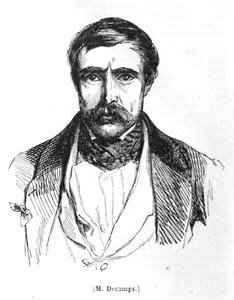
Alexandre Gabriel Decamps
1803 - 1860 , Frankreich
Kurzinfos
- Artistic Movement Or Style: Orientalismus
- Artists Or Movements Influenced By This Artist: ['Orientalismus']
- Artists Who Influenced This Artist: ['Eugène Delacroix']
- Date Of Birth: 3. März 1803
- Full Name: Alexandre Gabriel Decamps
- Nationality: Französisch
- Notable Artworks:
- CHIENS BRIFAUTS
- LA COUR DE FERME
- L’École Turque
- Paysage Turc
- Place Of Birth: Paris, Frankreich

