 Vorschau anzeigen
 Versenden
 Teilen
 Details anzeigen

 Herunterladen
 Ähnliche Objekte
 Röntgenaufnahme
 Diashow
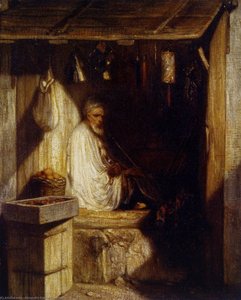
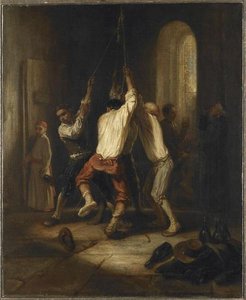
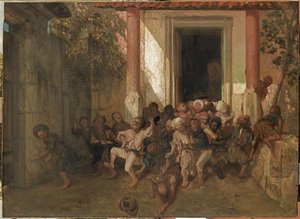
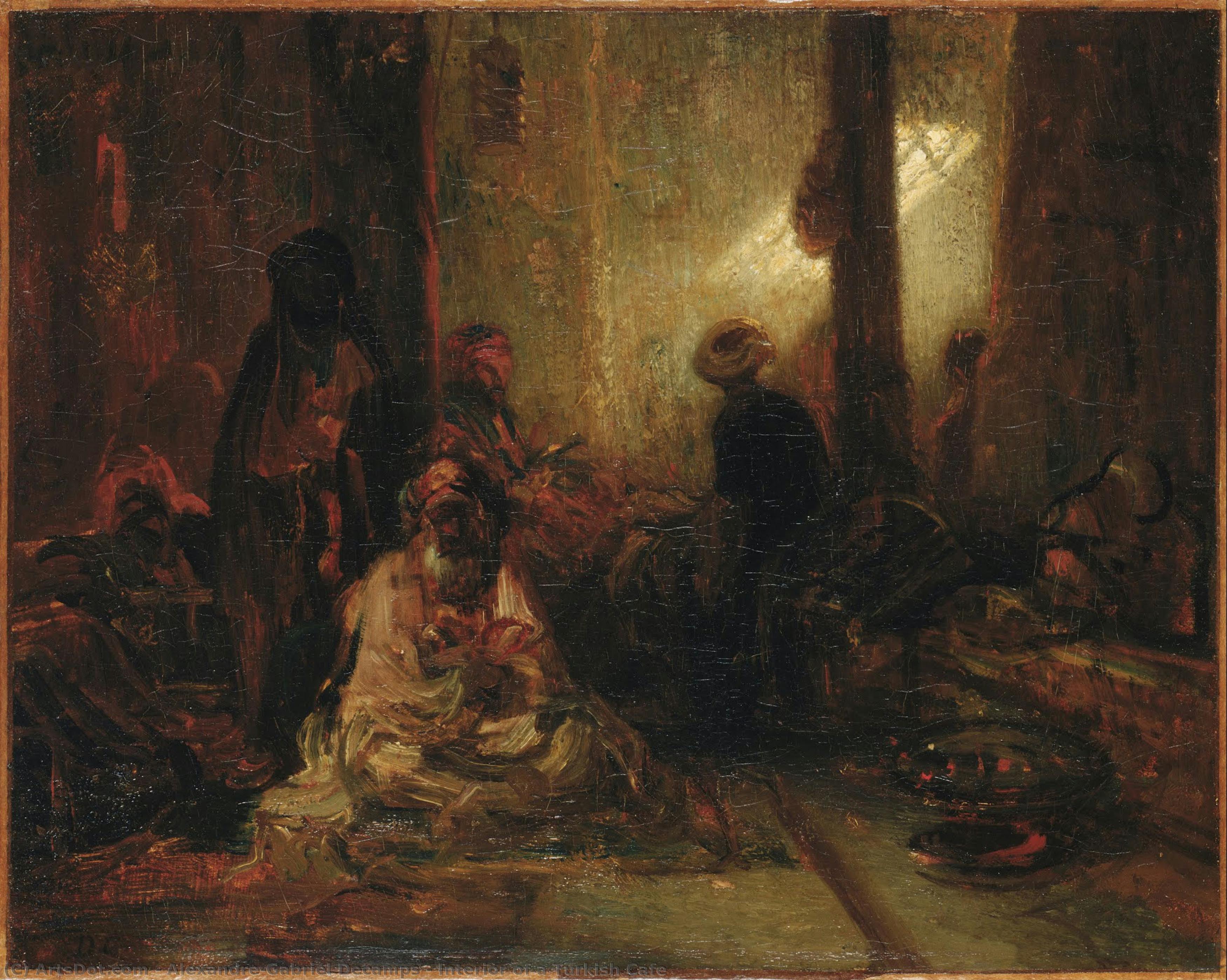
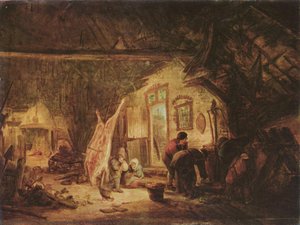
Interior of a Turkish Cafe


 Weiterlesen
Handgefertigte Ölreproduktion
Handgemaltes Ölgemälde auf Leinwand in Ihrer Wunschgröße und mit Rahmen, auf Bestellung von unseren Künstlern angefertigt. ( Druck bestellen Bild kaufen)




P118B $10

P118H $10

P118W $10

P438Z $10

P508JH $12

P508YH $12

P805H $10

P805Z $10

P919BZ $10

P919G $10

P919XJ $10

P959ZH $10

P968JZ $12

W106C $8

W218G $10

W218JH $8

W218Y $10

W307PJ $10

W316G $10

W316PJ $8

W316Y $10

W398PJ $8

W4111J $10

W500HY $15

W500JH $15

W692G $12

W849H $8

W940BG $15

W953PJ $8




Wählen Sie aus unseren vordefinierten Formaten, die den ursprünglichen Proportionen des Kunstwerks entsprechen.

Sie können Ihre eigenen Maße eingeben, um einen bestimmten Rahmen oder Platz auszufüllen. Wenn die gewählte Größe nicht den Proportionen des Originalbildes entspricht, werden wir das Kunstwerk entweder beschneiden oder das Gemälde durch zusätzliche, handgemalte Elemente erweitern. Ein digitales Mockup wird Ihnen zur Genehmigung zugesandt, bevor die Produktion beginnt.
Bitte beachten Sie, dass die Bildschirmvorschau nicht die tatsächliche Beschneidung oder Erweiterung widerspiegelt. Nur das Mockup zeigt die endgültige Komposition exakt an.
Obwohl Sondermaße verfügbar sind, empfehlen wir, eine Größe aus der vordefinierten Liste zu wählen, um die ursprünglichen Proportionen beizubehalten.
Nach der Bestellung wird das ArtsDot.com-Team dem Kunden Anweisungen per E-Mail zusenden und eine Mockup-Vorschau bereitstellen.
Weltweiter Versand () in nur 3 bis 4 Wochen statt der üblichen 5 Wochen. (21 August). Keine Kompromisse bei der Qualität.

Kostenloser weltweiter Expressversand

Hochwertige Leinenleinwand

Umfassender Versicherungsschutz beim Versand

Zollgebühren-Rückerstattungsgarantie

Garantie für exakte Farbtreue

60 Tage Rückgaberecht (nur bei Mängeln)

100% Geld-zurück-Garantie

Mengenrabatt verfügbar
 Die Glasoption ist nur für Größen unter 110 cm verfügbar.

Interior of a Turkish Cafe
Art der Reproduktion
Format der Reproduktion
-


Gesamtpreis
$ 313
Beschreibung des Kunstwerks
A Window into the Orient: The Enigmatic World of Decamps
In the dimly lit corners of 19th-century Paris, few artists could transport a viewer to a distant land as masterfully as Alexandre Gabriel Decamps. His work, Interior of a Turkish Cafe, serves as more than just a painting; it is a portal into a vanished era of romanticized exploration. Created in 1833, this piece captures the essence of Orientalism—a movement that sought to capture the exotic, the mysterious, and the deeply human elements of Middle Eastern life through a European lens. As you gaze upon this scene, you are not merely observing a room; you are eavesdropping on a quiet moment of communal intimacy, where the shadows hold as much story as the light.
The composition draws the eye inward, toward a central cluster of figures that anchor the soul of the painting. Decamps employs a low horizon line to expand the sense of the cafe's interior, using vertical architectural elements and draped fabrics to create a feeling of cozy enclosure. There is a beautiful, intentional lack of sharp edges here; instead, soft, blurred lines and organic shapes suggest a world that is felt rather than strictly measured. This technique allows the viewer’s imagination to fill in the details of the faces and gestures, heightening the sense of mystery and making every encounter within the frame feel like a fleeting, precious discovery.
The Alchemy of Light and Earth
Technically, the painting is a triumph of atmosphere over precision. Decamps utilizes an earthy palette dominated by rich ochres, deep browns, and muted greens, which provides a warm, grounded foundation for the scene. This somber base is brilliantly interrupted by a dramatic, directional light source emanating from the right side of the canvas. This lighting strategy creates a profound chiaroscuro effect, casting deep, velvety shadows that contrast sharply with the luminous highlights on the figures' clothing and the textures of the walls. Such high contrast does more than define volume; it imbues the work with a palpable sense of drama and emotional weight.
For the discerning collector or interior designer, the tactile quality of this piece is its most captivating feature. The visible, expressive brushstrokes and the use of impasto—where paint is applied thickly to catch the light—give the surface a rugged, spontaneous energy. You can almost feel the roughness of the stone walls and the heavy weight of the draped textiles. This texture adds a layer of physical presence to the artwork, making it a commanding centerpiece that brings depth and a sense of history to any sophisticated space.
An Invitation to Timeless Elegance
Beyond its technical mastery, Interior of a Turkish Cafe resonates emotionally through its depiction of everyday life. It captures the ethnographic nuances of clothing and social interaction, presenting a snapshot of culture that feels both ancient and immediate. The painting evokes a sense of quiet observation, inviting the viewer to sit within the warmth of the cafe and contemplate the shared human experience of rest and conversation. It is an artwork of profound mood—simultaneously secretive and welcoming.
For those looking to curate a collection or design a room with narrative depth, this reproduction offers an unparalleled opportunity. It brings the sophisticated aesthetic of 19th-century French Romanticism into the modern home, providing a focal point that sparks conversation and inspires wonder. Whether placed in a library, a study, or a grand living area, Decamps' vision remains a timeless testament to the beauty of the unknown and the enduring allure of the exotic.
Ähnliche Kunstwerke


Über den Künstler
Alexandre Gabriel Decamps (1803–1860): A Pioneer of Orientalist Visions
Alexandre Gabriel Decamps, a name resonating with the vibrant hues of exotic landscapes and the dramatic flair of Romanticism, emerged as a pivotal figure in 19th-century French painting. Born in Paris on March 3, 1803, his artistic journey was one of bold innovation, challenging academic conventions and forging a path toward what would become known as Orientalism. While contemporaries like Delacroix and Ingres also held prominent positions within the French art world, Decamps distinguished himself through an intensely personal style—a blend of meticulous observation, dramatic composition, and a captivating narrative quality that drew viewers into worlds both familiar and utterly foreign. His early recognition as a talented artist foreshadowed a career marked by critical acclaim, culminating in the grand or council medal at the Paris Exhibition of 1855, a testament to his exceptional skill and unique vision. Beyond the canvas, Decamps was a man deeply connected to nature, finding solace and inspiration in the countryside surrounding Paris, where he indulged his passion for animals and field sports—a fondness that would subtly permeate much of his artistic output.- Early Life and Artistic Training: Decamps’ formative years were spent honing his skills under the tutelage of Étienne Bouhot, a respected architect, before transitioning to Alexandre Abel de Pujol’s atelier, where he absorbed the tenets of academic painting. However, Decamps quickly recognized that strict adherence to tradition stifled creativity, prompting him to pursue an independent artistic path characterized by a fascination with capturing the essence of nature.
- Travels and Inspiration: A pivotal moment in Decamps’ artistic development arrived with his expeditions to Switzerland and Italy. These journeys fueled his imagination and instilled in him a profound appreciation for landscape painting, influencing his stylistic choices and establishing a cornerstone of his oeuvre. Notably, he meticulously documented the flora and fauna of these regions, preparing detailed sketches that served as invaluable references for his future paintings.
- Orientalism Takes Root: Decamps’ groundbreaking Salon exhibition of 1831 irrevocably altered the trajectory of French art history. His depiction of Smyrna—a bustling port city in Ottoman Turkey—challenged prevailing stereotypes and presented a remarkably honest portrayal of daily life, capturing the atmosphere, light, and textures with unprecedented realism. This pioneering approach resonated deeply with fellow artists and writers, sparking a fervent interest in Oriental themes that would dominate the artistic landscape for decades to come.
The Evolution of an Artistic Style: From Biblical Narratives to Desert Landscapes
Initially drawn to historical and biblical scenes—particularly depictions of Joshua’s victory over the Ammonites—Decamps skillfully grounded these narratives in authentic local settings, rejecting idealized representations favored by his contemporaries. This commitment to verisimilitude stemmed from his extensive travels to the East, where he immersed himself in observing cultural traditions and capturing the nuances of human experience. Joseph Sold by His Brethren, for example, is not merely an illustration of a biblical tale but a vivid portrayal of a specific time and place, imbued with emotional depth and psychological insight—a hallmark of Decamps’ distinctive artistic vision. He didn't simply depict what he saw; he conveyed a feeling for the atmosphere, the light, and the very essence of these distant lands.- Biblical Drama: Decamps’ early works showcased his mastery of dramatic composition and theatrical lighting—techniques honed during his formative years under Pujol. His meticulous attention to detail ensured that biblical narratives resonated with palpable emotion, transporting viewers into the heart of the depicted events.
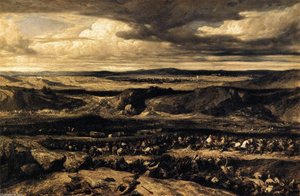
- Historical Grandeur: Decamps' ambition extended beyond individual scenes; he tackled monumental historical canvases like The Defeat of the Cimbri, capturing the chaos and brutality of battle with dynamic energy and masterful brushwork. His ability to convey scale and movement cemented his reputation as a leading exponent of Romantic painting.
- The Desert’s Embrace: However, Decamps' true genius lay in his exploration of Oriental life—scenes rendered with remarkable fidelity that initially confounded critics accustomed to romanticized portrayals. He presented everyday vignettes—markets, schools, domestic interiors—with an unwavering dedication to capturing the subtleties of cultural traditions and conveying a profound understanding of human psychology.
A Founding Father of Orientalism: Influence and Legacy
Decamps is rightfully considered the founding father of Orientalism in French painting. Before him, depictions of the East were often filtered through fantasy and exoticism—a stylistic convention that Decamps decisively rejected. He championed a more objective approach, prioritizing direct observation and genuine curiosity as guiding principles for artistic endeavor.- Maximilian Liebermann’s Praise: Maximilian Liebermann famously dubbed Decamps “Christopher Columbus of the Orient,” recognizing his pioneering role in opening up this unexplored artistic territory. His stylistic innovations—characterized by bold brushstrokes, striking contrasts of light and shadow, and a palpable sense of atmosphere—became a benchmark for generations of painters.
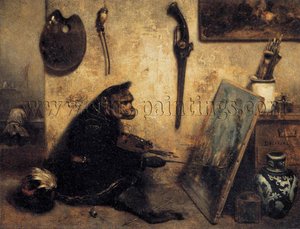
- Notable Works: Among Decamps’ most celebrated paintings are Incendie d'un village italien (1853), depicting a dramatic fire scene with masterful impasto; A Bedouin and a Camel Resting in a Desert (1860), capturing the tranquility of desert life with exquisite detail; The Monkey Connoisseurs (1854), a satirical commentary on the Académie des Beaux-Arts’ jury; and Albanian Dancer (1831), showcasing vibrant colors and energetic movement.
- Enduring Recognition: Decamps' legacy continues to inspire artists today. His works reside in prestigious institutions such as the Musée du Louvre, ensuring that his vision persists—a testament to his enduring contribution to French art history.
A Tragic End and An Unforgettable Artistic Vision
Tragically, Decamps’ life was cut short on August 22, 1860, following a hunting accident near Fontainebleau. Despite his untimely demise, Alexandre Gabriel Decamps' artistic output remains profoundly influential—a beacon of innovation and authenticity that transcends time.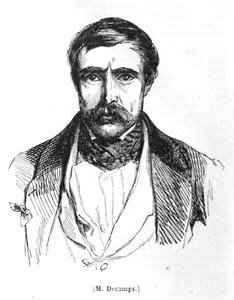
Alexandre Gabriel Decamps
1803 - 1860 , Frankreich
Kurzinfos
- Artistic Movement Or Style: Orientalismus
- Artists Or Movements Influenced By This Artist: ['Orientalismus']
- Artists Who Influenced This Artist: ['Eugène Delacroix']
- Date Of Birth: 3. März 1803
- Full Name: Alexandre Gabriel Decamps
- Nationality: Französisch
- Notable Artworks:
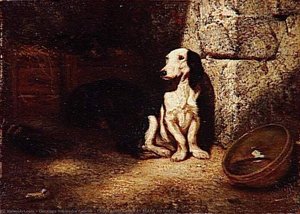
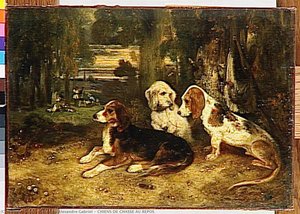
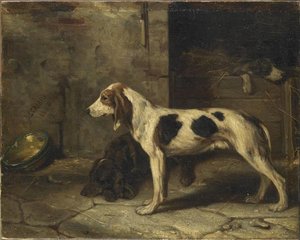
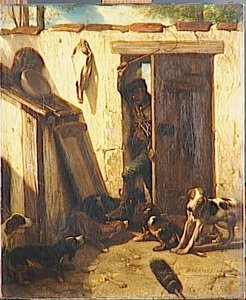
- CHIENS BRIFAUTS
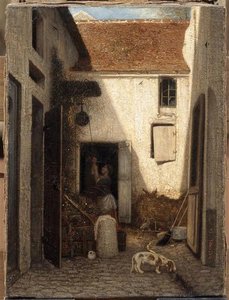
- LA COUR DE FERME
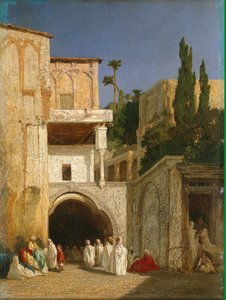
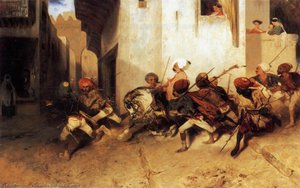
- L’École Turque
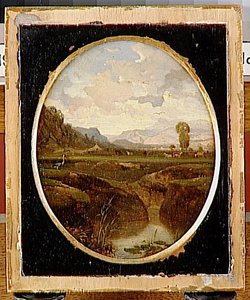
- Paysage Turc
- Place Of Birth: Paris, Frankreich
Ähnliche Artikel
Harmonie der Gegensätze: Die Integration zeitgenössischer Kunst in klassische Interieurs für eine zeitlose Ästhetik
Harmonische Integration zeitgenössischer Kunst in klassische Interieurs – Expertenratgeber für stilvolle Wohndekoration. Entdecken Sie, wie Sie mit hochwertiger Kunst Ihr Zuhause veredeln! Jetzt lesen.
Harmonie zwischen Geschichte und Farbton: Ein Leitfaden zur Abstimmung von Kunststilen auf Innenarchitektur für ausgewogene Dekorationen
Entdecken Sie, wie Kunstgeschichte Ihre Innenräume harmonischer gestaltet! Experten-Ratgeber für die Auswahl passender Stile & Kunstreproduktionen von ArtsDot. Jetzt lesen!
The Resonance of Place: Contextual Art Design for Harmonious Interior Spaces
Discover how expert art curation transforms interiors into harmonious spaces. Elevate your home with personalized selections & the guidance of a dedicated art concierge at ArtsDot.com.
Jenseits vergänglicher Trends: Die Kultivierung zeitloser Innenästhetik durch Renaissance-Reverie, Impressionistisches Licht und Pop Art-Vibranz
Entdecken Sie, wie Renaissance-Eleganz, Impressionistisches Licht & Pop Art-Vibranz zeitlose Innenräume schaffen! Expertenrat für Luxus-Inneneinrichtung und individuelle Kunstberatung. Jetzt lesen!
Kunst und Emotion: Innenräume durch Atmosphäre und Stimmung gestalten
Entdecken Sie die Macht der Farben für Ihr Zuhause! Expertenwissen zur Farbpsychologie & individuelle Kunstlösungen von – für emotionale Innenräume, die begeistern.