

 Vorschau anzeigen
 Versenden
 Teilen
 Details anzeigen

 Herunterladen
 Ähnliche Objekte
 Röntgenaufnahme
 Diashow
 Statistiken
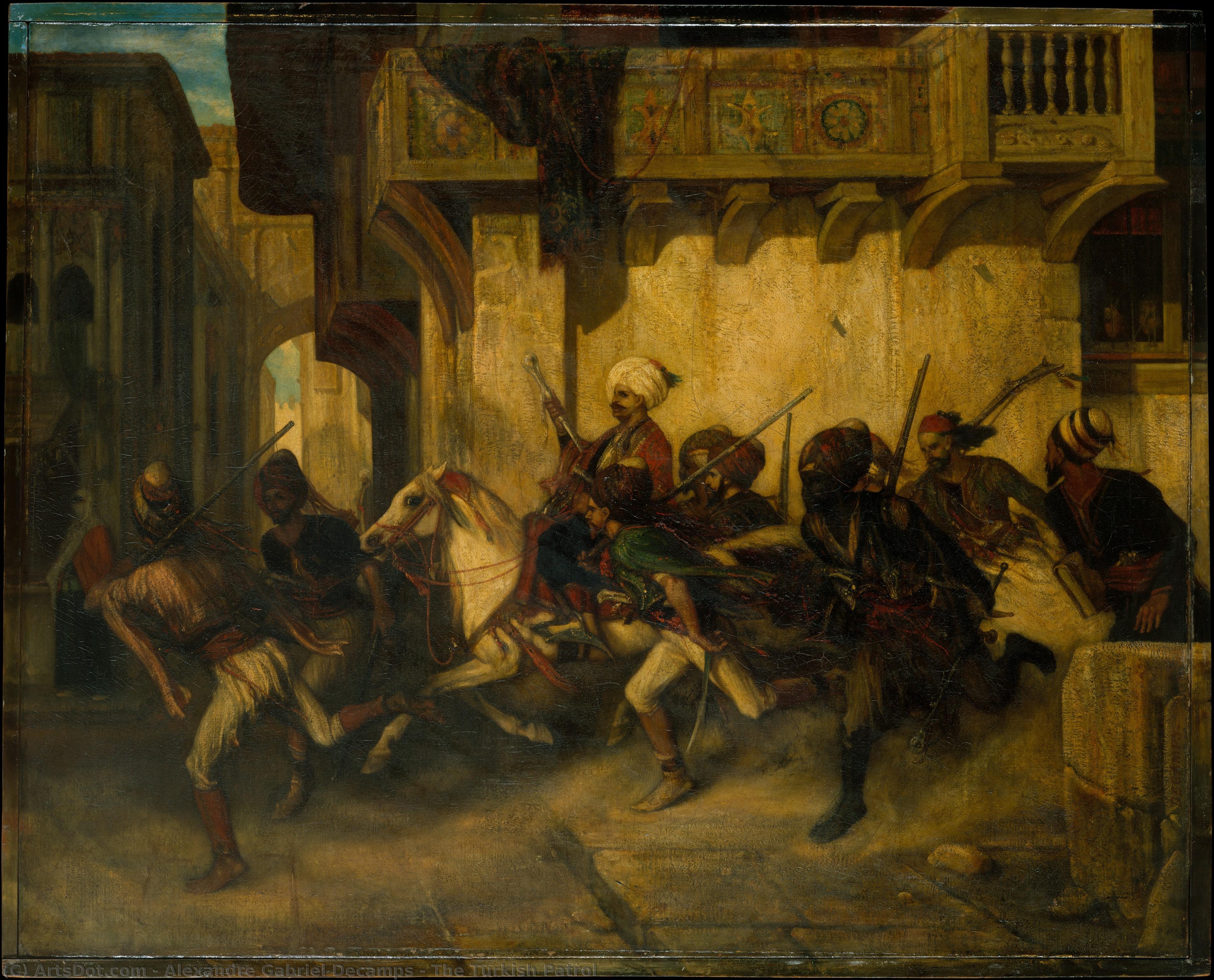
The Turkish Patrol
 Oil On Canvas
- WallArt
- Orientalism
 19th Century
 74.0 x 92.0 cm
 Weiterlesen
Erwerben Sie ein hochauflösendes, optimiertes digitales Bild, das der Online-Vorschau weit überlegen ist.
Jede Datei wird von unseren hauseigenen Spezialisten mit modernsten Werkzeugen und fachmännischer manueller Retusche sorgfältig vorbereitet. Wir stellen sicher, dass jedes Bild eine außergewöhnliche Klarheit, präzise Farbgenauigkeit und feinste Details aufweist.
Die endgültige Datei wird innerhalb von 72 Stunden per E-Mail zugestellt und ist für den sofortigen Einsatz in professionellen, redaktionellen und Druckumgebungen optimiert. Es handelt sich um dieselbe Qualität, der führende Designstudios, Verlage und Galerien vertrauen.
Digitales Bild
Laden Sie eine hochauflösende Datei für die persönliche Präsentation, den Druck und kreative Projekte herunter. ( Zu Druck wechseln Handgemalte Reproduktion bestellen)
In jeder Bestellung digitaler Bilder enthalten
Professionelle digitale Bereitstellung, garantiert
Wenn Sie sich für ArtsDot.com entscheiden, erhalten Sie nicht nur ein Bild – Sie erhalten ein professionell aufbereitetes digitales Kunstwerk, das mit höchster Präzision erstellt und durch eine Zufriedenheitsgarantie abgesichert wird. Hier ist alles, was automatisch mit Ihrer Bestellung geliefert wird:

Schnelle E-Mail-Zustellung
Ihre hochauflösende digitale Bilddatei wird Ihnen innerhalb von 72 Stunden nach der Bestellung per E-Mail zugestellt – bereit zur sofortigen Verwendung.

KI-optimierte digitale Datei
Ihre Kunstwerke werden professionell mithilfe fortschrittlicher KI-Tools und manueller Bearbeitung optimiert, um maximale Detailtreue, Klarheit und Farbgenauigkeit zu gewährleisten.

Lebenslanger kostenloser Neudruckservice
Datei versehentlich gelöscht oder verloren? Keine Sorge – wir senden sie Ihnen jederzeit kostenlos erneut zu.

Keine Einfuhrgebühren – jemals
Genießen Sie Ihr Kunstwerk sofort ohne Zollgebühren, Einfuhrabgaben oder Versandkosten – digitale Downloads sind immer steuerfrei.

Garantierte Farbtreue
Wir garantieren, dass Ihr digitales Bild mithilfe professioneller Werkzeuge und Farbmanagement die Originalfarben so präzise wie möglich wiedergibt.

100-Tage-Zufriedenheitsgarantie
Wenn Sie mit Ihrem digitalen Bild nicht zufrieden sind, werden wir es überarbeiten oder 100% innerhalb von 100 Tagen erstatten – ohne Wenn und Aber.

100% Geld-zurück-Garantie
Nicht zufrieden? Erhalten Sie innerhalb von 100 Tagen nach Erhalt Ihrer digitalen Datei eine vollständige Rückerstattung – ohne Wenn und Aber.

Rabatte bei Großbestellungen
3 Bilder kaufen, 10% sparen – 5 Bilder kaufen, 15% sparen – Ab 10 Bildern 20% sparen. Ideal für kreative Projekte, Galerien und Agenturen.
A Journey Through the Streets of Smyrna
In the evocative masterpiece The Turkish Patrol, Alexandre Gabriel Decamps invites us to step through a window into the vibrant, sun-drenched streets of 19th-century Smyrna. This captivating scene captures a moment of rhythmic movement as Turkish military patrols make their rounds, bringing the bustling energy of the Ottoman Empire directly to the viewer. The painting is far more than a mere historical record; it is a cinematic glimpse into a world of tradition and duty. As we gaze upon the riders, we see the intricate details of their attire—the heavy folds of traditional garments and the striking presence of turbans—which ground the scene in a profound sense of place. Decamps masterfully orchestrates a composition where horses and men move in a choreographed dance of preparation, suggesting a tension that lingers just beneath the surface of this everyday patrol.
The atmosphere is thick with the spirit of Romanticism, characterized by a dramatic interplay of light and shadow that breathes life into every corner of the canvas. Decamps utilizes a rich, textured technique, employing visible brushstrokes and a masterful use of impasto to create depth and tactile reality. The glint of sunlight on a polished sword, the dusty haze rising from the street, and the varied textures of fabric and leather all contribute to an immersive sensory experience. This painterly approach does not merely depict a scene; it evokes the heat, the noise, and the very scent of the marketplace. For the discerning collector or interior designer, such a piece offers a profound sense of movement and historical weight, making it a commanding focal point that commands attention in any sophisticated setting.
The Pioneer of Orientalist Vision
To understand the soul of The Turkish Patrol, one must look to the legacy of its creator, Alexandre Gabriel Decamps. As a pioneer of the Orientalist movement, Decamps broke away from the rigid constraints of academic tradition to embrace the exotic and the everyday. His travels to the Middle East provided him with a wealth of authentic imagery that allowed him to move beyond mere fantasy, instead offering a nuanced, observational window into Eastern life. This specific work serves as a late, refined variant of his celebrated 1831 subject, demonstrating how an artist can revisit and deepen their emotional connection to a theme over time. The painting carries the prestige of its provenance, having once belonged to John Taylor Johnston, the first president of The Metropolitan Museum of Art, marking it as a work of significant historical and cultural importance.
Beyond its technical brilliance, the artwork resonates with a timeless emotional complexity. There is a palpable sense of narrative tension—a feeling that these warriors are caught in a fleeting moment between the routine of a patrol and the sudden onset of conflict. The presence of spears, guns, and swords serves as a subtle reminder of the underlying strength and vigilance inherent in this military procession. For those seeking to adorn a space with art that tells a story, The Turkish Patrol offers an unparalleled opportunity. It is a piece that bridges the gap between the historical past and the contemporary present, providing a sophisticated layer of cultural depth and an enduring sense of adventure to any curated collection.
Ähnliche Kunstwerke


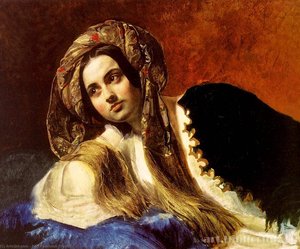
Biografie des Künstlers
Alexandre Gabriel Decamps (1803–1860): A Pioneer of Orientalist Visions
Alexandre Gabriel Decamps, a name resonating with the vibrant hues of exotic landscapes and the dramatic flair of Romanticism, emerged as a pivotal figure in 19th-century French painting. Born in Paris on March 3, 1803, his artistic journey was one of bold innovation, challenging academic conventions and forging a path toward what would become known as Orientalism. While contemporaries like Delacroix and Ingres also held prominent positions within the French art world, Decamps distinguished himself through an intensely personal style—a blend of meticulous observation, dramatic composition, and a captivating narrative quality that drew viewers into worlds both familiar and utterly foreign. His early recognition as a talented artist foreshadowed a career marked by critical acclaim, culminating in the grand or council medal at the Paris Exhibition of 1855, a testament to his exceptional skill and unique vision. Beyond the canvas, Decamps was a man deeply connected to nature, finding solace and inspiration in the countryside surrounding Paris, where he indulged his passion for animals and field sports—a fondness that would subtly permeate much of his artistic output.- Early Life and Artistic Training: Decamps’ formative years were spent honing his skills under the tutelage of Étienne Bouhot, a respected architect, before transitioning to Alexandre Abel de Pujol’s atelier, where he absorbed the tenets of academic painting. However, Decamps quickly recognized that strict adherence to tradition stifled creativity, prompting him to pursue an independent artistic path characterized by a fascination with capturing the essence of nature.
- Travels and Inspiration: A pivotal moment in Decamps’ artistic development arrived with his expeditions to Switzerland and Italy. These journeys fueled his imagination and instilled in him a profound appreciation for landscape painting, influencing his stylistic choices and establishing a cornerstone of his oeuvre. Notably, he meticulously documented the flora and fauna of these regions, preparing detailed sketches that served as invaluable references for his future paintings.
- Orientalism Takes Root: Decamps’ groundbreaking Salon exhibition of 1831 irrevocably altered the trajectory of French art history. His depiction of Smyrna—a bustling port city in Ottoman Turkey—challenged prevailing stereotypes and presented a remarkably honest portrayal of daily life, capturing the atmosphere, light, and textures with unprecedented realism. This pioneering approach resonated deeply with fellow artists and writers, sparking a fervent interest in Oriental themes that would dominate the artistic landscape for decades to come.
The Evolution of an Artistic Style: From Biblical Narratives to Desert Landscapes
Initially drawn to historical and biblical scenes—particularly depictions of Joshua’s victory over the Ammonites—Decamps skillfully grounded these narratives in authentic local settings, rejecting idealized representations favored by his contemporaries. This commitment to verisimilitude stemmed from his extensive travels to the East, where he immersed himself in observing cultural traditions and capturing the nuances of human experience. Joseph Sold by His Brethren, for example, is not merely an illustration of a biblical tale but a vivid portrayal of a specific time and place, imbued with emotional depth and psychological insight—a hallmark of Decamps’ distinctive artistic vision. He didn't simply depict what he saw; he conveyed a feeling for the atmosphere, the light, and the very essence of these distant lands.- Biblical Drama: Decamps’ early works showcased his mastery of dramatic composition and theatrical lighting—techniques honed during his formative years under Pujol. His meticulous attention to detail ensured that biblical narratives resonated with palpable emotion, transporting viewers into the heart of the depicted events.
- Historical Grandeur: Decamps' ambition extended beyond individual scenes; he tackled monumental historical canvases like The Defeat of the Cimbri, capturing the chaos and brutality of battle with dynamic energy and masterful brushwork. His ability to convey scale and movement cemented his reputation as a leading exponent of Romantic painting.
- The Desert’s Embrace: However, Decamps' true genius lay in his exploration of Oriental life—scenes rendered with remarkable fidelity that initially confounded critics accustomed to romanticized portrayals. He presented everyday vignettes—markets, schools, domestic interiors—with an unwavering dedication to capturing the subtleties of cultural traditions and conveying a profound understanding of human psychology.
A Founding Father of Orientalism: Influence and Legacy
Decamps is rightfully considered the founding father of Orientalism in French painting. Before him, depictions of the East were often filtered through fantasy and exoticism—a stylistic convention that Decamps decisively rejected. He championed a more objective approach, prioritizing direct observation and genuine curiosity as guiding principles for artistic endeavor.- Maximilian Liebermann’s Praise: Maximilian Liebermann famously dubbed Decamps “Christopher Columbus of the Orient,” recognizing his pioneering role in opening up this unexplored artistic territory. His stylistic innovations—characterized by bold brushstrokes, striking contrasts of light and shadow, and a palpable sense of atmosphere—became a benchmark for generations of painters.
- Notable Works: Among Decamps’ most celebrated paintings are Incendie d'un village italien (1853), depicting a dramatic fire scene with masterful impasto; A Bedouin and a Camel Resting in a Desert (1860), capturing the tranquility of desert life with exquisite detail; The Monkey Connoisseurs (1854), a satirical commentary on the Académie des Beaux-Arts’ jury; and Albanian Dancer (1831), showcasing vibrant colors and energetic movement.
- Enduring Recognition: Decamps' legacy continues to inspire artists today. His works reside in prestigious institutions such as the Musée du Louvre, ensuring that his vision persists—a testament to his enduring contribution to French art history.
A Tragic End and An Unforgettable Artistic Vision
Tragically, Decamps’ life was cut short on August 22, 1860, following a hunting accident near Fontainebleau. Despite his untimely demise, Alexandre Gabriel Decamps' artistic output remains profoundly influential—a beacon of innovation and authenticity that transcends time.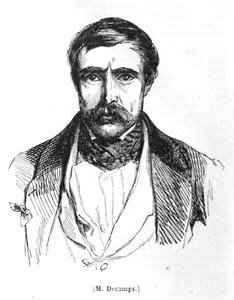
Alexandre Gabriel Decamps
1803 - 1860 , Frankreich
Kurzinfos
- Artistic Movement Or Style: Orientalismus
- Artists Or Movements Influenced By This Artist: ['Orientalismus']
- Artists Who Influenced This Artist: ['Eugène Delacroix']
- Date Of Birth: 3. März 1803
- Full Name: Alexandre Gabriel Decamps
- Nationality: Französisch
- Notable Artworks:
- CHIENS BRIFAUTS
- LA COUR DE FERME
- L’École Turque
- Paysage Turc
- Place Of Birth: Paris, Frankreich