

 Vorschau anzeigen
 Versenden
 Teilen
 Details anzeigen

 Herunterladen
 Ähnliche Objekte
 Röntgenaufnahme
 Diashow
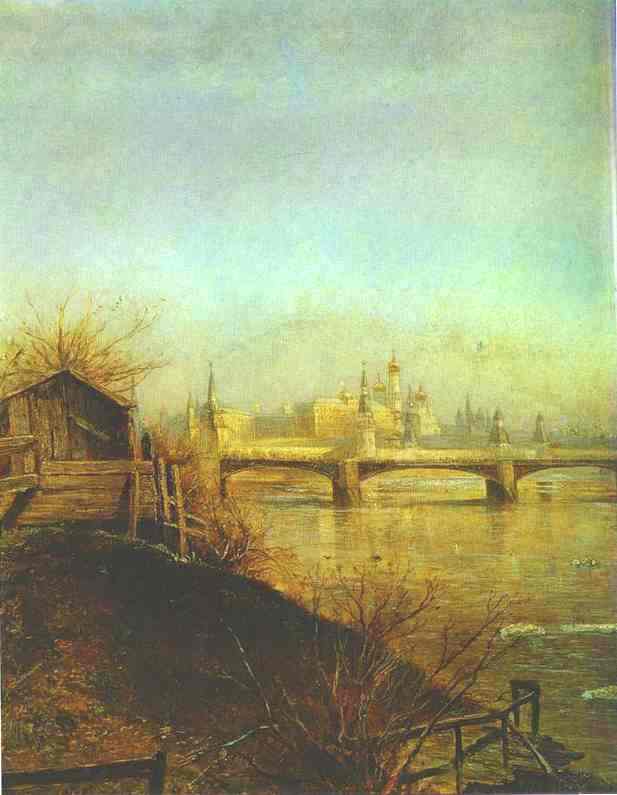
View of the Moscow Kremlin. Spring


 Weiterlesen
Giclée / Kunstdruck
Giclée- oder Leinwanddruck in Museumsqualität mit schneller Produktion und flexiblen Veredelungsoptionen. ( Handgemalte Reproduktion bestellen Bild kaufen)




P118B $10

P118H $10

P118W $10

P438Z $10

P508JH $12

P508YH $12

P805H $10

P805Z $10

P919BZ $10

P919G $10

P919XJ $10

P959ZH $10

P968JZ $12

W106C $8

W218G $10

W218JH $8

W218Y $10

W307PJ $10

W316G $10

W316PJ $8

W316Y $10

W398PJ $8

W4111J $10

W500HY $15

W500JH $15

W692G $12

W849H $8

W940BG $15

W953PJ $8




Wählen Sie aus unseren vordefinierten Formaten, die den ursprünglichen Proportionen des Kunstwerks entsprechen.

Sie können Ihre eigenen Maße eingeben, um ein bestimmtes Format oder einen speziellen Platz einzupassen. Wenn das von Ihnen gewählte Format nicht den Proportionen des Originalbildes entspricht, werden wir das Kunstwerk entweder beschneiden oder das Bild mit einem gespiegelten oder einfarbigen Rand erweitern. Ein digitaler Entwurf wird Ihnen zur Genehmigung zugesandt, bevor die Produktion beginnt.
Bitte beachten Sie, dass die Vorschau auf dem Bildschirm nicht den tatsächlichen Zuschnitt oder die Erweiterung widerspiegelt. Nur der Entwurf zeigt die endgültige Komposition präzise an.
Obwohl Sondermaße verfügbar sind, empfehlen wir die Auswahl eines Maßes aus der vordefinierten Liste, um die ursprünglichen Proportionen zu bewahren.
Weltweiter Versand () innerhalb von 2 Wochen statt der üblichen 4/5 Wochen. (23 August)

Kostenloser weltweiter Expressversand

Hochwertige Leinenleinwand

Umfassender Versicherungsschutz beim Versand

Zollgebühren-Rückerstattungsgarantie

Garantie für exakte Farbtreue

60 Tage Rückgaberecht (nur bei Mängeln)

100% Geld-zurück-Garantie

Mengenrabatt verfügbar
 Die Glasoption ist nur für Größen unter 110 cm verfügbar.

View of the Moscow Kremlin. Spring
Giclée / Kunstdruck
Format der Reproduktion
-


Gesamtpreis
$ 62
Sammlerstück-Beschreibung
A Frozen Moment in Time: Savrasov’s “View of the Moscow Kremlin”
Alexei Kondratyevich Savrasov's "View of the Moscow Kremlin. Spring," painted in 1873, isn’t merely a depiction of a cityscape; it’s a profound meditation on the ephemeral beauty of nature and the enduring spirit of Russia. This iconic landscape transcends simple representation, embodying the burgeoning “lyrical landscape” movement that sought to capture not just the visual appearance of a scene but also its emotional resonance – a feeling deeply rooted in the Russian soul. Savrasov, born in Moscow in 1830, wasn’t interested in grand historical narratives or idealized vistas; instead, he focused on the quiet poetry of everyday life and the subtle shifts of the natural world.
The painting immediately draws the eye to a bridge gracefully spanning a river, reflecting the majestic silhouette of the Moscow Kremlin. The architecture itself is rendered with remarkable detail – the imposing towers, the sturdy walls, and the intricate stonework all speak to the power and resilience of this ancient seat of Russian governance. However, it’s not the rigid formality of the fortress that dominates the scene; rather, it's the vibrant interplay between man-made structure and the burgeoning life of springtime. The foreground is alive with a delicate dance of light and shadow, hinting at the warmth of the season yet retaining an underlying stillness, a sense of contemplative observation.
The Language of Lyrical Landscape
Savrasov’s approach aligns perfectly with the tenets of lyrical landscape painting. Rejecting the academic traditions that emphasized precise detail and dramatic perspective, he prioritized atmosphere and mood. He achieved this through masterful use of color – muted blues and greens dominate the palette, creating a sense of tranquility and depth. The subtle gradations of light, particularly in the reflections on the water, evoke a feeling of shimmering stillness. Notice how the artist uses broken brushstrokes to suggest texture and movement without resorting to overly detailed rendering; this technique contributes significantly to the painting’s dreamlike quality.
The inclusion of two birds soaring above the river adds a touch of lightness and dynamism to the scene, symbolizing hope and renewal. They are not merely decorative elements but integral components of the composition, subtly enhancing the feeling of springtime's arrival. The bridge itself acts as a visual anchor, drawing the viewer’s eye into the heart of the painting and inviting contemplation of the relationship between nature and civilization.
Historical Context and Artistic Influences
“View of the Moscow Kremlin” was painted during a period of significant social and political change in Russia. The late 19th century witnessed growing calls for reform and a renewed interest in Russian national identity. Savrasov’s work reflects this sentiment, celebrating the beauty of the Russian countryside while subtly hinting at the challenges facing the nation. His artistic journey was shaped by exposure to both Russian traditions and Western European masters – particularly John Constable and Alexandre Calame, whose ability to capture atmospheric effects deeply influenced his style.
Savrasov’s connection to the Peredvizhniki (Wanderers), a group of realist artists who championed social justice and rural life, is also noteworthy. While he didn't explicitly engage in overtly political themes, his focus on the everyday experiences of ordinary people and his celebration of the Russian landscape resonated with the values of this influential artistic movement. His work stands as a testament to the power of observation and the ability to find beauty in the simplest of scenes.
A Timeless Masterpiece: Reproduction and Beyond
“View of the Moscow Kremlin. Spring” remains one of Savrasov’s most beloved works, capturing the essence of Russian identity and the enduring appeal of nature's beauty. Today, high-quality reproductions offer a remarkable opportunity to bring this timeless masterpiece into your home or office. Whether you choose an original canvas print or a meticulously crafted giclée reproduction, you can experience the painting’s evocative atmosphere and profound emotional impact firsthand. Consider how the muted colors and subtle details will complement your existing décor, creating a space that is both serene and inspiring.
Explore available reproductions at ArtsDot and discover the perfect way to celebrate this iconic work of Russian art.
Ähnliche Kunstwerke
Über den Künstler
Alexei Kondratyevich Savrasov: The Poet of Russian Landscape
Alexei Kondratyevich Savrasov (1830-1897) stands as a monumental figure in the history of Russian art, recognized primarily for establishing what is known as “lyrical landscape” – a genre that prioritized emotional resonance and atmospheric nuance over mere topographical accuracy. He wasn’t simply depicting scenery; he was conveying feeling, capturing the soul of Russia itself within canvases imbued with profound beauty and melancholy. Savrasov's artistic journey began in Moscow, where he was born into a merchant family—a formative experience that instilled in him an appreciation for observation and detail. Early artistic inclinations were nurtured by Professor Rabus at the Moscow School of Painting, Sculpture and Architecture (MSPSA), where he graduated in 1850 and immediately dedicated himself to mastering landscape painting – a field undergoing significant transformation during his time.- Early Influences: Savrasov’s formative years were marked by exposure to Romantic ideals prevalent at the time, notably influenced by artists like John Constable and Alexandre Calame who championed capturing atmospheric effects and conveying emotion through visual representation.
- Ukrainian Travels: In 1852, he embarked on a journey to Ukraine, absorbing its expansive steppes and honing his skills in portraying vast landscapes with sensitivity and precision.
- St Petersburg Engagement: Grand Duchess Maria Nikolayevna’s patronage brought him to St. Petersburg in 1854, placing him within the epicenter of Russia's artistic milieu and securing a prestigious teaching position at MSPSA—a role that profoundly shaped his artistic development and nurtured collaborations with future luminaries like Isaac Levitan and Konstantin Korovin.
The Birth of Lyrical Landscape
Savrasov’s artistic breakthrough arrived in the 1860s, coinciding with his travels across Europe – particularly England—where he encountered the groundbreaking work of Constable and Calame. These encounters spurred him to abandon overtly picturesque conventions and embrace a radically different aesthetic: “mood landscape.” Unlike academic art's focus on grand vistas and idealized forms, Savrasov sought to distill the essence of nature into its most poignant expressions. He deliberately avoided theatrical compositions or panoramic views, opting instead for scenes that captured subtle shifts in light and color—moments of quiet contemplation infused with emotion. This stylistic innovation resonated deeply within the burgeoning “Peredvizhniki” (Wanderers) movement – a collective dedicated to realist art imbued with social commentary – marking Savrasov as one of its founding fathers and propelling him to artistic prominence.- The Significance of Detail: Savrasov’s technique was characterized by meticulous observation and painstaking rendering—a hallmark of his approach to subjects like birch trees, frozen ponds, and winter landscapes.
- Collaboration with Vasily Perov: His friendship with Vasily Perov proved invaluable, fostering mutual inspiration and collaborative projects that solidified Savrasov's reputation as a master craftsman and visionary artist.
“The Rooks Have Returned”: A Masterpiece of Emotion
Among Savrasov’s oeuvre, *The Rooks Have Returned* (1871) stands as his undisputed masterpiece—a painting that encapsulates the very spirit of lyrical landscape and cemented his legacy as Russia's foremost exponent of this distinctive style. Far from merely depicting a picturesque scene, Savrasov sought to convey an emotional experience—the transformative beauty of spring’s arrival—expressed through deceptively simple elements: rooks returning to their nests amidst birch trees against the backdrop of thawing snow. Critics hailed it as the genesis of “mood landscape,” recognizing its ability to capture the intangible essence of nature and human emotion with unparalleled grace. The painting's enduring appeal lies in its profound psychological depth, reflecting Savrasov’s own artistic philosophy—a belief that true beauty resides not in grand spectacle but in quiet contemplation and subtle nuance.- Symbolism and Atmosphere: Savrasov skillfully employed symbolism—the returning rooks representing rebirth and renewal—to heighten the painting's emotional impact, creating an atmosphere of serene melancholy and anticipatory joy.
- Influence on Subsequent Artists: *The Rooks Have Returned* profoundly influenced generations of Russian artists who followed in Savrasov’s footsteps, establishing a tradition of lyrical realism that continues to inspire artistic creativity today.
A Tragic End and Lasting Legacy
Despite his artistic triumphs, Savrasov's personal life was marred by sorrow—the untimely death of his daughter in 1871 triggering a period of debilitating grief and exacerbating his struggles with alcoholism. This crisis profoundly impacted his artistic output, leading to a decline in productivity and marking the end of his creative fervor. Dismissed from MSPSA in 1882, he endured a bleak existence marked by poverty and isolation—a poignant reminder that even the most brilliant artist is susceptible to human vulnerability. Yet, Savrasov persevered in painting until his final days, producing evocative works that reflected his inner turmoil—a testament to his unwavering dedication to art despite adversity. His funeral in 1897 was attended by a select few loyal friends—including Pavel Tretyakov—who recognized and honored Savrasov’s enduring contribution to Russian artistic heritage. Alexei Kondratyevich Savrasov's legacy transcends mere stylistic innovation; he remains an emblem of Russia’s poetic spirit, forever enshrined in canvases that capture the sublime beauty of the natural world and the profound depths of human emotion.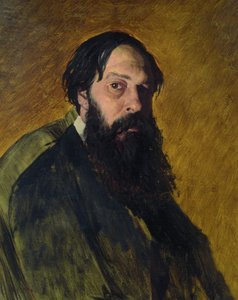
Alexei Kondratjewitsch Savrasow
1830 - 1897 , Russland
Kurzinfos
- Artistic Movement Or Style: Lyrischer Landschaftsstil
- Artists Or Movements Influenced By This Artist: ['Isaac Levitan']
- Artists Who Influenced This Artist:
- John Constable
- Alexandre Calame
- Date Of Birth: Mai 24, 1830
- Date Of Death: Oktober 8, 1897
- Full Name: Alexei Kondratyevich Savrasov
- Nationality: Russisch
- Notable Artworks:
- Die Raben sind zurück
- Ausblick auf den Kreml von der Krymsky Brücke
- Winter Nacht
- Place Of Birth: Moskau, Russland
Ähnliche Artikel
Aleksey Savrasov: The Poetic Realism That Defined Russian Landscape Painting
Explore the poetic realism of Aleksey Savrasov, founder of Russian lyrical landscape painting. Discover his masterpieces like 'The Rooks Have Returned' and learn about his lasting influence on 19th-century art. ArtsDot offers high-quality reproductions.

Romantische Landschaften: Die 10 Meisterwerke, die eine Epoche prägten | ArtsDot
Entdecken Sie die 10 Meisterwerke der Romantischen Landschaftsmalerei! Von Caspar David Friedrich bis Turner – erleben Sie die Kunst, Emotion & Natur. Hochwertige Reproduktionen auf ArtsDot.com

Evocations of Place: A Historical Journey Through Landscape Art
Explore the rich history of landscape art with ArtsDot. Discover renowned artists, movements like Impressionism & Romanticism, and expert guidance for collecting timeless pieces. Find your perfect serene escape today!
Fyodor Vasilyev: A Poetic Vision of Russian Landscape – Life, Legacy, and the Transience of Nature
Explore the captivating world of Fyodor Vasilyev, a pioneering Russian landscape painter. Discover his lyrical style, influential works like 'Clouds' & lasting legacy. Learn about his life, artistic journey & impact on Russian art history.
Vasily Polenov: A Pioneer of Landscape Impressionism & Russian National Identity
Explore the captivating landscapes of Vasily Polenov, a pivotal figure in Russian art history. Discover his lyrical realism, biblical series & influence on Impressionism. Learn about the 'Knight of Beauty' and his enduring legacy.

