 Vorschau anzeigen
 Versenden
 Teilen
 Details anzeigen

 Herunterladen
 Ähnliche Objekte
 Röntgenaufnahme
 Diashow
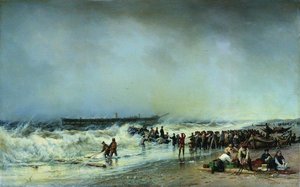
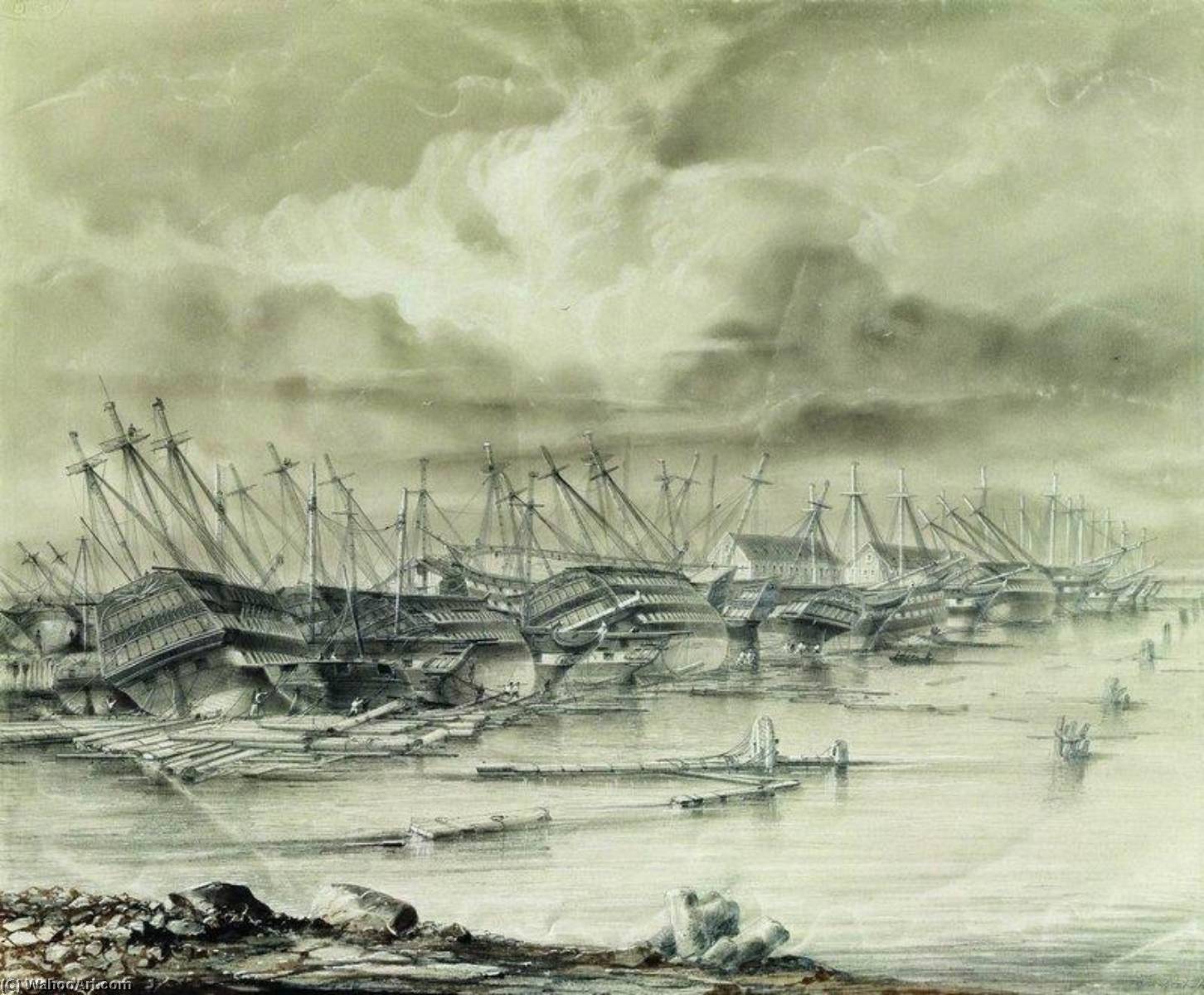
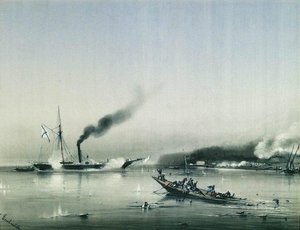
Kronstadt Harbour after the Flooding


 Weiterlesen
Giclée / Kunstdruck
Giclée- oder Leinwanddruck in Museumsqualität mit schneller Produktion und flexiblen Veredelungsoptionen. ( Handgemalte Reproduktion bestellen Bild kaufen)




P118B $10

P118H $10

P118W $10

P438Z $10

P508JH $12

P508YH $12

P805H $10

P805Z $10

P919BZ $10

P919G $10

P919XJ $10

P959ZH $10

P968JZ $12

W106C $8

W218G $10

W218JH $8

W218Y $10

W307PJ $10

W316G $10

W316PJ $8

W316Y $10

W398PJ $8

W4111J $10

W500HY $15

W500JH $15

W692G $12

W849H $8

W940BG $15

W953PJ $8




Wählen Sie aus unseren vordefinierten Formaten, die den ursprünglichen Proportionen des Kunstwerks entsprechen.

Sie können Ihre eigenen Maße eingeben, um ein bestimmtes Format oder einen speziellen Platz einzupassen. Wenn das von Ihnen gewählte Format nicht den Proportionen des Originalbildes entspricht, werden wir das Kunstwerk entweder beschneiden oder das Bild mit einem gespiegelten oder einfarbigen Rand erweitern. Ein digitaler Entwurf wird Ihnen zur Genehmigung zugesandt, bevor die Produktion beginnt.
Bitte beachten Sie, dass die Vorschau auf dem Bildschirm nicht den tatsächlichen Zuschnitt oder die Erweiterung widerspiegelt. Nur der Entwurf zeigt die endgültige Komposition präzise an.
Obwohl Sondermaße verfügbar sind, empfehlen wir die Auswahl eines Maßes aus der vordefinierten Liste, um die ursprünglichen Proportionen zu bewahren.
Weltweiter Versand () innerhalb von 2 Wochen statt der üblichen 4/5 Wochen. (29 August)

Kostenloser weltweiter Expressversand

Hochwertige Leinenleinwand

Umfassender Versicherungsschutz beim Versand

Zollgebühren-Rückerstattungsgarantie

Garantie für exakte Farbtreue

60 Tage Rückgaberecht (nur bei Mängeln)

100% Geld-zurück-Garantie

Mengenrabatt verfügbar
 Die Glasoption ist nur für Größen unter 110 cm verfügbar.

Kronstadt Harbour after the Flooding
Giclée / Kunstdruck
Format der Reproduktion
-


Gesamtpreis
$ 62
Alexei Petrovich Bogoliubov: Bridging Romanticism and Realism Through Turbulent Seas
Alexei Petrovich Bogoliubov (1824-1896), a name synonymous with the grandeur of 19th-century Russian landscape painting, wasn’t merely an artist; he was a conduit for capturing the raw emotion of his era. Born in Novgorod Gubernia, Russia, into a lineage steeped in military valor and intellectual discourse – his father a retired colonel, his maternal grandfather Alexander Radishchev—Bogoliubov's formative years instilled within him a dual appreciation for discipline and boundless imagination. This inherent balance would become the bedrock upon which he built his artistic legacy, propelling him to synthesize Romantic idealism with meticulous observation of the natural world. His early education at military school honed his analytical skills alongside fostering an inquisitive spirit, preparing him for service in the Imperial Russian Navy. These voyages weren’t simply expeditions across oceans; they were transformative experiences that exposed him to diverse cultures and landscapes—influences undeniably woven into the fabric of his artistic vision. The ceaseless windswept expanse of the Baltic Sea, particularly, served as a constant muse, inspiring canvases brimming with dramatic skies and turbulent waters. Bogoliubov’s fascination with maritime subjects stemmed from a deep respect for the power of nature and its ability to evoke profound feelings within the human soul—a sentiment powerfully conveyed in his oeuvre. Bogoliubov's artistic style leaned heavily toward Realism, albeit infused with Romantic sensibilities. He meticulously rendered textures – the cresting waves, the weathered timbers of ships – achieving astonishing accuracy while simultaneously channeling the emotive force characteristic of Romantic painters like Ivan Ayvazovsky and Charles-François Daubigny. Unlike Impressionists who sought to capture fleeting moments of light, Bogoliubov aimed for a more enduring portrayal of atmospheric conditions, meticulously depicting the interplay between sunlight and shadow to convey the drama of impending storms. This technique—characterized by layered brushstrokes and subtle gradations of color—allowed him to imbue his paintings with palpable energy and psychological depth. “Kronstadt Harbour after the Flooding,” painted in 1850, exemplifies Bogoliubov’s masterful command of this style. The scene depicts a harbor engulfed by a violent storm; boats bob precariously amidst towering waves, their masts straining against the gale-force winds. Dark clouds dominate the horizon, casting an ominous pall over the turbulent sea—a deliberate compositional choice designed to heighten the sense of unease and impending danger. Yet, amidst this chaos, Bogoliubov’s brushstrokes reveal a remarkable sensitivity to light and texture. The artist skillfully captures the glistening spray of seawater on the hulls of vessels and the churning foam of crashing waves, creating an illusion of movement that draws the viewer into the heart of the storm. The painting's symbolism resonates deeply with Romantic ideals—a preoccupation with sublime beauty intertwined with apprehension about mortality. Bogoliubov’s depiction of a tempestuous sea serves as a metaphor for the unpredictable forces shaping human destiny, mirroring the anxieties prevalent during his time. However, it is not merely fear that dominates the canvas; there’s also an undeniable sense of awe and wonder at the majesty of nature—a testament to Bogoliubov's belief in art’s capacity to inspire contemplation and elevate the spirit. “Kronstadt Harbour after the Flooding” remains a captivating masterpiece, embodying both Romantic passion and artistic precision—a timeless portrayal of the sublime rendered with unwavering dedication to realism.Ähnliche Kunstwerke
Über den Künstler
Frühes Leben und Ausbildung
Alexei Petrowitsch Bogoliubow wurde am 16. März 1824 in dem pomeranischen Dorf Nowgorod Gouvernia geboren. Sein Vater, Pjotr Gawrilowitsch Bogoliubow, war ein im Ruhestand befindlicher Oberstleutnant, und sein mütterlicher Großvater, Alexander Radischtschow, war ein bekannter Philosoph und Sozialkritiker. Im Jahr 1841 absolvierte Alexei die Militärschule und diente in der russischen Marine, wobei er viele Länder bereiste. Ab 1849 besuchte er Kurse an der Akademie für Künste St. Petersburg, wo er unter Maxim Worobjew studierte.Karriere und Einflüsse
Bogoliubow wurde stark von Iwan Aiwazowski, einem russischen Marine-Maler, beeinflusst. Im Jahr 1853 schloss er die Akademie mit einer großen Goldmedaille ab. Er trat vom Militärdienst zurück und wurde zum Künstler am Stab des Marineministeriums ernannt. Von 1854 bis 1860 reiste er durch Europa und arbeitete sehr produktiv. In Rom traf er Alexander Iwanow, der ihn davon überzeugte, sich stärker auf das Zeichnen zu konzentrieren. In Düsseldorf besuchte er Kurse bei Andreas Achenbach. In Paris bewunderte er die Künstler der Barbizon-Schule, darunter Camille Corot und Charles-François Daubigny.Wichtige Werke und Ausstellungen
Bogoliubows Gemälde zeichnen sich durch ihren Realismus und Romantik aus. Er ist bekannt für seine zahlreichen Landschaftsbilder und Meeresansichten, insbesondere seine Marinekampfszenen. Einige seiner bemerkenswerten Werke finden Sie auf ArtsDot.com. Er stellte seine Arbeiten in der Akademie für Künste aus und erhielt den Titel Professor. Im Jahr 1871 wurde er in die Akademie für Künste gewählt.Vermächtnis und spätere Jahre
Bogoliubow näherte sich der Wanderer-Kunstbewegung, nahm an allen ihren Ausstellungen teil. Er wurde Mitglied ihres Vorstands, hatte aber Bedenken hinsichtlich ihrer sozialen Ideen. Im Jahr 1873 trat er in Solidarität mit seinen Mitstreitern aus der Akademie zurück. Nach 1873 lebte Bogoliubow hauptsächlich in Paris aufgrund seiner Herzkrankheit. Sein Haus war wie eine russische Kolonie, mit häufigen Besuchern darunter Iwan Turgenew, Ilja Repin und Wassili Polenow. Für weitere Informationen über Bogoliubows Leben und Werk besuchen Sie seine Seite auf ArtsDot.com oder seine Wikipedia-Seite.- Alexei Petrowitsch Bogoliubow war ein russischer Landschafts- und Meeresmaler.
- Er wurde am 16. März 1824 in dem pomeranischen Dorf Nowgorod Gouvernia geboren.
- Sein Vater war Pjotr Gawrilowitsch Bogoliubow, ein im Ruhestand befindlicher Oberstleutnant.
- Sein mütterlicher Großvater war Alexander Radischtschow, ein bekannter Philosoph und Sozialkritiker.
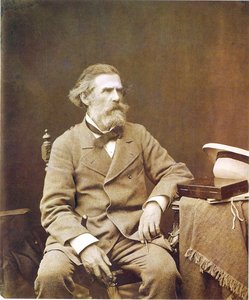
Alexei Petrowitsch Bogoljubow
1824 - 1896 , Russland
Kurzinfos
- Beeinflusste Künstler:
- Iwan Aiwazowski
- Camille Corot
- Charles-François Daubigny
- Bemerkenswerte Werke:
- Meeresansichten
- Schlachtgemälde
- Einfluss Auf Künstler: ['Wanderer Bewegung']
- Geburtsdatum: 16. März 1824
- Geburtsort: Pomeranie, Russland
- Künstlerische Richtung: Realismus, Romantik
- Nationalität: Russisch
- Todatum: 1896
- Vollständiger Name: Alexei Petrowitsch Bogoliubow
Ähnliche Artikel
The Allure of the Horizon: A Comprehensive Exploration of Seascape Art Through History & Emotion
Explore the captivating world of seascape art! Discover its history, key artists & movements – from Dutch Masters to Impressionism. Expert insights for collectors and enthusiasts at ArtsDot.
Ivan Bilibin: A Synthesis of Folklore, Modernism & National Identity in Russian Illustration
Explore the enchanting world of Ivan Bilibin, a master Russian illustrator who synthesized folklore, Art Nouveau & national identity. Discover his iconic fairy tale illustrations and legacy with ArtsDot.
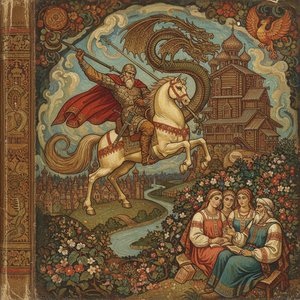
Victor Vasnetsov: Myth, Nationalism & the Revival of Russian Fairy Tale Painting
Explore the captivating world of Victor Vasnetsov, a co-founder of Russian folklorist painting. Discover his iconic works, influence on national identity, and lasting legacy in this expert guide.
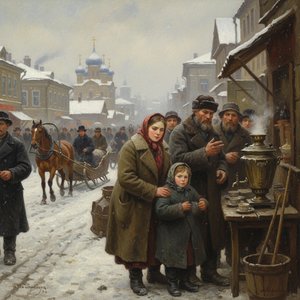
Vladimir Makovsky: Realism, Social Commentary & Russian Life in Late 19th-Century Painting
Explore the captivating world of Vladimir Makovsky, a leading Russian realist painter. Discover his insightful depictions of 19th-century life, social commentary & legacy with ArtsDot.
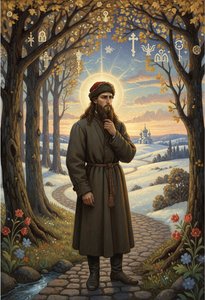
Mikhail Nesterow: Spirituelle Suche und symbolische Landschaften des russischen Symbolismus
Entdecken Sie Mikhail Nesterows faszinierende Werke des russischen Symbolismus! Analysen religiöser Motive, philosophische Einflüsse & sein Vermächtnis. Expertenwissen auf ArtsDot.