 Vorschau anzeigen
 Versenden
 Teilen
 Details anzeigen

 Herunterladen
 Ähnliche Objekte
 Röntgenaufnahme
 Diashow
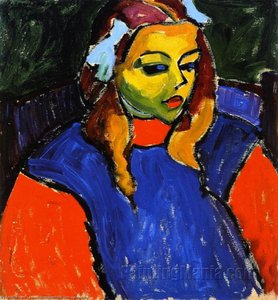
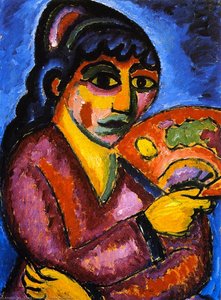
Girl with Blue Eyes and Two Plaits


 Weiterlesen
Handgefertigte Ölreproduktion
Handgemaltes Ölgemälde auf Leinwand in Ihrer Wunschgröße und mit Rahmen, auf Bestellung von unseren Künstlern angefertigt. ( Druck bestellen Bild kaufen)




P118B $10

P118H $10

P118W $10

P438Z $10

P508JH $12

P508YH $12

P805H $10

P805Z $10

P919BZ $10

P919G $10

P919XJ $10

P959ZH $10

P968JZ $12

W106C $8

W218G $10

W218JH $8

W218Y $10

W307PJ $10

W316G $10

W316PJ $8

W316Y $10

W398PJ $8

W4111J $10

W500HY $15

W500JH $15

W692G $12

W849H $8

W940BG $15

W953PJ $8




Wählen Sie aus unseren vordefinierten Formaten, die den ursprünglichen Proportionen des Kunstwerks entsprechen.

Sie können Ihre eigenen Maße eingeben, um einen bestimmten Rahmen oder Platz auszufüllen. Wenn die gewählte Größe nicht den Proportionen des Originalbildes entspricht, werden wir das Kunstwerk entweder beschneiden oder das Gemälde durch zusätzliche, handgemalte Elemente erweitern. Ein digitales Mockup wird Ihnen zur Genehmigung zugesandt, bevor die Produktion beginnt.
Bitte beachten Sie, dass die Bildschirmvorschau nicht die tatsächliche Beschneidung oder Erweiterung widerspiegelt. Nur das Mockup zeigt die endgültige Komposition exakt an.
Obwohl Sondermaße verfügbar sind, empfehlen wir, eine Größe aus der vordefinierten Liste zu wählen, um die ursprünglichen Proportionen beizubehalten.
Nach der Bestellung wird das ArtsDot.com-Team dem Kunden Anweisungen per E-Mail zusenden und eine Mockup-Vorschau bereitstellen.
Weltweiter Versand () in nur 3 bis 4 Wochen statt der üblichen 5 Wochen. (27 August). Keine Kompromisse bei der Qualität.

Kostenloser weltweiter Expressversand

Hochwertige Leinenleinwand

Umfassender Versicherungsschutz beim Versand

Zollgebühren-Rückerstattungsgarantie

Garantie für exakte Farbtreue

60 Tage Rückgaberecht (nur bei Mängeln)

100% Geld-zurück-Garantie

Mengenrabatt verfügbar
 Die Glasoption ist nur für Größen unter 110 cm verfügbar.

Girl with Blue Eyes and Two Plaits
Art der Reproduktion
Format der Reproduktion
-


Gesamtpreis
$ 263
Alexej von Jawlensky’s ‘Girl with Blue Eyes and Two Plaits’: A Portrait of Intense Emotion
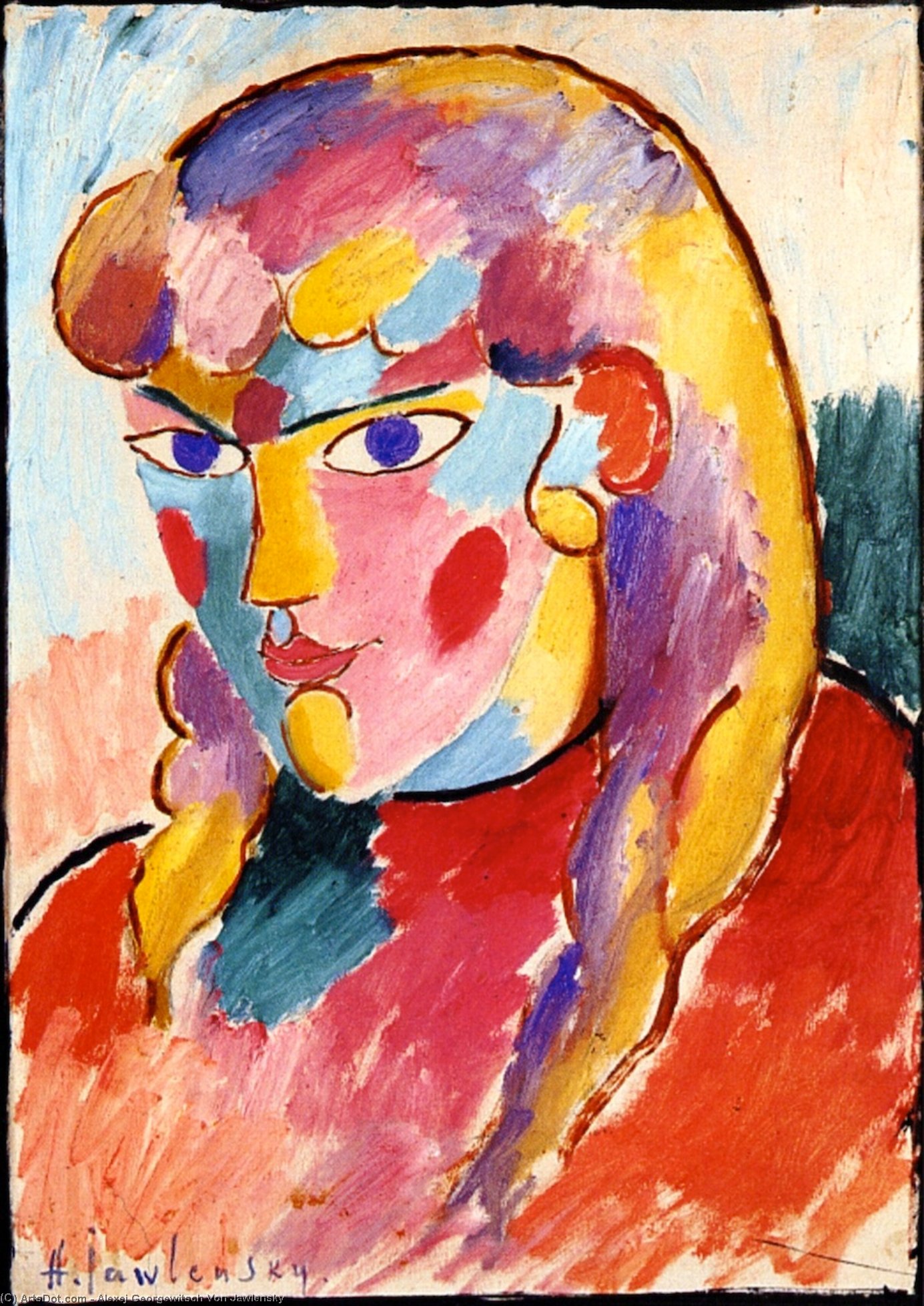
Alexej von Jawlensky's “Girl with Blue Eyes and Two Plaits,” painted in 1916, is a powerfully arresting work that exemplifies the artist’s signature style – a raw, emotionally charged expressionism characterized by simplified forms, bold color palettes, and an almost brutal honesty. This painting transcends a simple portrait; it’s a concentrated distillation of feeling, a glimpse into a moment of profound introspection captured with remarkable intensity. The subject, a young woman with strikingly blue eyes and neatly braided hair, isn't presented with idealized beauty but rather as a vessel for deep emotion – a vulnerability rendered in vibrant, almost jarring hues.
Jawlensky’s technique is immediately recognizable. He employs thick impasto strokes of pink and yellow pigment, layered upon a cardboard ground, creating a textured surface that seems to vibrate with energy. The colors aren't blended smoothly; instead, they are applied in distinct blocks, contributing to the painting’s sense of urgency and unrest. The distorted features – particularly the slightly elongated eyes and mouth – contribute to this feeling of heightened emotion, reflecting the artist’s deliberate rejection of academic realism in favor of a more subjective representation of inner experience. This approach aligns perfectly with the burgeoning Expressionist movement of the early 20th century, where artists sought to convey not just what they saw but how they *felt* about it.
The Blaue Reiter and Munich’s Artistic Crucible
To understand “Girl with Blue Eyes and Two Plaits,” one must consider Jawlensky's artistic context. The painting was created during a pivotal period in the history of modern art, specifically within the circle of the ‘Blaue Reiter’ (Blue Rider) group based in Munich. This collective, formed around Wassily Kandinsky and Franz Marc, sought to break free from traditional representational conventions and explore the expressive potential of color and form. The Blaue Reiter were deeply influenced by synesthesia – the blending of senses – believing that art should evoke a holistic emotional response in the viewer. Jawlensky’s association with this group fostered an environment of experimentation and radical artistic inquiry, pushing him to confront fundamental questions about perception and representation.
Munich at the time was a hotbed of artistic innovation, attracting artists from across Europe. Jawlensky's studio was a hub for intellectual exchange, where ideas regarding spirituality, symbolism, and the role of art in society were passionately debated. This vibrant atmosphere undoubtedly shaped his work, contributing to its intensity and emotional depth.
Symbolism and the Portrait as Psychological Landscape
The painting’s symbolism is deliberately ambiguous, inviting multiple interpretations. The girl's blue eyes, often interpreted as representing innocence or perhaps a melancholic gaze, are rendered with an almost unnerving directness. The red shirt, a bold contrast against the pastel background, could symbolize passion, anger, or even sacrifice – elements frequently explored by Jawlensky in his work. The braids themselves, a traditional symbol of femininity and connection to heritage, add another layer of complexity to the portrait.
More than just a likeness, “Girl with Blue Eyes and Two Plaits” functions as a psychological landscape—a window into the subject’s inner world. Jawlensky wasn't interested in creating a flattering or idealized image; instead, he sought to capture a raw, unfiltered emotion – a moment of vulnerability that resonates powerfully with the viewer. The painting’s enduring appeal lies in its ability to evoke a sense of empathy and recognition, reminding us of the shared human experience of longing, sorrow, and perhaps even a touch of defiance.
A Masterpiece of Emotional Intensity
Reproductions of “Girl with Blue Eyes and Two Plaits” by ArtsDot.com offer an unparalleled opportunity to bring this iconic work into your home or office. Each reproduction is meticulously crafted using high-quality materials and techniques, faithfully capturing the original’s vibrant colors and textured surface. This artwork isn't merely a decoration; it's a powerful statement of artistic vision – a testament to Alexej von Jawlensky’s genius and his profound understanding of the human condition.
Ähnliche Kunstwerke
Über den Künstler
Frühe Jahre und Ausbildung
Alexej von Jawlensky, ein bedeutender russischer Expressionist, wurde am 13. März (altem Stil) / 25. März (neuem Stil) 1864 in Torzhok, Russland, geboren. Als fünftes Kind von Georgi von Jawlensky und seiner Frau Alexandra (geborene Medwedewa) erlebte Alexej eine Kindheit geprägt von häufigen Umzügen, bevor die Familie schließlich im Alter von zehn Jahren nach Moskau zog. Seine genaue Geburtsdatum ist umstritten, wobei verschiedene Quellen unterschiedliche Jahreszahlen angeben, aber Recherchen deuten stark auf 1865 hin.Künstlerische Entwicklung und Einflüsse
Nach dem Abschluss seines Militärdienstes entwickelte Alexej eine Leidenschaft für die Malerei und besuchte 1880 die Moskauer Weltausstellung. Dank seiner gesellschaftlichen Verbindungen erhielt er eine Versetzung nach St. Petersburg, wo er von 1889 bis 1896 an der Kunstakademie studierte, während er weiterhin seinen Militärdienst verrichtete. In dieser Zeit lernte er Marianne von Werefkin kennen, eine wohlhabende Künstlerin, die seine Arbeit förderte und ihm ein komfortables Leben ermöglichte. 1894 zog er nach München und studierte unter Anton Ažbe. Seine Kunst wurde stark von Ferdinand Hodler, Jan Verkade und Paul Serusier beeinflusst, was zu einer Entwicklung hin zum Expressionismus führte.Wichtige Werke und Stilentwicklung
- Jawlenskys frühe Arbeiten zeichneten sich durch üppige, reiche Farben aus, die später in eine Abstraktion und einen vereinfachten, formalisierten Stil übergingen.
- Zu seinen bemerkenswertesten Werken zählen:
- Schokko mit rotem Hut (1909)
- Porträt von Alexander Sakharoff (1909)
- Violettes Turban (1911)
Bedeutung und Vermächtnis
Alexej von Jawlensky gilt als eine Schlüsselfigur des Expressionismus, insbesondere im Zusammenhang mit der Künstlergruppe Der Blaue Reiter. Seine Werke zeichnen sich durch die Verwendung kräftiger Farben und vereinfachter Formen aus, um Emotionen auszudrücken. Nach seiner Vertreibung aus Deutschland im Jahr 1914 zog er in die Schweiz, wo er Emmy Scheyer kennenlernte, die seine Arbeit in den Vereinigten Staaten förderte. Jawlensky starb am 15. März 1941 in Wiesbaden, Deutschland. Seine Werke sind heute in bedeutenden Museen auf der ganzen Welt zu sehen, darunter das Museum Ostwall in Dortmund und die Städtische Galerie im Lenbachhaus in München. Sein Einfluss auf die Entwicklung des abstrakten Expressionismus ist unbestreitbar.Spätere Jahre und Tod
Nach seiner Vertreibung aus Deutschland im Jahr 1914 zog Alexej in die Schweiz, wo er Emmy Scheyer kennenlernte, die seine Arbeit in den Vereinigten Staaten förderte. Alexej von Jawlensky verstarb am 15. März 1941 in Wiesbaden, Deutschland.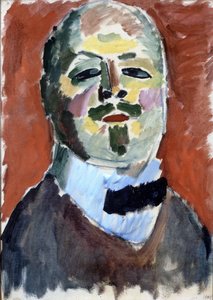
Alexej von Jawlensky
1864 - 1941 , Russland
Kurzinfos
- Bekannte Werke:
- Schokko mit rotem Hut
- Porträt von Alexander Sakharoff
- Violette Turban
- Einflüsse:
- Anton Ažbe
- Ferdinand Hodler
- Jan Verkade
- Paul Sérusier
- Geburtsdatum: 25. März 1865
- Geburtsort: Torzhok, Russland
- Künstlerische Bewegung: Expressionismus
- Nationalität: Russisch-Deutsch
- Todatum: 15. März 1941
- Vollständiger Name: Alexej Georgewitsch von Jawlensky
Ähnliche Artikel
Die Top 10 Gemälde in Schattierungen von 'Slate Blue': Kunst für Ihr Zuhause
Entdecken Sie die Top 10 Gemälde in faszinierenden 'Slate Blue' Tönen! Von Monet bis Manet – erleben Sie Kunstgeschichte und lassen Sie sich von Meisterwerken inspirieren. Hochwertige Kunstdrucke auf
Die zartesten Meisterwerke: Top 10 Gemälde in Lichtrosa & ihre Geschichte |
Entdecken Sie die Top 10 berühmter Gemälde in zarten Rosatönen! Von impressionistischen Meisterwerken bis hin zu romantischen Ikonen – erfahren Sie mehr über Künstler, Techniken & Geschichte. Hochwertige Kunstdrucke auf .
The Allure of Azure: Exploring the Symbolic & Aesthetic Depths of Blue in Art History
Explore the rich history of blue in art! Discover its symbolism, from ancient pigments to modern masterpieces by Kandinsky & Seurat. Uncover the psychological impact and cultural meanings behind this captivating hue.
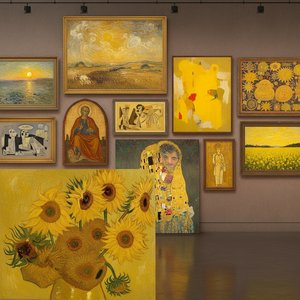
Chromgelb in der Kunstgeschichte: Die 10 berühmtesten Gemälde & ihre Meister
Entdecken Sie die 10 berühmtesten Gemälde, dominiert von der leuchtenden Farbe Chromgelb! Von Van Gogh bis Monet – erfahren Sie Geschichten hinter Meisterwerken & finden Sie Ihre perfekte Kunst-Reproduktion auf ArtsDot.com.
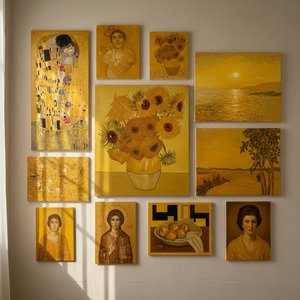
Die Top 10 berühmter Gemälde im Gelbocherton – Kunst für Ihr Zuhause |
Entdecken Sie die Top 10 berühmter Gemälde, dominiert von warmen Gelbochtönen! Von Van Gogh bis Monet – erfahren Sie die Geschichten hinter den Meisterwerken und lassen Sie sich für Ihre Wohnraumgestaltung inspirieren. Hochwertige Kunstdrucke auf