 Vorschau anzeigen
 Versenden
 Teilen
 Details anzeigen

 Herunterladen
 Ähnliche Objekte
 Röntgenaufnahme
 Diashow
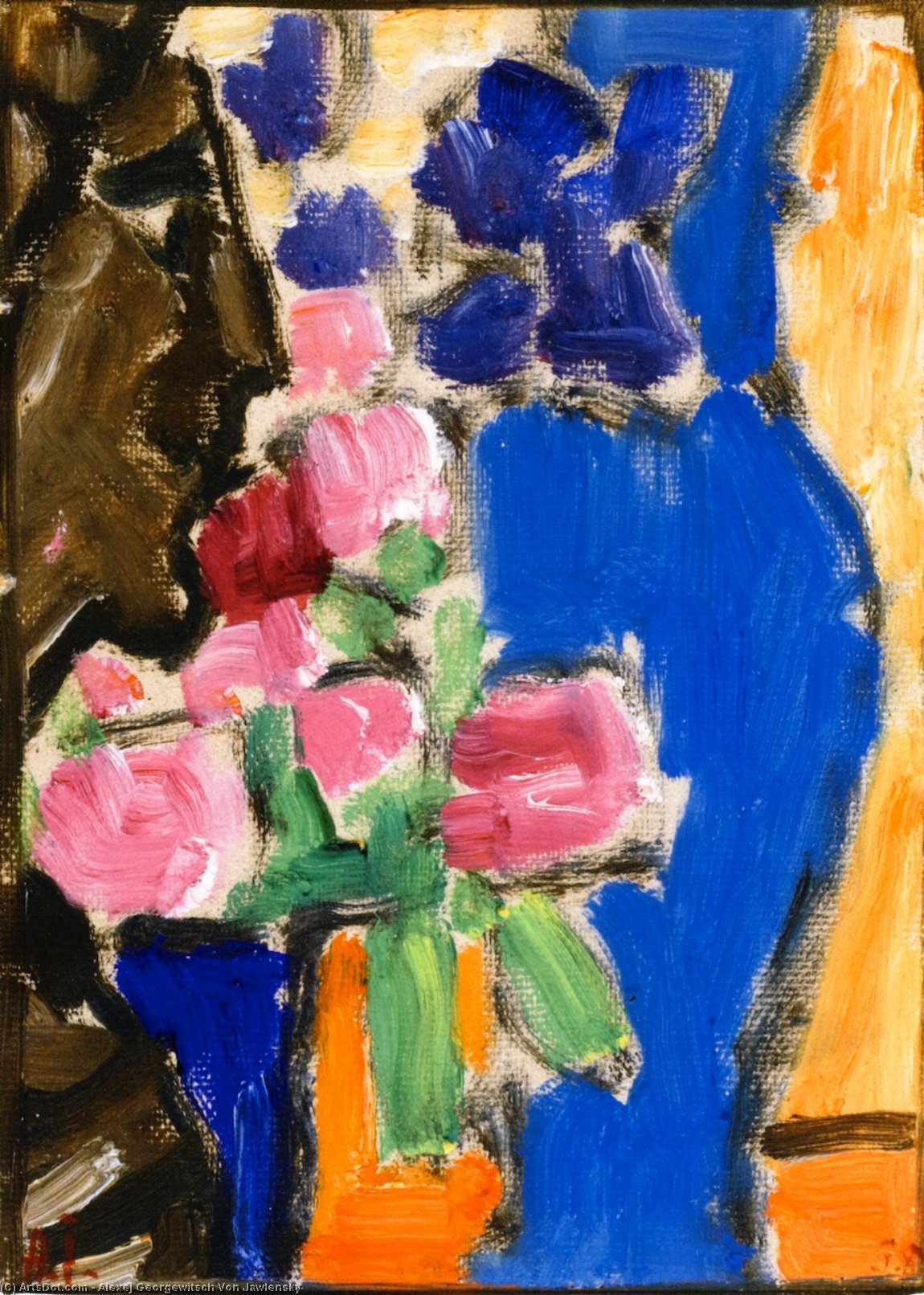
Still LIfe: Flower Still LIfe with Vase and Figure, Semi-Profile


 Weiterlesen
Giclée / Kunstdruck
Giclée- oder Leinwanddruck in Museumsqualität mit schneller Produktion und flexiblen Veredelungsoptionen. ( Handgemalte Reproduktion bestellen Bild kaufen)




P118B $10

P118H $10

P118W $10

P438Z $10

P508JH $12

P508YH $12

P805H $10

P805Z $10

P919BZ $10

P919G $10

P919XJ $10

P959ZH $10

P968JZ $12

W106C $8

W218G $10

W218JH $8

W218Y $10

W307PJ $10

W316G $10

W316PJ $8

W316Y $10

W398PJ $8

W4111J $10

W500HY $15

W500JH $15

W692G $12

W849H $8

W940BG $15

W953PJ $8




Wählen Sie aus unseren vordefinierten Formaten, die den ursprünglichen Proportionen des Kunstwerks entsprechen.

Sie können Ihre eigenen Maße eingeben, um ein bestimmtes Format oder einen speziellen Platz einzupassen. Wenn das von Ihnen gewählte Format nicht den Proportionen des Originalbildes entspricht, werden wir das Kunstwerk entweder beschneiden oder das Bild mit einem gespiegelten oder einfarbigen Rand erweitern. Ein digitaler Entwurf wird Ihnen zur Genehmigung zugesandt, bevor die Produktion beginnt.
Bitte beachten Sie, dass die Vorschau auf dem Bildschirm nicht den tatsächlichen Zuschnitt oder die Erweiterung widerspiegelt. Nur der Entwurf zeigt die endgültige Komposition präzise an.
Obwohl Sondermaße verfügbar sind, empfehlen wir die Auswahl eines Maßes aus der vordefinierten Liste, um die ursprünglichen Proportionen zu bewahren.
Weltweiter Versand () innerhalb von 2 Wochen statt der üblichen 4/5 Wochen. (2 September)

Kostenloser weltweiter Expressversand

Hochwertige Leinenleinwand

Umfassender Versicherungsschutz beim Versand

Zollgebühren-Rückerstattungsgarantie

Garantie für exakte Farbtreue

60 Tage Rückgaberecht (nur bei Mängeln)

100% Geld-zurück-Garantie

Mengenrabatt verfügbar
 Die Glasoption ist nur für Größen unter 110 cm verfügbar.

Still LIfe: Flower Still LIfe with Vase and Figure, Semi-Profile
Giclée / Kunstdruck
Format der Reproduktion
-


Gesamtpreis
$ 62
A Window Into the Soul: Alexej von Jawlensky’s ‘Still Life: Flower Still Life with Vase and Figure, Semi-Profile’
Alexej von Jawlensky's 1935 painting, “Still Life: Flower Still Life with Vase and Figure, Semi-Profile,” isn’t merely a depiction of flowers in a vase; it’s a raw, intensely personal exploration of emotion rendered with the uncompromising directness that defined the artist’s entire career. Painted during a period of profound artistic evolution, this work exemplifies Jawlensky's mastery of Expressionism – a style characterized by its rejection of academic realism and its focus on conveying subjective experience through bold color, distorted forms, and an almost violent immediacy.
The composition itself is deceptively simple. A blue vase, adorned with a green handle, sits prominently on a table, overflowing with a vibrant assortment of pink flowers. These blooms aren’t idealized; they possess a palpable energy, their petals slightly crumpled, suggesting a fleeting beauty – a theme frequently explored by Jawlensky. The deliberate lack of polish in the floral rendering speaks to his refusal to compromise artistic truth for aesthetic perfection. The semi-profile figure, partially obscured within the background, adds an unsettling layer of mystery and psychological depth. It’s a face etched with unspoken emotion, its features subtly distorted, inviting the viewer to contemplate their own anxieties and vulnerabilities.
Expressionist Techniques & The Power of Color
Jawlensky's technique is immediately recognizable – a forceful application of paint, built up in thick, impasto strokes. He eschewed blending, preferring instead to maintain the individual marks of his brush, creating a surface that vibrates with energy and movement. This tactile quality isn’t simply decorative; it’s integral to the painting’s emotional impact. The bold use of color – the cool blues of the vase contrasting sharply with the warm pinks of the flowers – amplifies this effect. Jawlensky wasn't interested in creating a harmonious scene; he deliberately fractured the visual field, forcing the viewer to confront the raw intensity of his vision.
Symbolism and the Human Condition
Like much of Jawlensky’s work, “Still Life” is laden with symbolism. Flowers have long been associated with themes of mortality, beauty, and spiritual longing – concepts that resonated deeply within the artist's worldview. The figure in profile, a recurring motif in his oeuvre, has been interpreted as representing the human condition itself – vulnerable, isolated, and grappling with existential questions. Some scholars believe it reflects Jawlensky’s own feelings of displacement and alienation, themes born from his nomadic childhood and subsequent struggles to find acceptance within artistic circles.
A Legacy of Emotional Intensity
Created in 1935, a year before the artist's death, this painting represents a culmination of Jawlensky’s lifelong pursuit of authentic expression. It stands as a testament to his unwavering commitment to portraying not what he *saw*, but what he *felt*. A reproduction of “Still Life: Flower Still Life with Vase and Figure, Semi-Profile” offers more than just a beautiful image; it provides a direct connection to the heart of an artist who dared to confront the darkest corners of the human experience. ArtsDot.com’s hand-painted reproductions capture this intensity, allowing you to bring this powerful work into your own space.
Ähnliche Kunstwerke
Über den Künstler
Frühe Jahre und Ausbildung
Alexej von Jawlensky, ein bedeutender russischer Expressionist, wurde am 13. März (altem Stil) / 25. März (neuem Stil) 1864 in Torzhok, Russland, geboren. Als fünftes Kind von Georgi von Jawlensky und seiner Frau Alexandra (geborene Medwedewa) erlebte Alexej eine Kindheit geprägt von häufigen Umzügen, bevor die Familie schließlich im Alter von zehn Jahren nach Moskau zog. Seine genaue Geburtsdatum ist umstritten, wobei verschiedene Quellen unterschiedliche Jahreszahlen angeben, aber Recherchen deuten stark auf 1865 hin.Künstlerische Entwicklung und Einflüsse
Nach dem Abschluss seines Militärdienstes entwickelte Alexej eine Leidenschaft für die Malerei und besuchte 1880 die Moskauer Weltausstellung. Dank seiner gesellschaftlichen Verbindungen erhielt er eine Versetzung nach St. Petersburg, wo er von 1889 bis 1896 an der Kunstakademie studierte, während er weiterhin seinen Militärdienst verrichtete. In dieser Zeit lernte er Marianne von Werefkin kennen, eine wohlhabende Künstlerin, die seine Arbeit förderte und ihm ein komfortables Leben ermöglichte. 1894 zog er nach München und studierte unter Anton Ažbe. Seine Kunst wurde stark von Ferdinand Hodler, Jan Verkade und Paul Serusier beeinflusst, was zu einer Entwicklung hin zum Expressionismus führte.Wichtige Werke und Stilentwicklung
- Jawlenskys frühe Arbeiten zeichneten sich durch üppige, reiche Farben aus, die später in eine Abstraktion und einen vereinfachten, formalisierten Stil übergingen.
- Zu seinen bemerkenswertesten Werken zählen:
- Schokko mit rotem Hut (1909)
- Porträt von Alexander Sakharoff (1909)
- Violettes Turban (1911)
Bedeutung und Vermächtnis
Alexej von Jawlensky gilt als eine Schlüsselfigur des Expressionismus, insbesondere im Zusammenhang mit der Künstlergruppe Der Blaue Reiter. Seine Werke zeichnen sich durch die Verwendung kräftiger Farben und vereinfachter Formen aus, um Emotionen auszudrücken. Nach seiner Vertreibung aus Deutschland im Jahr 1914 zog er in die Schweiz, wo er Emmy Scheyer kennenlernte, die seine Arbeit in den Vereinigten Staaten förderte. Jawlensky starb am 15. März 1941 in Wiesbaden, Deutschland. Seine Werke sind heute in bedeutenden Museen auf der ganzen Welt zu sehen, darunter das Museum Ostwall in Dortmund und die Städtische Galerie im Lenbachhaus in München. Sein Einfluss auf die Entwicklung des abstrakten Expressionismus ist unbestreitbar.Spätere Jahre und Tod
Nach seiner Vertreibung aus Deutschland im Jahr 1914 zog Alexej in die Schweiz, wo er Emmy Scheyer kennenlernte, die seine Arbeit in den Vereinigten Staaten förderte. Alexej von Jawlensky verstarb am 15. März 1941 in Wiesbaden, Deutschland.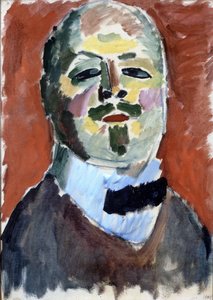
Alexej von Jawlensky
1864 - 1941 , Russland
Kurzinfos
- Bekannte Werke:
- Schokko mit rotem Hut
- Porträt von Alexander Sakharoff
- Violette Turban
- Einflüsse:
- Anton Ažbe
- Ferdinand Hodler
- Jan Verkade
- Paul Sérusier
- Geburtsdatum: 25. März 1865
- Geburtsort: Torzhok, Russland
- Künstlerische Bewegung: Expressionismus
- Nationalität: Russisch-Deutsch
- Todatum: 15. März 1941
- Vollständiger Name: Alexej Georgewitsch von Jawlensky
Ähnliche Artikel
Mutige Meisterwerke: Die Top 10 Kunstwerke voller Ausdruckskraft | ArtsDot
Entdecken Sie die Top 10 mutiger Kunstwerke, voller Ausdruckskraft & Emotion! Von Van Gogh bis Picasso – erfahren Sie die Geschichten hinter den Meisterwerken und finden Sie Ihre perfekte Wanddeko auf ArtsDot.com.
Clyfford Still's Abstract Expressionism: A Study of Color, Form & the Existential Landscape
Explore the profound world of Clyfford Still's Abstract Expressionism with ArtsDot. Discover his unique style, existential themes & investment potential. Expert analysis for discerning collectors.
Deutsche Expressionismus Meisterwerke: Die 10 wichtigsten Kunstwerke für Ihr Zuhause
Entdecken Sie die 10 bedeutendsten Werke des Deutschen Expressionismus! Kirchner, Nolde & Co. – ihre Geschichten, Techniken und zeitlose Schönheit. Hochwertige Kunstdrucke auf ArtsDot.com kaufen und Ihr Zuhause mit emotionaler Kunst bereichern. Jetzt entdecken!
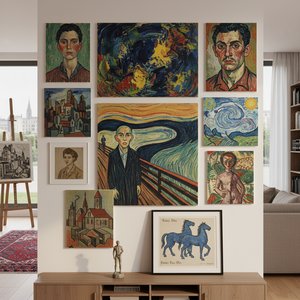
Expressionismus: Die 10 Meisterwerke, die eine Ära prägten – Kunst für Ihr Zuhause |
Entdecken Sie die 10 prägendsten Meisterwerke des Expressionismus! Von Munch bis Kandinsky – erfahren Sie die Geschichten hinter den berühmtesten Gemälde und Künstler. Hochwertige Kunstdrucke online bei kaufen & Ihr Zuhause mit Emotionen füllen.
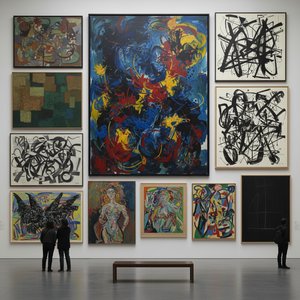
Abstrakter Expressionismus: Die 10 Meisterwerke, die eine Kunstbewegung prägten |
Entdecken Sie die 10 Meisterwerke des Abstrakten Expressionismus! Von Jackson Pollock bis Mark Rothko – erfahren Sie die Geschichten hinter ikonischen Gemälde und finden Sie hochwertige Reproduktionen für Ihr Zuhause. Jetzt bei entdecken!