 Vorschau anzeigen
 Versenden
 Teilen
 Details anzeigen

 Herunterladen
 Ähnliche Objekte
 Röntgenaufnahme
 Diashow
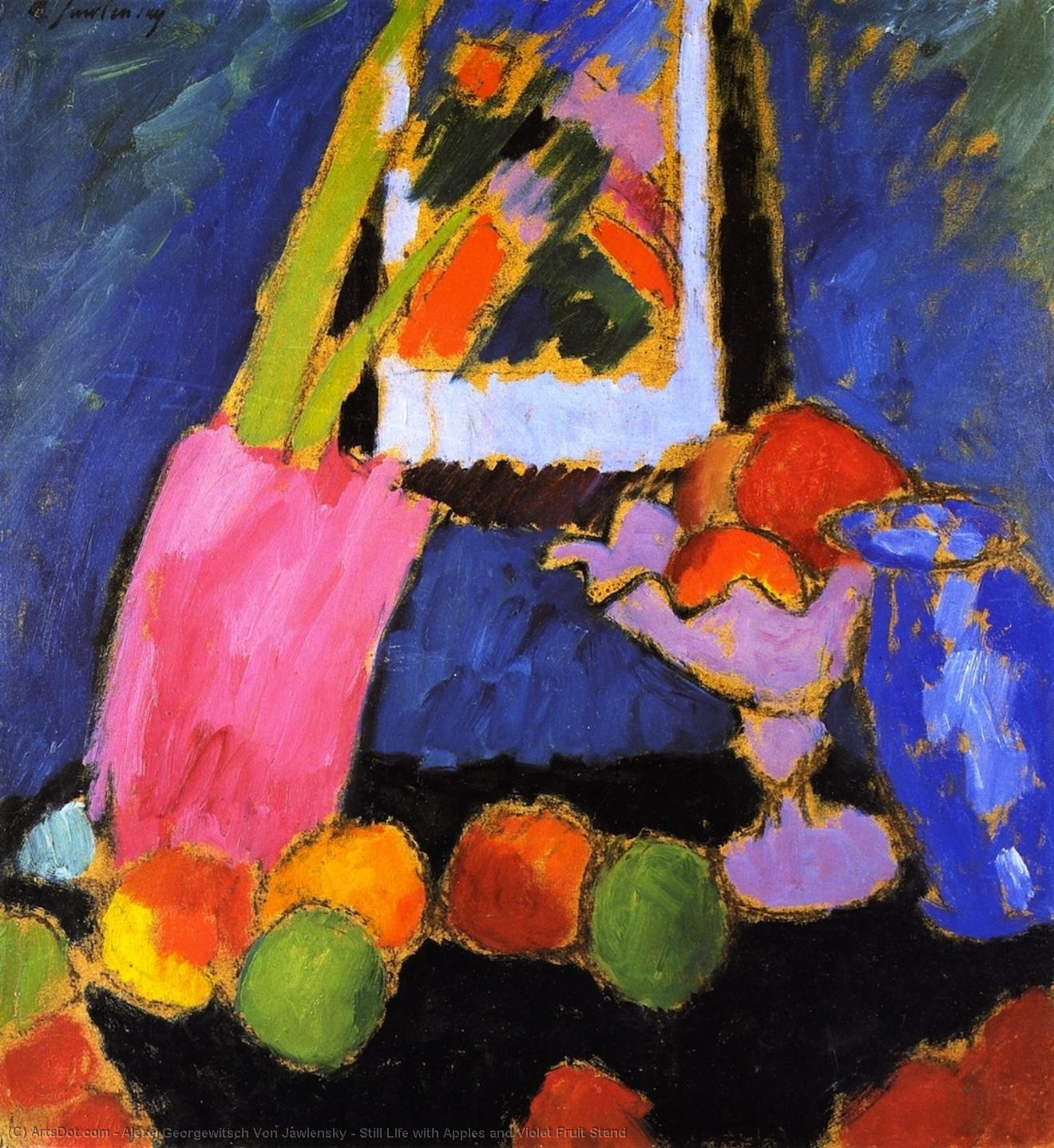
Still LIfe with Apples and Violet Fruit Stand
 Acryl auf Leinwand
- Wandkunst
- Expressionism
 1912
1912 49.0 x 52.0 cm
 Städelsches Kunstinstitut Und Städtische Galerie
 Weiterlesen
Giclée / Kunstdruck
Giclée- oder Leinwanddruck in Museumsqualität mit schneller Produktion und flexiblen Veredelungsoptionen. ( Handgemalte Reproduktion bestellen Bild kaufen)




P118B $10

P118H $10

P118W $10

P438Z $10

P508JH $12

P508YH $12

P805H $10

P805Z $10

P919BZ $10

P919G $10

P919XJ $10

P959ZH $10

P968JZ $12

W106C $8

W218G $10

W218JH $8

W218Y $10

W307PJ $10

W316G $10

W316PJ $8

W316Y $10

W398PJ $8

W4111J $10

W500HY $15

W500JH $15

W692G $12

W849H $8

W940BG $15

W953PJ $8




Wählen Sie aus unseren vordefinierten Formaten, die den ursprünglichen Proportionen des Kunstwerks entsprechen.

Sie können Ihre eigenen Maße eingeben, um ein bestimmtes Format oder einen speziellen Platz einzupassen. Wenn das von Ihnen gewählte Format nicht den Proportionen des Originalbildes entspricht, werden wir das Kunstwerk entweder beschneiden oder das Bild mit einem gespiegelten oder einfarbigen Rand erweitern. Ein digitaler Entwurf wird Ihnen zur Genehmigung zugesandt, bevor die Produktion beginnt.
Bitte beachten Sie, dass die Vorschau auf dem Bildschirm nicht den tatsächlichen Zuschnitt oder die Erweiterung widerspiegelt. Nur der Entwurf zeigt die endgültige Komposition präzise an.
Obwohl Sondermaße verfügbar sind, empfehlen wir die Auswahl eines Maßes aus der vordefinierten Liste, um die ursprünglichen Proportionen zu bewahren.
Weltweiter Versand () innerhalb von 2 Wochen statt der üblichen 4/5 Wochen. (24 August)

Kostenloser weltweiter Expressversand

Hochwertige Leinenleinwand

Umfassender Versicherungsschutz beim Versand

Zollgebühren-Rückerstattungsgarantie

Garantie für exakte Farbtreue

60 Tage Rückgaberecht (nur bei Mängeln)

100% Geld-zurück-Garantie

Mengenrabatt verfügbar
 Die Glasoption ist nur für Größen unter 110 cm verfügbar.

Still LIfe with Apples and Violet Fruit Stand
Giclée / Kunstdruck
Format der Reproduktion
-


Gesamtpreis
$ 62
Sammlerstück-Beschreibung
Still Life with Apples and Violet Fruit Stand – A Window Into Jawlensky’s Soul
The painting “Still Life with Apples and Violet Fruit Stand,” executed in 1912 by Alexej von Jawlensky, transcends mere representation; it embodies the artist's deeply felt emotional landscape—a characteristic hallmark of Expressionism. Examining this artwork offers a fascinating glimpse into both Jawlensky’s artistic vision and the broader intellectual currents shaping early twentieth-century Europe.Subject Matter and Composition
At first glance, the scene presents itself as deceptively simple: a tabletop adorned with a vase containing violet blossoms alongside an assortment of fruit – predominantly apples, oranges, and bananas. However, this apparent tranquility belies a carefully considered compositional strategy designed to convey profound psychological depth. The placement of the apples in the foreground establishes visual dominance, anchoring the viewer’s gaze while simultaneously hinting at vulnerability and fragility. Behind them lie the oranges and bananas, creating layers of texture and color that contribute to the overall vibrancy of the piece. The vase itself serves as a focal point, symbolizing purity and contemplation amidst the abundance of earthly delights.Style and Technique – Embracing Emotion Through Color
Jawlensky’s artistic approach aligns perfectly with the tenets of Expressionism—a movement driven by an urgent desire to communicate inner feelings rather than objective reality. He eschews meticulous detail in favor of bold, expressive brushstrokes that prioritize color above all else. The palette is dominated by shades of red, orange, yellow, and green, colors chosen not for their literal depiction but for their ability to evoke specific emotional responses. Thick impasto—the application of paint in textured layers—further amplifies the visual impact, creating palpable physicality within the canvas and mirroring the artist’s impassioned engagement with his subject matter. The deliberate distortion of form contributes to this expressive intent, prioritizing feeling over accurate representation.Historical Context – Expressionism's Response to Uncertainty
“Still Life” emerged during a period marked by significant social and political upheaval—the dawn of the Great War and the escalating anxieties surrounding modernity’s rapid transformations. Expressionist artists reacted against prevailing artistic conventions, rejecting academic idealism in favor of confronting uncomfortable truths about human existence. Jawlensky's work reflects this spirit of rebellion, articulating a profound disillusionment with societal norms while simultaneously seeking solace in spiritual contemplation—themes that resonate powerfully across time and continue to inspire viewers today. The painting stands as testament to the movement’s conviction that art should serve as a conduit for emotional catharsis and a vehicle for exploring existential questions.Symbolism – Apples, Violet Blossoms, and the Vase's Significance
Beyond its formal qualities, “Still Life” is laden with symbolic meaning. Apples, traditionally associated with knowledge and temptation, represent both beauty and vulnerability—a duality that encapsulates Jawlensky’s artistic preoccupation with confronting difficult emotions. Violet blossoms symbolize purity and spiritual devotion, offering a counterpoint to the anxieties of the era and reflecting the artist's own quest for inner harmony. The vase itself embodies stillness and contemplation, inviting viewers to pause and consider the profound implications of their surroundings—a deliberate gesture designed to elevate the artwork beyond mere visual pleasure into a realm of psychological introspection.Emotional Impact – A Portrait of Inner Turmoil
Ultimately, “Still Life with Apples and Violet Fruit Stand” succeeds in conveying an arresting emotional portrait of Alexej von Jawlensky’s inner turmoil. The painting's vibrant colors and textured brushstrokes capture the artist’s passionate engagement with his subject matter—a testament to Expressionism’s conviction that art should serve as a catalyst for confronting uncomfortable truths about human experience. Viewing this artwork evokes a sense of melancholy beauty, prompting reflection on themes of vulnerability, spirituality, and the enduring power of emotion. It remains a compelling reminder that true artistic achievement lies not in replicating reality but in translating inner feeling into tangible form—a feat accomplished masterfully by Jawlensky’s visionary hand.Ähnliche Kunstwerke
Über den Künstler
Frühe Jahre und Ausbildung
Alexej von Jawlensky, ein bedeutender russischer Expressionist, wurde am 13. März (altem Stil) / 25. März (neuem Stil) 1864 in Torzhok, Russland, geboren. Als fünftes Kind von Georgi von Jawlensky und seiner Frau Alexandra (geborene Medwedewa) erlebte Alexej eine Kindheit geprägt von häufigen Umzügen, bevor die Familie schließlich im Alter von zehn Jahren nach Moskau zog. Seine genaue Geburtsdatum ist umstritten, wobei verschiedene Quellen unterschiedliche Jahreszahlen angeben, aber Recherchen deuten stark auf 1865 hin.Künstlerische Entwicklung und Einflüsse
Nach dem Abschluss seines Militärdienstes entwickelte Alexej eine Leidenschaft für die Malerei und besuchte 1880 die Moskauer Weltausstellung. Dank seiner gesellschaftlichen Verbindungen erhielt er eine Versetzung nach St. Petersburg, wo er von 1889 bis 1896 an der Kunstakademie studierte, während er weiterhin seinen Militärdienst verrichtete. In dieser Zeit lernte er Marianne von Werefkin kennen, eine wohlhabende Künstlerin, die seine Arbeit förderte und ihm ein komfortables Leben ermöglichte. 1894 zog er nach München und studierte unter Anton Ažbe. Seine Kunst wurde stark von Ferdinand Hodler, Jan Verkade und Paul Serusier beeinflusst, was zu einer Entwicklung hin zum Expressionismus führte.Wichtige Werke und Stilentwicklung
- Jawlenskys frühe Arbeiten zeichneten sich durch üppige, reiche Farben aus, die später in eine Abstraktion und einen vereinfachten, formalisierten Stil übergingen.
- Zu seinen bemerkenswertesten Werken zählen:
- Schokko mit rotem Hut (1909)
- Porträt von Alexander Sakharoff (1909)
- Violettes Turban (1911)
Bedeutung und Vermächtnis
Alexej von Jawlensky gilt als eine Schlüsselfigur des Expressionismus, insbesondere im Zusammenhang mit der Künstlergruppe Der Blaue Reiter. Seine Werke zeichnen sich durch die Verwendung kräftiger Farben und vereinfachter Formen aus, um Emotionen auszudrücken. Nach seiner Vertreibung aus Deutschland im Jahr 1914 zog er in die Schweiz, wo er Emmy Scheyer kennenlernte, die seine Arbeit in den Vereinigten Staaten förderte. Jawlensky starb am 15. März 1941 in Wiesbaden, Deutschland. Seine Werke sind heute in bedeutenden Museen auf der ganzen Welt zu sehen, darunter das Museum Ostwall in Dortmund und die Städtische Galerie im Lenbachhaus in München. Sein Einfluss auf die Entwicklung des abstrakten Expressionismus ist unbestreitbar.Spätere Jahre und Tod
Nach seiner Vertreibung aus Deutschland im Jahr 1914 zog Alexej in die Schweiz, wo er Emmy Scheyer kennenlernte, die seine Arbeit in den Vereinigten Staaten förderte. Alexej von Jawlensky verstarb am 15. März 1941 in Wiesbaden, Deutschland.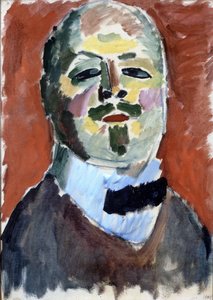
Alexej von Jawlensky
1864 - 1941 , Russland
Kurzinfos
- Bekannte Werke:
- Schokko mit rotem Hut
- Porträt von Alexander Sakharoff
- Violette Turban
- Einflüsse:
- Anton Ažbe
- Ferdinand Hodler
- Jan Verkade
- Paul Sérusier
- Geburtsdatum: 25. März 1865
- Geburtsort: Torzhok, Russland
- Künstlerische Bewegung: Expressionismus
- Nationalität: Russisch-Deutsch
- Todatum: 15. März 1941
- Vollständiger Name: Alexej Georgewitsch von Jawlensky
Ähnliche Artikel
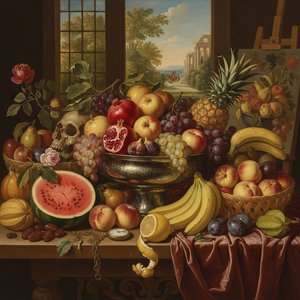
The Bountiful Still Life: Symbolism & Artistic Representation of Fruit Across Art History
Explore the rich history of still life painting & the symbolism of fruit across art movements. Discover masterpieces from Caravaggio to Cézanne with ArtsDot – expert guidance & museum-quality reproductions.
Clyfford Still's Abstract Expressionism: A Study of Color, Form & the Existential Landscape
Explore the profound world of Clyfford Still's Abstract Expressionism with ArtsDot. Discover his unique style, existential themes & investment potential. Expert analysis for discerning collectors.
The Raw Emotion of Expressionism: A Deep Dive into its History, Characteristics & Enduring Influence
Explore the raw emotion of Expressionism with ArtsDot. Discover its history, key artists like Kirchner & Munch, and lasting influence on modern art. Expert insights for collectors & enthusiasts.
Silent Narratives: Exploring the Enduring Appeal of Still Life Painting Across Centuries
Explore the rich history of still life painting with ArtsDot. Discover Dutch Masters, decode vanitas symbolism & learn about collecting timeless art. Expert insights and museum-quality reproductions.
The Enduring Appeal of Still Life: A Historical & Contemporary Exploration
Explore the rich history & symbolism of still life painting with ArtsDot. Discover masterpieces from the Dutch Golden Age, learn about vanitas art, and find expert guidance for collecting timeless artworks.