 Vorschau anzeigen
 Versenden
 Teilen
 Details anzeigen

 Herunterladen
 Ähnliche Objekte
 Röntgenaufnahme
 Diashow
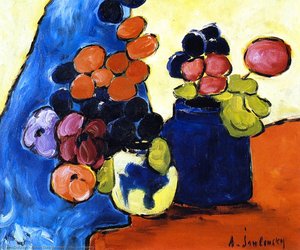
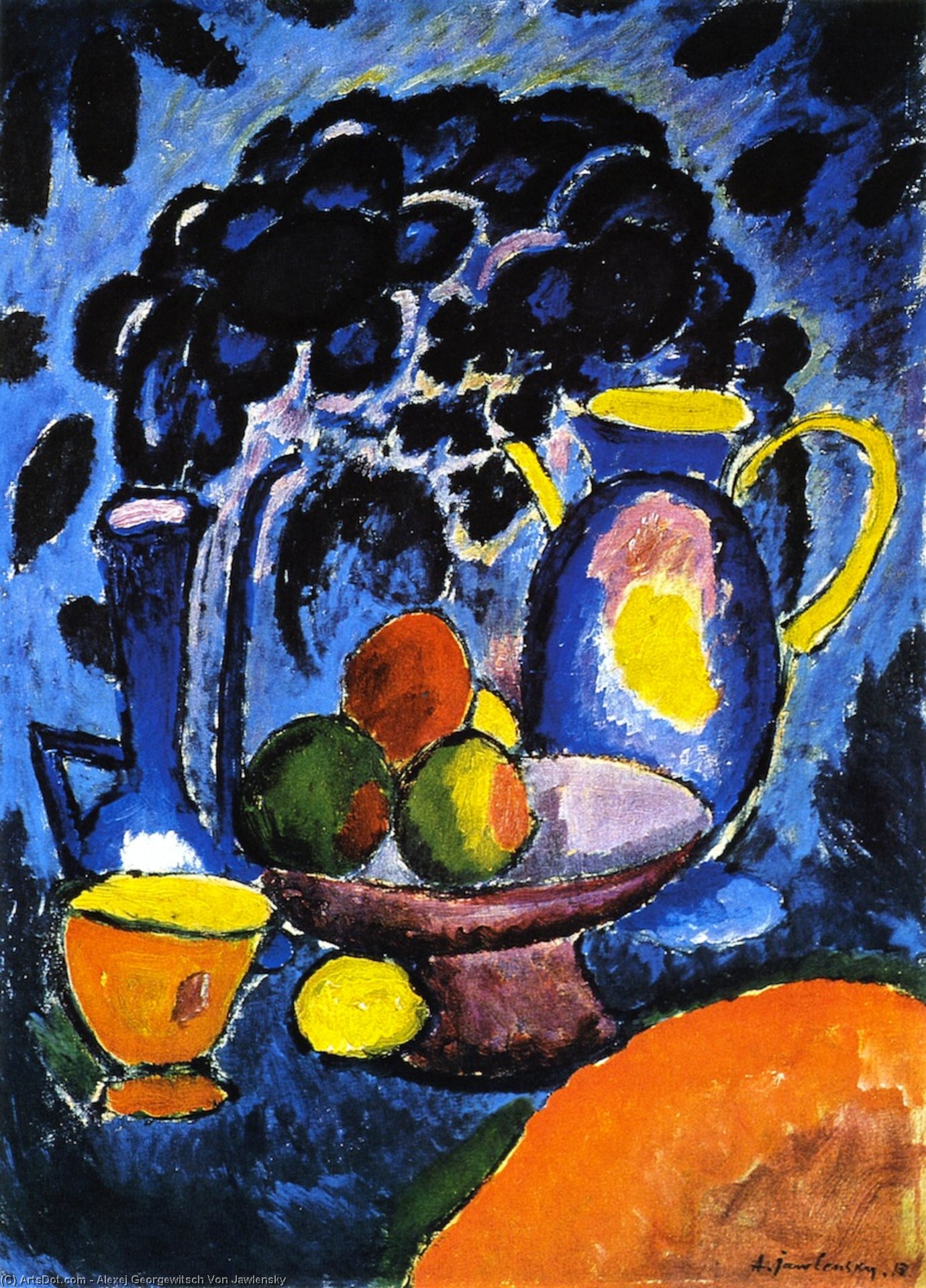
Still LIfe with Blue Jug
 Expressionist Still Life
 1913
1913 65.0 x 43.0 cm
 Weiterlesen
Handgefertigte Ölreproduktion
Handgemaltes Ölgemälde auf Leinwand in Ihrer Wunschgröße und mit Rahmen, auf Bestellung von unseren Künstlern angefertigt. ( Druck bestellen Bild kaufen)




P118B $10

P118H $10

P118W $10

P438Z $10

P508JH $12

P508YH $12

P805H $10

P805Z $10

P919BZ $10

P919G $10

P919XJ $10

P959ZH $10

P968JZ $12

W106C $8

W218G $10

W218JH $8

W218Y $10

W307PJ $10

W316G $10

W316PJ $8

W316Y $10

W398PJ $8

W4111J $10

W500HY $15

W500JH $15

W692G $12

W849H $8

W940BG $15

W953PJ $8




Wählen Sie aus unseren vordefinierten Formaten, die den ursprünglichen Proportionen des Kunstwerks entsprechen.

Sie können Ihre eigenen Maße eingeben, um einen bestimmten Rahmen oder Platz auszufüllen. Wenn die gewählte Größe nicht den Proportionen des Originalbildes entspricht, werden wir das Kunstwerk entweder beschneiden oder das Gemälde durch zusätzliche, handgemalte Elemente erweitern. Ein digitales Mockup wird Ihnen zur Genehmigung zugesandt, bevor die Produktion beginnt.
Bitte beachten Sie, dass die Bildschirmvorschau nicht die tatsächliche Beschneidung oder Erweiterung widerspiegelt. Nur das Mockup zeigt die endgültige Komposition exakt an.
Obwohl Sondermaße verfügbar sind, empfehlen wir, eine Größe aus der vordefinierten Liste zu wählen, um die ursprünglichen Proportionen beizubehalten.
Nach der Bestellung wird das ArtsDot.com-Team dem Kunden Anweisungen per E-Mail zusenden und eine Mockup-Vorschau bereitstellen.
Weltweiter Versand () in nur 3 bis 4 Wochen statt der üblichen 5 Wochen. (23 August). Keine Kompromisse bei der Qualität.

Kostenloser weltweiter Expressversand

Hochwertige Leinenleinwand

Umfassender Versicherungsschutz beim Versand

Zollgebühren-Rückerstattungsgarantie

Garantie für exakte Farbtreue

60 Tage Rückgaberecht (nur bei Mängeln)

100% Geld-zurück-Garantie

Mengenrabatt verfügbar
 Die Glasoption ist nur für Größen unter 110 cm verfügbar.

Still LIfe with Blue Jug
Art der Reproduktion
Format der Reproduktion
-


Gesamtpreis
$ 263
Beschreibung des Kunstwerks
Still Life with Blue Jug: An Expressionist Meditation on Mortality
The painting “Still Life with Blue Jug,” created in 1913 by Alexej von Jawlensky, stands as a quintessential embodiment of Expressionism—a movement that prioritized emotional intensity over objective representation. More than just an arrangement of fruit and vases; it’s a carefully constructed visual dialogue exploring themes of decay, beauty, and the inescapable reality of death, reflecting the anxieties prevalent in Europe at the dawn of the twentieth century. Jawlensky's artistic journey began amidst the burgeoning avant-garde spirit of Moscow’s 1880 World Exposition, where he encountered the transformative influence of Impressionism—a pivotal step away from academic conventions toward capturing fleeting moments and subjective sensations. However, it was his subsequent immersion in St. Petersburg’s intellectual circles that solidified his commitment to artistic experimentation and ultimately propelled him towards Expressionist ideals.- Formal Characteristics: Measuring 65 x 43 cm on panel using oil paint, the composition eschews traditional perspectival illusion, favoring instead a flattened space that intensifies the emotional impact of the scene. The artist’s deliberate use of color—primarily a dominant blue hue dominating the jug—creates a palpable tension against vibrant oranges, yellows, and greens emanating from the fruit and vases. This chromatic contrast isn't merely decorative; it symbolizes the struggle between life and death, mirroring the psychological landscape of the era.
- Symbolism: The inclusion of dead birds—a recurring motif in Jawlensky’s oeuvre—serves as a direct reference to mortality, prompting contemplation on the transient nature of existence. Alongside these avian emblems are fruits representing wealth and abundance, juxtaposed with vases symbolizing purity and stillness. These elements intertwine to convey a complex narrative about beauty amidst decay.
Historical Context: The Expressionist Zeitgeist
Jawlensky’s artistic output coincided with the burgeoning Expressionist movement—a reaction against the perceived sterility of academic art and fueled by anxieties surrounding societal upheaval. Influenced by philosophers like Nietzsche and Freud, Expressionists sought to convey inner emotional states rather than external appearances, prioritizing subjective experience above factual accuracy. The painting reflects the broader cultural preoccupation with mortality during a period marked by significant social and political instability—a sentiment palpable in the somber palette and deliberate arrangement of objects.- Technique: Jawlensky’s masterful brushwork contributes to the painting's expressive character. Thick impasto—the application of paint in textured layers—creates a tactile surface that enhances visual depth and reinforces the emotional resonance of the artwork. The artist meticulously renders the details of each element, capturing subtle nuances of color and form that heighten the sense of immediacy.
- Location: Currently housed at Stedelijk Museum in Amsterdam, “Still Life with Blue Jug” exemplifies the museum’s dedication to showcasing groundbreaking modern art—a testament to Jawlensky's enduring legacy as a pioneer of Expressionism. Its presence within this esteemed institution underscores its significance as an icon of artistic innovation and emotional exploration.
Emotional Impact: A Reflection on Beauty and Loss
Ultimately, “Still Life with Blue Jug” transcends mere visual representation; it invites viewers to confront profound questions about life’s fragility and the inevitability of death. The painting's subdued yet emotionally charged atmosphere—characterized by a harmonious blend of color and form—elicits contemplation on themes of beauty amidst loss—a poignant reminder that even in decay, there exists an inherent dignity and enduring significance.A high-quality reproduction of this masterpiece offers an opportunity to immerse oneself in the expressive spirit of Expressionism—capturing not only its aesthetic brilliance but also its profound philosophical depth.
Ähnliche Kunstwerke
Über den Künstler
Frühe Jahre und Ausbildung
Alexej von Jawlensky, ein bedeutender russischer Expressionist, wurde am 13. März (altem Stil) / 25. März (neuem Stil) 1864 in Torzhok, Russland, geboren. Als fünftes Kind von Georgi von Jawlensky und seiner Frau Alexandra (geborene Medwedewa) erlebte Alexej eine Kindheit geprägt von häufigen Umzügen, bevor die Familie schließlich im Alter von zehn Jahren nach Moskau zog. Seine genaue Geburtsdatum ist umstritten, wobei verschiedene Quellen unterschiedliche Jahreszahlen angeben, aber Recherchen deuten stark auf 1865 hin.Künstlerische Entwicklung und Einflüsse
Nach dem Abschluss seines Militärdienstes entwickelte Alexej eine Leidenschaft für die Malerei und besuchte 1880 die Moskauer Weltausstellung. Dank seiner gesellschaftlichen Verbindungen erhielt er eine Versetzung nach St. Petersburg, wo er von 1889 bis 1896 an der Kunstakademie studierte, während er weiterhin seinen Militärdienst verrichtete. In dieser Zeit lernte er Marianne von Werefkin kennen, eine wohlhabende Künstlerin, die seine Arbeit förderte und ihm ein komfortables Leben ermöglichte. 1894 zog er nach München und studierte unter Anton Ažbe. Seine Kunst wurde stark von Ferdinand Hodler, Jan Verkade und Paul Serusier beeinflusst, was zu einer Entwicklung hin zum Expressionismus führte.Wichtige Werke und Stilentwicklung
- Jawlenskys frühe Arbeiten zeichneten sich durch üppige, reiche Farben aus, die später in eine Abstraktion und einen vereinfachten, formalisierten Stil übergingen.
- Zu seinen bemerkenswertesten Werken zählen:
- Schokko mit rotem Hut (1909)
- Porträt von Alexander Sakharoff (1909)
- Violettes Turban (1911)
Bedeutung und Vermächtnis
Alexej von Jawlensky gilt als eine Schlüsselfigur des Expressionismus, insbesondere im Zusammenhang mit der Künstlergruppe Der Blaue Reiter. Seine Werke zeichnen sich durch die Verwendung kräftiger Farben und vereinfachter Formen aus, um Emotionen auszudrücken. Nach seiner Vertreibung aus Deutschland im Jahr 1914 zog er in die Schweiz, wo er Emmy Scheyer kennenlernte, die seine Arbeit in den Vereinigten Staaten förderte. Jawlensky starb am 15. März 1941 in Wiesbaden, Deutschland. Seine Werke sind heute in bedeutenden Museen auf der ganzen Welt zu sehen, darunter das Museum Ostwall in Dortmund und die Städtische Galerie im Lenbachhaus in München. Sein Einfluss auf die Entwicklung des abstrakten Expressionismus ist unbestreitbar.Spätere Jahre und Tod
Nach seiner Vertreibung aus Deutschland im Jahr 1914 zog Alexej in die Schweiz, wo er Emmy Scheyer kennenlernte, die seine Arbeit in den Vereinigten Staaten förderte. Alexej von Jawlensky verstarb am 15. März 1941 in Wiesbaden, Deutschland.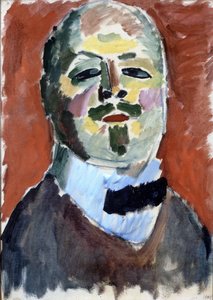
Alexej von Jawlensky
1864 - 1941 , Russland
Kurzinfos
- Bekannte Werke:
- Schokko mit rotem Hut
- Porträt von Alexander Sakharoff
- Violette Turban
- Einflüsse:
- Anton Ažbe
- Ferdinand Hodler
- Jan Verkade
- Paul Sérusier
- Geburtsdatum: 25. März 1865
- Geburtsort: Torzhok, Russland
- Künstlerische Bewegung: Expressionismus
- Nationalität: Russisch-Deutsch
- Todatum: 15. März 1941
- Vollständiger Name: Alexej Georgewitsch von Jawlensky
Ähnliche Artikel

Die Top 10 Gemälde in Schattierungen von 'Slate Blue': Kunst für Ihr Zuhause
Entdecken Sie die Top 10 Gemälde in faszinierenden 'Slate Blue' Tönen! Von Monet bis Manet – erleben Sie Kunstgeschichte und lassen Sie sich von Meisterwerken inspirieren. Hochwertige Kunstdrucke auf
The Allure of Azure: Exploring the Symbolic & Aesthetic Depths of Blue in Art History
Explore the rich history of blue in art! Discover its symbolism, from ancient pigments to modern masterpieces by Kandinsky & Seurat. Uncover the psychological impact and cultural meanings behind this captivating hue.
Clyfford Still's Abstract Expressionism: A Study of Color, Form & the Existential Landscape
Explore the profound world of Clyfford Still's Abstract Expressionism with ArtsDot. Discover his unique style, existential themes & investment potential. Expert analysis for discerning collectors.
Ivan Bilibin: A Synthesis of Folklore, Modernism & National Identity in Russian Illustration
Explore the enchanting world of Ivan Bilibin, a master Russian illustrator who synthesized folklore, Art Nouveau & national identity. Discover his iconic fairy tale illustrations and legacy with ArtsDot.
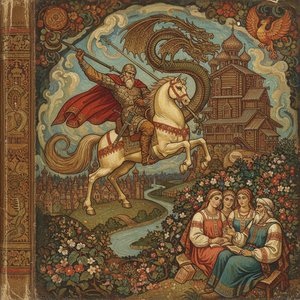
Victor Vasnetsov: Myth, Nationalism & the Revival of Russian Fairy Tale Painting
Explore the captivating world of Victor Vasnetsov, a co-founder of Russian folklorist painting. Discover his iconic works, influence on national identity, and lasting legacy in this expert guide.