

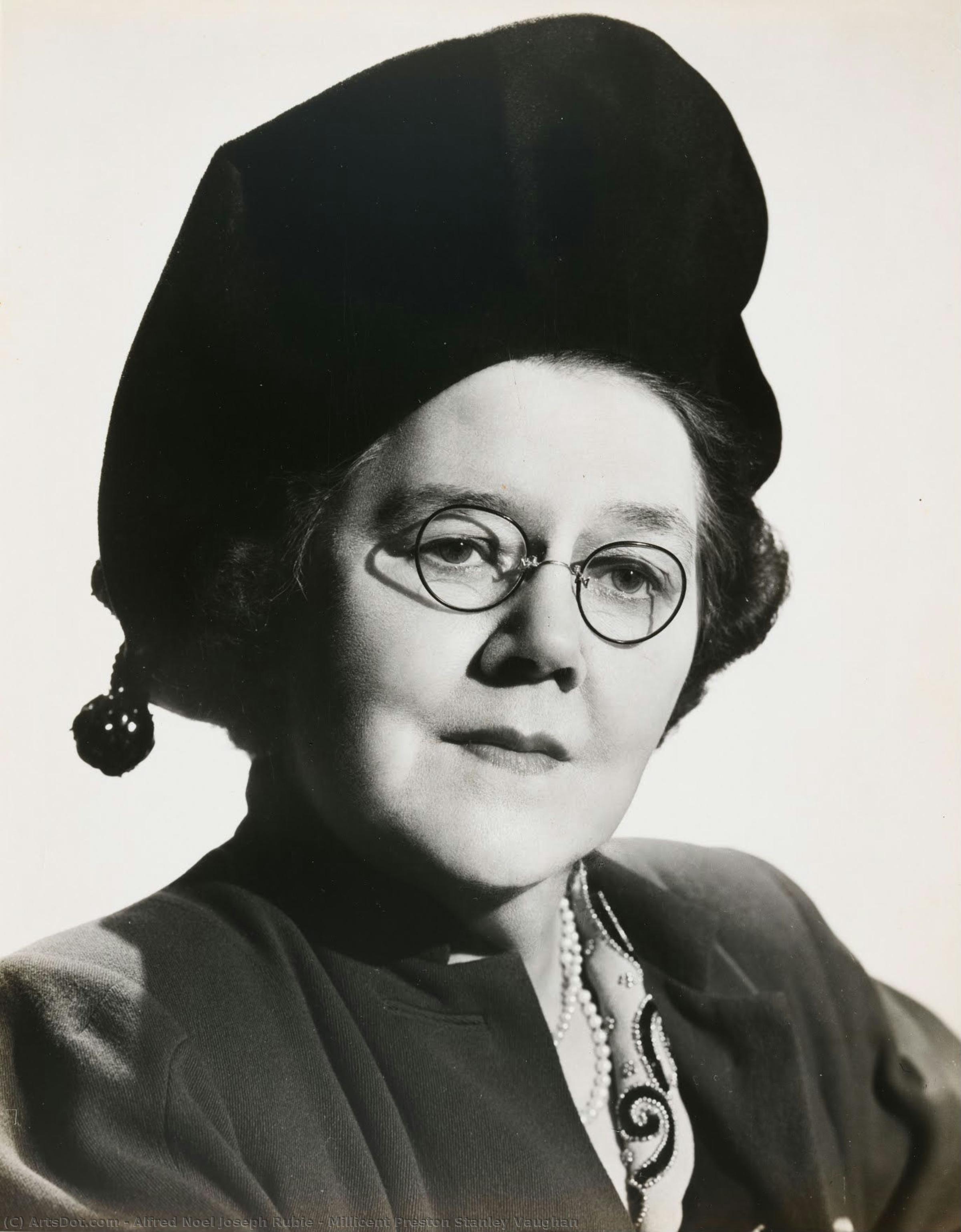
 Vorschau anzeigen
 Versenden
 Teilen
 Details anzeigen

 Herunterladen
 Ähnliche Objekte
 Röntgenaufnahme
 Diashow
 Stats
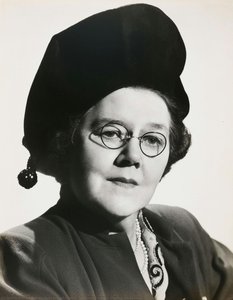
StatsMillicent Preston Stanley Vaughan
 1945
1945 24.0 x 19.0 cm
 National Portrait Gallery
 Weiterlesen
Erwerben Sie ein hochauflösendes, optimiertes digitales Bild, das der Online-Vorschau weit überlegen ist.
Jede Datei wird von unseren hauseigenen Spezialisten mit modernsten Werkzeugen und fachmännischer manueller Retusche sorgfältig vorbereitet. Wir stellen sicher, dass jedes Bild eine außergewöhnliche Klarheit, präzise Farbgenauigkeit und feinste Details aufweist.
Die endgültige Datei wird innerhalb von 72 Stunden per E-Mail zugestellt und ist für den sofortigen Einsatz in professionellen, redaktionellen und Druckumgebungen optimiert. Es handelt sich um dieselbe Qualität, der führende Designstudios, Verlage und Galerien vertrauen.
Digitales Bild
Laden Sie eine hochauflösende Datei für die persönliche Präsentation, den Druck und kreative Projekte herunter. ( Switch to Print Handgemalte Reproduktion bestellen)
In jeder Bestellung digitaler Bilder enthalten
Professionelle digitale Bereitstellung, garantiert
Wenn Sie sich für ArtsDot.com entscheiden, erhalten Sie nicht nur ein Bild – Sie erhalten ein professionell aufbereitetes digitales Kunstwerk, das mit höchster Präzision erstellt und durch eine Zufriedenheitsgarantie abgesichert wird. Hier ist alles, was automatisch mit Ihrer Bestellung geliefert wird:

Schnelle E-Mail-Zustellung
Ihre hochauflösende digitale Bilddatei wird Ihnen innerhalb von 72 Stunden nach der Bestellung per E-Mail zugestellt – bereit zur sofortigen Verwendung.

KI-optimierte digitale Datei
Ihre Kunstwerke werden professionell mithilfe fortschrittlicher KI-Tools und manueller Bearbeitung optimiert, um maximale Detailtreue, Klarheit und Farbgenauigkeit zu gewährleisten.

Lebenslanger kostenloser Neudruckservice
Datei versehentlich gelöscht oder verloren? Keine Sorge – wir senden sie Ihnen jederzeit kostenlos erneut zu.

Keine Einfuhrgebühren – jemals
Genießen Sie Ihr Kunstwerk sofort ohne Zollgebühren, Einfuhrabgaben oder Versandkosten – digitale Downloads sind immer steuerfrei.

Garantierte Farbtreue
Wir garantieren, dass Ihr digitales Bild mithilfe professioneller Werkzeuge und Farbmanagement die Originalfarben so präzise wie möglich wiedergibt.

100-Tage-Zufriedenheitsgarantie
Wenn Sie mit Ihrem digitalen Bild nicht zufrieden sind, werden wir es überarbeiten oder 100% innerhalb von 100 Tagen erstatten – ohne Wenn und Aber.

100% Geld-zurück-Garantie
Nicht zufrieden? Erhalten Sie innerhalb von 100 Tagen nach Erhalt Ihrer digitalen Datei eine vollständige Rückerstattung – ohne Wenn und Aber.

Rabatte bei Großbestellungen
3 Bilder kaufen, 10% sparen – 5 Bilder kaufen, 15% sparen – Ab 10 Bildern 20% sparen. Ideal für kreative Projekte, Galerien und Agenturen.
Ähnliche Kunstwerke





Biografie des Künstlers
Henri de Toulouse-Lautrec: A Life Painted in Shadow and Light
Henri de Toulouse-Lautrec (1864–1901) remains one of the most captivating figures in late 19th-century art, a man inextricably linked to his own legend. More than just an artist, he was an aristocratic, alcoholic dwarf who navigated the vibrant and often seedy underbelly of Parisian nightlife with a keen eye and a uniquely expressive style. His life—marked by physical hardship, social ostracism, and a relentless pursuit of artistic recognition—became as much a part of his art as the subjects he depicted. Born into privilege in Albi, France, Lautrec’s early years were shaped by illness and a profound sense of difference, experiences that would profoundly influence his later work.
Lautrec's childhood was defined by physical challenges stemming from a genetic condition—a consequence of consanguineous marriage between his parents. This resulted in stunted growth and a permanently sloping posture, creating a visible disparity between his upper body and lower limbs. While his family’s wealth afforded him an education at the prestigious National Academy of Design in Paris, this privileged background also served as a constant reminder of his outsider status. He sought refuge in art, finding solace and a means of expression amidst the social barriers he faced. His early artistic training focused on academic techniques, but Lautrec quickly rejected these constraints, seeking a more personal and expressive approach.
The late 1880s witnessed a dramatic shift in Lautrec’s artistic trajectory. Influenced by Impressionism and Post-Impressionism, particularly the work of Vincent van Gogh, he began experimenting with looser brushwork, brighter colors, and a more subjective portrayal of reality. He frequented Montmartre, the bohemian heart of Paris, immersing himself in its vibrant nightlife—cabarets, dance halls, and gambling dens. This environment became his primary subject matter, providing him with a wealth of compelling characters and scenes. Lautrec’s art wasn't merely documentation; it was an intimate exploration of human experience, capturing the energy, desperation, and fleeting beauty of Parisian life.
The World of Montmartre: Portraits of a Bohemian Scene
Lautrec’s most celebrated works depict the inhabitants of Montmartre—a diverse cast of characters including dancers, prostitutes, musicians, artists, and patrons. He didn't shy away from portraying the marginalized and the dispossessed, offering a sympathetic gaze to those often overlooked by mainstream society. His portraits are not idealized representations; they are raw, honest depictions of individuals grappling with their own lives and circumstances. The Moulin Rouge, for example, became a recurring subject, providing him with endless opportunities to capture the frenetic energy of its performances and the allure of its dancers.
Lautrec’s technique evolved throughout his career. Initially influenced by academic painting, he gradually developed a distinctive style characterized by loose brushstrokes, flattened perspectives, and an emphasis on color and movement. He employed *peinture à l'essence*, or oil thinned with turpentine, which allowed for rapid application of paint and created a shimmering, almost ethereal effect. This technique contributed to the sense of immediacy and spontaneity that permeates his work. His use of color was particularly striking—bold reds, vibrant blues, and deep purples were often employed to heighten the emotional impact of his scenes.
His most famous posters are prime examples of this style. He designed advertisements for the Moulin Rouge, the cabaret run by Valentin Lebrun, and other establishments in Montmartre. These posters weren’t simply promotional materials; they were works of art in their own right, capturing the spirit of the era with a blend of elegance and sensuality. They are considered to be among the most important examples of graphic design from the late 19th century.
A Complex Legacy: Alcoholism, Illness, and Artistic Struggle
Despite his artistic success, Lautrec’s life was plagued by personal struggles. He battled chronic alcoholism and suffered from severe health problems exacerbated by his physical condition. His aristocratic background and dwarfism led to social isolation and a deep-seated sense of inadequacy. These challenges profoundly impacted his mental and emotional state, contributing to his self-destructive tendencies.
His relationship with Vincent van Gogh was particularly poignant. Lautrec admired Van Gogh’s artistic vision but also recognized the tragic nature of his life. The two artists shared a brief period of correspondence, during which they discussed art and life. However, their paths diverged, and Lautrec ultimately succumbed to his own demons.
Lautrec died in 1901 at the young age of thirty-six, leaving behind a remarkable body of work that continues to captivate audiences today. His legacy is complex—a testament to both his artistic genius and his personal struggles. He remains an enduring symbol of Parisian bohemianism, a master of capturing the essence of a vibrant era.
The Influence of Toulouse-Lautrec
Toulouse-Lautrec’s influence on subsequent generations of artists is undeniable. His innovative use of color, loose brushwork, and focus on everyday subjects paved the way for Expressionism and other modern art movements. Artists such as Henri Matisse, Pablo Picasso, and Max Beckmann were all deeply influenced by his work.
Beyond the realm of fine art, Lautrec’s posters have had a lasting impact on graphic design. His bold compositions, dynamic layouts, and evocative imagery continue to inspire designers today. The enduring appeal of his work lies in its ability to capture the spirit of a bygone era—a time of change, excitement, and social upheaval.
His legacy is not just one of artistic innovation but also of human empathy. Lautrec’s willingness to depict marginalized individuals with honesty and compassion has made him a beloved figure in art history, reminding us of the importance of seeing beyond appearances and recognizing the humanity in all people.
alfred noel joseph rubie
1901 - 1975 , Australia
Kurzinfos
- Artistic Movement Or Style: Post-Impressionism
- Artists Or Movements Influenced By This Artist:
- Post-Impressionism
- Art Nouveau
- Artists Who Influenced This Artist:
- Edgar Degas
- Vincent van Gogh
- Date Of Birth: December 29, 1864
- Date Of Death: October 27, 1901
- Full Name: Henri de Toulouse-Lautrec
- Nationality: French
- Notable Artworks:
- Moulin Rouge poster
- At the Moulin Rouge
- Jane Avril
- Place Of Birth: Montpellier, France