 Vorschau anzeigen
 Versenden
 Teilen
 Details anzeigen

 Herunterladen
 Ähnliche Objekte
 Röntgenaufnahme
 Diashow
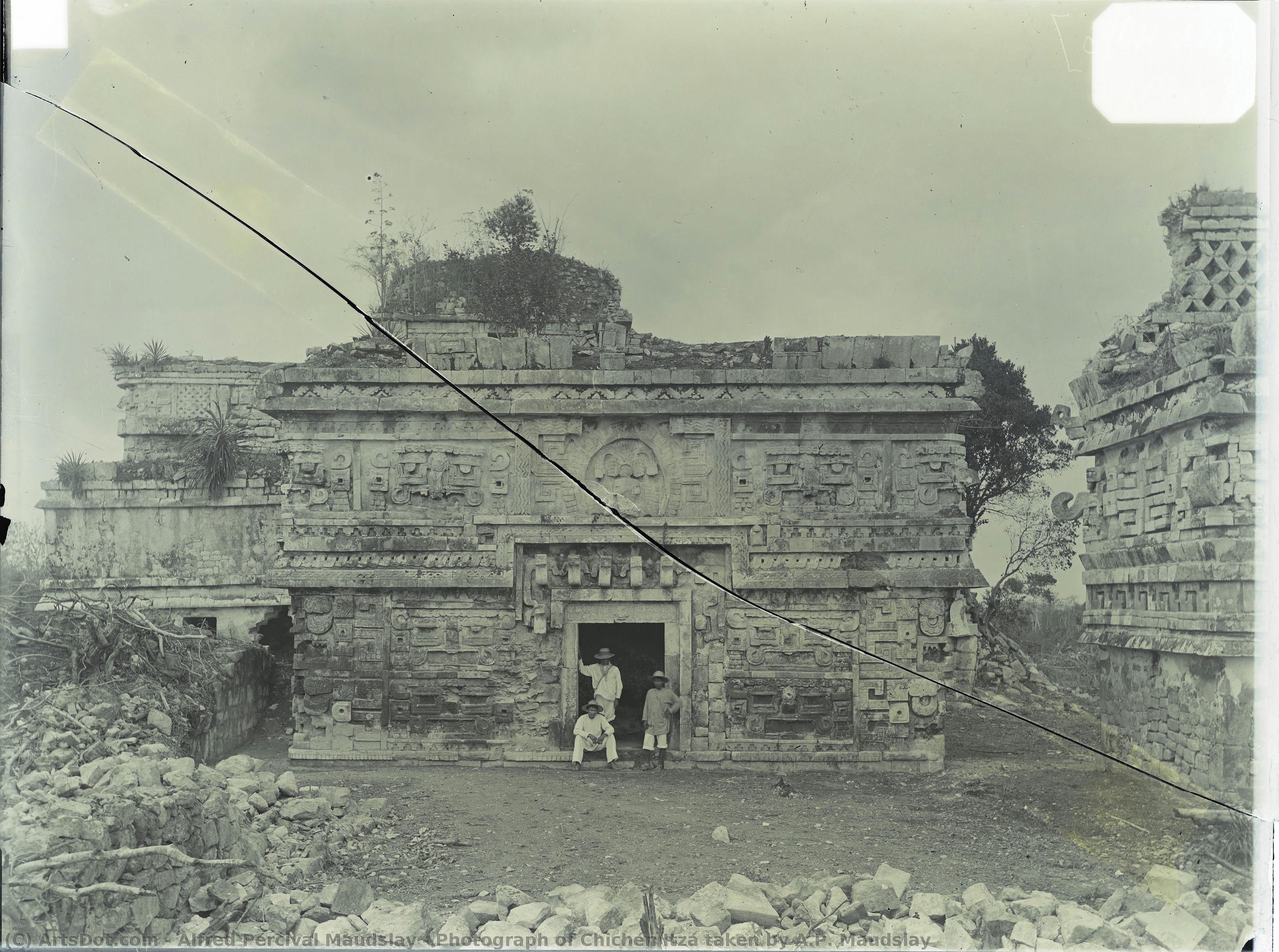
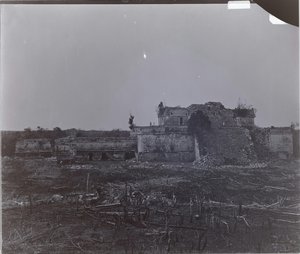
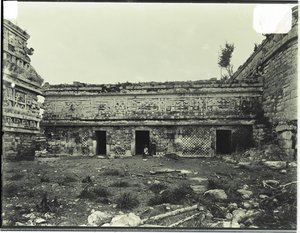
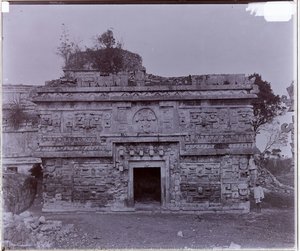
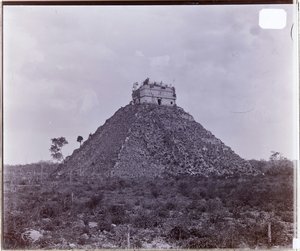
Photograph of Chichén Itzá taken by A.P. Maudslay
 Acrylic
- WallArt
- Documentary Photography
 1894
1894 16.0 x 21.0 cm
 British Museum
 Weiterlesen
Giclée / Kunstdruck
Giclée- oder Leinwanddruck in Museumsqualität mit schneller Produktion und flexiblen Veredelungsoptionen. ( Handgemalte Reproduktion bestellen Bild kaufen)




P118B $10

P118H $10

P118W $10

P438Z $10

P508JH $12

P508YH $12

P805H $10

P805Z $10

P919BZ $10

P919G $10

P919XJ $10

P959ZH $10

P968JZ $12

W106C $8

W218G $10

W218JH $8

W218Y $10

W307PJ $10

W316G $10

W316PJ $8

W316Y $10

W398PJ $8

W4111J $10

W500HY $15

W500JH $15

W692G $12

W849H $8

W940BG $15

W953PJ $8




Wählen Sie aus unseren vordefinierten Formaten, die den ursprünglichen Proportionen des Kunstwerks entsprechen.

Sie können Ihre eigenen Maße eingeben, um ein bestimmtes Format oder einen speziellen Platz einzupassen. Wenn das von Ihnen gewählte Format nicht den Proportionen des Originalbildes entspricht, werden wir das Kunstwerk entweder beschneiden oder das Bild mit einem gespiegelten oder einfarbigen Rand erweitern. Ein digitaler Entwurf wird Ihnen zur Genehmigung zugesandt, bevor die Produktion beginnt.
Bitte beachten Sie, dass die Vorschau auf dem Bildschirm nicht den tatsächlichen Zuschnitt oder die Erweiterung widerspiegelt. Nur der Entwurf zeigt die endgültige Komposition präzise an.
Obwohl Sondermaße verfügbar sind, empfehlen wir die Auswahl eines Maßes aus der vordefinierten Liste, um die ursprünglichen Proportionen zu bewahren.
Weltweiter Versand () innerhalb von 2 Wochen statt der üblichen 4/5 Wochen. (3 September)

Kostenloser weltweiter Expressversand

Hochwertige Leinenleinwand

Umfassender Versicherungsschutz beim Versand

Zollgebühren-Rückerstattungsgarantie

Garantie für exakte Farbtreue

60 Tage Rückgaberecht (nur bei Mängeln)

100% Geld-zurück-Garantie

Mengenrabatt verfügbar
 Die Glasoption ist nur für Größen unter 110 cm verfügbar.

Photograph of Chichén Itzá taken by A.P. Maudslay
Giclée / Kunstdruck
Format der Reproduktion
-


Gesamtpreis
$ 62
A Window Into Ancient Majesty: Photograph of Chichén Itzá by A.P. Maudslay
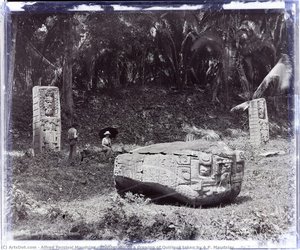
Captured in 1894 during the burgeoning era of archaeological exploration, Alfred Percival Maudslay’s photograph of Chichén Itzá offers more than just a visual record; it's a poignant glimpse into a world on the cusp of transformation. This remarkable image transcends mere documentation, becoming a testament to early colonial encounters with one of Mesoamerica’s most awe-inspiring ruins. The composition immediately draws the eye to a substantial stone structure – likely part of the Great Ball Court – its weathered surface hinting at centuries of exposure and silent witness to the rise and fall of the Mayan civilization. Scattered around this monumental edifice are figures, presumably early tourists or explorers, adding a crucial element of scale and human interaction to the scene, suggesting an initial fascination with the ancient site.
A Chronicle of Discovery: Context and Technique
Maudslay’s photograph is deeply rooted in the late 19th-century spirit of exploration. He wasn't simply documenting; he was actively involved in shaping our understanding of Chichén Itzá, pioneering archaeological methods and meticulously recording its details. The image itself speaks to the limitations – and advancements – of the era’s photographic technology. Utilizing dry plate photography, a relatively new process at the time, Maudslay skillfully captured the light and texture of the stone, relying on careful composition and exposure to convey depth and detail. The muted tones—a palette of grays, browns, and whites—are characteristic of this technique, lending an air of authenticity and historical weight to the scene. The photograph’s dimensions – 16 x 21 cm – further emphasize its intimate scale, inviting a close examination of its intricate details.
Decoding Symbolism: Stone, Figures, and the Passage of Time
Beyond its technical merits, the photograph is rich in symbolic meaning. The imposing stone structure itself represents the enduring legacy of the Mayan civilization – a testament to their architectural prowess and sophisticated understanding of mathematics and astronomy. The figures in the foreground are not merely observers; they embody humanity’s innate desire to explore, understand, and connect with the past. Their presence highlights the initial wonder and perhaps even a touch of intrusion as Western eyes first encountered this extraordinary site. The weathered stone, worn by time and elements, serves as a powerful metaphor for the passage of time, reminding us of the impermanence of human endeavors against the backdrop of geological history.
A Legacy Preserved: Maudslay’s Contribution and Reproduction
Alfred Percival Maudslay's work extended far beyond this single photograph. He was a prolific archaeologist, ethnographer, and translator, most notably for his comprehensive translation of Bernal Díaz del Castillo’s The Journey to the Holy Land. His meticulous documentation of Chichén Itzá, culminating in the monumental five-volume Biologia Centrali-Americana: Archaeology, remains a cornerstone of Mayan studies. Today, reproductions of this photograph offer an accessible way to appreciate Maudslay’s pioneering work and connect with the rich history of Chichén Itzá. When acquiring a reproduction, one can contemplate not only the beauty of the image but also the profound impact it had on shaping our understanding of this remarkable ancient civilization.
Artist: Alfred Percival Maudslay (1850-1931) Birth Year: 1850 Birth City: London Birth Country: United Kingdom
Additional Research Links:
Ähnliche Kunstwerke
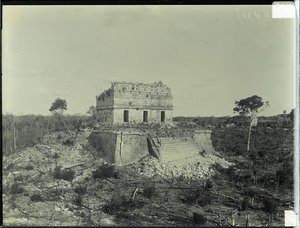
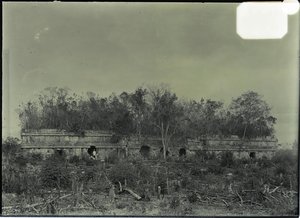
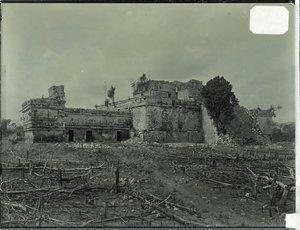
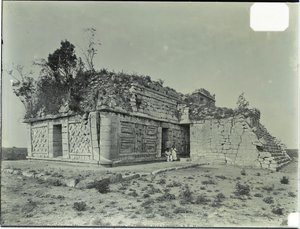
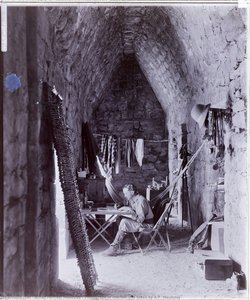
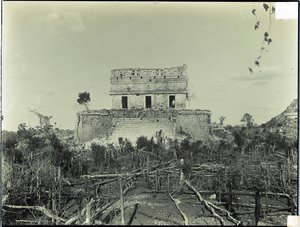
Über den Künstler
Frühes Leben und Bildung
Alfred Percival Maudslay, ein britischer Kolonialadministrator und Archäologe, wurde am 18. März 1850 in London in eine wohlhabende Familie hineingeboren. Er studierte Naturwissenschaften an Trinity Hall, Cambridge und erwarb 1872 einen Bachelor of Arts.Beruf und Reisen
Maudslays frühe Pläne für eine medizinische Karriere wurden aufgeschoben, als er mit seinem Bruder durch Zentralamerika, Mexiko und Teile der Vereinigten Staaten reiste. Diese Reise weckte ein Interesse an der Archäologie, das später sein Vermächtnis prägen sollte. Nach seiner Rückkehr nach Hause verschob Maudslay das Medizinstudium erneut, um 1873 nach Island zu reisen. Seine chronische Bronchitis veranlasste ihn, nach einem wärmeren Klima zu suchen, was zu einer Reihe von Positionen auf Jamaika, Trinidad und schließlich im Südpazifik führte.Archäologische Beiträge
Maudslays Zeit in den britischen Pazifikkolonien legte das Fundament für seine zukünftigen archäologischen Bestrebungen. Er entwickelte ein Interesse an der Sammlung ethnografischer Materialien, was später zur Gründung des University Museum of Archaeology and Ethnology at Cambridge beitragen sollte. Sein Freund, der Ornithologe Osbert Salvin, ermutigte Maudslay, die Maya-Ruinen von Quiriguá und Copán zu erkunden.Bemerkenswerte Leistungen
Maudslay war der Erste, der die Stätte von Yaxchilán beschrieb.
Er erforschte Chichén in den 1880er Jahren und nahm umfangreiche Fotografien auf.
Er veröffentlichte die erste ausführliche Beschreibung von Chichen Itza in seinem Buch „Biologia Centrali-Americana“.
Er erstellte eine vollständige Übersetzung mit Anmerkungen von Bernal Díaz del Castillos Historia, die bis heute die Standard-englische Ausgabe ist.
Künstlerisches Vermächtnis
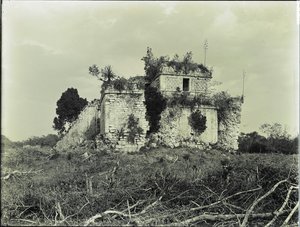
Maudslays Fotografien und Schriften wurden bewahrt und bieten einen einzigartigen Einblick in die Welt der Archäologie des 19. Jahrhunderts. Seine Werke lassen sich in verschiedenen Museen finden, darunter das British Museum (London, Vereinigtes Königreich), das mehrere seiner Fotografien beherbergt.- Photograph of Chichén Itzá taken by A.P. Maudslay (16 x 21 cm, British Museum, Fotografie)
- Photograph of Chichén Itzá taken by A.P. Maudslay (25 x 30 cm, British Museum, Fotografie)
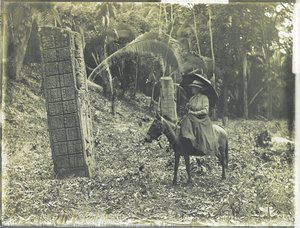
- Photograph of Copán taken by A.P. Maudslay (31 x 25 cm, British Museum, Fotografie)
Fazit
Das Vermächtnis von Alfred Percival Maudslay ist ein Zeugnis der Kraft der Neugier und der Entdeckung. Von seinen frühen Tagen als Kolonialadministrator bis zu seinen späteren Jahren als Archäologe inspiriert und bildet Maudslays Werk weiterhin.
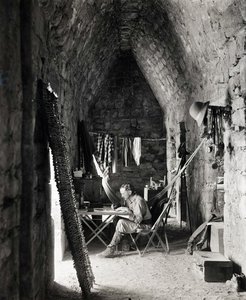
Alfred Percival Maudslay
1850 - 1931 , Vereinigtes Königreich
Kurzinfos
- Artistic Movement Or Style: Archäologie/Fotografie
- Date Of Birth: 1850
- Date Of Death: 1931
- Full Name: Alfred Percival Maudslay
- Nationality: Britisch
- Notable Artworks: ['Fotografie von Chichén Itzá']
- Place Of Birth: London, Vereinigtes Königreich
Ähnliche Artikel
Hubert Robert und die Romantik der Ruinen: Eine Studie zur künstlerischen Innovation und Antikenbegeisterung
Entdecken Sie die faszinierende Welt von Hubert Robert und seiner Ruinenmalerei! Expertenanalyse zu Techniken, Motiven & Investitionspotenzial für anspruchsvolle Kunstsammler. ArtsDot bietet hochwertige Reproduktionen.
Die 10 Meisterwerke der Dokumentarfotografie – Kunst für Ihr Zuhause |
Entdecken Sie die 10 prägendsten Meisterwerke der Dokumentarfotografie! Von Cartier-Bresson bis Capa – erleben Sie ikonische Bilder, ihre Geschichte & Techniken. Hochwertige Reproduktionen für Ihr Zuhause auf
Die Wiedergeburt der Erinnerung: Künstlerische Rekonstruktion niedrigauflösender Fotografien in hochauflösende Ölmalereien
Verwandeln Sie Ihre wertvollen alten Fotos in einzigartige Ölmalereien! Professionelle Rekonstruktion & individuelle Kunstwerke von erfahrenen Künstlern. Jetzt Anfrage stellen!
Aaron Siskind: Deconstructing Reality – A Photographic Exploration of Texture, Form & the Abstract Landscape
Explore the transformative journey of Aaron Siskind, from social realism to pioneering abstract photography. Discover his iconic series & lasting influence on modern art. A guide for collectors.
Giovanni Battista Piranesi: Visionary of Ruins & Architect of Imagination
Explore the life & work of Giovanni Battista Piranesi, master etcher of Roman views & creator of the haunting 'Carceri d'Invenzione'. Discover his architectural vision and lasting influence on art history.