 Vorschau anzeigen
 Versenden
 Teilen
 Details anzeigen

 Herunterladen
 Ähnliche Objekte
 Röntgenaufnahme
 Diashow
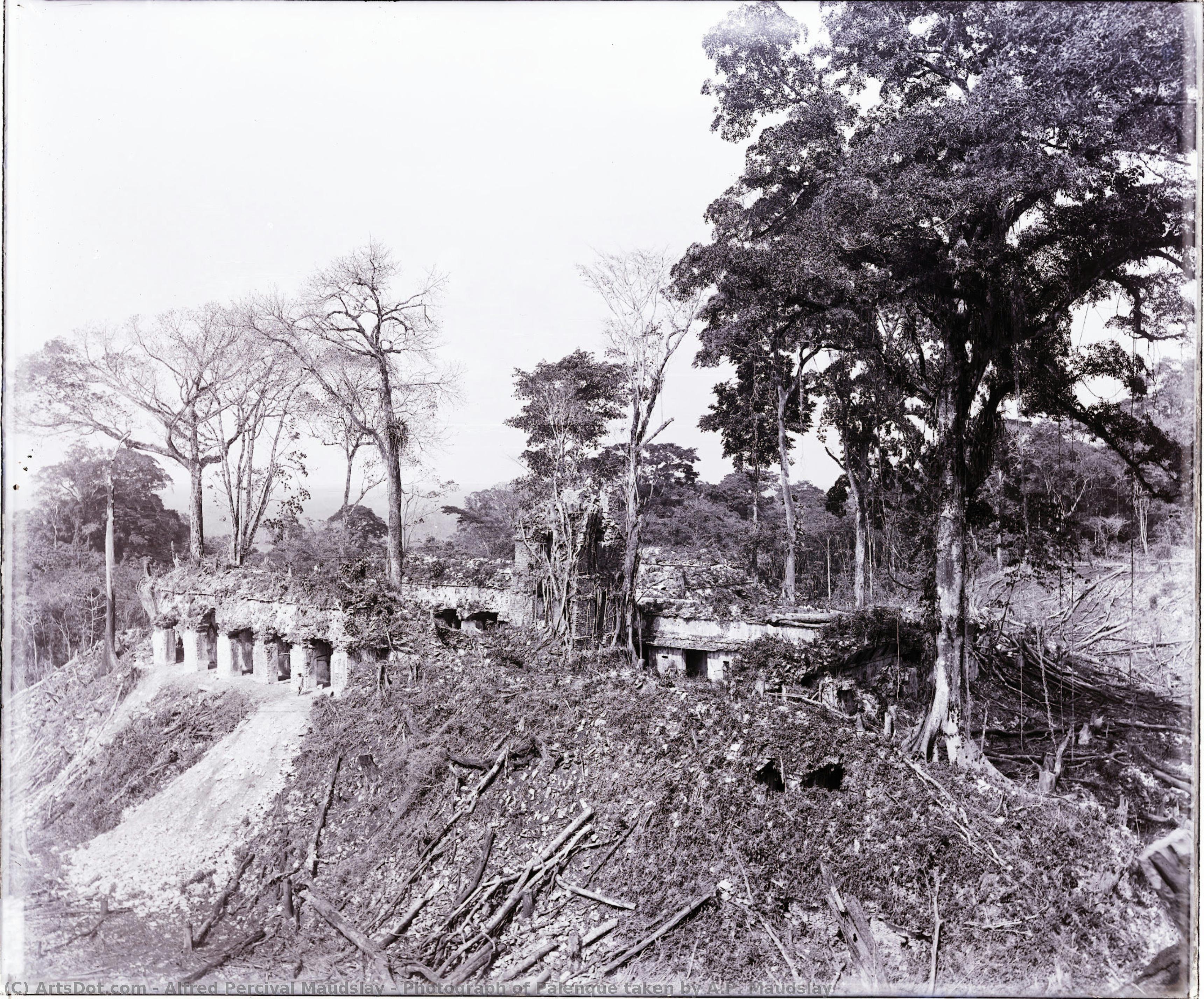
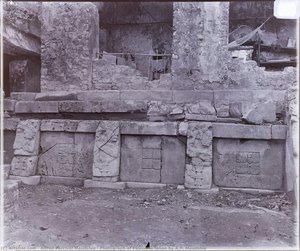
Photograph of Palenque taken by A.P. Maudslay
 Acrylic On Canvas
- WallArt
- Documentary Photography
 1894
1894 25.0 x 30.0 cm
 British Museum
 Weiterlesen
Handgefertigte Ölreproduktion
Handgemaltes Ölgemälde auf Leinwand in Ihrer Wunschgröße und mit Rahmen, auf Bestellung von unseren Künstlern angefertigt. ( Druck bestellen Bild kaufen)




P118B $10

P118H $10

P118W $10

P438Z $10

P508JH $12

P508YH $12

P805H $10

P805Z $10

P919BZ $10

P919G $10

P919XJ $10

P959ZH $10

P968JZ $12

W106C $8

W218G $10

W218JH $8

W218Y $10

W307PJ $10

W316G $10

W316PJ $8

W316Y $10

W398PJ $8

W4111J $10

W500HY $15

W500JH $15

W692G $12

W849H $8

W940BG $15

W953PJ $8




Wählen Sie aus unseren vordefinierten Formaten, die den ursprünglichen Proportionen des Kunstwerks entsprechen.

Sie können Ihre eigenen Maße eingeben, um einen bestimmten Rahmen oder Platz auszufüllen. Wenn die gewählte Größe nicht den Proportionen des Originalbildes entspricht, werden wir das Kunstwerk entweder beschneiden oder das Gemälde durch zusätzliche, handgemalte Elemente erweitern. Ein digitales Mockup wird Ihnen zur Genehmigung zugesandt, bevor die Produktion beginnt.
Bitte beachten Sie, dass die Bildschirmvorschau nicht die tatsächliche Beschneidung oder Erweiterung widerspiegelt. Nur das Mockup zeigt die endgültige Komposition exakt an.
Obwohl Sondermaße verfügbar sind, empfehlen wir, eine Größe aus der vordefinierten Liste zu wählen, um die ursprünglichen Proportionen beizubehalten.
Nach der Bestellung wird das ArtsDot.com-Team dem Kunden Anweisungen per E-Mail zusenden und eine Mockup-Vorschau bereitstellen.
Weltweiter Versand () in nur 3 bis 4 Wochen statt der üblichen 5 Wochen. (3 September). Keine Kompromisse bei der Qualität.

Kostenloser weltweiter Expressversand

Hochwertige Leinenleinwand

Umfassender Versicherungsschutz beim Versand

Zollgebühren-Rückerstattungsgarantie

Garantie für exakte Farbtreue

60 Tage Rückgaberecht (nur bei Mängeln)

100% Geld-zurück-Garantie

Mengenrabatt verfügbar
 Die Glasoption ist nur für Größen unter 110 cm verfügbar.

Photograph of Palenque taken by A.P. Maudslay
Art der Reproduktion
Format der Reproduktion
-


Gesamtpreis
$ 363
A Glimpse into Lost Worlds: Maudslay’s Palenque Photograph
Alfred Percival Maudslay's 1894 photograph of the ruins of Palenque in Mexico is more than a simple depiction of an ancient city; it’s a poignant window into a vanished civilization and a testament to the pioneering work of a dedicated explorer. Captured during his extensive travels throughout Central America for the British Museum, this monochrome image transcends mere documentation, offering a hauntingly beautiful meditation on time, decay, and the enduring allure of the Maya world.
The photograph itself is remarkably intimate, eschewing grand vistas in favor of a carefully composed scene. A winding path, likely constructed by Maudslay himself, leads the eye towards the crumbling remains of structures – primarily the Temple of Inscriptions, recognizable by its distinctive pyramid shape – partially enveloped by the dense, verdant jungle. Scattered amongst the stones and vegetation are several human figures, small in scale against the monumental backdrop, suggesting both the ambition of exploration and the humbling presence of a history far older than any European endeavor.
The Explorer’s Eye: Technique and Context
Maudslay's approach to photography was deeply informed by his archaeological pursuits. He wasn’t simply recording; he was actively engaged in documenting, measuring, and collecting artifacts – a practice that reflects the prevailing attitudes of colonial-era explorers. The photograph was likely produced on a glass plate negative, a relatively new technology at the time, demanding meticulous control over exposure and development to achieve the subtle tonal range visible today. The resulting image possesses a characteristic ‘daguerreotype’ quality—a soft focus and slightly muted colors indicative of the photographic processes prevalent in the late 19th century.
Crucially, Maudslay wasn't merely an observer; he was a meticulous scholar and ethnographer. He meticulously documented the glyphs and architecture of Palenque, believing that understanding these elements held the key to unlocking the secrets of the Maya civilization. His work extended beyond photography, encompassing detailed drawings, notes, and even the acquisition of Mayan artifacts – a practice that, viewed through a modern lens, raises complex ethical considerations regarding cultural appropriation.
Symbolism in Stone and Shadow
The photograph’s power lies not just in its technical merit but also in its evocative symbolism. The overgrown ruins represent the relentless march of time and nature's inevitable reclamation of human endeavors. The jungle, teeming with life, subtly suggests a continuity that transcends the collapse of Palenque’s political and social structures. The small figures within the frame serve as reminders of humanity’s fleeting presence against the backdrop of an ancient legacy.
Furthermore, the monochrome palette contributes to a sense of melancholy and timelessness. The absence of color emphasizes the textures – the rough-hewn stone, the tangled roots, the weathered wood – inviting viewers to contemplate the physical realities of Palenque’s decline. The play of light and shadow creates an atmosphere of mystery, hinting at untold stories buried within the ruins.
A Legacy Preserved: Reproduction and Appreciation
Today, Maudslay's photograph stands as a remarkable artifact, offering a rare glimpse into a lost world. Reproductions, such as those offered by ArtsDot.com, allow us to appreciate the detail and artistry of his work while acknowledging its complex historical context. When considering a reproduction, it’s important to recognize that this image represents not just a scene but also the perspective – and the biases – of an explorer navigating a world vastly different from our own. It is a powerful reminder of the enduring fascination with ancient civilizations and the ongoing quest to understand their stories.
Ähnliche Kunstwerke
Über den Künstler
Frühes Leben und Bildung
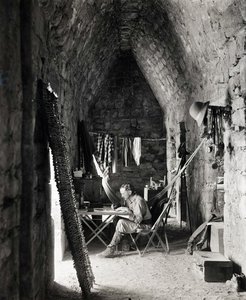
Alfred Percival Maudslay, ein britischer Kolonialadministrator und Archäologe, wurde am 18. März 1850 in London in eine wohlhabende Familie hineingeboren. Er studierte Naturwissenschaften an Trinity Hall, Cambridge und erwarb 1872 einen Bachelor of Arts.Beruf und Reisen
Maudslays frühe Pläne für eine medizinische Karriere wurden aufgeschoben, als er mit seinem Bruder durch Zentralamerika, Mexiko und Teile der Vereinigten Staaten reiste. Diese Reise weckte ein Interesse an der Archäologie, das später sein Vermächtnis prägen sollte. Nach seiner Rückkehr nach Hause verschob Maudslay das Medizinstudium erneut, um 1873 nach Island zu reisen. Seine chronische Bronchitis veranlasste ihn, nach einem wärmeren Klima zu suchen, was zu einer Reihe von Positionen auf Jamaika, Trinidad und schließlich im Südpazifik führte.Archäologische Beiträge
Maudslays Zeit in den britischen Pazifikkolonien legte das Fundament für seine zukünftigen archäologischen Bestrebungen. Er entwickelte ein Interesse an der Sammlung ethnografischer Materialien, was später zur Gründung des University Museum of Archaeology and Ethnology at Cambridge beitragen sollte. Sein Freund, der Ornithologe Osbert Salvin, ermutigte Maudslay, die Maya-Ruinen von Quiriguá und Copán zu erkunden.Bemerkenswerte Leistungen
Maudslay war der Erste, der die Stätte von Yaxchilán beschrieb.
Er erforschte Chichén in den 1880er Jahren und nahm umfangreiche Fotografien auf.
Er veröffentlichte die erste ausführliche Beschreibung von Chichen Itza in seinem Buch „Biologia Centrali-Americana“.
Er erstellte eine vollständige Übersetzung mit Anmerkungen von Bernal Díaz del Castillos Historia, die bis heute die Standard-englische Ausgabe ist.
Künstlerisches Vermächtnis
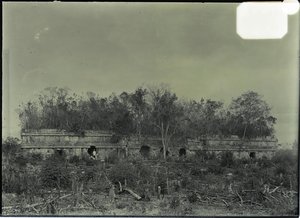
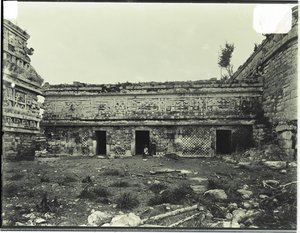
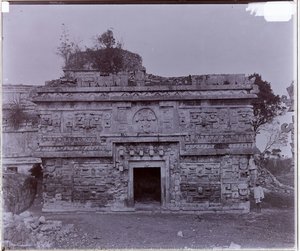
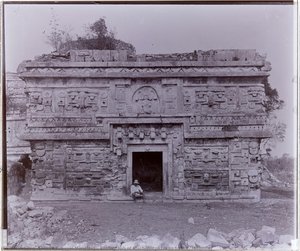
Maudslays Fotografien und Schriften wurden bewahrt und bieten einen einzigartigen Einblick in die Welt der Archäologie des 19. Jahrhunderts. Seine Werke lassen sich in verschiedenen Museen finden, darunter das British Museum (London, Vereinigtes Königreich), das mehrere seiner Fotografien beherbergt.- Photograph of Chichén Itzá taken by A.P. Maudslay (16 x 21 cm, British Museum, Fotografie)
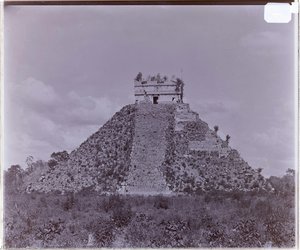
- Photograph of Chichén Itzá taken by A.P. Maudslay (25 x 30 cm, British Museum, Fotografie)
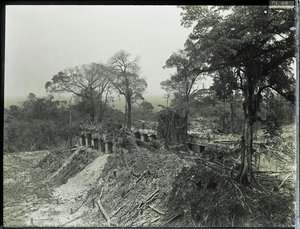
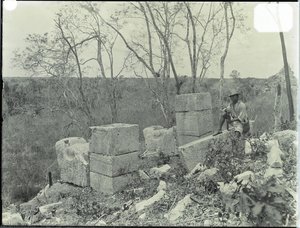
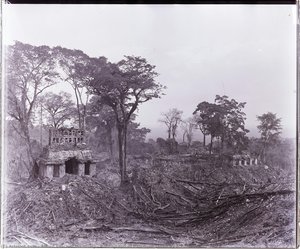
- Photograph of Copán taken by A.P. Maudslay (31 x 25 cm, British Museum, Fotografie)
Fazit
Das Vermächtnis von Alfred Percival Maudslay ist ein Zeugnis der Kraft der Neugier und der Entdeckung. Von seinen frühen Tagen als Kolonialadministrator bis zu seinen späteren Jahren als Archäologe inspiriert und bildet Maudslays Werk weiterhin.
Alfred Percival Maudslay
1850 - 1931 , Vereinigtes Königreich
Kurzinfos
- Artistic Movement Or Style: Archäologie/Fotografie
- Date Of Birth: 1850
- Date Of Death: 1931
- Full Name: Alfred Percival Maudslay
- Nationality: Britisch
- Notable Artworks: ['Fotografie von Chichén Itzá']
- Place Of Birth: London, Vereinigtes Königreich
Ähnliche Artikel

Monochrome Visions: Exploring the Aesthetic & Historical Significance of Black & White Photography
Explore the rich history & artistic power of black and white photography. From early techniques to iconic masters like Ansel Adams, discover why monochrome continues to captivate art lovers today. Expert insights for collectors.
Beyond the Lens: Photography's Enduring Influence on Modern & Contemporary Art
Explore photography's pivotal role in shaping modern & contemporary art. Discover key movements, influential artists like Stieglitz, and expert collecting advice from ArtsDot.

Pictorialism: A Search for Artistic Photography's Soul – Aesthetics, Techniques & Legacy
Explore the captivating world of Pictorialism – a pivotal movement that transformed photography into fine art. Discover key artists like Stieglitz & Käsebier, techniques, and collecting tips from experts.
Witnessing History Through Lens & Light: Documentary Photography's Enduring Legacy
Explore the powerful history of documentary photography – from its origins to contemporary masters like Gordon Parks & W. Eugene Smith. Discover how this art form shapes our understanding of society and witness pivotal moments in time.
Die 10 Meisterwerke der Dokumentarfotografie – Kunst für Ihr Zuhause |
Entdecken Sie die 10 prägendsten Meisterwerke der Dokumentarfotografie! Von Cartier-Bresson bis Capa – erleben Sie ikonische Bilder, ihre Geschichte & Techniken. Hochwertige Reproduktionen für Ihr Zuhause auf