 Vorschau anzeigen
 Versenden
 Teilen
 Details anzeigen

 Herunterladen
 Ähnliche Objekte
 Röntgenaufnahme
 Diashow
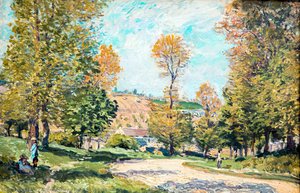
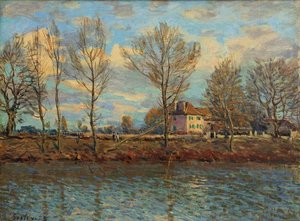
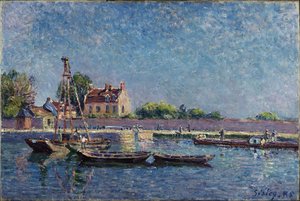
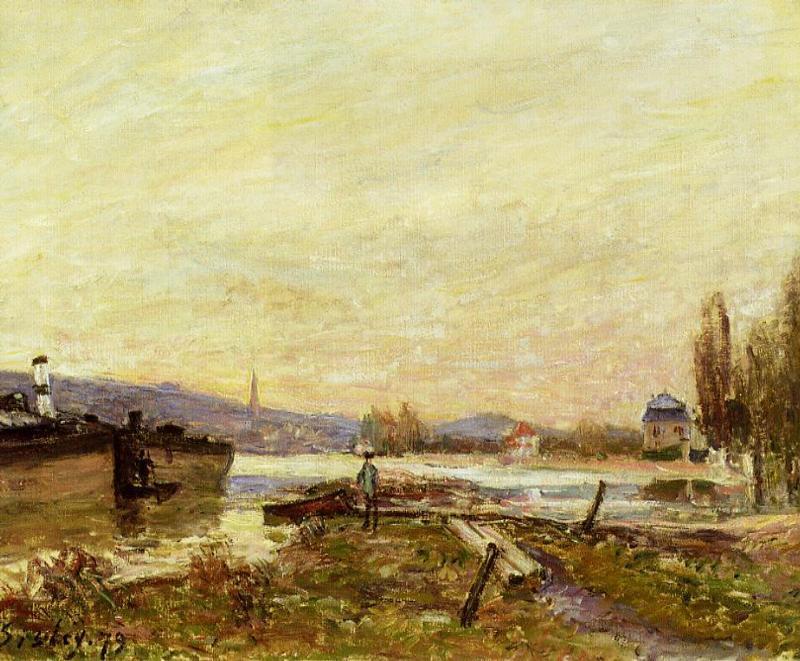
Saint Cloud, Banks of the Seine
 Oil On Canvas
- WallArt
- Impressionism
 1879
1879- 19th Century
 38.0 x 46.0 cm
 Weiterlesen
Giclée / Kunstdruck
Giclée- oder Leinwanddruck in Museumsqualität mit schneller Produktion und flexiblen Veredelungsoptionen. ( Handgemalte Reproduktion bestellen Bild kaufen)




P118B $10

P118H $10

P118W $10

P438Z $10

P508JH $12

P508YH $12

P805H $10

P805Z $10

P919BZ $10

P919G $10

P919XJ $10

P959ZH $10

P968JZ $12

W106C $8

W218G $10

W218JH $8

W218Y $10

W307PJ $10

W316G $10

W316PJ $8

W316Y $10

W398PJ $8

W4111J $10

W500HY $15

W500JH $15

W692G $12

W849H $8

W940BG $15

W953PJ $8




Wählen Sie aus unseren vordefinierten Formaten, die den ursprünglichen Proportionen des Kunstwerks entsprechen.

Sie können Ihre eigenen Maße eingeben, um ein bestimmtes Format oder einen speziellen Platz einzupassen. Wenn das von Ihnen gewählte Format nicht den Proportionen des Originalbildes entspricht, werden wir das Kunstwerk entweder beschneiden oder das Bild mit einem gespiegelten oder einfarbigen Rand erweitern. Ein digitaler Entwurf wird Ihnen zur Genehmigung zugesandt, bevor die Produktion beginnt.
Bitte beachten Sie, dass die Vorschau auf dem Bildschirm nicht den tatsächlichen Zuschnitt oder die Erweiterung widerspiegelt. Nur der Entwurf zeigt die endgültige Komposition präzise an.
Obwohl Sondermaße verfügbar sind, empfehlen wir die Auswahl eines Maßes aus der vordefinierten Liste, um die ursprünglichen Proportionen zu bewahren.
Weltweiter Versand () innerhalb von 2 Wochen statt der üblichen 4/5 Wochen. (25 August)

Kostenloser weltweiter Expressversand

Hochwertige Leinenleinwand

Umfassender Versicherungsschutz beim Versand

Zollgebühren-Rückerstattungsgarantie

Garantie für exakte Farbtreue

60 Tage Rückgaberecht (nur bei Mängeln)

100% Geld-zurück-Garantie

Mengenrabatt verfügbar
 Die Glasoption ist nur für Größen unter 110 cm verfügbar.

Saint Cloud, Banks of the Seine
Giclée / Kunstdruck
Format der Reproduktion
-


Gesamtpreis
$ 62
Sammlerstück-Beschreibung
Saint Cloud, Banks of the Seine: A Moment Frozen in Impressionist Light
Alfred Sisley’s “Saint Cloud, Banks of the Seine” is more than just a depiction of a riverside scene; it's an exquisite distillation of the Impressionist philosophy – a fleeting capture of light, atmosphere, and the quiet beauty of everyday life. Created in 1879, this oil-on-canvas painting transports us to the tranquil banks of the Seine near Saint Cloud, offering a serene glimpse into a world where time seems to slow down.
- Subject Matter: The scene unfolds with remarkable clarity – a small boat gliding across the water, reflecting the diffused sunlight; distant mountains providing a majestic backdrop; and figures scattered along the riverbank, adding a touch of human presence to the natural landscape.
- Style & Technique: Sisley’s mastery lies in his masterful use of short, broken brushstrokes – a hallmark of Impressionism. These strokes aren't merely applied; they are meticulously crafted to evoke movement and texture, particularly evident in the shimmering water and the billowing sails of the boat. The color palette is dominated by soft blues, greens, and greys, creating a harmonious and calming effect.
- Historical Context: Painted during a pivotal moment for Impressionism, this work reflects the movement’s rejection of traditional academic painting styles. Sisley, along with Monet and Pissarro, sought to capture the immediate sensory experience – the way light interacts with objects and the transient effects of weather – rather than striving for photographic realism.
The Artist's Vision: Alfred Sisley and the Pursuit of Light
Alfred Sisley (1839-1899) was a key figure in the Impressionist movement, renowned for his evocative landscapes, particularly those depicting the Seine River. Born in Paris to British parents, he navigated a unique position within the artistic community, retaining his British citizenship despite dedicating his life to French art. This biographical detail adds an intriguing layer to understanding his work – perhaps a subtle awareness of being ‘other’ informed his focus on capturing the beauty of the natural world, a realm accessible to all.
Sisley's approach was deeply rooted in observation and a profound appreciation for light. He spent countless hours studying the effects of sunlight on water, stone, and foliage, meticulously translating these observations onto canvas. His paintings are characterized by a remarkable sensitivity to atmosphere, creating an almost palpable sense of space and depth.
Symbolism and Emotional Impact: A Journey into Serenity
"Saint Cloud, Banks of the Seine" isn't simply a picturesque landscape; it’s imbued with a quiet emotional resonance. The scene evokes feelings of peace, tranquility, and contemplation – qualities central to the Impressionist aesthetic. The gentle movement of the water, the distant mountains, and the solitary figures all contribute to this sense of serenity.
The inclusion of birds in flight adds another layer of symbolism, representing freedom, aspiration, and a connection to the natural world. The fence, a subtle detail, might represent boundaries or perhaps a place for gathering – inviting the viewer to share in the scene’s quiet contemplation.
A Handcrafted Reproduction: Bringing Sisley's Vision Home
This meticulously crafted oil painting reproduction of “Saint Cloud, Banks of the Seine” captures every nuance and detail of the original artwork. Created using traditional hand-painting techniques, this reproduction offers a truly authentic representation of Sisley’s masterpiece. Measuring 38 x 46 cm, it's perfectly sized for display in a variety of settings – from a formal living room to a cozy study.
More than just an image, this reproduction is an investment in art history and a beautiful addition to any collection. It’s a chance to experience the timeless beauty of Alfred Sisley’s vision and bring a touch of Impressionist serenity into your home.
Ähnliche Kunstwerke
Über den Künstler
Alfred Sisley: Ein Leben für den Impressionismus
Frühes Leben und Ausbildung
- Alfred Sisley wurde am 30. Oktober 1839 in Paris als Sohn von William Sisley, einem Seidenhändler, und Felicia Sell, einer Musikkennerin, geboren.
- Im Jahr 1857 zog er im Alter von 18 Jahren nach London, um eine Karriere im Geschäftsleben zu verfolgen, gab diesen Beruf aber bald auf.
- Er kehrte 1861 nach Paris zurück und begann 1862 seine künstlerische Ausbildung unter dem Schweizer Künstler Marc-Charles-Gabriel Gleyre an der École des Beaux-Arts.
- Dort befreundete er sich mit den Künstlern Frédéric Bazille, Claude Monet und Pierre-Auguste Renoir, was entscheidende Beziehungen bildete, die seinen künstlerischen Weg prägten.
Künstlerische Entwicklung und Stil
- Sisley widmete sich ganz der Landschaftsmalerei en plein air – im Freien, direkt unter Beobachtung der Natur.
- Seine frühen Werke wurden zunächst von der Jury des Salon abgelehnt, aber er ließ sich nicht entmutigen, getrieben von seiner Leidenschaft, flüchtige Momente von Licht und Atmosphäre einzufangen.
- Er konzentrierte sich während seiner gesamten Karriere konsequent auf die Landschaftsmalerei, im Gegensatz zu einigen Impressionisten, die andere Genres erkundeten.
- Sisleys Stil zeichnet sich durch Ruhe, zarte Farbpaletten – oft blasse Schattierungen von Grün, Rosa, Violett, staubigem Blau und Creme – und eine subtile Wiedergabe von Lichteffekten aus.
Wichtige Themen und bemerkenswerte Werke
- Flusslandschaften waren ein wiederkehrendes Thema in Sisleys Werk. Er schuf eine Reihe von Gemälden der Themse während einer Reise nach England im Jahr 1874 und fertigte in der Nähe von Molesey fast zwanzig Arbeiten an.
- Er stellte häufig Szenen rund um Moret-sur-Loing dar, wo er viele Jahre lebte, und fing seine Kanäle, Brücken und die umliegende Landschaft ein.
- Bemerkenswerte Gemälde sind „Die Wassermühle in der Nähe von Moret“, „Bargen auf dem Loingkanal, Frühling“, „Felder rund um den Wald“ und „Das Dorf Sablons“.
- Seine Ausdruckskraft und Farbintensität stiegen im Laufe der Zeit, was zu immer ausgefeilteren Landschaften führte.
Einflüsse und Vermächtnis
- Sisley wurde von Gleyres akademischer Ausbildung und der Kameradschaft beeinflusst, die er mit Monet, Renoir und Bazille fand.
- Er teilte eine ähnliche künstlerische Vision mit anderen Impressionisten, wobei der Schwerpunkt auf der Erfassung der vergänglichen Qualitäten von Licht und Atmosphäre lag.
- Obwohl er zu Lebzeiten weniger kommerziell erfolgreich war als einige seiner Zeitgenossen, werden Sisleys Werke heute für ihre Schönheit, Sensibilität und sein Engagement für die Darstellung der Natur hoch geschätzt.
- Er beeinflusste spätere Generationen von Landschaftsmalern mit seinem subtilen Ansatz in Bezug auf Farbe und Licht.
Späteres Leben und historische Bedeutung
- Sisley beantragte 1897 die französische Staatsbürgerschaft, wurde aber abgelehnt, was eine persönliche Enttäuschung darstellte.
- Er starb am 29. Januar 1899 im Alter von 59 Jahren in Moret-sur-Loing.
- Obwohl seine Studentenarbeiten verloren sind, werden seine reifen Landschaften weiterhin als Paradebeispiele impressionistischer Landschaftsmalerei gefeiert.
- Sisleys unerschütterliches Engagement für die Erfassung der Schönheit der Natur und seine verfeinerte Technik festigen seinen Platz als bedeutende Figur in der Kunstgeschichte.
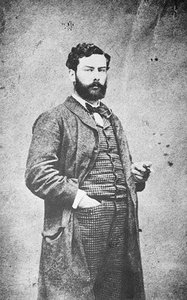
Alfred Sisley
1839 - 1899 , Frankreich
Kurzinfos
- Beeinflusste Künstler:
- Marc-Charles-Gabriel Gleyre
- Claude Monet
- Pierre-Auguste Renoir
- Frédéric Bazille
- Bemerkenswerte Werke:
- Mühle in Moret
- Bargen auf dem Loingkanal
- Felder um den Wald
- Das Dorf Sablons
- Geburtsdatum: 30. Oktober 1839
- Geburtsort: Paris, Frankreich
- Künstlerische Bewegung: Impressionismus
- Nationalität: Britisch-Französisch
- Sterbedatum: 29. Januar 1899
- Vollständiger Name: Alfred Sisley
Ähnliche Artikel
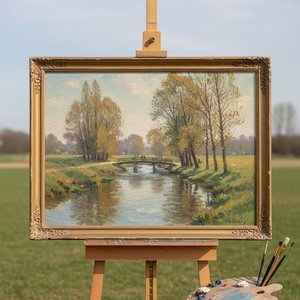
Alfred Sisley: Die vergängliche Essenz der impressionistischen Landschaft – Eine Studie über Licht und Atmosphäre
Entdecken Sie Alfred Sisleys einzigartige Impressionismus-Landschaftsmalerei! Erfahren Sie mehr über seine Technik, Themen und sein Vermächtnis. Expertenanalyse & Informationen auf ArtsDot.
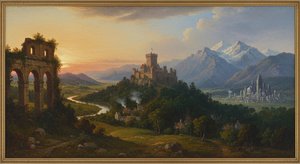
Evocations of Place: A Historical Journey Through Landscape Art
Explore the rich history of landscape art with ArtsDot. Discover renowned artists, movements like Impressionism & tonalism, and expert guidance for collecting timeless pieces. Find your perfect serene escape today!

Katsushika Hokusai: Die 25 Meisterwerke des Ukiyo-e – Kunst für Ihr Zuhause | ArtsDot
Entdecken Sie die 25 Meisterwerke von Katsushika Hokusai! Tauchen Sie ein in die Welt des Ukiyo-e, berühmte Holzschnitte wie 'Die große Welle' & Fuji-Ansichten. Hochwertige Kunstdrucke für Ihr Zuhause – jetzt auf ArtsDot.com!

Evocations of Place: A Historical Journey Through Landscape Art
Explore the rich history of landscape art with ArtsDot. Discover renowned artists, movements like Impressionism & Romanticism, and expert guidance for collecting timeless pieces. Find your perfect serene escape today!

Paul Cézanne: Die 25 Meisterwerke des Impressionismus | ArtsDot
Entdecken Sie die 25 Meisterwerke von Paul Cézanne! Tauchen Sie ein in die Welt des Impressionismus und Postimpressionismus. Erfahren Sie mehr über seine Stillleben, Landschaften & berühmten Gemälde – jetzt hochwertige Kunstdrucke auf ArtsDot.com.