

 Versenden
 Teilen
 Details anzeigen

 Herunterladen
 Ähnliche Objekte
 Diashow
 Stats
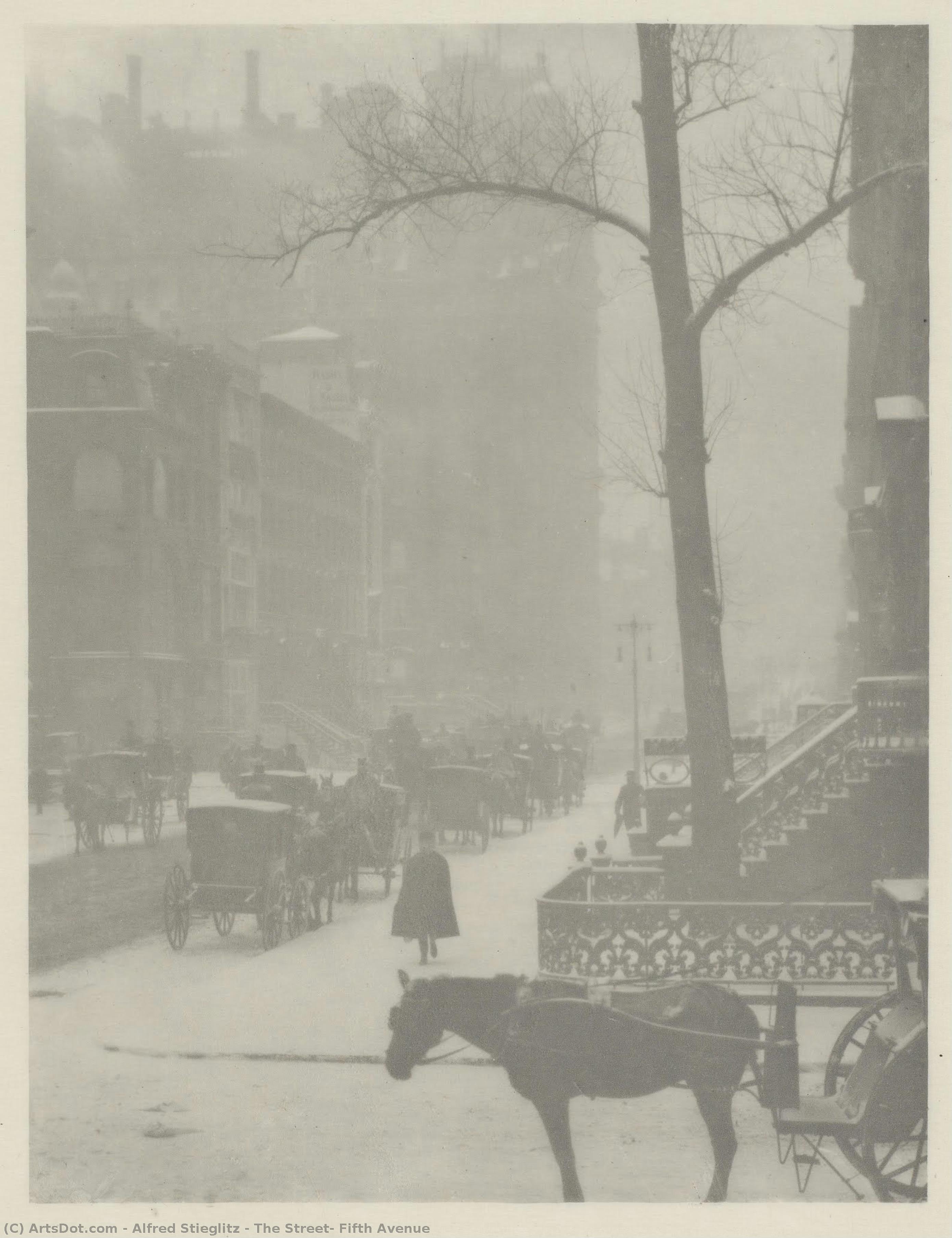
StatsThe Street, Fifth Avenue
 Giclée Print
- Digital
- Pictorialist Photography
 1901
1901- 19th Century
 30.0 x 23.0 cm
 Amon Carter Museum of American Art
 Weiterlesen
Handgefertigte Ölreproduktion
Handgemaltes Ölgemälde auf Leinwand in Ihrer Wunschgröße und mit Rahmen, auf Bestellung von unseren Künstlern angefertigt. ( Switch to Print Switch to Digital Image)




































Wählen Sie aus unseren vordefinierten Formaten, die den ursprünglichen Proportionen des Kunstwerks entsprechen.

Sie können Ihre eigenen Maße eingeben, um einen bestimmten Rahmen oder Platz auszufüllen. Wenn die gewählte Größe nicht den Proportionen des Originalbildes entspricht, werden wir das Kunstwerk entweder beschneiden oder das Gemälde durch zusätzliche, handgemalte Elemente erweitern. Ein digitales Mockup wird Ihnen zur Genehmigung zugesandt, bevor die Produktion beginnt.
Bitte beachten Sie, dass die Bildschirmvorschau nicht die tatsächliche Beschneidung oder Erweiterung widerspiegelt. Nur das Mockup zeigt die endgültige Komposition exakt an.
Obwohl Sondermaße verfügbar sind, empfehlen wir, eine Größe aus der vordefinierten Liste zu wählen, um die ursprünglichen Proportionen beizubehalten.
Nach der Bestellung wird das ArtsDot.com-Team dem Kunden Anweisungen per E-Mail zusenden und eine Mockup-Vorschau bereitstellen.
Weltweiter Versand () in nur 3 bis 4 Wochen statt der üblichen 5 Wochen. (7 September). Keine Kompromisse bei der Qualität.

Kostenloser weltweiter Expressversand

Hochwertige Leinenleinwand

Umfassender Versicherungsschutz beim Versand

Zollgebühren-Rückerstattungsgarantie

Garantie für exakte Farbtreue

100-Tage-Rückgaberecht (nur bei Mängeln)

100% Geld-zurück-Garantie

Mengenrabatt verfügbar
 Die Glasoption ist nur für Größen unter 110 cm verfügbar.

The Street, Fifth Avenue
Art der Reproduktion
Format der Reproduktion
-


Gesamtpreis
$ 263
A Snapshot of Urban Life: Alfred Stieglitz's "The Street, Fifth Avenue"
This meticulously hand-painted reproduction captures a pivotal moment in New York City’s history – 1901 – as rendered by the visionary photographer Alfred Stieglitz. The image, titled “The Street, Fifth Avenue,” isn’t merely a depiction of a busy street; it's a carefully constructed tableau that speaks volumes about the burgeoning metropolis and the evolving relationship between humanity and technology. Stieglitz, a pivotal figure in the history of photography, recognized its potential as a legitimate art form long before the wider world acknowledged it. His work, exemplified here, demonstrates an acute eye for composition, light, and the subtle narratives embedded within everyday scenes.
- Subject Matter: The scene unfolds on Fifth Avenue, a street synonymous with wealth, commerce, and aspiration in early 20th-century America.
- Composition: Stieglitz masterfully employs leading lines created by the carriages to draw the viewer’s eye through the bustling composition, creating a sense of movement and energy.
- Technical Detail: The photograph's stark black and white palette emphasizes texture and form, highlighting the rough-hewn details of the horses, carriages, and clothing worn by the pedestrians.
The Pictorialist Legacy & Stieglitz’s Vision
Created in 1901, “The Street, Fifth Avenue” firmly places Stieglitz within the context of Pictorialism – a movement that sought to elevate photography beyond simple documentation and imbue it with artistic expression akin to painting. Influenced by artists like Monet and Degas, Stieglitz aimed to capture not just what he saw, but also how he *felt* about it. This is evident in his deliberate use of soft focus and atmospheric effects, techniques borrowed from the Impressionist painters he admired. The photograph’s aesthetic reflects a desire to evoke emotion and create an immersive experience for the viewer – a core tenet of Pictorialism.
Historical Context: The early 1900s were a period of rapid industrialization and urbanization in America. New York City was experiencing explosive growth, transforming from a port city into a global financial center. The prevalence of horse-drawn carriages reflected this era’s reliance on traditional modes of transportation before the rise of automobiles.Symbolism & Emotional Impact
Beyond its technical brilliance, “The Street, Fifth Avenue” carries significant symbolic weight. The horses and carriages represent a bygone era – a time when urban life was slower-paced and more reliant on animal power. The numerous pedestrians symbolize the growing population of New York City and the increasing density of human activity within the city’s core. The photograph evokes a sense of nostalgia, inviting us to contemplate the passage of time and the relentless march of progress. It's a poignant reminder of a world that has vanished but whose echoes still resonate in our modern urban landscapes.
Artistic Reproduction & Collector’s Value
This hand-painted reproduction faithfully recreates Stieglitz’s original vision, capturing every nuance of light and shadow, texture, and composition. Printed on archival quality canvas with fade-resistant inks, this artwork is designed to last for generations. Its dimensions (30 x 23 cm) make it ideal for a variety of interior design settings – from a gallery wall in a contemporary space to a bedside table in a classic room. Owning a reproduction of “The Street, Fifth Avenue” is not just acquiring an image; it’s investing in a piece of art history and celebrating the legacy of one of photography's most influential figures.
Ähnliche Kunstwerke
Über den Künstler
Frühes Leben und Ausbildung
Alfred Stieglitz, ein renommierter amerikanischer Fotograf, wurde am 1. Januar 1864 in Hoboken, New Jersey, geboren. Seine Familie jüdischer Abstammung aus Deutschland bot ihm eine intellektuell anregende Umgebung. Stieglitz' frühe Schulbildung erhielt er am Charlier Institute und am City College of New York.Fotografische Karriere
Das Interesse von Stieglitz an der Fotografie begann während seines Studiums in Berlin, wo er mit den Werken von Hermann Wilhelm Vogel bekannt wurde. Diese Begegnung entfachte seine Leidenschaft für die Fotografie, was ihn dazu veranlasste, seine erste Kamera zu kaufen und die europäische Landschaft festzuhalten. Seine Fotografien, die durch ihren Piktorialismus gekennzeichnet sind, erlangten bald Anerkennung.Wichtige Werke und Ausstellungen
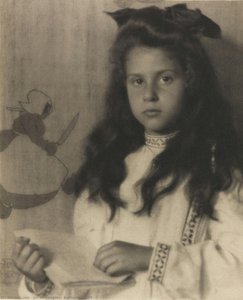
- Study of Georgia Engelhard with Dolls (Fotografie, Piktorialismus): Ein bemerkenswertes Beispiel für Stieglitz' Arbeit, das seinen einzigartigen Ansatz in der Porträtfotografie zeigt.
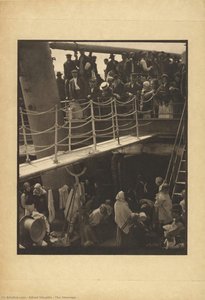
- The Steerage (33 x 27 cm, Amon Carter Museum of American Art, Fort Worth, Vereinigte Staaten, Photogravur): Demonstriert Stieglitz' Fähigkeit, das Wesen des täglichen Lebens einzufangen.
Einfluss und Vermächtnis
Stieglitz' Beiträge zur amerikanischen Fotografie sind unbestreitbar. Seine Hingabe an die Förderung der Fotografie als Kunstform hat Generationen von Fotografen inspiriert. Durch seine Arbeit hat er eine bleibende Spur in der Welt der Fotografie hinterlassen. Er war nicht nur ein bedeutender Fotograf, sondern auch ein wichtiger Förderer moderner Kunst und Kultur in Amerika. Sein Einfluss auf die Entwicklung der Fotografie als anerkannte Kunstform ist immens.- Betrachten Sie Alfred Stieglitz' Werke auf ArtsDot
- Erkunden Sie das Frances Lehman Loeb Art Center auf ArtsDot
- Entdecken Sie die Staedtische Galerie im Lenbachhaus auf ArtsDot
- Alfred Stieglitz auf Wikipedia: https://wikipedia.org/wiki/alfred_stieglitz
- Das Metropolitan Museum of Art: Piktorialismus in Amerika
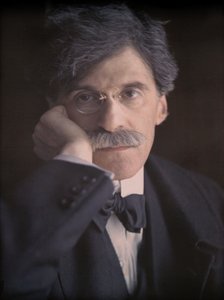
Alfred Stieglitz
1864 - 1946 , Vereinigte Staaten von Amerika
Kurzinfos
- Beeinflusste Künstler: ['Hermann Wilhelm Vogel']
- Bemerkenswerte Werke:
- Study of Georgia Engelhard
- The Steerage
- Geburtsdatum: 1. Januar 1864
- Geburtsort: Hoboken, USA
- Künstlerische Richtung: Pictorialismus, Modernismus
- Nationalität: Amerikanisch
- Sterbedatum: 1946
- Vollständiger Name: Alfred Stieglitz
- Von Künstlern Beeinflusst: ['Generationen von Fotografen']
Ähnliche Artikel

Monochrome Visions: Exploring the Aesthetic & Historical Significance of Black & White Photography
Explore the rich history & artistic power of black and white photography. From early techniques to iconic masters like Ansel Adams, discover why monochrome continues to captivate art lovers today. Expert insights for collectors.
Die 10 Meisterwerke der Dokumentarfotografie – Kunst für Ihr Zuhause |
Entdecken Sie die 10 prägendsten Meisterwerke der Dokumentarfotografie! Von Cartier-Bresson bis Capa – erleben Sie ikonische Bilder, ihre Geschichte & Techniken. Hochwertige Reproduktionen für Ihr Zuhause auf
Beyond the Lens: Photography's Enduring Influence on Modern & Contemporary Art
Explore photography's pivotal role in shaping modern & contemporary art. Discover key movements, influential artists like Stieglitz, and expert collecting advice from ArtsDot.

Pictorialism: A Search for Artistic Photography's Soul – Aesthetics, Techniques & Legacy
Explore the captivating world of Pictorialism – a pivotal movement that transformed photography into fine art. Discover key artists like Stieglitz & Käsebier, techniques, and collecting tips from experts.
Witnessing History Through Lens & Light: Documentary Photography's Enduring Legacy
Explore the powerful history of documentary photography – from its origins to contemporary masters like Gordon Parks & W. Eugene Smith. Discover how this art form shapes our understanding of society and witness pivotal moments in time.