

 Vorschau anzeigen
 Versenden
 Teilen
 Details anzeigen

 Herunterladen
 Ähnliche Objekte
 Röntgenaufnahme
 Diashow
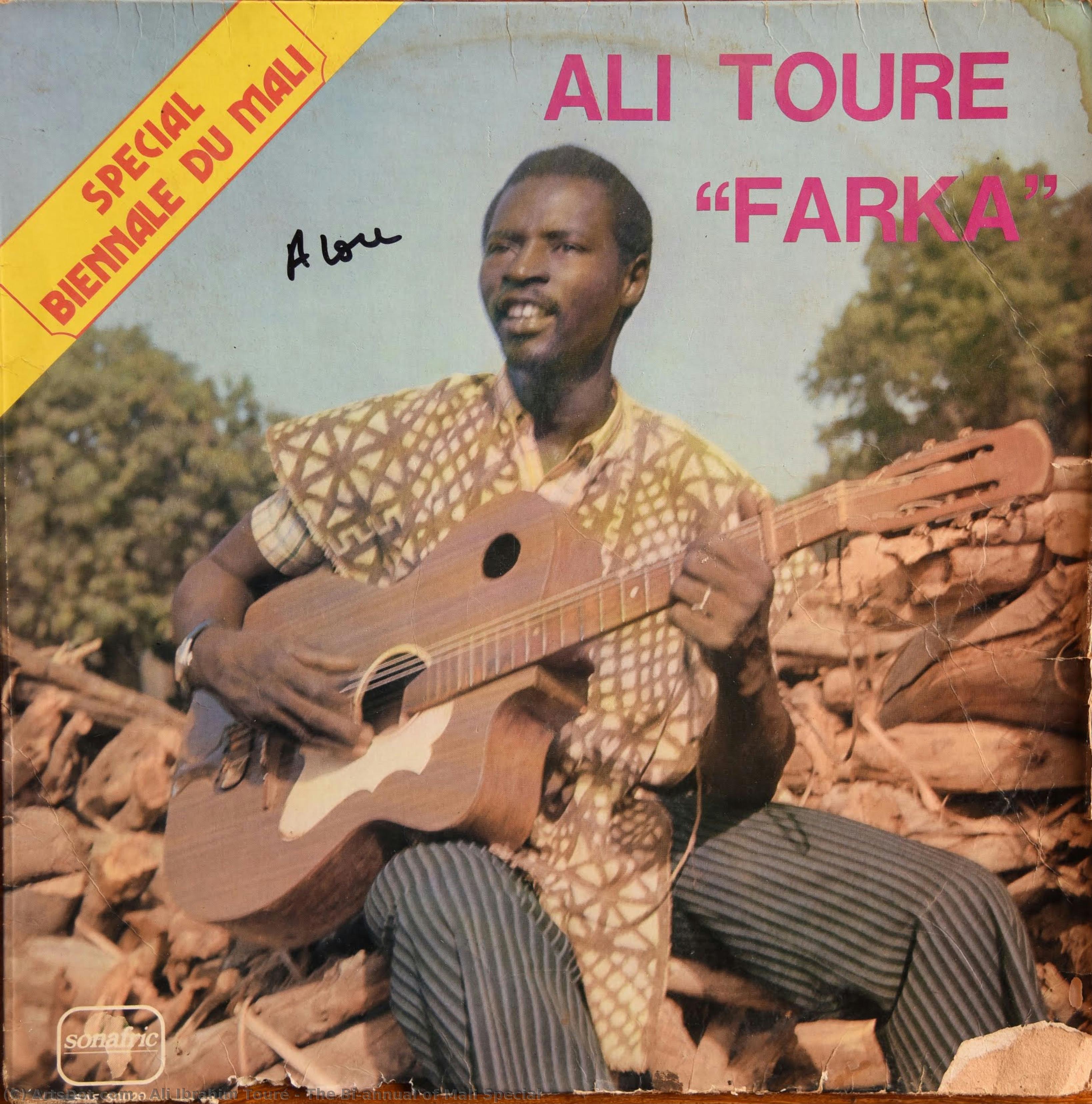
The Bi-annual of Mali Special


 Weiterlesen
Handgefertigte Ölreproduktion
Handgemaltes Ölgemälde auf Leinwand in Ihrer Wunschgröße und mit Rahmen, auf Bestellung von unseren Künstlern angefertigt. ( Druck bestellen Bild kaufen)




P118B $10

P118H $10

P118W $10

P438Z $10

P508JH $12

P508YH $12

P805H $10

P805Z $10

P919BZ $10

P919G $10

P919XJ $10

P959ZH $10

P968JZ $12

W106C $8

W218G $10

W218JH $8

W218Y $10

W307PJ $10

W316G $10

W316PJ $8

W316Y $10

W398PJ $8

W4111J $10

W500HY $15

W500JH $15

W692G $12

W849H $8

W940BG $15

W953PJ $8




Wählen Sie aus unseren vordefinierten Formaten, die den ursprünglichen Proportionen des Kunstwerks entsprechen.

Sie können Ihre eigenen Maße eingeben, um einen bestimmten Rahmen oder Platz auszufüllen. Wenn die gewählte Größe nicht den Proportionen des Originalbildes entspricht, werden wir das Kunstwerk entweder beschneiden oder das Gemälde durch zusätzliche, handgemalte Elemente erweitern. Ein digitales Mockup wird Ihnen zur Genehmigung zugesandt, bevor die Produktion beginnt.
Bitte beachten Sie, dass die Bildschirmvorschau nicht die tatsächliche Beschneidung oder Erweiterung widerspiegelt. Nur das Mockup zeigt die endgültige Komposition exakt an.
Obwohl Sondermaße verfügbar sind, empfehlen wir, eine Größe aus der vordefinierten Liste zu wählen, um die ursprünglichen Proportionen beizubehalten.
Nach der Bestellung wird das ArtsDot.com-Team dem Kunden Anweisungen per E-Mail zusenden und eine Mockup-Vorschau bereitstellen.
Weltweiter Versand () in nur 3 bis 4 Wochen statt der üblichen 5 Wochen. (27 August). Keine Kompromisse bei der Qualität.

Kostenloser weltweiter Expressversand

Hochwertige Leinenleinwand

Umfassender Versicherungsschutz beim Versand

Zollgebühren-Rückerstattungsgarantie

Garantie für exakte Farbtreue

60 Tage Rückgaberecht (nur bei Mängeln)

100% Geld-zurück-Garantie

Mengenrabatt verfügbar
 Die Glasoption ist nur für Größen unter 110 cm verfügbar.

The Bi-annual of Mali Special
Art der Reproduktion
Format der Reproduktion
-


Gesamtpreis
$ 263
Beschreibung des Kunstwerks
A Desert Rhapsody: Unveiling “The Bi-annual of Mali Special” by Ali Ibrahim Touré
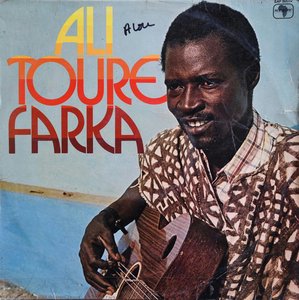
“The Bi-annual of Mali Special,” painted in 1976 by the legendary Malian singer and guitarist Ali Ibrahim Touré – more commonly known as Ali Farka Touré – is not merely a portrait; it’s a sonic landscape rendered in pigment. This captivating image, depicting a man seated amongst rocks, cradling a guitar and radiating an aura of serene contemplation, embodies the very essence of his musical philosophy: a deep connection to the land, its people, and the timeless traditions of West African music.
Touré’s artistic vision transcends simple representation. He wasn't interested in capturing a literal likeness; instead, he sought to convey the *feeling* of a Malian evening – the warmth of the sun setting over the Sahel, the quiet hum of community, and the profound joy found within music itself. The man in the painting isn’t just playing an instrument; he is embodying it, becoming one with its resonant voice.
The Soul of Songhay: Technique and Materials
Painted on a relatively small canvas – approximately 24 x 30 inches – “The Bi-annual of Mali Special” showcases Touré’s distinctive approach to color and texture. He employed a technique reminiscent of the traditional *teli* style, prevalent in Malian textile art, utilizing layered washes of pigment applied with broad brushstrokes. This creates a hazy, dreamlike quality, blurring the edges of form and emphasizing atmosphere over sharp detail.
- Color Palette: Dominated by earthy ochres, deep browns, and muted blues – colors mirroring the landscape of Mali’s northern regions.
- Brushwork: Loose, expressive brushstrokes contribute to a sense of movement and spontaneity, reflecting the improvisational nature of Malian music.
- Texture: The layering of paint creates a tactile surface, inviting the viewer to almost feel the warmth of the sun and the roughness of the rocks beneath the figure’s hands.
The canvas itself likely utilized a linen ground, providing a durable yet absorbent surface for Touré's vibrant pigments – a common practice in Malian painting at the time.
Echoes of Tradition: Historical Context and Symbolism
Created during a period of significant social and political change in Mali, “The Bi-annual of Mali Special” speaks to a yearning for cultural preservation amidst rapid modernization. Touré’s music served as a powerful vehicle for maintaining traditions, celebrating the rich heritage of Songhay culture, and connecting with his roots.
The setting – a rocky outcrop bathed in golden light – is deeply symbolic. Rocks are often associated with stability, endurance, and connection to the earth—qualities that resonate strongly within Malian culture. The guitar itself represents not just musical expression but also storytelling, history, and community bonding – all central themes in Songhay oral traditions.
The man’s relaxed posture and focused gaze suggest a state of meditative absorption, mirroring the experience of being completely immersed in music. He is not performing for an audience; he is lost in his own world, sharing its beauty through sound.
A Legacy of Desert Blues: Emotional Resonance
“The Bi-annual of Mali Special” transcends mere representation to become a powerful embodiment of the spirit of Ali Farka Touré’s music. It evokes feelings of tranquility, nostalgia, and profound connection to both nature and tradition. The painting's hazy atmosphere and earthy tones invite contemplation, prompting viewers to consider the timeless beauty of Malian culture and the enduring power of music to transcend boundaries.
Reproductions of this artwork capture a fraction of its original impact, but they offer a valuable opportunity to experience the soul of Mali through the eyes of one of Africa’s most beloved musicians. It's a piece that speaks volumes—a desert rhapsody waiting to be heard and felt.
Ähnliche Kunstwerke
Über den Künstler
Frühe Jahre und musikalische Einflüsse
Ali Farka Touré, ein renommierter malischer Sänger und Multiinstrumentalist, wurde 1939 in dem Dorf Kanau an den Ufern des Niger geboren. Seine Familie gehörte der Songhai-Gemeinschaft an, und sein Beiname „Farka“, was übersetzt „Esel“ bedeutet, symbolisierte Beharrlichkeit und Unbeugsamkeit.Seine frühen musikalischen Einflüsse waren tiefgreifend: Eine Aufführung des Nationalballetts von Guinea im Jahr 1956 inspirierte Touré dazu, eine Karriere in der Musik zu verfolgen. Er erlernte das Gitarrenspiel und sang in sieben verschiedenen Sprachen, darunter Songhay, Fulfulde, Tamasheq und Bambara. Obwohl die Musik von John Lee Hooker ihn maßgeblich beeinflusste, bestand er stets darauf, dass seine eigene Musik kein Blues sei.
Musikalische Karriere und Stil
Als der „erste afrikanische Bluesman“ wurde Touré für seine einzigartige Verschmelzung von traditioneller malischer Musik und dem African-American-Blues bekannt; dieser Stil brachte ihm den Beinamen „der afrikanische John Lee Hooker“ ein. Sein Durchbruchsalbum, Ali Farka Touré, festigte seinen Ruf in der Weltmusik-Gemeinschaft nachhaltig.Zu den bemerkenswerten Werken, die den kulturellen Kontext seiner Musik widerspiegeln, gehören:
- The Mirror of Music (kein direktes Werk von Touré, aber ein Beispiel für den Einfluss der Musik auf die Kunst)
- At the Music Hall Loie Fuller (ein weiteres Beispiel für die Auswirkungen der Musik auf die bildenden Künste)
Vermächtnis und Wirkung
Die Bedeutung seines Talents wurde auch durch internationale Auszeichnungen unterstrichen: Er belegte Platz 76 in der Liste der „100 größten Gitarristen aller Zeiten“ des Rolling Stone Magazins und erreichte Platz 37 in der Liste der „100 größten Gitarristen aller Zeiten“ des Spin Magazins. Als inspirierende Figur hinterließ er eine bleibende Spur, die durch Gruppen wie die Ali Farka Touré Allstars (2012) und die Ali Farka Touré Band (gegründet 2014) fortgeführt wurde.Erforschen Sie mehr auf ArtsDot:
- https://ArtsDot.com/@/ali-ibrahim-toure - Das Profil von Ali Farka Touré
- /en/art/show/art-d3c627-en/ - Die 5 berühmtesten Künstler aller Zeiten (als Kontext zum musikalischen Einfluss auf die Kunst)
- https://en.wikipedia.org/wiki/ali_farka_tour%c3%a9 - Die Wikipedia-Seite von Ali Farka Touré (für weiterführende Informationen)
Fazit
Ali Ibrahim Touré, der rätselhafte Maestro der malischen Musik, hat die Welt mit einem unvergesslichen Eindruck hinterlassen. Seine einzigartige Mischung aus traditionellen Klängen und dem African-American-Blues inspiriert Musiker und Künstler gleichermaßen. Entdecken Sie sein Vermächtnis und die Schnittstelle zwischen Musik und Kunst auf ArtsDot.com.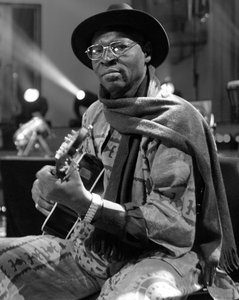
Ali Ibrahim Touré
1939 - 2006 , Mali
Kurzinfos
- Artistic Movement Or Style: African Blues
- Artists Or Movements Influenced By This Artist: ['Desert Blues']
- Artists Who Influenced This Artist: ['John Lee Hooker']
- Date Of Birth: 1939-10-31
- Date Of Death: 2006-03-06
- Full Name: Ali Ibrahim Touré
- Nationality: Malian
- Notable Artworks:
- The Mirror of Music
- At the Music Hall Loie Fuller
- Place Of Birth: Kano, Mali
Ähnliche Artikel
Die Top 10 Gemälde in Schattierungen von 'Slate Blue': Kunst für Ihr Zuhause
Entdecken Sie die Top 10 Gemälde in faszinierenden 'Slate Blue' Tönen! Von Monet bis Manet – erleben Sie Kunstgeschichte und lassen Sie sich von Meisterwerken inspirieren. Hochwertige Kunstdrucke auf
The Allure of Azure: Exploring the Symbolic & Aesthetic Depths of Blue in Art History
Explore the rich history of blue in art! Discover its symbolism, from ancient pigments to modern masterpieces by Kandinsky & Seurat. Uncover the psychological impact and cultural meanings behind this captivating hue.
Harmonies on Canvas: Exploring the Visual Representation of Music in Art History
Explore the fascinating history of music's visual representation in art! From ancient symbolism to modern abstraction, discover how artists have captured sound and emotion on canvas. Expert insights & stunning examples.
Azure Visions: Exploring Representations of the Blue Dress in Western Art History
Explore the rich history of the blue dress in Western art! Discover its symbolism, from Renaissance masterpieces to modern interpretations by artists like Martin & Schiele. Uncover cultural meanings and artistic techniques.

Exklusive Museumsführungen: Personalisierte Erlebnisse für anspruchsvolle Kunstliebhaber
Exklusive Museumsführungen für Kunstliebhaber & Sammler. Expertenwissen, individuelle Gestaltung & hochwertige Reproduktionen von – Ihr Partner für ein unvergessliches Kunsterlebnis.

