

 Vorschau anzeigen
 Versenden
 Teilen
 Details anzeigen

 Herunterladen
 Ähnliche Objekte
 Röntgenaufnahme
 Diashow
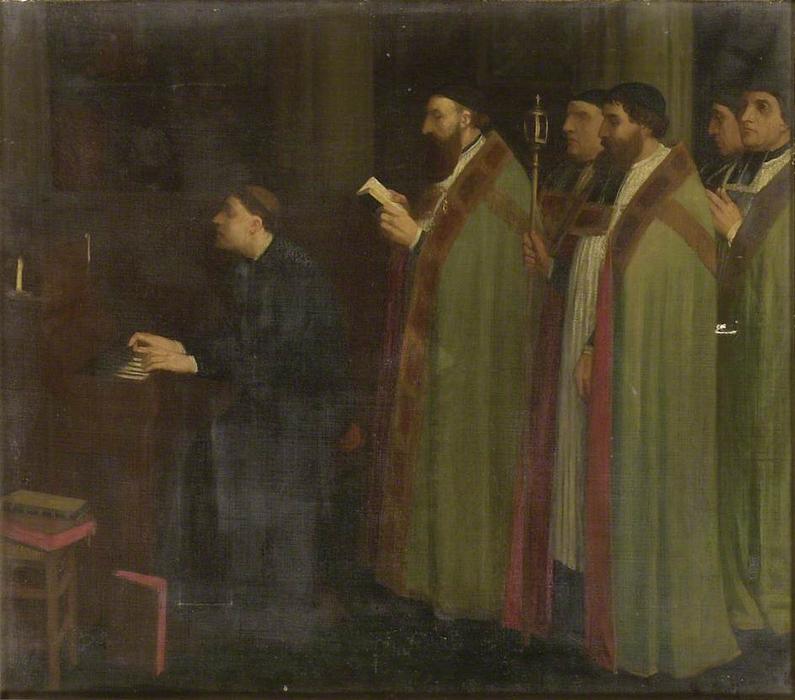
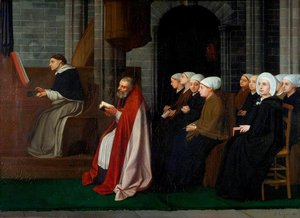
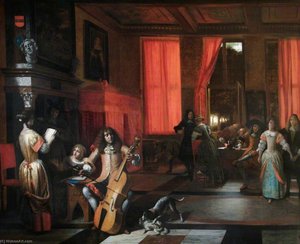
Interior with an Organist and a Procession


 Weiterlesen
Handgefertigte Ölreproduktion
Handgemaltes Ölgemälde auf Leinwand in Ihrer Wunschgröße und mit Rahmen, auf Bestellung von unseren Künstlern angefertigt. ( Druck bestellen Bild kaufen)




P118B $10

P118H $10

P118W $10

P438Z $10

P508JH $12

P508YH $12

P805H $10

P805Z $10

P919BZ $10

P919G $10

P919XJ $10

P959ZH $10

P968JZ $12

W106C $8

W218G $10

W218JH $8

W218Y $10

W307PJ $10

W316G $10

W316PJ $8

W316Y $10

W398PJ $8

W4111J $10

W500HY $15

W500JH $15

W692G $12

W849H $8

W940BG $15

W953PJ $8




Wählen Sie aus unseren vordefinierten Formaten, die den ursprünglichen Proportionen des Kunstwerks entsprechen.

Sie können Ihre eigenen Maße eingeben, um einen bestimmten Rahmen oder Platz auszufüllen. Wenn die gewählte Größe nicht den Proportionen des Originalbildes entspricht, werden wir das Kunstwerk entweder beschneiden oder das Gemälde durch zusätzliche, handgemalte Elemente erweitern. Ein digitales Mockup wird Ihnen zur Genehmigung zugesandt, bevor die Produktion beginnt.
Bitte beachten Sie, dass die Bildschirmvorschau nicht die tatsächliche Beschneidung oder Erweiterung widerspiegelt. Nur das Mockup zeigt die endgültige Komposition exakt an.
Obwohl Sondermaße verfügbar sind, empfehlen wir, eine Größe aus der vordefinierten Liste zu wählen, um die ursprünglichen Proportionen beizubehalten.
Nach der Bestellung wird das ArtsDot.com-Team dem Kunden Anweisungen per E-Mail zusenden und eine Mockup-Vorschau bereitstellen.
Weltweiter Versand () in nur 3 bis 4 Wochen statt der üblichen 5 Wochen. (23 August). Keine Kompromisse bei der Qualität.

Kostenloser weltweiter Expressversand

Hochwertige Leinenleinwand

Umfassender Versicherungsschutz beim Versand

Zollgebühren-Rückerstattungsgarantie

Garantie für exakte Farbtreue

60 Tage Rückgaberecht (nur bei Mängeln)

100% Geld-zurück-Garantie

Mengenrabatt verfügbar
 Die Glasoption ist nur für Größen unter 110 cm verfügbar.

Interior with an Organist and a Procession
Art der Reproduktion
Format der Reproduktion
-


Gesamtpreis
$ 263
Beschreibung des Kunstwerks
A Glimpse of Sacred Life: Alphonse Legros’ Interior with an Organist and a Procession
Alphonse Legros' "Interior with an Organist and a Procession," painted in 1865, isn’t merely a depiction of a church scene; it’s a carefully constructed tableau brimming with religious fervor, social observation, and the quiet dignity of everyday faith. Housed within the Ashmolean Museum in Oxford, this oil on canvas invites us into a moment frozen in time – a procession unfolding within the hushed grandeur of a European church. The painting immediately draws the eye to the central figures: men dressed in flowing robes, their faces etched with solemnity and devotion, surrounding an organist lost in his musical offering. This isn’t a grand, theatrical display; rather, it's a scene of intimate communal worship, radiating a palpable sense of unity and shared experience.
Legros masterfully employs the muted palette of black and white to heighten the painting’s emotional impact. The lack of vibrant color forces us to focus on the textures – the folds of the robes, the polished wood of the organ, the subtle variations in light and shadow that define each face. This deliberate restraint amplifies the feeling of reverence and underscores the spiritual significance of the event. The composition itself is meticulously balanced, guiding our gaze through the scene with a clear yet understated logic. The figures are arranged in a way that suggests movement and flow, mirroring the rhythm of the music and the progression of the procession.
The Artist’s Vision: Realism Infused with Romanticism
Alphonse Legros was a pivotal figure in 19th-century French art, navigating the transition between realism and romanticism. Trained initially as a house decorator, he developed a deep understanding of materials and form, which informed his approach to painting. However, it was his fascination with religious subjects – particularly scenes of everyday piety – that truly defined his artistic legacy. Legros wasn’t interested in grand historical narratives or idealized depictions of saints; instead, he sought to capture the authentic emotions and experiences of ordinary people engaged in their faith. “Interior with an Organist and a Procession” exemplifies this approach perfectly.
His style is characterized by a remarkable attention to detail – from the intricate folds of the robes to the expressions on the faces of the participants. Yet, he avoids sentimentality, presenting the scene with a quiet dignity and restraint. Legros’s ability to convey both the physical reality of the church interior and the spiritual atmosphere within is truly exceptional. The painting feels simultaneously grounded in observation and imbued with a sense of profound emotion.
Historical Context: Faith and Society in Victorian England
To fully appreciate “Interior with an Organist and a Procession,” it’s essential to consider its historical context. Painted during the Victorian era, a period marked by rapid social change and growing religious anxieties, the painting reflects the complex relationship between faith and society. The Church of England was undergoing significant reforms, and there was a widespread desire for greater accessibility and engagement with ordinary people. Legros's depiction of a communal worship service speaks to this yearning, capturing the spirit of shared devotion within a traditional setting.
The presence of men in robes suggests a formal religious ceremony, perhaps a celebration or a procession related to a saint’s feast day. The organist, positioned at the center of the scene, symbolizes the unifying power of music and faith. Furthermore, the inclusion of figures dressed in everyday attire highlights the integration of religion into daily life – a key theme of Victorian society.
Reproductions and Legacy: Bringing Legros’ Vision to Life
ArtsDot offers meticulously crafted oil painting reproductions of “Interior with an Organist and a Procession,” allowing art enthusiasts to own a piece of this remarkable artwork. Our reproductions faithfully capture the artist's nuanced use of light, color, and composition, ensuring that you experience the full emotional impact of the original painting. Each reproduction is created using archival-quality materials and techniques, guaranteeing its longevity and beauty for generations to come.
Beyond simply owning a beautiful artwork, acquiring a ArtsDot reproduction connects you with a rich artistic heritage – a testament to Alphonse Legros’s skill as an observer of human experience and his ability to capture the essence of faith in a single, evocative image. Explore our collection today and bring this timeless masterpiece into your home or office.
Ähnliche Kunstwerke
Über den Künstler
Alphonse Legros – Ein Pionier der französischen Radierung
Alphonse Legros (1837–1911) war ein französischer Maler und Radierer, dessen Werk einen wichtigen Beitrag zur Entwicklung des französischen Impressionismus und insbesondere zur Wiederbelebung der Kunst des Kupferstichs leistete. Geboren in Dijon, Frankreich, entwickelte sich sein künstlerisches Talent früh und wurde bereits im Alter von elf Jahren Schüler beim renommierten Dekorateur Maître Nicolardo, einem Meister seines Fachs. Dieser Einfluss prägte seinen späteren Stil maßgeblich und führte ihn zu einer tiefen Verbindung zur Landschaftsfotografie und zum Studium der Natur.- Frühe Jahre und Ausbildung: Legros besuchte die École des Beaux-Arts in Dijon und wurde Lehrling bei Meister Nicolardo, einem erfahrenen Dekorateur und Maler von Bildern.
- Die Begegnung mit Gustave Courbet und der Impressionismus: Seine Freundschaft mit Gustave Courbet, einem zentralen Vertreter des französischen Impressionismus, sowie die Zusammenarbeit mit anderen Künstlern wie Jules Dalou und Auguste Rodin führten ihn zu einer neuen künstlerischen Perspektive.
- Die Gründung der Society of Painter-Etchers: Gemeinsam mit James McNeill Whistler gründete Legros die Society of Painter-Etchers and Engravers, um die Radierung und den Kupferstich als ernstzunehmende Kunstformen zu fördern.
- Ein Meister der Darstellung und ein Einflussreicher Lehrer: Er wurde Professor für Design an der Slade School of Fine Art am University College und prägte eine ganze Generation von Künstlern mit seinem Wissen und seiner künstlerischen Vision.
Das Werk von Alphonse Legros – Eine Synthese verschiedener Stile
Legros zeichnete sich durch eine außergewöhnliche technische Virtuosität aus und beherrschte verschiedene Medien, darunter Bleistiftzeichnungen, Metallzeichnung (Gold und Silber), Aquarell und Kupferstich. Seine Werke spiegelten sowohl die Schönheit der Natur als auch die Herausforderungen des modernen Lebens wider. Besonders beeindruckend sind seine Landschaftsdarstellungen, insbesondere seine Arbeiten über Frankreich und Spanien, die eine hohe Detailtreue und eine besondere Sensibilität für Licht und Farbe aufweisen. Er entwickelte einen einzigartigen Stil, der Elemente verschiedener künstlerischer Traditionen vereinte und somit zu einer wichtigen Stimme seiner Zeit wurde. Seine Radierungen zeichnen sich durch eine außergewöhnliche Präzision und Ausdruckskraft aus und gelten als Meisterwerke des Kupferstichs. Legros' Werk wird bis heute für seine Schönheit und technische Qualität gefeiert und gilt als ein Schlüssel zum Verständnis der französischen Kunstgeschichte des späten 19. Jahrhunderts.Ein Blick auf ausgewählte Werke
Zu seinen bekanntesten Gemälden zählen insbesondere „Die Kommunion“, „Angelus“ und „Die Steinigung des Heiligen Stephanus“. Diese Werke zeigen eine hohe künstlerische Qualität und einen tiefen Ausdruck von Glaubensgefühl und Menschlichkeit. Auch seine Radierungen sind weltweit anerkannt und werden häufig in Museen und Galerien aufgestellt. Zu seinen bedeutenden Arbeiten gehören auch Porträts von Persönlichkeiten wie Kardinal Manning und Charles Darwin sowie zahlreiche Landschaftsdarstellungen, die eine besondere Aufmerksamkeit für Licht und Farbe aufweisen. Legros' Kunst wird bis heute für ihre Schönheit und technische Virtuosität bewundert und gilt als ein wichtiger Beitrag zur Entwicklung der französischen Kunst des Impressionismus und Kupferstichs.Die Bedeutung von Alphonse Legros für die Kunstgeschichte
Alphonse Legros spielte eine entscheidende Rolle bei der Förderung der Radierung und des Kupferstichs als Kunstformen und trug maßgeblich zur Wiederbelebung dieser Traditionen bei. Seine Arbeit beeinflusste zahlreiche Künstler seiner Zeit und prägte den Stil der Gesellschaft nachhaltig. Er gilt als einer der wichtigsten Vertreter des französischen Impressionismus und Kupferstichs und wird bis heute für sein außergewöhnliches künstlerisches Talent und seine technische Virtuosität gefeiert. Sein Werk ist ein wichtiger Bestandteil der französischen Kunstgeschichte und erinnert an die Bedeutung von Schönheit, Ausdruckskraft und künstlerischer Innovation.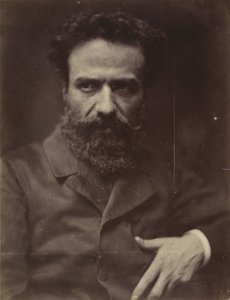
Alphonse Legros
1837 - 1911 , Frankreich
Kurzinfos
- Artistic Movement Or Style: Realismus
- Artists Or Movements Influenced By This Artist: ['Gustave Courbet']
- Artists Who Influenced This Artist: ['Maître Nicolardo']
- Date Of Birth: 8 Mai 1837
- Date Of Death: 7 Dez. 1911
- Full Name: Alphonse Legros
- Nationality: Französisch
- Notable Artworks:
- Die Kommunion
- Angelus
- Salomè
- Place Of Birth: Dijon, Frankreich
Ähnliche Artikel

The Enduring Legacy of Oil on Canvas: Technique, History & Aesthetic Impact
Explore the rich history & techniques of oil painting – from Renaissance masters to Impressionism. Discover pigments, layering methods, and why this timeless medium endures. Expert insights for artists & art enthusiasts.

Öl auf Leinwand: Eine historische und technische Erkundung eines zeitlosen künstlerischen Mediums
Entdecken Sie die faszinierende Welt der Ölmalerei! Von historischen Techniken bis zur modernen Anwendung – wir bieten Expertenwissen, Restaurierungstipps und hochwertige Reproduktionen. Jetzt informieren!

The Enduring Power of Painting: A Historical & Contemporary Exploration of Form and Emotion
Explore the rich history & enduring techniques of oil painting with ArtsDot. Discover masterpieces, learn about art collecting, and find authentic handmade reproductions crafted by skilled artists.

Das bleibende Erbe der Ölmalerei: Technik, Geschichte und zeitgenössische Praxis
Entdecken Sie die faszinierende Geschichte der Ölmalerei – von den frühen Techniken bis zur modernen Kunst. Expertenwissen, detaillierte Analysen und Inspiration für Sammler & Kunstliebhaber.
Öl auf Holz: 10 Meisterwerke, die Kunstgeschichte veränderten | ArtsDot.com
Entdecken Sie die 10 legendärsten Gemälde auf Holz! Von Van Gogh bis Monet – erfahren Sie die Geschichten hinter den Meisterwerken des Impressionismus, Expressionismus & mehr. Hochwertige Reproduktionen für Ihr Zuhause finden Sie auf ArtsDot.com.

