 Vorschau anzeigen
 Versenden
 Teilen
 Details anzeigen

 Herunterladen
 Ähnliche Objekte
 Röntgenaufnahme
 Diashow
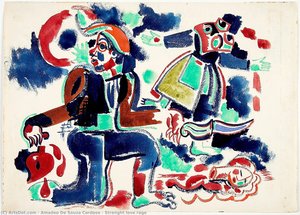
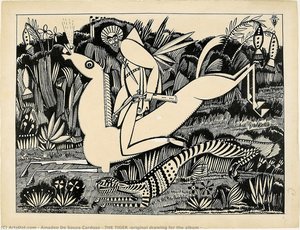
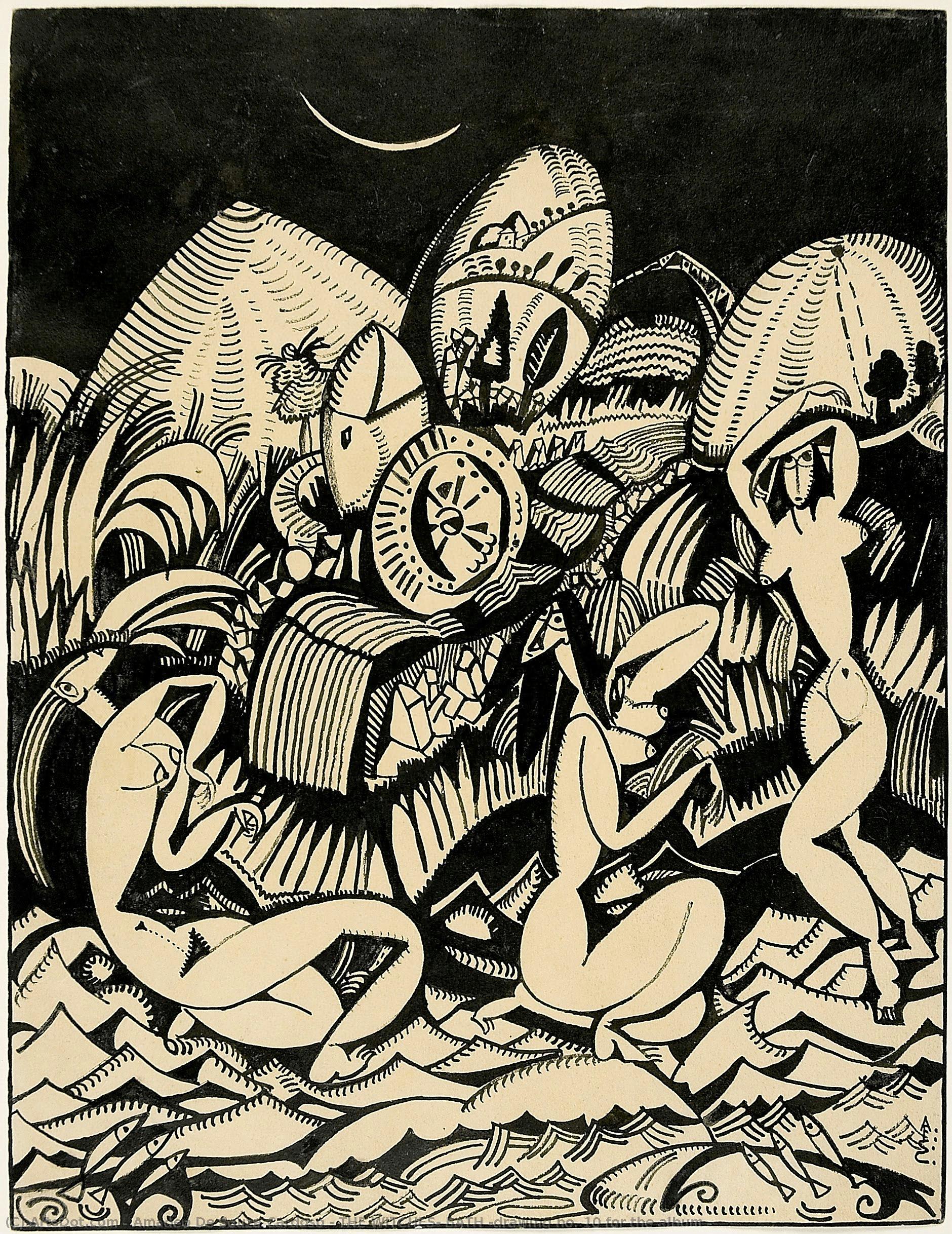
THE WITCHES’ BATH (drawing no. 10 for the album
 Acryl auf Papier
- Cubism
 1912
1912 32.0 x 25.0 cm
 Centro de Arte Moderna Gulbenkian
 Weiterlesen
Giclée / Kunstdruck
Giclée- oder Leinwanddruck in Museumsqualität mit schneller Produktion und flexiblen Veredelungsoptionen. ( Handgemalte Reproduktion bestellen Bild kaufen)




P118B $10

P118H $10

P118W $10

P438Z $10

P508JH $12

P508YH $12

P805H $10

P805Z $10

P919BZ $10

P919G $10

P919XJ $10

P959ZH $10

P968JZ $12

W106C $8

W218G $10

W218JH $8

W218Y $10

W307PJ $10

W316G $10

W316PJ $8

W316Y $10

W398PJ $8

W4111J $10

W500HY $15

W500JH $15

W692G $12

W849H $8

W940BG $15

W953PJ $8




Wählen Sie aus unseren vordefinierten Formaten, die den ursprünglichen Proportionen des Kunstwerks entsprechen.

Sie können Ihre eigenen Maße eingeben, um ein bestimmtes Format oder einen speziellen Platz einzupassen. Wenn das von Ihnen gewählte Format nicht den Proportionen des Originalbildes entspricht, werden wir das Kunstwerk entweder beschneiden oder das Bild mit einem gespiegelten oder einfarbigen Rand erweitern. Ein digitaler Entwurf wird Ihnen zur Genehmigung zugesandt, bevor die Produktion beginnt.
Bitte beachten Sie, dass die Vorschau auf dem Bildschirm nicht den tatsächlichen Zuschnitt oder die Erweiterung widerspiegelt. Nur der Entwurf zeigt die endgültige Komposition präzise an.
Obwohl Sondermaße verfügbar sind, empfehlen wir die Auswahl eines Maßes aus der vordefinierten Liste, um die ursprünglichen Proportionen zu bewahren.
Weltweiter Versand () innerhalb von 2 Wochen statt der üblichen 4/5 Wochen. (4 September)

Kostenloser weltweiter Expressversand

Hochwertige Leinenleinwand

Umfassender Versicherungsschutz beim Versand

Zollgebühren-Rückerstattungsgarantie

Garantie für exakte Farbtreue

60 Tage Rückgaberecht (nur bei Mängeln)

100% Geld-zurück-Garantie

Mengenrabatt verfügbar
 Die Glasoption ist nur für Größen unter 110 cm verfügbar.

THE WITCHES’ BATH (drawing no. 10 for the album
Giclée / Kunstdruck
Format der Reproduktion
-


Gesamtpreis
$ 62
A Glimpse into the Psyche: The Witches’ Bath by Amadeo de Souza-Cardoso
Amadeo de Souza-Cardoso's “The Witches’ Bath,” a drawing from his seminal album ‘XX Dessins,’ offers more than just a visual depiction; it’s a potent distillation of early 20th-century anxieties, artistic experimentation, and the burgeoning spirit of modernism. Created in 1912 during a pivotal period of his career, this work encapsulates the artist's restless exploration of form, color, and psychological depth – a journey that ultimately defined his place as a key figure in Portuguese avant-garde art.
The scene unfolds within a semi-aquatic realm, populated by a group of nude women engaged in an ambiguous ritual. Their postures are fluid yet charged with a palpable tension, suggesting both playful abandon and underlying unease. The composition is deliberately fragmented, mirroring the fractured realities of modern life – a hallmark of Cubist influences that deeply resonated with Souza-Cardoso’s artistic vision. Notice how figures overlap and recede into the background, creating an illusionistic depth that simultaneously draws the viewer in and distances them from the scene.
A Fusion of Styles: Cubism, Futurism, and Beyond
Souza-Cardoso's style defies easy categorization. “The Witches’ Bath” is a masterful synthesis of several influential movements. The geometric fragmentation characteristic of Cubism is evident in the broken outlines and multiple perspectives presented within each figure. Simultaneously, echoes of Futurism—a fascination with dynamism, speed, and the energy of modern life—can be detected in the swirling lines and sense of movement conveyed through the arrangement of bodies and objects. However, Souza-Cardoso’s unique approach transcends mere stylistic imitation; he imbues these influences with a distinctly personal sensibility.
The use of Indian ink on paper is particularly striking. The stark contrast between black and white amplifies the drama of the scene, while also highlighting the artist's meticulous attention to detail. Souza-Cardoso’s technique reveals a remarkable control over line and shadow, creating a sense of both immediacy and sophistication.
Symbolism and Psychological Depth
Beyond its formal qualities, “The Witches’ Bath” is rich in symbolic potential. The setting itself—a bath or ritual space—evokes associations with purification, transformation, and the subconscious. The women, often interpreted as representations of female power and agency, engage in an activity that borders on the mystical. The inclusion of objects like a clock and an umbrella adds layers of meaning, suggesting themes of time, control, and perhaps even the intrusion of rationality into a realm of primal instincts.
Considering the historical context—a period marked by social upheaval, technological advancements, and growing anxieties about the future—it’s not surprising that Souza-Cardoso explored such complex psychological terrain in his work. “The Witches’ Bath” can be viewed as a visual meditation on the challenges of navigating modernity, grappling with identity, and confronting the darker aspects of human nature.
A Legacy of Innovation
Amadeo de Souza-Cardoso's brief but impactful career left an indelible mark on Portuguese art. “The Witches’ Bath” stands as a testament to his artistic vision—a bold, innovative work that continues to captivate and intrigue viewers today. It exemplifies his commitment to pushing the boundaries of modernism while simultaneously drawing upon the rich traditions of his homeland. Reproductions of this evocative piece offer a unique opportunity to experience the power and beauty of Souza-Cardoso’s art firsthand.
Ähnliche Kunstwerke
Über den Künstler
Frühes Leben und Ausbildung
Amadeo de Souza-Cardoso, ein bahnbrechender portugiesischer Maler, wurde am 14. November 1887 in Mancelos, einer Gemeinde von Amarante, geboren. Mit 18 Jahren schrieb er sich an der Superior School of Fine Arts in Lissabon ein, was den Beginn seiner künstlerischen Reise markierte. Ein Jahr später zog er nach Paris, wo er zunächst Architektur studierte, aber bald seinen Schwerpunkt auf die Malerei verlagerte und sich insbesondere im Karikaturenzeichnen auszeichnete.Künstlerische Entwicklung und Einflüsse
Bereits 1910 begann der Stil von Amadeo de Souza-Cardoso, Einflüsse des Kubismus und Futurismus widerzuspiegeln, was ihn zu einem der ersten modernen portugiesischen Maler machte. Seine Werke zeichnen sich durch ihre aggressive und lebendige Form und Farbe aus, wobei die kompositorische Struktur auf den ersten Blick vielleicht zufällig oder chaotisch erscheint, aber in Wirklichkeit klar definiert und ausgewogen ist.Wichtige Ausstellungen und Assoziationen
- Saut du Lapin (1911), ein frühes Werk, zeigt seinen einzigartigen Stil.
- Cabeça (1913) spiegelt seine Experimente mit Form und Farbe wider.
- Entrada (1917) und Pintura (1917) demonstrieren sein Wachstum hin zur Abstraktion.
Vermächtnis und Erinnerung
Trotz seines frühen Todes im Alter von 30 Jahren besteht Amadeo de Souza-Cardos os Vermächtnis fort. Seine Arbeit war Gegenstand zweier großer Retrospektiven, eine davon 1958 und die andere 2016 im Grand Palais in Paris. Heute sind seine Gemälde in verschiedenen Museen zu finden, darunter das Plymouth City Museum and Art Gallery, in dem auch Werke anderer bemerkenswerter Künstler wie Harold Riley, Henry Harris Lines und Edmund John Niemann ausgestellt sind. Wichtige Punkte:- Innovativer Stil: Amadeo de Souza-Cardos os bahnbrechender Ansatz für die moderne portugiesische Kunst.
- Früher Tod: Er starb am 25. Oktober 1918 im Alter von 30 Jahren.
- Vermächtnis: Seine Arbeit inspiriert und beeinflusst weiterhin zeitgenössische Künstler.
Zusätzliche Informationen
- View Plymouth City Museum and Art Gallery's collection on ArtsDot
- Explore more artist biographies on ArtsDot’s artist page
Schlussfolgerung
Amadeo de Souza-Cardos os kurzes, aber wirkungsvolles Wirken hat ihre Spuren in der Welt der Kunst hinterlassen. Sein innovativer Stil und seine Beiträge zur modernen portugiesischen Kunst faszinieren Kunstliebhaber auf der ganzen Welt weiterhin und sorgen dafür, dass sein Vermächtnis für kommende Generationen erhalten bleibt.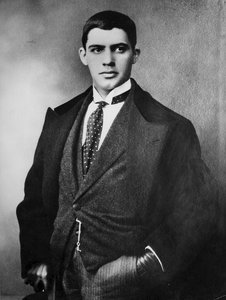
Amadeo Souza Cardoso
1887 - 1918 , Portugal
Kurzinfos
- Bemerkenswerte Werke:
- Saut du Lapin (1911)
- Cabeça (1913)
- Entrada (1917)
- Pintura (1917)
- Einflüsse:
- Pablo Picasso
- Juan Gris
- Amedeo Modigliani
- Geburtsdatum: 14. November 1887
- Geburtsort: Mancelos, Portugal
- Künstlerische Richtung: Modernismus, Kubismus, Futurismus
- Nationalität: Portugiesisch
- Todatum: 25. Oktober 1918
- Vollständiger Name: Amadeo de Souza-Cardoso
Ähnliche Artikel

Goya: Die 25 Meisterwerke des spanischen Genies – Kunst für Ihr Zuhause | ArtsDot
Entdecken Sie die 25 Meisterwerke von Francisco Goya! Tauchen Sie ein in die düstere Romantik spanischer Malerei, Porträts & Historienbilder. Hochwertige Kunstdrucke auf ArtsDot.com – für Kunstliebhaber und stilvolles Wohnen.

Über uns
Entdecken Sie unsere Geschichte! Wir bringen Weltklasse-Kunst in Ihr Leben durch fachkundige Auswahl, individuelle Kreationen und kostenlose Vorschauen. Seit dem Jahr 2000 von Privatpersonen und Unternehmen geschätzt.
Deconstructing Reality: Cubism's Revolutionary Impact on 20th-Century Art
Explore the revolutionary world of Cubism with ArtsDot. Discover Picasso & Braque's groundbreaking techniques, its philosophical roots, and lasting impact on modern art. Expert insights for collectors.
Deconstructing Reality: Cubism's Evolution, Impact & Enduring Legacy
Explore the revolutionary world of Cubism with expert insights from ArtsDot. Discover Picasso & Braque's groundbreaking techniques, its philosophical roots, and lasting impact on modern art. Expert appraisal & custom reproductions available.
Jean Dominique Antony Metzinger: Pioneering Cubism & the Evolution of Abstract Form
Explore the life & work of Jean Metzinger, a pivotal Cubist painter and theorist. Discover his innovations in proto-Cubism, 'Du Cubisme,' and Crystal Cubism – a journey through modern art's evolution.