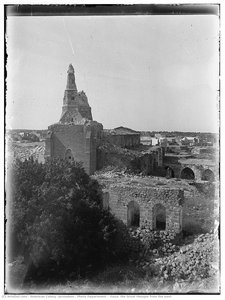
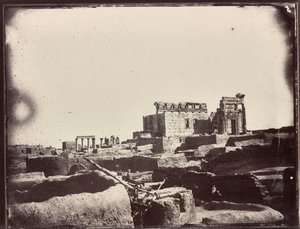
![[gaza, The Great Mosque From The East] — American Colony (jerusalem). Photo Department](/media/artworks/images-full/b5/c0/b5c0bf54fb0d68878cee6e8358377234.jpg)
 Vorschau anzeigen
 Versenden
 Teilen
 Details anzeigen

 Herunterladen
 Ähnliche Objekte
 Röntgenaufnahme
 Diashow
[Gaza, the Great Mosque from the east]


 Weiterlesen
Erwerben Sie ein hochauflösendes, optimiertes digitales Bild, das der Online-Vorschau weit überlegen ist.
Jede Datei wird von unseren hauseigenen Spezialisten mit modernsten Werkzeugen und fachmännischer manueller Retusche sorgfältig vorbereitet. Wir stellen sicher, dass jedes Bild eine außergewöhnliche Klarheit, präzise Farbgenauigkeit und feinste Details aufweist.
Die endgültige Datei wird innerhalb von 72 Stunden per E-Mail zugestellt und ist für den sofortigen Einsatz in professionellen, redaktionellen und Druckumgebungen optimiert. Es handelt sich um dieselbe Qualität, der führende Designstudios, Verlage und Galerien vertrauen.
Digitales Bild
Laden Sie eine hochauflösende Datei für die persönliche Präsentation, den Druck und kreative Projekte herunter. ( Druck bestellen Handgemalte Reproduktion bestellen)
In jeder Bestellung digitaler Bilder enthalten
Professionelle digitale Bereitstellung, garantiert
Wenn Sie sich für ArtsDot.com entscheiden, erhalten Sie nicht nur ein Bild – Sie erhalten ein professionell aufbereitetes digitales Kunstwerk, das mit höchster Präzision erstellt und durch eine Zufriedenheitsgarantie abgesichert wird. Hier ist alles, was automatisch mit Ihrer Bestellung geliefert wird:

Schnelle E-Mail-Zustellung
Ihre hochauflösende digitale Bilddatei wird Ihnen innerhalb von 72 Stunden nach der Bestellung per E-Mail zugestellt – bereit zur sofortigen Verwendung.

KI-optimierte digitale Datei
Ihre Kunstwerke werden professionell mithilfe fortschrittlicher KI-Tools und manueller Bearbeitung optimiert, um maximale Detailtreue, Klarheit und Farbgenauigkeit zu gewährleisten.

Lebenslanger kostenloser Neudruckservice
Datei versehentlich gelöscht oder verloren? Keine Sorge – wir senden sie Ihnen jederzeit kostenlos erneut zu.

Keine Einfuhrgebühren – jemals
Genießen Sie Ihr Kunstwerk sofort ohne Zollgebühren, Einfuhrabgaben oder Versandkosten – digitale Downloads sind immer steuerfrei.

Garantierte Farbtreue
Wir garantieren, dass Ihr digitales Bild mithilfe professioneller Werkzeuge und Farbmanagement die Originalfarben so präzise wie möglich wiedergibt.

60-Tage-Zufriedenheitsgarantie
Sollten Sie mit Ihrem digitalen Bild nicht zufrieden sein, werden wir es überarbeiten oder Ihnen innerhalb von 60 Tagen 100% erstatten – ohne Wenn und Aber.

100% Geld-zurück-Garantie
Nicht zufrieden? Erhalten Sie innerhalb von 60 Tagen nach Erhalt Ihrer digitalen Datei eine vollständige Rückerstattung – ohne Angabe von Gründen.

Rabatte bei Großbestellungen
3 Bilder kaufen, 10% sparen – 5 Bilder kaufen, 15% sparen – Ab 10 Bildern 20% sparen. Ideal für kreative Projekte, Galerien und Agenturen.
Ähnliche Kunstwerke






Biografie des Künstlers
The American Colony: Documenting a Vanishing World
The story of the American Colony (Jerusalem) Photo Department is unlike that of most artistic collectives. It wasn’t born from shared aesthetic principles or formal training, but rather from a unique social experiment – and a profound sense of place. Founded in 1882 by a group of Americans seeking a utopian community based on biblical principles in Palestine, the Colony quickly became an enclave set apart from the rapidly changing political and cultural landscape of Jerusalem. While initially focused on agricultural pursuits and religious study, it was the advent of photography that would secure their lasting legacy, transforming them into chroniclers of a world on the cusp of irrevocable change.
The late 19th and early 20th centuries witnessed an explosion in photographic technology, and the Colony embraced it with fervor. Initially self-taught, members like John D. Whiting, Khalil Raad, and later Eric Matthiesen honed their skills, establishing a photo department that wasn’t merely about capturing images but about meticulously documenting life in Jerusalem and the surrounding regions. Their subjects weren't grand historical events or posed portraits of dignitaries; instead, they focused on the everyday – bustling marketplaces, religious processions, nomadic Bedouin tribes, the architectural splendor of ancient sites, and the faces of ordinary people from all walks of life. This dedication to portraying a comprehensive view of society, free from overt political agenda, is what sets their work apart.
A Style Rooted in Observation
The American Colony photographers didn’t strive for artistic embellishment or dramatic effect. Their aesthetic was one of precise observation, characterized by sharp focus, balanced compositions, and a commitment to natural light. They favored large-format cameras and painstakingly detailed printing processes, resulting in images that possess an almost palpable sense of realism. This wasn’t about creating art *about* the Middle East; it was about creating a visual record *of* it. Their photographs offer a rare glimpse into a time before mass tourism and modernization irrevocably altered the region's character.
The influence of early ethnographic photography is evident in their work, but they moved beyond simple documentation to capture a sense of humanity. Portraits are often remarkably intimate, revealing not just physical likenesses but also hints of personality and dignity. Their landscapes aren’t merely scenic views; they convey the harsh beauty and timeless quality of the land. The Colony photographers were keen observers of cultural practices, documenting festivals, rituals, and traditional crafts with respect and sensitivity.
Beyond Documentation: Archival Significance
The American Colony Photo Department's output wasn’t initially intended for widespread artistic recognition. Their photographs served a variety of practical purposes – illustrating books and articles about the Holy Land, providing images for postcards and souvenirs, and documenting the Colony’s own activities. However, over time, their archive grew into an invaluable historical resource.
- A Visual Time Capsule: The collection provides a unique visual record of Jerusalem and Palestine during a period of significant political and social upheaval, offering insights that written accounts often lack.
- Cultural Preservation: Their photographs documented traditions and ways of life that have since disappeared, preserving them for future generations.
- Architectural Record: The detailed images of historical sites serve as important records of architectural features and urban landscapes before modernization.
A Lasting Impression
Though the original American Colony community eventually dissolved, its Photo Department’s legacy endures. Their photographs continue to be studied by historians, art scholars, and anyone seeking a deeper understanding of the Middle East's rich cultural heritage. The work stands as a testament to the power of photography not just as an artistic medium but as a tool for preserving memory, fostering empathy, and documenting the human experience. Today, their images offer a poignant reminder of a world that is forever lost – and a powerful call to appreciate the beauty and fragility of cultural diversity.