 Vorschau anzeigen
 Versenden
 Teilen
 Details anzeigen

 Herunterladen
 Ähnliche Objekte
 Röntgenaufnahme
 Diashow
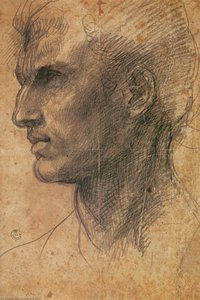
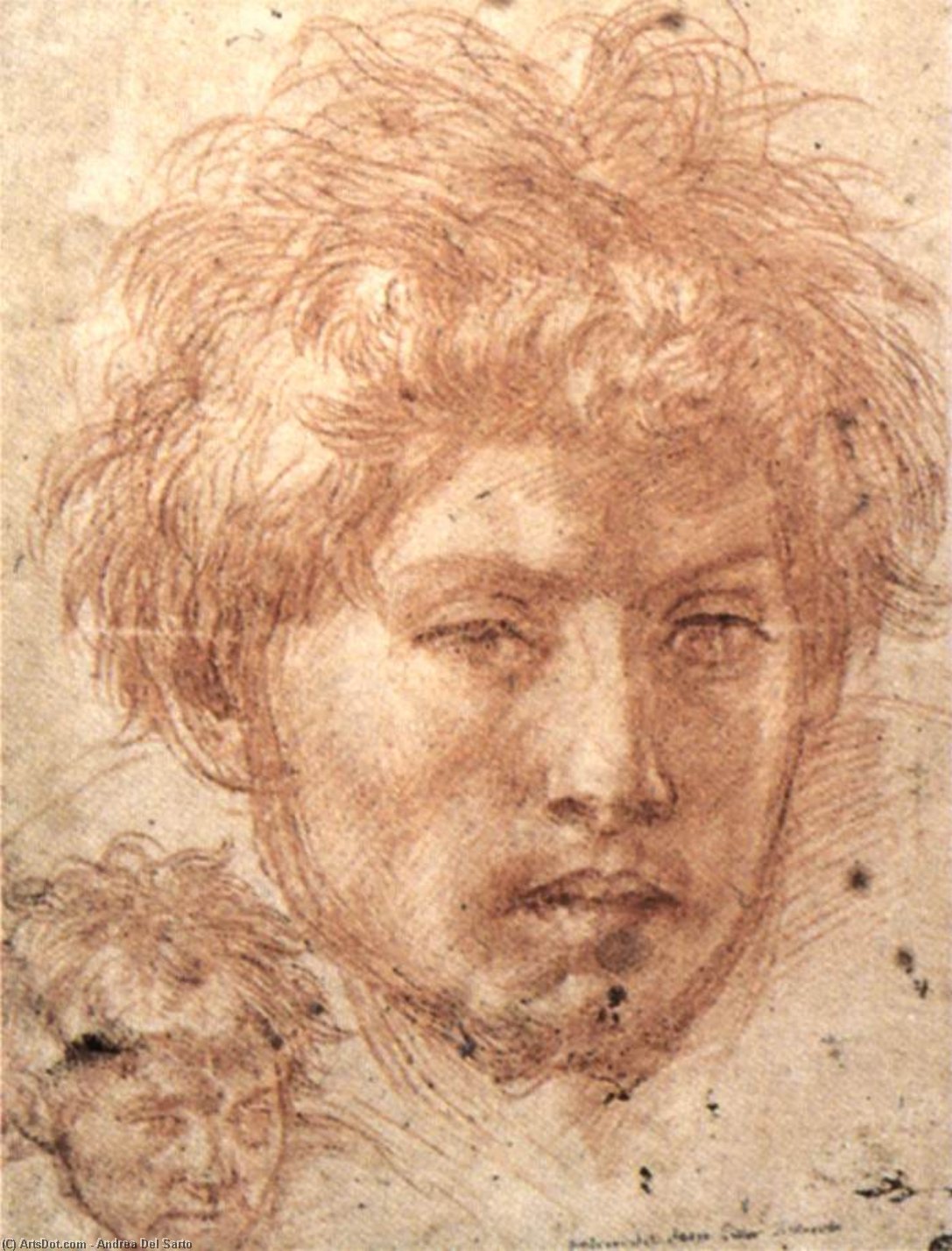
Head of a Young Man


 Weiterlesen
Handgefertigte Ölreproduktion
Handgemaltes Ölgemälde auf Leinwand in Ihrer Wunschgröße und mit Rahmen, auf Bestellung von unseren Künstlern angefertigt. ( Druck bestellen Bild kaufen)




P118B $10

P118H $10

P118W $10

P438Z $10

P508JH $12

P508YH $12

P805H $10

P805Z $10

P919BZ $10

P919G $10

P919XJ $10

P959ZH $10

P968JZ $12

W106C $8

W218G $10

W218JH $8

W218Y $10

W307PJ $10

W316G $10

W316PJ $8

W316Y $10

W398PJ $8

W4111J $10

W500HY $15

W500JH $15

W692G $12

W849H $8

W940BG $15

W953PJ $8




Wählen Sie aus unseren vordefinierten Formaten, die den ursprünglichen Proportionen des Kunstwerks entsprechen.

Sie können Ihre eigenen Maße eingeben, um einen bestimmten Rahmen oder Platz auszufüllen. Wenn die gewählte Größe nicht den Proportionen des Originalbildes entspricht, werden wir das Kunstwerk entweder beschneiden oder das Gemälde durch zusätzliche, handgemalte Elemente erweitern. Ein digitales Mockup wird Ihnen zur Genehmigung zugesandt, bevor die Produktion beginnt.
Bitte beachten Sie, dass die Bildschirmvorschau nicht die tatsächliche Beschneidung oder Erweiterung widerspiegelt. Nur das Mockup zeigt die endgültige Komposition exakt an.
Obwohl Sondermaße verfügbar sind, empfehlen wir, eine Größe aus der vordefinierten Liste zu wählen, um die ursprünglichen Proportionen beizubehalten.
Nach der Bestellung wird das ArtsDot.com-Team dem Kunden Anweisungen per E-Mail zusenden und eine Mockup-Vorschau bereitstellen.
Weltweiter Versand () in nur 3 bis 4 Wochen statt der üblichen 5 Wochen. (22 August). Keine Kompromisse bei der Qualität.

Kostenloser weltweiter Expressversand

Hochwertige Leinenleinwand

Umfassender Versicherungsschutz beim Versand

Zollgebühren-Rückerstattungsgarantie

Garantie für exakte Farbtreue

60 Tage Rückgaberecht (nur bei Mängeln)

100% Geld-zurück-Garantie

Mengenrabatt verfügbar
 Die Glasoption ist nur für Größen unter 110 cm verfügbar.

Head of a Young Man
Art der Reproduktion
Format der Reproduktion
-


Gesamtpreis
$ 263
Beschreibung des Kunstwerks
A Moment of Contemplation: Andrea del Sarto’s Portrait of Young Man
Andrea del Sarto's *Head of a Young Man*, painted circa 1520, stands as a testament to the humanist ideals flourishing during the High Renaissance in Florence. Captured within the Louvre’s collection—a location that speaks volumes about its enduring artistic significance—this portrait transcends mere representation; it embodies a profound exploration of human psychology and spiritual reflection. ### Subject Matter & Composition The painting depicts a young man's head, rendered with meticulous detail. His gaze is directed slightly off-camera, inviting the viewer to imagine his thoughts and emotions – a characteristic gesture that reflects the Renaissance fascination with inner life and introspection. The artist skillfully captures the subtle nuances of facial expression, conveying a sense of quiet contemplation and perhaps even melancholy. The positioning of the head within the frame emphasizes its centrality, drawing attention to the artist’s masterful rendering of anatomical accuracy and psychological depth. ### Artistic Style & Technique – Grisaille Mastery Del Sarto employed the technique of grisaille—monochromatic painting in shades of grey—a favored method for monumental frescoes during this period. This deliberate choice underscores the solemnity of the subject matter and highlights the artist’s dedication to capturing form and texture with remarkable precision. The subtle gradations of tone create a luminous effect, enhancing the sculptural quality of the portrait and conveying an atmosphere of serene stillness. Unlike vibrant color palettes prevalent in other Renaissance paintings, grisaille allowed del Sarto to focus entirely on anatomical realism and expressive gesture—a hallmark of his distinctive style. ### Historical Context & Influences Painted during the apex of Florentine artistic achievement, *Head of a Young Man* resides within a broader context of humanist scholarship and artistic innovation. Andrea del Sarto’s work draws inspiration from artists like Michelangelo Buonarroti and Raffaello Sanzio da Urbino—giants of the Renaissance who championed anatomical accuracy and idealized beauty. Furthermore, Del Sarto's collaboration with Pier Francesco Foschi on monumental frescoes for Palazzo Vecchio exemplifies the ambition and grandeur of Florentine patronage during Lorenzo de Medici’s reign. The painting reflects the humanist preoccupation with portraying the human form in its natural state—a departure from medieval conventions that prioritized symbolic representation over realistic depiction. ### Symbolism & Emotional Impact The portrait's contemplative gaze speaks to a deeper philosophical inquiry into the nature of consciousness and experience. It embodies the Renaissance belief in the importance of cultivating inner virtue and achieving spiritual harmony – themes central to humanist thought. The artist’s careful attention to detail—particularly the rendering of the eyes—suggests an intention to convey not just physical likeness but also psychological character. Ultimately, *Head of a Young Man* invites viewers to contemplate the complexities of human emotion and intellect, leaving behind a lasting impression of serenity and profound thoughtfulness.Ähnliche Kunstwerke
Über den Künstler
Early Life and Training
Andrea del Sarto, born July 16, 1486, in Gualfonda, near Florence, was the son of Angelo di Francesco, a carpenter—hence his nickname “Sarto” (German: Schneider). His formative years saw him apprenticed to an goldsmith, followed by instruction under the painter Gian Barile. Notably, he honed his artistic skills under Leonardo da Vinci and Michelangelo Buonarroti, absorbing their stylistic innovations and mastering techniques that would define his distinctive oeuvre. Del Sarto’s early influences included Domenico Ghirlandajo and Masaccio, artists who championed naturalism and anatomical accuracy—principles that profoundly shaped his approach to painting.Artistic Career
Andrea del Sarto established a collaborative workshop with Francesco Franciabigio around 1506, marking the beginning of a prolific artistic partnership. Their initial project was the baptism of christ, commissioned by Zanobi Strozzi for the chapel at his villa in Rovetzano, now housed in the Pinacoteca of the Gallerie Nazionali di Arte Antica (Palazzo Barberini) in Rome, Italy. This fresco demonstrated his mastery of monochromatic grisaille—a technique he would consistently employ throughout his career. He continued to develop his artistic vision by studying Michelangelo’s monumental sculptures and embracing the expressive dynamism characteristic of Florentine Mannerism.Notable Works and Commissions
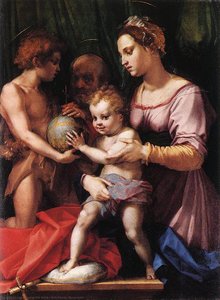
Andrea del Sarto's artistic output spanned a remarkable range of projects, reflecting his versatility as an artist and decorator. Among his most celebrated achievements were: the holy family, a poignant depiction of the Virgin Mary, Jesus, and John the Baptist—a masterpiece that embodies the humanist ideals of the High Renaissance. cenacolo di andrea del sarto—also known as “The Last Supper”—stands as one of the most iconic representations of this pivotal biblical scene. Located at the Museo del Cenacolo di Andrea Del Sarto in Florence, it showcases his unparalleled skill in capturing human emotion and conveying spiritual depth. Furthermore, he undertook commissions for the Servites monastery, culminating in stories of miracles of saint filippo benizzi—a series of frescoes adorning the loggia dei servi di maria.Legacy and Influence
Andrea del Sarto’s artistic legacy extends far beyond his individual masterpieces. He profoundly influenced subsequent generations of painters, fostering a distinctive style characterized by harmonious compositions, graceful figures, and innovative use of color—elements that blended Renaissance ideals with Mannerist experimentation. His meticulous attention to detail and anatomical accuracy established him as a pioneer in the pursuit of naturalism, cementing his place among the foremost artists of his era. Despite facing challenges during his lifetime—including financial difficulties and rivalry—Andrea del Sarto’s enduring impact on art history testifies to the brilliance of his creative vision and the timeless beauty of his artworks. view more works by Andrea Del Sarto on ArtsDot: [https://ArtsDot.com/@/andrea del sarto](https://ArtsDot.com/@/andrea-del-sarto) explore the Pinacoteca of Gallerie Nazionali di Arte Antica (Palazzo Barberini) on ArtsDot: /de/art/show/art-d3afwr-de/ read more about Andrea Del Sarto's life and works on Wikipedia: [https://fr.wikipedia.org/wiki/andrea_del_sarto](https://fr.wikipedia.org/wiki/andrea-del-sarto)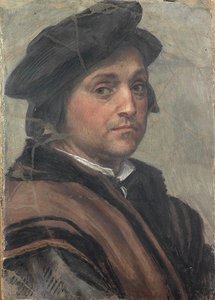
Andrea del Sarto
1486 - 1530 , Italien
Kurzinfos
- Bemerkenswerte Kunstwerke:
- Die Heilige Familie
- Cenacolo di Andrea del Sarto
- Storie di miracoli di San Filippo Benizzi
- Geburtsdatum: 16. Juli 1486
- Geburtsort (Stadt, Land): Florenz, Italien
- Künstler Oder Bewegungen, Die Von Diesem Künstler Beeinflusst Wurden:
- Jacobo del Pontormo
- Franciabigio
- Künstler, Die Diesen Künstler Beeinflussten:
- Leonardo da Vinci
- Michelangelo
- Raffaello
- Künstlerische Bewegung Oder Stil: Hochrenaissance, Manierismus
- Nationalität: Italiener
- Sterbedatum: 29. September 1530
- Vollständiger Name: Andrea del Sarto
Ähnliche Artikel
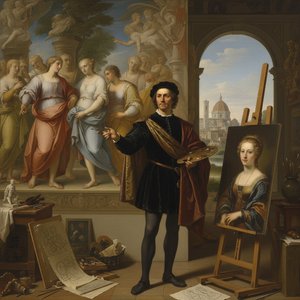
Andrea del Sarto: Florentinische Eleganz und die Meisterschaft der Renaissance
Entdecken Sie das Werk von Andrea del Sarto, einem Meister der Florentiner Renaissance. Erfahren Sie mehr über seine Fresken, seinen Stil und sein Vermächtnis in diesem umfassenden Artikel. Hochwertige Reproduktionen bei ArtsDot!

Das Familienerbe an die Wand bringen: Wandgemälde als Generationenschatz
Verwandeln Sie Ihre Familiengeschichte in ein beeindruckendes Wandgemälde! Expertenrat & hochwertige Handwerkskunst für einzigartige Kunstwerke, die Generationen verbinden. Entdecken Sie jetzt!

The Enduring Legacy of Fresco Painting: Techniques, History & Contemporary Relevance
Explore the rich history & enduring artistry of fresco painting – from Giotto to Michelangelo! Discover techniques, conservation efforts, & modern applications. Learn how ArtsDot brings this timeless art form to your home.

The Enduring Legacy of Fresco: Technique, History & Artistic Expression Across Cultures
Explore the rich history & enduring legacy of fresco painting! Discover ancient techniques, Giotto's masterpieces, and modern applications. Expert insights for art lovers & professionals.
Kunst, die mit Ihnen lebt: Emotionale Kraft individueller Innenraumfresken
Entdecken Sie die emotionale Kraft individueller Innenraumfresken! Expertenberatung & hochwertige Wandmalerei für Hotels, Wohnräume & mehr. – Ihr Partner für einzigartige Kunst.