

 Vorschau anzeigen
 Versenden
 Teilen
 Details anzeigen

 Herunterladen
 Ähnliche Objekte
 Röntgenaufnahme
 Diashow
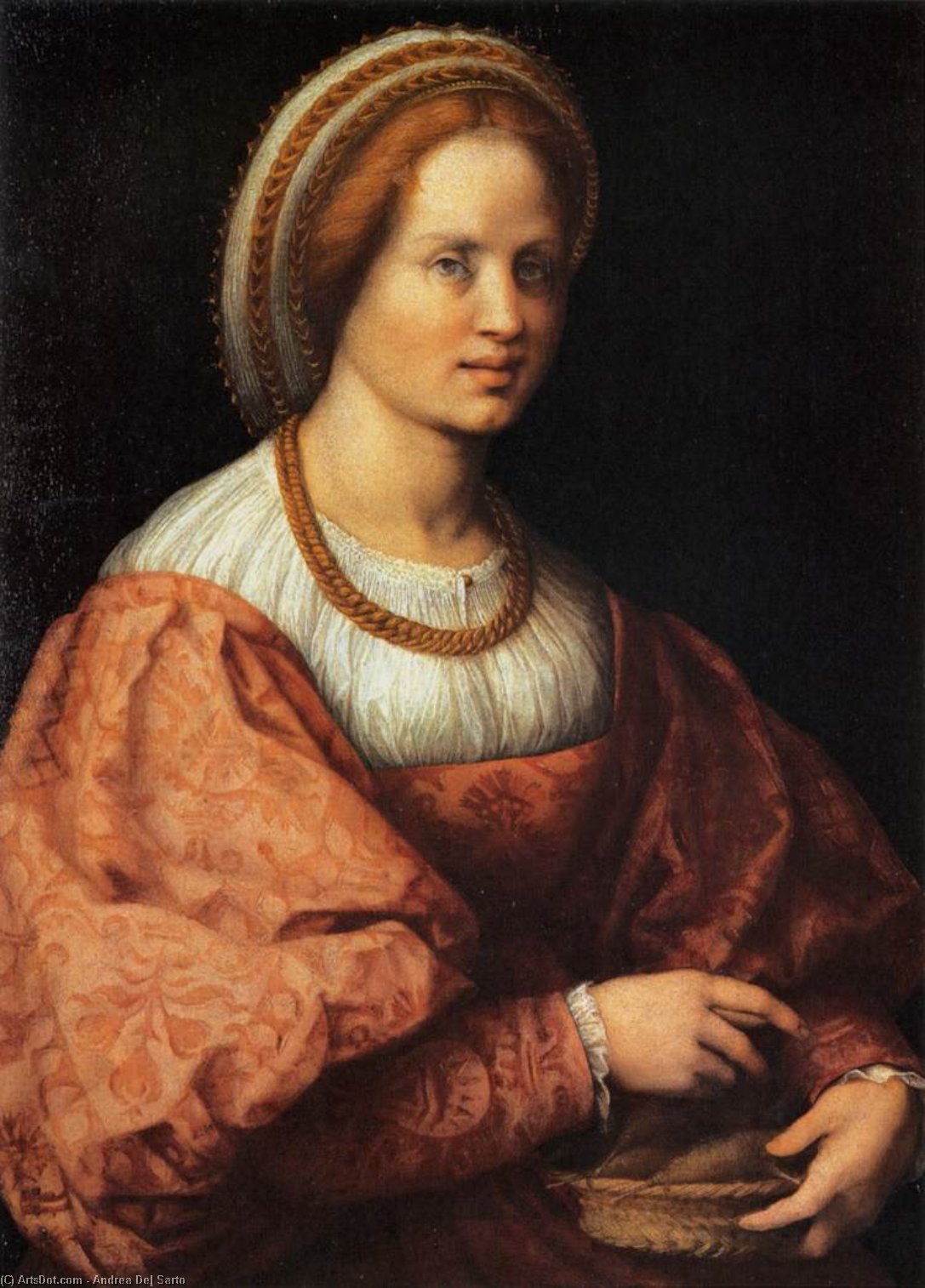
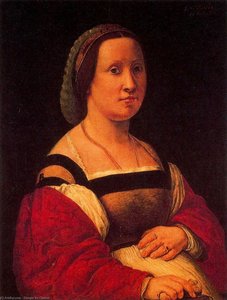
Portrait of a Woman with a Basket of Spindles
 Oil On Canvas
- WallArt
- Italian High Renaissance
 1517
1517- Renaissance
 76.0 x 54.0 cm
 Galleria degli Uffizi
 Weiterlesen
Erwerben Sie ein hochauflösendes, optimiertes digitales Bild, das der Online-Vorschau weit überlegen ist.
Jede Datei wird von unseren hauseigenen Spezialisten mit modernsten Werkzeugen und fachmännischer manueller Retusche sorgfältig vorbereitet. Wir stellen sicher, dass jedes Bild eine außergewöhnliche Klarheit, präzise Farbgenauigkeit und feinste Details aufweist.
Die endgültige Datei wird innerhalb von 72 Stunden per E-Mail zugestellt und ist für den sofortigen Einsatz in professionellen, redaktionellen und Druckumgebungen optimiert. Es handelt sich um dieselbe Qualität, der führende Designstudios, Verlage und Galerien vertrauen.
Digitales Bild
Laden Sie eine hochauflösende Datei für die persönliche Präsentation, den Druck und kreative Projekte herunter. ( Druck bestellen Handgemalte Reproduktion bestellen)
In jeder Bestellung digitaler Bilder enthalten
Professionelle digitale Bereitstellung, garantiert
Wenn Sie sich für ArtsDot.com entscheiden, erhalten Sie nicht nur ein Bild – Sie erhalten ein professionell aufbereitetes digitales Kunstwerk, das mit höchster Präzision erstellt und durch eine Zufriedenheitsgarantie abgesichert wird. Hier ist alles, was automatisch mit Ihrer Bestellung geliefert wird:

Schnelle E-Mail-Zustellung
Ihre hochauflösende digitale Bilddatei wird Ihnen innerhalb von 72 Stunden nach der Bestellung per E-Mail zugestellt – bereit zur sofortigen Verwendung.

KI-optimierte digitale Datei
Ihre Kunstwerke werden professionell mithilfe fortschrittlicher KI-Tools und manueller Bearbeitung optimiert, um maximale Detailtreue, Klarheit und Farbgenauigkeit zu gewährleisten.

Lebenslanger kostenloser Neudruckservice
Datei versehentlich gelöscht oder verloren? Keine Sorge – wir senden sie Ihnen jederzeit kostenlos erneut zu.

Keine Einfuhrgebühren – jemals
Genießen Sie Ihr Kunstwerk sofort ohne Zollgebühren, Einfuhrabgaben oder Versandkosten – digitale Downloads sind immer steuerfrei.

Garantierte Farbtreue
Wir garantieren, dass Ihr digitales Bild mithilfe professioneller Werkzeuge und Farbmanagement die Originalfarben so präzise wie möglich wiedergibt.

100-Tage-Zufriedenheitsgarantie
Sollten Sie mit Ihrem digitalen Bild nicht zufrieden sein, werden wir es überarbeiten oder Ihnen innerhalb von 100 Tagen 100% erstatten – ohne Wenn und Aber.

100% Geld-zurück-Garantie
Nicht zufrieden? Erhalten Sie innerhalb von 100 Tagen nach Erhalt Ihrer digitalen Datei eine vollständige Rückerstattung – ohne Angabe von Gründen.

Rabatte bei Großbestellungen
3 Bilder kaufen, 10% sparen – 5 Bilder kaufen, 15% sparen – Ab 10 Bildern 20% sparen. Ideal für kreative Projekte, Galerien und Agenturen.
Andrea del Sarto’s Portrait of a Woman with a Basket of Spindles: A Study in Grisaille and Renaissance Ideal
The painting “Portrait of a Woman with a Basket of Spindles,” attributed to Andrea del Sarto, stands as a testament to the enduring fascination of the Florentine Renaissance with idealized beauty and meticulous artistic execution. Completed around 1517, this monochrome fresco – executed in grisaille – transcends mere representation; it embodies a profound exploration of humanist principles and invites contemplation on themes of femininity, domesticity, and spiritual aspiration.Subject Matter and Composition
The central figure is a woman depicted with serene dignity, her gaze unwavering as she holds a basket overflowing with spindles—a symbol laden with significance. The artist’s masterful composition draws the viewer's eye directly to her face, prioritizing psychological depth over opulent ornamentation. Her posture exudes composure, reflecting the Renaissance ideal of grace and balance – qualities prized in portraiture during this period. Surrounding her is a subtly textured background, rendered in shades of grey that serve not merely as visual support but actively contribute to the painting’s emotional resonance.Technique: Grisaille and Oil Paint
Del Sarto employed grisaille—a technique utilizing monochrome pigments (typically white lead mixed with charcoal or lampblack)—to achieve remarkable tonal accuracy and luminosity. This method, favored by artists like Michelangelo and Raphael, demanded painstaking attention to detail and a profound understanding of light and shadow. The fresco’s surface was prepared with lime plaster, ensuring optimal adhesion for subsequent layers of oil paint applied in thin glazes—a technique that allowed for subtle gradations of tone and enhanced the illusionistic quality of the image. This layering process is characteristic of Renaissance painting and distinguishes it from earlier styles characterized by tempera pigments.Historical Context: Florentine Humanism and Artistic Patronage
The painting emerged during a pivotal moment in Florentine history—the High Renaissance, fueled by humanist scholarship and artistic patronage. Andrea del Sarto’s work reflects the prevailing intellectual currents of the time, which championed human reason and celebrated classical ideals of beauty and proportion. The fresco was commissioned by Zanobi Strozzi, demonstrating the importance of aristocratic benefactors in sustaining artistic creativity and disseminating cultural values within Florence. It exemplifies the Renaissance commitment to portraying individuals as rational beings capable of spiritual contemplation—a departure from medieval iconography that prioritized religious symbolism above all else.Symbolism: Spindles and Feminine Virtue
The basket of spindles itself carries considerable symbolic weight. Traditionally associated with weaving, spinning, and domestic labor – activities primarily undertaken by women – it represents fertility, industriousness, and the nurturing role of femininity within the household. The woman’s serene expression reinforces this symbolism, conveying inner peace and moral virtue—qualities considered essential for achieving spiritual fulfillment during the Renaissance. Furthermore, the muted palette contributes to the painting's contemplative atmosphere, inviting viewers to engage in a dialogue with timeless themes of beauty, grace, and contemplation.Emotional Impact: Tranquility and Ideal Beauty
Ultimately, “Portrait of a Woman with a Basket of Spindles” succeeds in conveying a profound sense of tranquility and idealized beauty. The artist’s meticulous attention to tonal nuance—combined with the painting's harmonious composition—creates an immersive experience that transcends mere visual perception. It speaks to the viewer’s sensibilities, evoking feelings of serenity, admiration for feminine grace, and appreciation for the enduring legacy of Renaissance artistic achievement. This piece continues to inspire collectors and interior designers alike who seek to infuse their spaces with elegance and intellectual depth.Ähnliche Kunstwerke

Biografie des Künstlers
Early Life and Training
Andrea del Sarto, born July 16, 1486, in Gualfonda, near Florence, was the son of Angelo di Francesco, a carpenter—hence his nickname “Sarto” (German: Schneider). His formative years saw him apprenticed to an goldsmith, followed by instruction under the painter Gian Barile. Notably, he honed his artistic skills under Leonardo da Vinci and Michelangelo Buonarroti, absorbing their stylistic innovations and mastering techniques that would define his distinctive oeuvre. Del Sarto’s early influences included Domenico Ghirlandajo and Masaccio, artists who championed naturalism and anatomical accuracy—principles that profoundly shaped his approach to painting.Artistic Career
Andrea del Sarto established a collaborative workshop with Francesco Franciabigio around 1506, marking the beginning of a prolific artistic partnership. Their initial project was the baptism of christ, commissioned by Zanobi Strozzi for the chapel at his villa in Rovetzano, now housed in the Pinacoteca of the Gallerie Nazionali di Arte Antica (Palazzo Barberini) in Rome, Italy. This fresco demonstrated his mastery of monochromatic grisaille—a technique he would consistently employ throughout his career. He continued to develop his artistic vision by studying Michelangelo’s monumental sculptures and embracing the expressive dynamism characteristic of Florentine Mannerism.Notable Works and Commissions
Andrea del Sarto's artistic output spanned a remarkable range of projects, reflecting his versatility as an artist and decorator. Among his most celebrated achievements were: the holy family, a poignant depiction of the Virgin Mary, Jesus, and John the Baptist—a masterpiece that embodies the humanist ideals of the High Renaissance. cenacolo di andrea del sarto—also known as “The Last Supper”—stands as one of the most iconic representations of this pivotal biblical scene. Located at the Museo del Cenacolo di Andrea Del Sarto in Florence, it showcases his unparalleled skill in capturing human emotion and conveying spiritual depth. Furthermore, he undertook commissions for the Servites monastery, culminating in stories of miracles of saint filippo benizzi—a series of frescoes adorning the loggia dei servi di maria.Legacy and Influence
Andrea del Sarto’s artistic legacy extends far beyond his individual masterpieces. He profoundly influenced subsequent generations of painters, fostering a distinctive style characterized by harmonious compositions, graceful figures, and innovative use of color—elements that blended Renaissance ideals with Mannerist experimentation. His meticulous attention to detail and anatomical accuracy established him as a pioneer in the pursuit of naturalism, cementing his place among the foremost artists of his era. Despite facing challenges during his lifetime—including financial difficulties and rivalry—Andrea del Sarto’s enduring impact on art history testifies to the brilliance of his creative vision and the timeless beauty of his artworks. view more works by Andrea Del Sarto on ArtsDot: [https://ArtsDot.com/@/andrea del sarto](https://ArtsDot.com/@/andrea-del-sarto) explore the Pinacoteca of Gallerie Nazionali di Arte Antica (Palazzo Barberini) on ArtsDot: /de/art/show/art-d3afwr-de/ read more about Andrea Del Sarto's life and works on Wikipedia: [https://fr.wikipedia.org/wiki/andrea_del_sarto](https://fr.wikipedia.org/wiki/andrea-del-sarto)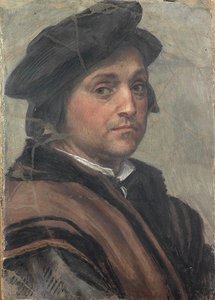
Andrea del Sarto
1486 - 1530 , Italien
Kurzinfos
- Bemerkenswerte Kunstwerke:
- Die Heilige Familie
- Cenacolo di Andrea del Sarto
- Storie di miracoli di San Filippo Benizzi
- Geburtsdatum: 16. Juli 1486
- Geburtsort (Stadt, Land): Florenz, Italien
- Künstler Oder Bewegungen, Die Von Diesem Künstler Beeinflusst Wurden:
- Jacobo del Pontormo
- Franciabigio
- Künstler, Die Diesen Künstler Beeinflussten:
- Leonardo da Vinci
- Michelangelo
- Raffaello
- Künstlerische Bewegung Oder Stil: Hochrenaissance, Manierismus
- Nationalität: Italiener
- Sterbedatum: 29. September 1530
- Vollständiger Name: Andrea del Sarto