

 Vorschau anzeigen
 Versenden
 Teilen
 Details anzeigen

 Herunterladen
 Ähnliche Objekte
 Röntgenaufnahme
 Diashow
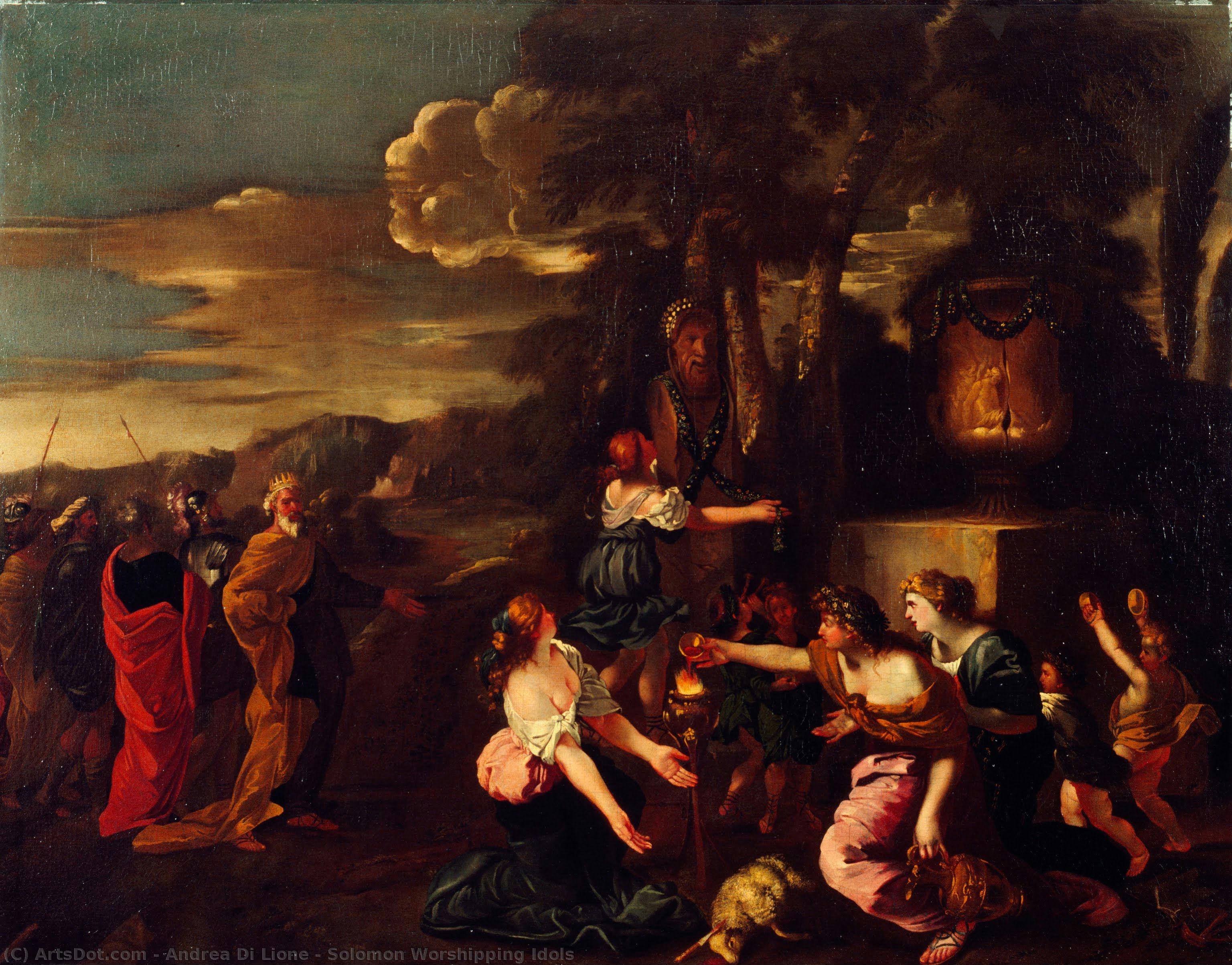
Solomon Worshipping Idols
 126.0 x 99.0 cm
 Fondazione Cariplo
 Weiterlesen
Handgefertigte Ölreproduktion
Handgemaltes Ölgemälde auf Leinwand in Ihrer Wunschgröße und mit Rahmen, auf Bestellung von unseren Künstlern angefertigt. ( Druck bestellen Bild kaufen)




































Wählen Sie aus unseren vordefinierten Formaten, die den ursprünglichen Proportionen des Kunstwerks entsprechen.

Sie können Ihre eigenen Maße eingeben, um einen bestimmten Rahmen oder Platz auszufüllen. Wenn die gewählte Größe nicht den Proportionen des Originalbildes entspricht, werden wir das Kunstwerk entweder beschneiden oder das Gemälde durch zusätzliche, handgemalte Elemente erweitern. Ein digitales Mockup wird Ihnen zur Genehmigung zugesandt, bevor die Produktion beginnt.
Bitte beachten Sie, dass die Bildschirmvorschau nicht die tatsächliche Beschneidung oder Erweiterung widerspiegelt. Nur das Mockup zeigt die endgültige Komposition exakt an.
Obwohl Sondermaße verfügbar sind, empfehlen wir, eine Größe aus der vordefinierten Liste zu wählen, um die ursprünglichen Proportionen beizubehalten.
Nach der Bestellung wird das ArtsDot.com-Team dem Kunden Anweisungen per E-Mail zusenden und eine Mockup-Vorschau bereitstellen.
Weltweiter Versand () in nur 3 bis 4 Wochen statt der üblichen 5 Wochen. (25 August). Keine Kompromisse bei der Qualität.

Kostenloser weltweiter Expressversand

Hochwertige Leinenleinwand

Umfassender Versicherungsschutz beim Versand

Zollgebühren-Rückerstattungsgarantie

Garantie für exakte Farbtreue

60 Tage Rückgaberecht (nur bei Mängeln)

100% Geld-zurück-Garantie

Mengenrabatt verfügbar
 Die Glasoption ist nur für Größen unter 110 cm verfügbar.

Solomon Worshipping Idols
Art der Reproduktion
Format der Reproduktion
-


Gesamtpreis
$ 263
Beschreibung des Kunstwerks
Ähnliche Kunstwerke





Über den Künstler
Andrea di Lione: A Baroque Master of Battle and Faith
Andrea di Leone (8 September 1610 – 12 February 1685) was an Italian painter of the Baroque period, active in his native city of Naples. He stands as a testament to the artistic fervor of the era, embodying the grandeur and drama characteristic of Venetian and Roman art while retaining a distinctly Neapolitan sensibility. His legacy rests primarily on monumental battle scenes depicting biblical narratives and historical conflicts—works that continue to captivate audiences with their meticulous detail and emotive power.Early Life and Training
Born in Naples around 1610, Andrea di Leone’s formative years were steeped in the artistic traditions of his time. He received instruction from Belisario Corenzio, a prominent Neapolitan painter known for his allegorical frescoes and portraits, and Salvator Rosa, whose landscapes infused with spiritual contemplation profoundly impacted Leone's aesthetic sensibilities. These mentors instilled in him a disciplined approach to art—a cornerstone of his subsequent artistic endeavors. Notably, he collaborated closely with Corenzio on frescos illustrating biblical battles for the palace of the Viceroy, marking an early demonstration of his talent and establishing connections within Naples’s influential artistic circles.The Influence of Falcone and Academic Training
Leone's artistic trajectory took a decisive turn when he joined Aniello Falcone’s studio, where he underwent rigorous academic training—a crucial step in mastering the techniques demanded by Baroque painting. Falcone championed a style characterized by idealized forms and dramatic chiaroscuro, influencing Leone to prioritize realism alongside expressive emotion. This stylistic convergence would become a hallmark of his oeuvre.Notable Works: Biblical Narratives and Venetian Style
Leone’s artistic output is distinguished by its masterful execution of biblical narratives—particularly “Tobit Burying the Dead” and “Solomon Worshipping Idols”—which showcase his ability to convey profound spiritual themes through meticulously rendered figures and landscapes. His paintings frequently adopted a Venetian style, characterized by luminous colors and atmospheric perspective, reflecting the artistic currents circulating throughout Europe during his lifetime. The Cathedral of Naples houses several impressive canvases by Leone, demonstrating his commitment to religious art and cementing his reputation as one of Naples’s foremost painters. Similarly, “Venus and Adonis” exemplifies his skill in portraying mythological subjects with captivating dynamism and sensual beauty.Legacy and Historical Significance
Andrea di Lione's contribution to Baroque art extends beyond individual masterpieces; he helped shape the artistic landscape of Naples and influenced subsequent generations of artists. His battle scenes—particularly those adorning the palace of the Viceroy—became iconic representations of Venetian style, establishing a precedent for dramatic composition and emotive storytelling. He died in Naples in 1685, leaving behind an enduring legacy as a painter who skillfully blended technical virtuosity with spiritual contemplation—a testament to the artistic spirit of his era. His works continue to inspire admiration for their beauty and intellectual depth, securing his place among the most celebrated figures of Italian Baroque art.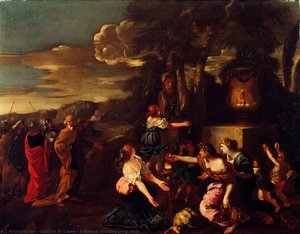
andrea di lione
1596 - 1675
Kurzinfos
- Artistic Movement Or Style: Baroque
- Artists Or Movements Influenced By This Artist: ['Aniello Falcone']
- Artists Who Influenced This Artist:
- Belisario Corenzio
- Salvator Rosa
- Date Of Birth: September 8, 1610
- Date Of Death: February 12, 1685
- Full Name: Andrea di Leone
- Nationality: Italian
- Notable Artworks:
- Solomon Worshipping Idols
- Tobit Burying the Dead
- Venus and Adonis
- Place Of Birth: Naples, Italy

