 Vorschau anzeigen
 Versenden
 Teilen
 Details anzeigen

 Herunterladen
 Ähnliche Objekte
 Röntgenaufnahme
 Diashow
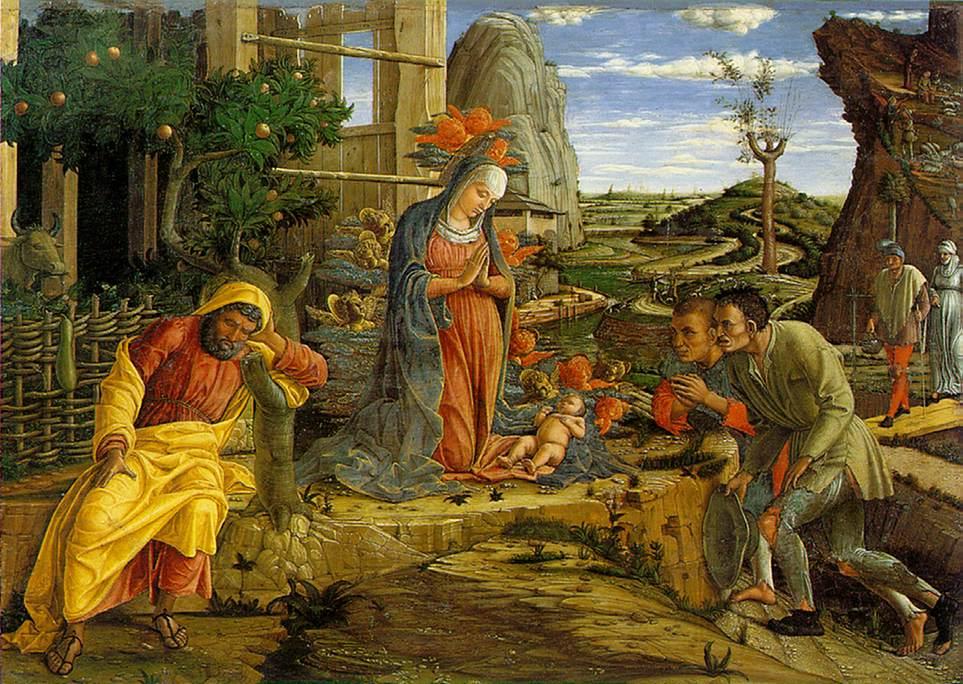
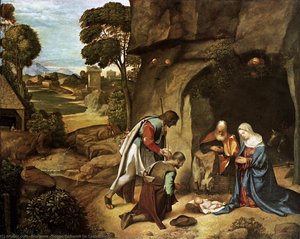
Adoration of the Shepherds

 Weiterlesen
Handgefertigte Ölreproduktion
Handgemaltes Ölgemälde auf Leinwand in Ihrer Wunschgröße und mit Rahmen, auf Bestellung von unseren Künstlern angefertigt. ( Druck bestellen Bild kaufen)




P118B $10

P118H $10

P118W $10

P438Z $10

P508JH $12

P508YH $12

P805H $10

P805Z $10

P919BZ $10

P919G $10

P919XJ $10

P959ZH $10

P968JZ $12

W106C $8

W218G $10

W218JH $8

W218Y $10

W307PJ $10

W316G $10

W316PJ $8

W316Y $10

W398PJ $8

W4111J $10

W500HY $15

W500JH $15

W692G $12

W849H $8

W940BG $15

W953PJ $8




Wählen Sie aus unseren vordefinierten Formaten, die den ursprünglichen Proportionen des Kunstwerks entsprechen.

Sie können Ihre eigenen Maße eingeben, um einen bestimmten Rahmen oder Platz auszufüllen. Wenn die gewählte Größe nicht den Proportionen des Originalbildes entspricht, werden wir das Kunstwerk entweder beschneiden oder das Gemälde durch zusätzliche, handgemalte Elemente erweitern. Ein digitales Mockup wird Ihnen zur Genehmigung zugesandt, bevor die Produktion beginnt.
Bitte beachten Sie, dass die Bildschirmvorschau nicht die tatsächliche Beschneidung oder Erweiterung widerspiegelt. Nur das Mockup zeigt die endgültige Komposition exakt an.
Obwohl Sondermaße verfügbar sind, empfehlen wir, eine Größe aus der vordefinierten Liste zu wählen, um die ursprünglichen Proportionen beizubehalten.
Nach der Bestellung wird das ArtsDot.com-Team dem Kunden Anweisungen per E-Mail zusenden und eine Mockup-Vorschau bereitstellen.
Weltweiter Versand () in nur 3 bis 4 Wochen statt der üblichen 5 Wochen. (23 August). Keine Kompromisse bei der Qualität.

Kostenloser weltweiter Expressversand

Hochwertige Leinenleinwand

Umfassender Versicherungsschutz beim Versand

Zollgebühren-Rückerstattungsgarantie

Garantie für exakte Farbtreue

60 Tage Rückgaberecht (nur bei Mängeln)

100% Geld-zurück-Garantie

Mengenrabatt verfügbar
 Die Glasoption ist nur für Größen unter 110 cm verfügbar.

Adoration of the Shepherds
Art der Reproduktion
Format der Reproduktion
-


Gesamtpreis
$ 263
Beschreibung des Kunstwerks
Andrea Mantegna’s ‘Adoration of the Shepherds’: A Testament to Roman Antiquity
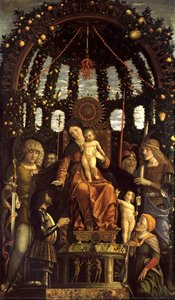
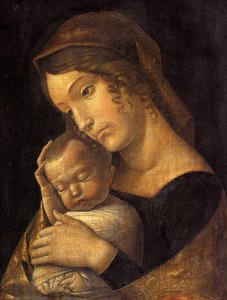
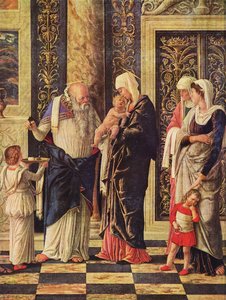
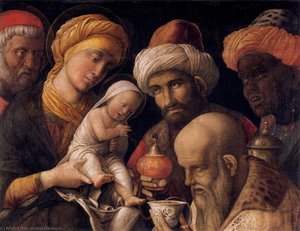
Andrea Mantegna's “Adoration of the Shepherds” is not merely a depiction of a biblical scene; it’s a profound statement about artistic ambition, historical reverence, and the very soul of the Renaissance. Painted around 1480-1485, this masterpiece transports us to a moment of profound humility and spiritual awakening – the arrival of the shepherds before the infant Jesus. The painting's power resides in Mantegna’s meticulous approach, born from an almost obsessive fascination with the vestiges of Roman antiquity. He didn’t simply paint a religious scene; he resurrected it, imbuing it with the solidity and grandeur of a lost empire.
- A Sculptural Vision: Mantegna's influence is immediately apparent in the work’s strikingly sculptural forms. The figures are rendered with an almost architectural precision, recalling the idealized human bodies found in Roman sculpture. This isn’t the soft, flowing style of some contemporary artists; it’s a deliberate return to the clarity and strength of classical form.
- Dramatic Perspective: The artist masterfully employs linear perspective, a technique largely pioneered during this period, creating an illusion of depth that draws the viewer directly into the scene. This was revolutionary at the time, demonstrating Mantegna's understanding and application of mathematical principles to achieve realism.
- The Echoes of Rome: Mantegna’s formative years spent studying Roman ruins under Francesco Squarcione profoundly shaped his artistic sensibilities. The painting is saturated with references to Roman art – the poses of the figures, the drapery, even the architectural details in the background—all subtly allude to the grandeur and power of ancient Rome.
Subject Matter and Narrative
The scene itself is a carefully constructed narrative from Matthew 2:1-12. Mary, Joseph, and the infant Jesus are at the center of attention, surrounded by a throng of shepherds who have been guided to them by an angel. The painting captures the moment of adoration, the reverence with which these humble figures approach the divine child. It’s a scene rich in symbolism – representing humanity's yearning for salvation and the arrival of grace into the world. Note the deliberate positioning of the figures; they are not simply arranged randomly but contribute to the overall sense of order and solemnity.
- The Dog: The presence of a small dog, positioned near the bottom-left corner, adds an unexpected layer of interest and perhaps symbolizes loyalty or guardianship.
- Compositional Balance: Mantegna skillfully balances the composition, using diagonal lines to create movement and directing the viewer’s eye across the scene.
Technique and Materials
Mantegna's technique is characterized by a smooth, polished surface achieved through meticulous layering of thin glazes of oil paint. This glazing technique allowed him to build up color gradually, creating a luminous effect that was particularly effective in depicting the drapery and skin tones. The use of tempera on wood panel further enhanced the durability and longevity of the work. The artist’s attention to detail is breathtaking – from the individual strands of hair to the folds of the shepherds' clothing—every element contributes to the painting’s overall realism and impact.
Historical Context and Legacy
"Adoration of the Shepherds" stands as a pivotal work in the transition between the Early and High Renaissance. It exemplifies Mantegna’s commitment to classical ideals while simultaneously pushing the boundaries of artistic innovation. His influence extended far beyond his own time, inspiring generations of artists who followed. This painting remains a testament to Mantegna's genius – a powerful reminder of the enduring appeal of Roman antiquity and the transformative power of art.
Ähnliche Kunstwerke

Über den Künstler
frühes Leben und Karriere
Andrea Mantegna, ein innovativer italienischer Maler und Gelehrter der römischen Archäologie, wurde 1431 in Italien geboren. Sein Leben ist durch eine bedeutende Abweichung von den weichen Formen seiner Zeit gekennzeichnet, wobei er sich für eine kühne, volumetrische Darstellung von Raum und Form entschied.Beitrag zur Perspektive
Mantegnas Werk war entscheidend bei der Erforschung der Perspektive und nutzte Techniken wie das Anpassen der Horizontlinie, um seinen Werken einen größeren Maßstab und Schwere zu verleihen. Dieser Ansatz stellte eine bedeutende Abweichung von den weichen Formen seiner Zeit dar und zeigte seinen einzigartigen Stil.Bekannte Werke und Verbindungen
* Mantegnas Gemälde sind für ihre robuste, skulpturale Qualität bekannt und zeigen harte, reflektierende Landschaften und Figuren, die seine Bildhauer-Sensibilität für Form und Textur verraten. * Seine Verbindung zur Bellini-Familie durch Heirat ist bemerkenswert, da sie die Vernetzung künstlerischer Familien während der Renaissance widerspiegelt.Vermächtnis in der Kunstgeschichte
Mantegnas Einfluss auf die Entwicklung der Kunst in Italien und darüber hinaus ist unbestreitbar. Sein kühner Ansatz zur Perspektive und Form hat Generationen von Künstlern inspiriert. Wie in seiner Sammlung auf ArtsDot zu sehen ist, fesseln seine Werke die Zuschauer weiterhin mit ihrer Pracht und ihrem innovativen Stil.- Schlüssel künstlerische Bewegungen: Renaissance, frühe Perspektive.
- Bekannte Werke: Umfassen "Die Klage über den toten Christus" und "St. Georg".
- Museen, die seine Werke ausstellen: Die Nationalgalerie in London und die Pinacoteca Brera in Mailand unter anderem.
Weitere Literatur und Erkundung
* Für mehr Informationen über Mantegnas Leben und Werk siehe die Palumbo-Fossati-Sammlung (Venedig, Italien), die einen kurzen Überblick über die Sammlung und ihre bemerkenswerten Stücke bietet. * Erkunden Sie die Geschichte der Kunst in Italien mit der Kultur Italiens auf Wikipedia.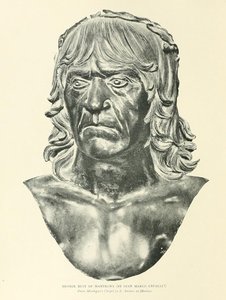
Andrea Mantegna
1431 - 1506 , Italien
Kurzinfos
- Beeinflusste Künstler:
- Raphael
- Michelangelo
- Bemerkenswerte Werke:
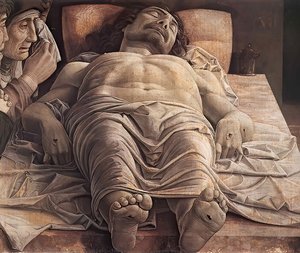
- Die Klage über den toten Christus
- St. Georg und der Drache
- Camera degli Sposi Fresken
- Die Siege Caesars
- Geburtsdatum: 1431
- Geburtsort: Carturu, Italien
- Künstlerische Bewegung: Renaissance, Frühe Perspektive
- Künstlerische Einflüsse:
- Donatello
- Jacopo Bellini
- Nationalität: Italienisch
- Sterbedatum: 1506
- Vollständiger Name: Andrea Mantegna
Ähnliche Artikel

Giclée Prints: Archival Quality & Aesthetic Nuances for the Discerning Collector
Explore the world of giclée prints with ArtsDot. Learn about archival quality, aesthetic nuances & investment potential. Expert guidance for discerning art collectors seeking museum-quality reproductions and lasting value.

Echoes of Time: Exploring the Enduring Appeal & Historical Context of Vintage Art Prints
Explore the captivating world of vintage art prints! Discover their history, collecting tips & enduring appeal. Expert insights on chromolithography and building a legacy collection with ArtsDot.

Transforming Spaces: A Comprehensive Exploration of Wall Decor Through Art History & Contemporary Practice
Explore the art of transforming spaces with our comprehensive guide to wall decor. From historical movements to contemporary trends, discover how to curate impactful interiors and commission bespoke artwork for a truly personalized aesthetic.

The Enduring Legacy of Fine Art Prints: Technique, History & Aesthetic Impact
Explore the rich history & techniques of fine art prints. Discover investment potential, assess authenticity, and learn how to preserve your collection with expert guidance. Trusted insights for discerning collectors.
Die Rückkehr des Freskos: Wandgemälde als Luxusstatement für exklusive Innenräume
Entdecken Sie die Welt der Wandgemälde! Exklusive Designs für Hotels & Wohnräume. Expertenberatung, hochwertige Materialien & individuelle Kunstprojekte – Ihr Partner für einzigartige Raumgestaltung.