 Vorschau anzeigen
 Versenden
 Teilen
 Details anzeigen

 Herunterladen
 Ähnliche Objekte
 Röntgenaufnahme
 Diashow
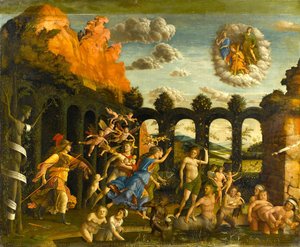
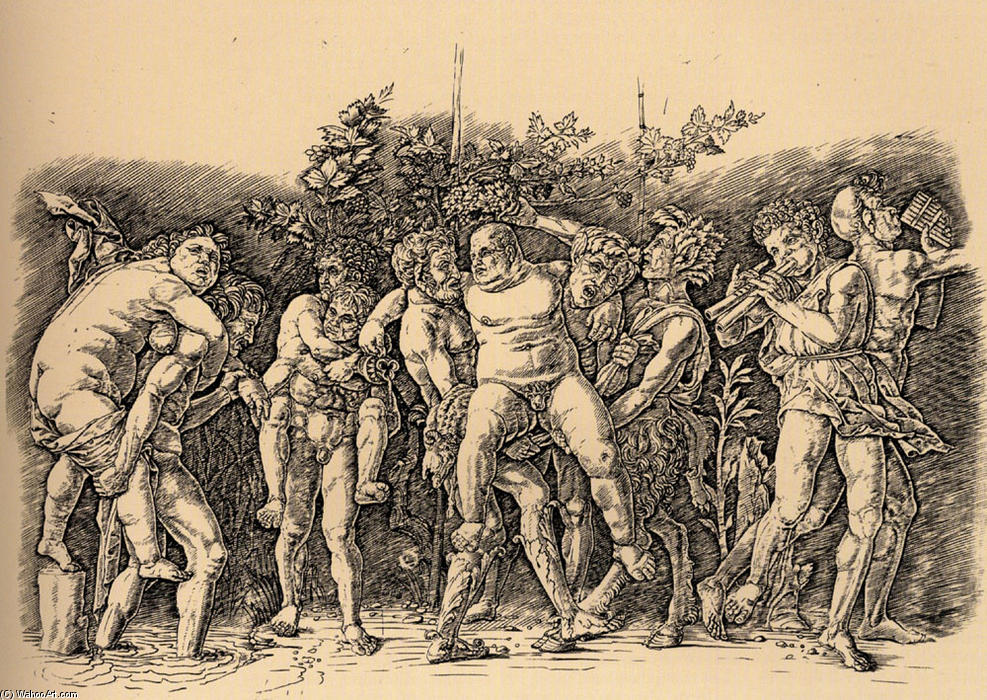
Bacchanal with Silenus


 Weiterlesen
Handgefertigte Ölreproduktion
Handgemaltes Ölgemälde auf Leinwand in Ihrer Wunschgröße und mit Rahmen, auf Bestellung von unseren Künstlern angefertigt. ( Druck bestellen Bild kaufen)




P118B $10

P118H $10

P118W $10

P438Z $10

P508JH $12

P508YH $12

P805H $10

P805Z $10

P919BZ $10

P919G $10

P919XJ $10

P959ZH $10

P968JZ $12

W106C $8

W218G $10

W218JH $8

W218Y $10

W307PJ $10

W316G $10

W316PJ $8

W316Y $10

W398PJ $8

W4111J $10

W500HY $15

W500JH $15

W692G $12

W849H $8

W940BG $15

W953PJ $8




Wählen Sie aus unseren vordefinierten Formaten, die den ursprünglichen Proportionen des Kunstwerks entsprechen.

Sie können Ihre eigenen Maße eingeben, um einen bestimmten Rahmen oder Platz auszufüllen. Wenn die gewählte Größe nicht den Proportionen des Originalbildes entspricht, werden wir das Kunstwerk entweder beschneiden oder das Gemälde durch zusätzliche, handgemalte Elemente erweitern. Ein digitales Mockup wird Ihnen zur Genehmigung zugesandt, bevor die Produktion beginnt.
Bitte beachten Sie, dass die Bildschirmvorschau nicht die tatsächliche Beschneidung oder Erweiterung widerspiegelt. Nur das Mockup zeigt die endgültige Komposition exakt an.
Obwohl Sondermaße verfügbar sind, empfehlen wir, eine Größe aus der vordefinierten Liste zu wählen, um die ursprünglichen Proportionen beizubehalten.
Nach der Bestellung wird das ArtsDot.com-Team dem Kunden Anweisungen per E-Mail zusenden und eine Mockup-Vorschau bereitstellen.
Weltweiter Versand () in nur 3 bis 4 Wochen statt der üblichen 5 Wochen. (21 August). Keine Kompromisse bei der Qualität.

Kostenloser weltweiter Expressversand

Hochwertige Leinenleinwand

Umfassender Versicherungsschutz beim Versand

Zollgebühren-Rückerstattungsgarantie

Garantie für exakte Farbtreue

60 Tage Rückgaberecht (nur bei Mängeln)

100% Geld-zurück-Garantie

Mengenrabatt verfügbar
 Die Glasoption ist nur für Größen unter 110 cm verfügbar.

Bacchanal with Silenus
Art der Reproduktion
Format der Reproduktion
-


Gesamtpreis
$ 263
Beschreibung des Kunstwerks
A Renaissance Excavation: The Spirit of Antiquity in Mantegna’s Vision
To encounter Andrea Mantegna’s Bacchanal with Silenus is to step through a portal into the heart of the Italian Renaissance, where the dust of Roman ruins meets the vibrant pulse of mythological life. Created around the late 15th century, this masterpiece is far more than a mere depiction of Dionysian revelry; it is a profound archaeological resurrection. Mantegna, a painter whose soul was deeply entwined with the classical past, does not simply paint a scene from myth—he reconstructs an atmosphere. Through his meticulous eye, the viewer is transported to a world where the boundaries between the present and the ancient past dissolve, offering a sensory experience that feels as much like a discovery of lost history as it does an encounter with fine art.
The composition breathes with the energy of a celebration in progress. At its center, the figure of Silenus, the wise yet perpetually intoxicated tutor of Bacchus, serves as the emotional and narrative anchor. Surrounded by a procession of figures that possess the weight and permanence of marble statues, the scene captures a moment of ecstatic movement. There is a palpable sense of rhythm in the arrangement of the bodies, some playing musical instruments like the lute and trumpet, others caught in mid-stride. This orchestration of human form creates a dynamic tension, inviting the observer to join the dance, making it an ideal centerpiece for any collection that seeks to evoke a sense of cultured vitality and timeless celebration.
The Mastery of Form and the Illusion of Depth
What truly distinguishes this work is Mantegna’s revolutionary command of linear perspective. He was an artist who understood that to truly honor antiquity, one had to master the mathematics of space. By employing converging lines with surgical precision, Mantegna creates a sculptural illusion of depth that defies the flat surface of the canvas. The figures do not merely sit upon the background; they inhabit a three-dimensional realm, possessing a volume and solidity that suggest they could step directly into our own world. This technique, which mimics the spatial realities found within Roman architecture, lends the piece a monumental quality that is both intellectually stimulating and visually breathtaking.
The artist’s approach to the human figure is equally transformative. Eschewing the overly idealized, soft aesthetics common in other Renaissance circles, Mantegna favors a more stony, muscular realism. His figures possess a flinty, metallic texture, as if carved from the very landscapes they inhabit. This sculptural approach to painting gives each character an enduring presence, turning the Bacchanal into a living frieze. For the discerning collector or interior designer, this creates a profound visual impact; the artwork provides a sense of structural permanence and classical elegance that can anchor a room with sophisticated gravity.
Symbolism and the Emotional Resonance of the Classical World
Beyond its technical brilliance, the Bacchanal with Silenus is rich with symbolic layers that speak to the human condition. The interplay between the wild, uninhibited nature of the Bacchanalian feast and the disciplined, scholarly precision of Mantegna’s technique reflects the Renaissance struggle to balance primal instinct with human reason. The presence of Silenus—a figure embodying both wisdom and folly—serves as a poignant reminder of the cyclical nature of life, pleasure, and introspection. Every element, from the delicate rendering of the birds to the rhythmic placement of the musicians, contributes to a narrative of abundance and the eternal pursuit of joy.
For those looking to adorn a space with art that inspires deep thought and emotional movement, this reproduction offers an unparalleled opportunity. It is a piece that commands attention through its intricate detail and rewards repeated viewing with its hidden complexities. Whether placed in a grand library, a sophisticated salon, or a contemporary living space, the Bacchanal with Silenus brings with it an aura of intellectual prestige and a timeless, evocative beauty that transcends the centuries.
Ähnliche Kunstwerke


Über den Künstler
frühes Leben und Karriere
Andrea Mantegna, ein innovativer italienischer Maler und Gelehrter der römischen Archäologie, wurde 1431 in Italien geboren. Sein Leben ist durch eine bedeutende Abweichung von den weichen Formen seiner Zeit gekennzeichnet, wobei er sich für eine kühne, volumetrische Darstellung von Raum und Form entschied.Beitrag zur Perspektive
Mantegnas Werk war entscheidend bei der Erforschung der Perspektive und nutzte Techniken wie das Anpassen der Horizontlinie, um seinen Werken einen größeren Maßstab und Schwere zu verleihen. Dieser Ansatz stellte eine bedeutende Abweichung von den weichen Formen seiner Zeit dar und zeigte seinen einzigartigen Stil.Bekannte Werke und Verbindungen
* Mantegnas Gemälde sind für ihre robuste, skulpturale Qualität bekannt und zeigen harte, reflektierende Landschaften und Figuren, die seine Bildhauer-Sensibilität für Form und Textur verraten. * Seine Verbindung zur Bellini-Familie durch Heirat ist bemerkenswert, da sie die Vernetzung künstlerischer Familien während der Renaissance widerspiegelt.Vermächtnis in der Kunstgeschichte
Mantegnas Einfluss auf die Entwicklung der Kunst in Italien und darüber hinaus ist unbestreitbar. Sein kühner Ansatz zur Perspektive und Form hat Generationen von Künstlern inspiriert. Wie in seiner Sammlung auf ArtsDot zu sehen ist, fesseln seine Werke die Zuschauer weiterhin mit ihrer Pracht und ihrem innovativen Stil.- Schlüssel künstlerische Bewegungen: Renaissance, frühe Perspektive.
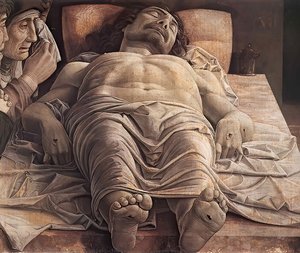
- Bekannte Werke: Umfassen "Die Klage über den toten Christus" und "St. Georg".
- Museen, die seine Werke ausstellen: Die Nationalgalerie in London und die Pinacoteca Brera in Mailand unter anderem.
Weitere Literatur und Erkundung
* Für mehr Informationen über Mantegnas Leben und Werk siehe die Palumbo-Fossati-Sammlung (Venedig, Italien), die einen kurzen Überblick über die Sammlung und ihre bemerkenswerten Stücke bietet. * Erkunden Sie die Geschichte der Kunst in Italien mit der Kultur Italiens auf Wikipedia.
Andrea Mantegna
1431 - 1506 , Italien
Kurzinfos
- Beeinflusste Künstler:
- Raphael
- Michelangelo
- Bemerkenswerte Werke:
- Die Klage über den toten Christus
- St. Georg und der Drache
- Camera degli Sposi Fresken
- Die Siege Caesars
- Geburtsdatum: 1431
- Geburtsort: Carturu, Italien
- Künstlerische Bewegung: Renaissance, Frühe Perspektive
- Künstlerische Einflüsse:
- Donatello
- Jacopo Bellini
- Nationalität: Italienisch
- Sterbedatum: 1506
- Vollständiger Name: Andrea Mantegna
Ähnliche Artikel

Bronze-Meisterwerke: Die 10 Skulpturen, die Kunstgeschichte schrieben | ArtsDot
Entdecken Sie die 10 legendärsten Bronze Skulpturen der Kunstgeschichte! Von Michelangelo bis Rodin – erfahren Sie die Geschichten hinter den Meisterwerken und lassen Sie sich von Wanddeko-Ideen inspirieren. Hochwertige Kunstdrucke auf ArtsDot.com.
The Enduring Allure of Marble in Art History: From Classical Sculpture to Modern Abstraction
Explore the captivating history of marble sculpture from ancient Greece to modern art. Discover renowned artists like Canova & Michelangelo, carving techniques, and investment insights at ArtsDot.

The Enduring Form: Exploring Themes & Techniques in Sculpture Across Historical Periods
Explore the rich history of sculpture from ancient masterpieces to contemporary innovations. Discover key techniques, influential artists & investment potential for discerning art collectors.

Die 10 legendärsten Bronzestatuen: Meisterwerke, die Kunstgeschichte schrieben | ArtsDot
Entdecken Sie die 10 legendärsten Bronzestatuen der Kunstgeschichte! Von Rodin bis Michelangelo – erfahren Sie die Geschichten hinter ikonischen Skulpturen und finden Sie hochwertige Reproduktionen für Ihr Zuhause. Jetzt bei ArtsDot entdecken!
The Enduring Form: Sculpture Across History, Technique & Emotional Resonance
Explore the rich history of sculpture with ArtsDot. Discover key techniques, influential artists & investment potential for discerning collectors. Expert insights into valuing and collecting timeless masterpieces.