 Vorschau anzeigen
 Versenden
 Teilen
 Details anzeigen

 Herunterladen
 Ähnliche Objekte
 Röntgenaufnahme
 Diashow
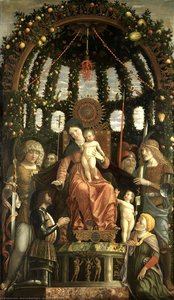
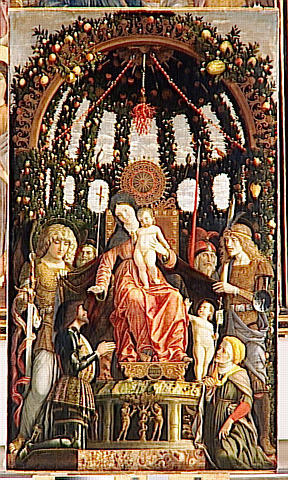
LA VIERGE ET L'ENFANT ENTOURES DE SIX SAINTS ET ADORES PAR GIAN FRANCESCO II GONZAGA DITE LA VIERGE DE LA VICTOIRE


 Weiterlesen
Giclée / Kunstdruck
Giclée- oder Leinwanddruck in Museumsqualität mit schneller Produktion und flexiblen Veredelungsoptionen. ( Handgemalte Reproduktion bestellen Bild kaufen)




P118B $10

P118H $10

P118W $10

P438Z $10

P508JH $12

P508YH $12

P805H $10

P805Z $10

P919BZ $10

P919G $10

P919XJ $10

P959ZH $10

P968JZ $12

W106C $8

W218G $10

W218JH $8

W218Y $10

W307PJ $10

W316G $10

W316PJ $8

W316Y $10

W398PJ $8

W4111J $10

W500HY $15

W500JH $15

W692G $12

W849H $8

W940BG $15

W953PJ $8




Wählen Sie aus unseren vordefinierten Formaten, die den ursprünglichen Proportionen des Kunstwerks entsprechen.

Sie können Ihre eigenen Maße eingeben, um ein bestimmtes Format oder einen speziellen Platz einzupassen. Wenn das von Ihnen gewählte Format nicht den Proportionen des Originalbildes entspricht, werden wir das Kunstwerk entweder beschneiden oder das Bild mit einem gespiegelten oder einfarbigen Rand erweitern. Ein digitaler Entwurf wird Ihnen zur Genehmigung zugesandt, bevor die Produktion beginnt.
Bitte beachten Sie, dass die Vorschau auf dem Bildschirm nicht den tatsächlichen Zuschnitt oder die Erweiterung widerspiegelt. Nur der Entwurf zeigt die endgültige Komposition präzise an.
Obwohl Sondermaße verfügbar sind, empfehlen wir die Auswahl eines Maßes aus der vordefinierten Liste, um die ursprünglichen Proportionen zu bewahren.
Weltweiter Versand () innerhalb von 2 Wochen statt der üblichen 4/5 Wochen. (25 August)

Kostenloser weltweiter Expressversand

Hochwertige Leinenleinwand

Umfassender Versicherungsschutz beim Versand

Zollgebühren-Rückerstattungsgarantie

Garantie für exakte Farbtreue

60 Tage Rückgaberecht (nur bei Mängeln)

100% Geld-zurück-Garantie

Mengenrabatt verfügbar
 Die Glasoption ist nur für Größen unter 110 cm verfügbar.

LA VIERGE ET L'ENFANT ENTOURES DE SIX SAINTS ET ADORES PAR GIAN FRANCESCO II GONZAGA DITE LA VIERGE DE LA VICTOIRE
Giclée / Kunstdruck
Format der Reproduktion
-


Gesamtpreis
$ 62
Sammlerstück-Beschreibung
La Vergine et l'Enfant Entourés de Six Saints… A Renaissance Echo
Andrea Mantegna’s La Vierge de la Victoire, a monumental altarpiece completed between 1495 and 1496, is far more than a depiction of the Virgin Mary and Child; it's a meticulously crafted testament to the burgeoning Renaissance fascination with antiquity. Commissioned by Francesco II Gonzaga of Mantua following his decisive victory at the Battle of Fornovo, the painting transcends mere celebratory iconography, becoming a profound meditation on power, faith, and the enduring legacy of Rome itself. The scene unfolds within a richly detailed church interior – a space deliberately constructed to evoke the grandeur of Roman basilicas, reflecting Gonzaga’s ambition and artistic patronage.
Mantegna's genius lies in his ability to fuse classical ideals with a strikingly modern sensibility. He doesn’t simply copy Roman forms; he dissects them, analyzes their structural principles, and then reinterprets them through the lens of his own time. Notice the almost sculptural quality of the figures – they possess a solidity and weight that recalls ancient marble statues, yet are imbued with a palpable sense of human emotion. The perspective is dramatically flattened, creating an illusionistic depth that pulls the viewer into the scene, mirroring the techniques employed by Roman architects and artists.
A Symphony of Detail: Technique and Materials
Executed primarily in tempera on wood panel, La Vierge de la Victoire showcases Mantegna’s mastery of this demanding medium. Tempera paint, known for its slow drying time, allowed him to build up layers of color with incredible precision, achieving a remarkable level of detail and luminosity. The use of glazes – thin, transparent washes of pigment – creates a shimmering effect, particularly evident in the drapery and the Virgin’s robes. The artist's meticulous attention to surface texture is also noteworthy; the smooth, polished finish of the wood panel contributes significantly to the painting’s overall impact.
Beyond the tempera itself, Mantegna employed a sophisticated understanding of color theory. He utilized a restricted palette – predominantly blues, reds, and ochres – to create a sense of solemnity and grandeur. The subtle gradations of tone and shade contribute to the illusion of three-dimensionality, further enhancing the painting’s realism.
Symbolism and Narrative
The composition is layered with symbolic meaning. Mary, presented in a slightly turned pose, embodies piety and grace. Her gesture – presenting her son to the viewer – is a traditional motif signifying divine revelation. The six surrounding saints—including St. Michael, St. George, and St. Sebastian—represent various facets of Christian faith and martyrdom, offering a visual testament to Gonzaga’s military triumph. The inclusion of angels on either side adds an element of celestial protection and reinforces the painting's religious significance.
The presence of objects – the chair, dining table, and bowl – is not merely decorative; they subtly allude to earthly pleasures and the importance of moderation, a common theme in Renaissance art. The overall effect is one of serene contemplation, inviting viewers to reflect on themes of faith, victory, and divine grace.
A Legacy of Innovation
La Vierge de la Victoire stands as a pivotal work in the history of Italian painting. It exemplifies Mantegna’s revolutionary approach to perspective, his profound engagement with classical antiquity, and his ability to synthesize these influences into a uniquely powerful artistic vision. Reproductions of this masterpiece offer an unparalleled opportunity to experience firsthand the brilliance of one of the Renaissance's most innovative and influential artists.
Ähnliche Kunstwerke
Über den Künstler
frühes Leben und Karriere
Andrea Mantegna, ein innovativer italienischer Maler und Gelehrter der römischen Archäologie, wurde 1431 in Italien geboren. Sein Leben ist durch eine bedeutende Abweichung von den weichen Formen seiner Zeit gekennzeichnet, wobei er sich für eine kühne, volumetrische Darstellung von Raum und Form entschied.Beitrag zur Perspektive
Mantegnas Werk war entscheidend bei der Erforschung der Perspektive und nutzte Techniken wie das Anpassen der Horizontlinie, um seinen Werken einen größeren Maßstab und Schwere zu verleihen. Dieser Ansatz stellte eine bedeutende Abweichung von den weichen Formen seiner Zeit dar und zeigte seinen einzigartigen Stil.Bekannte Werke und Verbindungen
* Mantegnas Gemälde sind für ihre robuste, skulpturale Qualität bekannt und zeigen harte, reflektierende Landschaften und Figuren, die seine Bildhauer-Sensibilität für Form und Textur verraten. * Seine Verbindung zur Bellini-Familie durch Heirat ist bemerkenswert, da sie die Vernetzung künstlerischer Familien während der Renaissance widerspiegelt.Vermächtnis in der Kunstgeschichte
Mantegnas Einfluss auf die Entwicklung der Kunst in Italien und darüber hinaus ist unbestreitbar. Sein kühner Ansatz zur Perspektive und Form hat Generationen von Künstlern inspiriert. Wie in seiner Sammlung auf ArtsDot zu sehen ist, fesseln seine Werke die Zuschauer weiterhin mit ihrer Pracht und ihrem innovativen Stil.- Schlüssel künstlerische Bewegungen: Renaissance, frühe Perspektive.
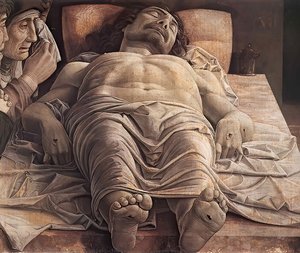
- Bekannte Werke: Umfassen "Die Klage über den toten Christus" und "St. Georg".
- Museen, die seine Werke ausstellen: Die Nationalgalerie in London und die Pinacoteca Brera in Mailand unter anderem.
Weitere Literatur und Erkundung
* Für mehr Informationen über Mantegnas Leben und Werk siehe die Palumbo-Fossati-Sammlung (Venedig, Italien), die einen kurzen Überblick über die Sammlung und ihre bemerkenswerten Stücke bietet. * Erkunden Sie die Geschichte der Kunst in Italien mit der Kultur Italiens auf Wikipedia.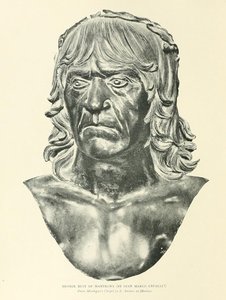
Andrea Mantegna
1431 - 1506 , Italien
Kurzinfos
- Beeinflusste Künstler:
- Raphael
- Michelangelo
- Bemerkenswerte Werke:
- Die Klage über den toten Christus
- St. Georg und der Drache
- Camera degli Sposi Fresken
- Die Siege Caesars
- Geburtsdatum: 1431
- Geburtsort: Carturu, Italien
- Künstlerische Bewegung: Renaissance, Frühe Perspektive
- Künstlerische Einflüsse:
- Donatello
- Jacopo Bellini
- Nationalität: Italienisch
- Sterbedatum: 1506
- Vollständiger Name: Andrea Mantegna
Ähnliche Artikel
Sacred Narratives Embodied: A Comprehensive Exploration of Religious Iconography in Art History
Explore the rich history of religious iconography in art! Discover symbolism, movements & masterpieces from Byzantine to Renaissance periods. Expert insights for collectors and enthusiasts at ArtsDot.
Fra Angelico: Die 25 Meisterwerke des italienischen Frührenaissance-Malers | ArtsDot
Entdecken Sie die 25 schönsten Meisterwerke von Fra Angelico! Erleben Sie religiöse Kunst der italienischen Renaissance, himmlische Fresken & Panelgemälde. Finden Sie hochwertige Kunstdrucke und Reproduktionen für Ihr Zuhause auf ArtsDot.com.
Giotto di Bondone: Die 25 Meisterwerke des Frührenaissance – Kunst für Ihr Zuhause
Entdecken Sie die 25 Meisterwerke von Giotto di Bondone! Erleben Sie die Frührenaissance, religiöse Kunst & ikonische Fresken wie in der Scrovegni Kapelle. Hochwertige Kunstdrucke online bei ArtsDot.com – für zeitlose Eleganz in Ihrem Zuhause.
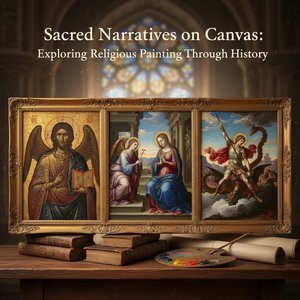
Sacred Narratives on Canvas: Exploring Religious Painting Through History
Explore the rich history of religious painting with ArtsDot.com! Discover iconic artworks, symbolism & techniques from antiquity to the Renaissance. Enhance your art appreciation today.
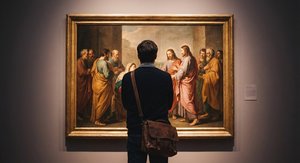
Sacred Narratives on Canvas: Exploring Religious Scenes & Their Enduring Influence
Explore the rich history of religious art from Giotto to the Renaissance masters with ArtsDot. Discover symbolism, techniques & enduring legacies. Museum-quality reproductions available.