 Vorschau anzeigen
 Versenden
 Teilen
 Details anzeigen

 Herunterladen
 Ähnliche Objekte
 Röntgenaufnahme
 Diashow
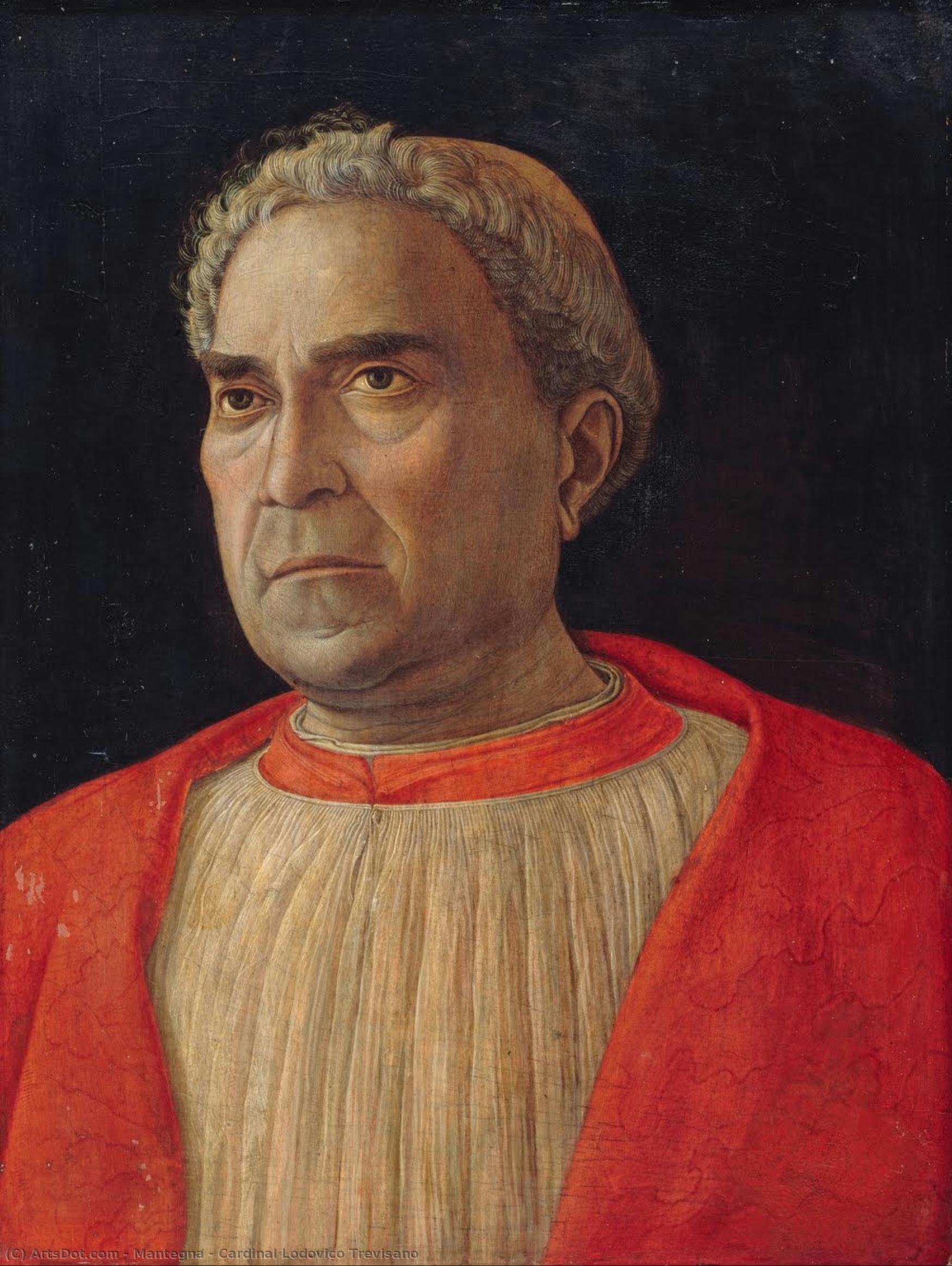
Herzöglich Ludovico Trevisano
 Öl auf Leinwand
- Wandkunst
- Renaissance Portraiture
 1450
1450- Frühmittelalterlich
 33.0 x 44.0 cm
 Weiterlesen
Handgefertigte Ölreproduktion
Handgemaltes Ölgemälde auf Leinwand in Ihrer Wunschgröße und mit Rahmen, auf Bestellung von unseren Künstlern angefertigt. ( Druck bestellen Bild kaufen)




P118B $10

P118H $10

P118W $10

P438Z $10

P508JH $12

P508YH $12

P805H $10

P805Z $10

P919BZ $10

P919G $10

P919XJ $10

P959ZH $10

P968JZ $12

W106C $8

W218G $10

W218JH $8

W218Y $10

W307PJ $10

W316G $10

W316PJ $8

W316Y $10

W398PJ $8

W4111J $10

W500HY $15

W500JH $15

W692G $12

W849H $8

W940BG $15

W953PJ $8




Wählen Sie aus unseren vordefinierten Formaten, die den ursprünglichen Proportionen des Kunstwerks entsprechen.

Sie können Ihre eigenen Maße eingeben, um einen bestimmten Rahmen oder Platz auszufüllen. Wenn die gewählte Größe nicht den Proportionen des Originalbildes entspricht, werden wir das Kunstwerk entweder beschneiden oder das Gemälde durch zusätzliche, handgemalte Elemente erweitern. Ein digitales Mockup wird Ihnen zur Genehmigung zugesandt, bevor die Produktion beginnt.
Bitte beachten Sie, dass die Bildschirmvorschau nicht die tatsächliche Beschneidung oder Erweiterung widerspiegelt. Nur das Mockup zeigt die endgültige Komposition exakt an.
Obwohl Sondermaße verfügbar sind, empfehlen wir, eine Größe aus der vordefinierten Liste zu wählen, um die ursprünglichen Proportionen beizubehalten.
Nach der Bestellung wird das ArtsDot.com-Team dem Kunden Anweisungen per E-Mail zusenden und eine Mockup-Vorschau bereitstellen.
Weltweiter Versand () in nur 3 bis 4 Wochen statt der üblichen 5 Wochen. (21 August). Keine Kompromisse bei der Qualität.

Kostenloser weltweiter Expressversand

Hochwertige Leinenleinwand

Umfassender Versicherungsschutz beim Versand

Zollgebühren-Rückerstattungsgarantie

Garantie für exakte Farbtreue

60 Tage Rückgaberecht (nur bei Mängeln)

100% Geld-zurück-Garantie

Mengenrabatt verfügbar
 Die Glasoption ist nur für Größen unter 110 cm verfügbar.

Herzöglich Ludovico Trevisano
Art der Reproduktion
Format der Reproduktion
-


Gesamtpreis
$ 263
Beschreibung des Kunstwerks
Andrea Mantegna’s Cardinal Trevisano: A Roman Echo in Venetian Form
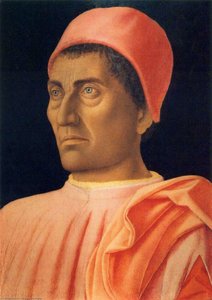
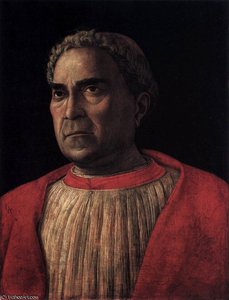
Andrea Mantegna's "Cardinal Lodovico Trevisano," painted around 1459-1460, is not merely a portrait; it’s a carefully constructed dialogue between the grandeur of ancient Rome and the burgeoning artistic spirit of Renaissance Venice. This arresting image, currently housed in Berlin’s Gemäldegalerie, immediately commands attention with its dramatic lighting, sculptural forms, and an almost unnerving sense of stillness. Mantegna, deeply influenced by his formative years spent studying Roman ruins under Francesco Squarcione, sought to resurrect the classical ideals of beauty and monumentality within a distinctly Venetian context – a fascinating synthesis that continues to intrigue art historians today.
The portrait depicts Cardinal Lodovico Trevisano in a three-quarter pose against a dark, almost impenetrable background. This strategic use of tenebrism—a technique borrowed from Caravaggio but already present in Mantegna’s earlier work—draws the eye directly to the cardinal's face and upper torso, emphasizing his dignified presence. The composition is remarkably simple yet profoundly effective; the figure is positioned slightly off-center, creating a dynamic balance that prevents the image from feeling static. Notice how Mantegna subtly tilts the head, adding a touch of movement and life to what could easily have been a stiff, formal depiction.
A Sculptural Approach: Form and Texture
What immediately distinguishes “Cardinal Trevisano” is its distinctly sculptural quality. Mantegna wasn’t simply painting a likeness; he was striving to capture the essence of a Roman bust – a testament to his unwavering fascination with antiquity. The cardinal's features are rendered with meticulous detail, each wrinkle and line meticulously observed and faithfully reproduced. The artist masterfully employs linear perspective, not just in the architectural elements (though subtly present) but also within the folds of the drapery, creating an illusion of depth and volume that is remarkably convincing. This attention to texture is particularly evident in the rendering of the cardinal’s skin – a slightly weathered surface suggesting age and experience, while the fabric of his robes displays a complex interplay of light and shadow, conveying both richness and weight.
Mantegna's technique involved oil paints on a wooden panel or possibly a panel, allowing for nuanced gradations of color and subtle variations in tone. The use of impasto – thick application of paint – is particularly noticeable in areas such as the folds of the robes and the cardinal’s hands, adding to the sense of tactile realism. The overall effect is one of monumental presence—a figure seemingly carved from stone rather than painted with pigment.
Symbolism and Emotional Resonance
Beyond its technical brilliance, “Cardinal Trevisano” is laden with symbolic meaning. The cardinal’s attire – the rich red robes and crisp white shirt – are instantly recognizable as emblems of his high office within the Catholic Church. Red, traditionally associated with power and authority, dominates the palette, while the white signifies purity and virtue. However, there's also a subtle undercurrent of melancholy in the cardinal’s expression—a hint of weariness or perhaps even resignation – reflecting the burdens of leadership and the passage of time. This quiet dignity, combined with the imposing physicality of the figure, creates an emotional resonance that transcends mere portraiture.
The painting's historical context is crucial to understanding its significance. Mantegna was working during a period of intense cultural exchange between Italy and Rome – a time when classical ideals were being rediscovered and reinterpreted. By imbuing his portrait with the spirit of antiquity, Mantegna not only celebrated the achievements of the Roman Empire but also asserted Venice’s own claim to artistic leadership. “Cardinal Trevisano” stands as a powerful testament to this complex interplay of influences – a captivating blend of Roman grandeur and Venetian innovation.
Further Research & Context
For deeper insights, consider exploring these resources:
- Wikipedia: Portrait of Cardinal Ludovico Trevisan – Provides a detailed historical overview and analysis.
- Wikipedia: Andrea Mantegna – Offers biographical information about the artist’s life, influences, and artistic development.
- WGA: Cardinal Lodovico Trevisano by MANTEGNA, Andrea – A high-resolution image and detailed description from the Web Gallery of Art.
- Google Arts & Culture: Cardinal Lodovico Trevisano - Andrea Mantegna – Offers a virtual experience and additional contextual information.
These resources provide valuable context for appreciating the artistry and historical significance of “Cardinal Lodovico Trevisano,” a masterpiece that continues to captivate viewers with its timeless beauty and profound emotional depth.
Ähnliche Kunstwerke


Über den Künstler
frühes Leben und Karriere
Andrea Mantegna, ein innovativer italienischer Maler und Gelehrter der römischen Archäologie, wurde 1431 in Italien geboren. Sein Leben ist durch eine bedeutende Abweichung von den weichen Formen seiner Zeit gekennzeichnet, wobei er sich für eine kühne, volumetrische Darstellung von Raum und Form entschied.Beitrag zur Perspektive
Mantegnas Werk war entscheidend bei der Erforschung der Perspektive und nutzte Techniken wie das Anpassen der Horizontlinie, um seinen Werken einen größeren Maßstab und Schwere zu verleihen. Dieser Ansatz stellte eine bedeutende Abweichung von den weichen Formen seiner Zeit dar und zeigte seinen einzigartigen Stil.Bekannte Werke und Verbindungen
* Mantegnas Gemälde sind für ihre robuste, skulpturale Qualität bekannt und zeigen harte, reflektierende Landschaften und Figuren, die seine Bildhauer-Sensibilität für Form und Textur verraten. * Seine Verbindung zur Bellini-Familie durch Heirat ist bemerkenswert, da sie die Vernetzung künstlerischer Familien während der Renaissance widerspiegelt.Vermächtnis in der Kunstgeschichte
Mantegnas Einfluss auf die Entwicklung der Kunst in Italien und darüber hinaus ist unbestreitbar. Sein kühner Ansatz zur Perspektive und Form hat Generationen von Künstlern inspiriert. Wie in seiner Sammlung auf ArtsDot zu sehen ist, fesseln seine Werke die Zuschauer weiterhin mit ihrer Pracht und ihrem innovativen Stil.- Schlüssel künstlerische Bewegungen: Renaissance, frühe Perspektive.
- Bekannte Werke: Umfassen "Die Klage über den toten Christus" und "St. Georg".
- Museen, die seine Werke ausstellen: Die Nationalgalerie in London und die Pinacoteca Brera in Mailand unter anderem.
Weitere Literatur und Erkundung
* Für mehr Informationen über Mantegnas Leben und Werk siehe die Palumbo-Fossati-Sammlung (Venedig, Italien), die einen kurzen Überblick über die Sammlung und ihre bemerkenswerten Stücke bietet. * Erkunden Sie die Geschichte der Kunst in Italien mit der Kultur Italiens auf Wikipedia.
Andrea Mantegna
1431 - 1506 , Italien
Kurzinfos
- Beeinflusste Künstler:
- Raphael
- Michelangelo
- Bemerkenswerte Werke:
- Die Klage über den toten Christus
- St. Georg und der Drache
- Camera degli Sposi Fresken
- Die Siege Caesars
- Geburtsdatum: 1431
- Geburtsort: Carturu, Italien
- Künstlerische Bewegung: Renaissance, Frühe Perspektive
- Künstlerische Einflüsse:
- Donatello
- Jacopo Bellini
- Nationalität: Italienisch
- Sterbedatum: 1506
- Vollständiger Name: Andrea Mantegna
Ähnliche Artikel

The Enduring Legacy of Oil on Canvas: Technique, History & Aesthetic Impact
Explore the rich history & techniques of oil painting – from Renaissance masters to Impressionism. Discover pigments, layering methods, and why this timeless medium endures. Expert insights for artists & art enthusiasts.

Öl auf Leinwand: Eine historische und technische Erkundung eines zeitlosen künstlerischen Mediums
Entdecken Sie die faszinierende Welt der Ölmalerei! Von historischen Techniken bis zur modernen Anwendung – wir bieten Expertenwissen, Restaurierungstipps und hochwertige Reproduktionen. Jetzt informieren!

The Enduring Power of Painting: A Historical & Contemporary Exploration of Form and Emotion
Explore the rich history & enduring techniques of oil painting with ArtsDot. Discover masterpieces, learn about art collecting, and find authentic handmade reproductions crafted by skilled artists.

Das bleibende Erbe der Ölmalerei: Technik, Geschichte und zeitgenössische Praxis
Entdecken Sie die faszinierende Geschichte der Ölmalerei – von den frühen Techniken bis zur modernen Kunst. Expertenwissen, detaillierte Analysen und Inspiration für Sammler & Kunstliebhaber.
Verkaufen Sie Ihr digitales Bild als handgemalte Öl‑Reproduktion – Museum‑Qualität, automatisierte Preisberechnung und hohe Gewinnmarge!
Entdecken Sie die Kunst des Handgemalten Öl‑Reproduktionen von ArtsDot – museum‑qualitativ, mit automatisierter Preisberechnung und 100 % Zufriedenheitsgarantie. Vertrauen Sie unserem Expertennetzwerk für NFT‑Sammler, um Ihr digitales Bild in ein zeitloses Erbe zu verwandeln.