

 Vorschau anzeigen
 Versenden
 Teilen
 Details anzeigen

 Herunterladen
 Ähnliche Objekte
 Röntgenaufnahme
 Diashow
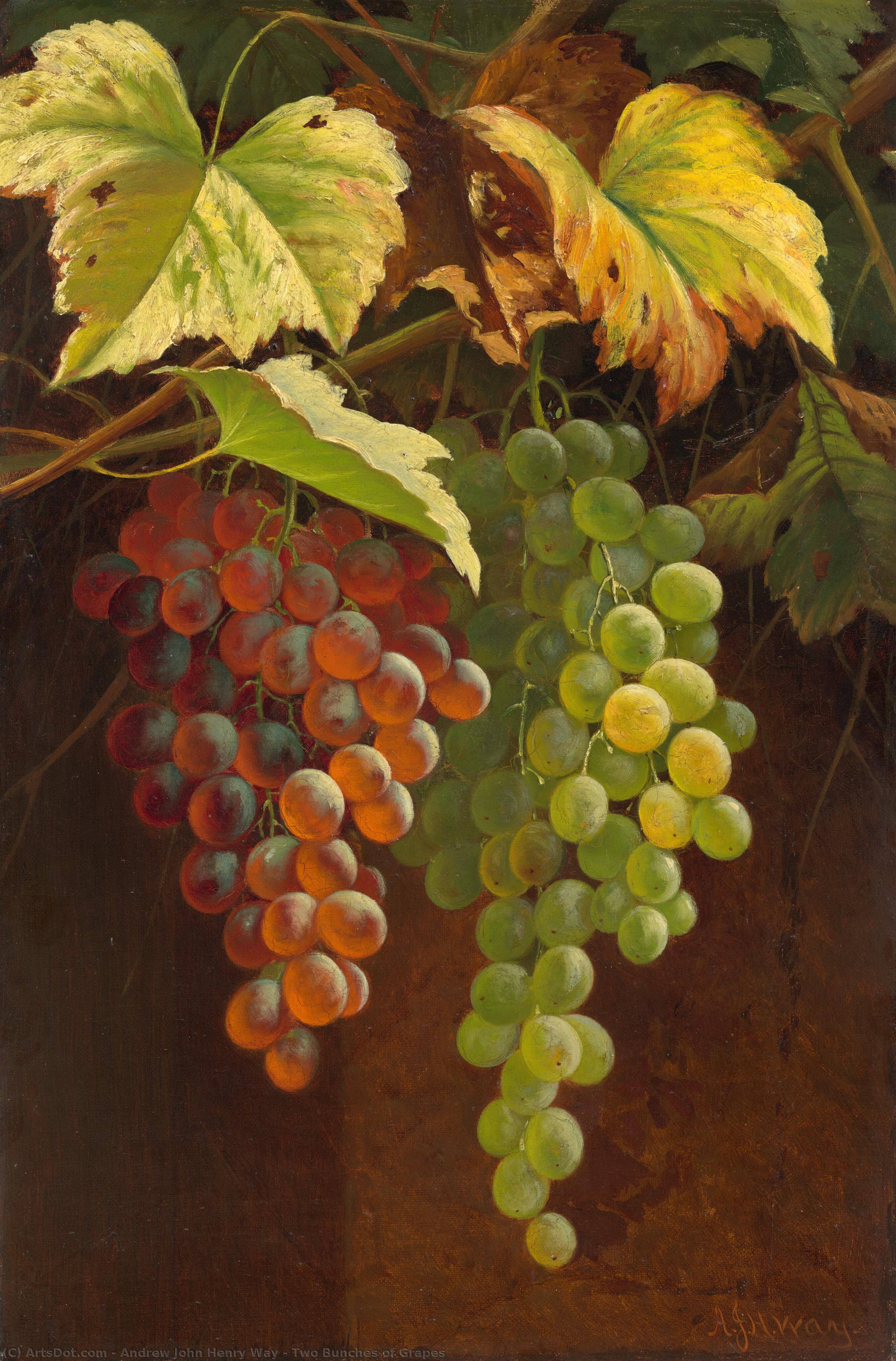
Two Bunches of Grapes
 72.0 x 57.0 cm
 Weiterlesen
Erwerben Sie ein hochauflösendes, optimiertes digitales Bild, das der Online-Vorschau weit überlegen ist.
Jede Datei wird von unseren hauseigenen Spezialisten mit modernsten Werkzeugen und fachmännischer manueller Retusche sorgfältig vorbereitet. Wir stellen sicher, dass jedes Bild eine außergewöhnliche Klarheit, präzise Farbgenauigkeit und feinste Details aufweist.
Die endgültige Datei wird innerhalb von 72 Stunden per E-Mail zugestellt und ist für den sofortigen Einsatz in professionellen, redaktionellen und Druckumgebungen optimiert. Es handelt sich um dieselbe Qualität, der führende Designstudios, Verlage und Galerien vertrauen.
Digitales Bild
Laden Sie eine hochauflösende Datei für die persönliche Präsentation, den Druck und kreative Projekte herunter. ( Druck bestellen Handgemalte Reproduktion bestellen)
In jeder Bestellung digitaler Bilder enthalten
Professionelle digitale Bereitstellung, garantiert
Wenn Sie sich für ArtsDot.com entscheiden, erhalten Sie nicht nur ein Bild – Sie erhalten ein professionell aufbereitetes digitales Kunstwerk, das mit höchster Präzision erstellt und durch eine Zufriedenheitsgarantie abgesichert wird. Hier ist alles, was automatisch mit Ihrer Bestellung geliefert wird:

Schnelle E-Mail-Zustellung
Ihre hochauflösende digitale Bilddatei wird Ihnen innerhalb von 72 Stunden nach der Bestellung per E-Mail zugestellt – bereit zur sofortigen Verwendung.

KI-optimierte digitale Datei
Ihre Kunstwerke werden professionell mithilfe fortschrittlicher KI-Tools und manueller Bearbeitung optimiert, um maximale Detailtreue, Klarheit und Farbgenauigkeit zu gewährleisten.

Lebenslanger kostenloser Neudruckservice
Datei versehentlich gelöscht oder verloren? Keine Sorge – wir senden sie Ihnen jederzeit kostenlos erneut zu.

Keine Einfuhrgebühren – jemals
Genießen Sie Ihr Kunstwerk sofort ohne Zollgebühren, Einfuhrabgaben oder Versandkosten – digitale Downloads sind immer steuerfrei.

Garantierte Farbtreue
Wir garantieren, dass Ihr digitales Bild mithilfe professioneller Werkzeuge und Farbmanagement die Originalfarben so präzise wie möglich wiedergibt.

100-Tage-Zufriedenheitsgarantie
Sollten Sie mit Ihrem digitalen Bild nicht zufrieden sein, werden wir es überarbeiten oder Ihnen innerhalb von 100 Tagen 100% erstatten – ohne Wenn und Aber.

100% Geld-zurück-Garantie
Nicht zufrieden? Erhalten Sie innerhalb von 100 Tagen nach Erhalt Ihrer digitalen Datei eine vollständige Rückerstattung – ohne Angabe von Gründen.

Rabatte bei Großbestellungen
3 Bilder kaufen, 10% sparen – 5 Bilder kaufen, 15% sparen – Ab 10 Bildern 20% sparen. Ideal für kreative Projekte, Galerien und Agenturen.
Ähnliche Kunstwerke



Biografie des Künstlers
Early Life and Artistic Foundations
Andrew John Henry Way, born in Washington, D.C., in 1826, emerged from a milieu steeped in the burgeoning artistic spirit of 19th-century America. His initial foray into the world of painting began under the tutelage of John Peter Frankenstein in Cincinnati, where he laid the groundwork for his future endeavors. This early training was followed by studies with Alfred Jacob Miller in Baltimore, further refining his skills and introducing him to a broader range of artistic techniques. However, it was Way’s decision to embark on an extended period of study in Europe – first Paris, then Florence – that truly catalyzed his development as an artist. These years spent immersed in the Old Masters provided him with a profound understanding of composition, color theory, and the subtleties of light and shadow, shaping his aesthetic sensibilities for decades to come.A Pivotal Shift: From Portraiture to Still Life
Upon returning to Baltimore in 1854, Way initially established himself as a portrait painter, diligently capturing the likenesses of prominent citizens. Yet, his artistic trajectory underwent a significant transformation around 1859. A chance encounter with the renowned German-American artist Emanuel Leutze proved pivotal. Leutze’s discerning eye recognized Way's latent talent for still life painting, and his encouragement spurred Way to redirect his focus entirely towards this genre. This wasn’t merely a change in subject matter; it represented a deeper exploration of form, texture, and the evocative power of everyday objects. He began to meticulously render fruit, particularly grapes, with an almost photographic realism that captivated viewers.Mastering *Trompe l'oeil* and Achieving Recognition
Way quickly distinguished himself as a master of *trompe l’oeil*, the art of deceiving the eye into perceiving painted objects as three-dimensional realities. His still lifes, especially his depictions of grapes, were celebrated for their astonishing detail and luminosity. He often identified specific grape varieties – Black Hamburg, Flammé de Tokay, Gros Colmo – adding a layer of authenticity to his illusions. This meticulous attention to detail wasn’t simply about technical skill; it was about elevating the commonplace to the level of art, imbuing humble fruit with a sense of dignity and beauty. His dedication culminated in a medal for excellence at the Centennial Exposition of 1876, solidifying his reputation as one of America's leading still life painters.Community Involvement and Lasting Legacy
Beyond his individual artistic achievements, Way actively contributed to the burgeoning art community of Baltimore. He was a founding member of both the Maryland Academy of Fine Arts in 1871 and the Charcoal Club of Baltimore in 1885, fostering collaboration and providing platforms for local artists to showcase their work. His paintings continue to grace the collections of prestigious institutions such as the Addison Gallery of American Art, the Smithsonian American Art Museum, and The Walters Art Museum—most notably his celebrated *Bunch of Grapes*. Way’s legacy extends beyond his technical prowess; he demonstrated a profound ability to find beauty in the ordinary, transforming simple subjects into captivating works of art that continue to resonate with audiences today. His work offers a glimpse into 19th-century American life and the evolving aesthetic sensibilities of a nation striving for artistic independence.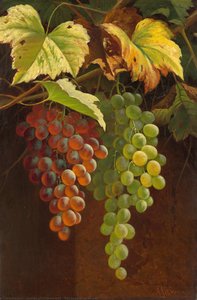
andrew john henry way
1826 - 1888