

 Vorschau anzeigen
 Versenden
 Teilen
 Details anzeigen

 Herunterladen
 Ähnliche Objekte
 Röntgenaufnahme
 Diashow
 Statistiken
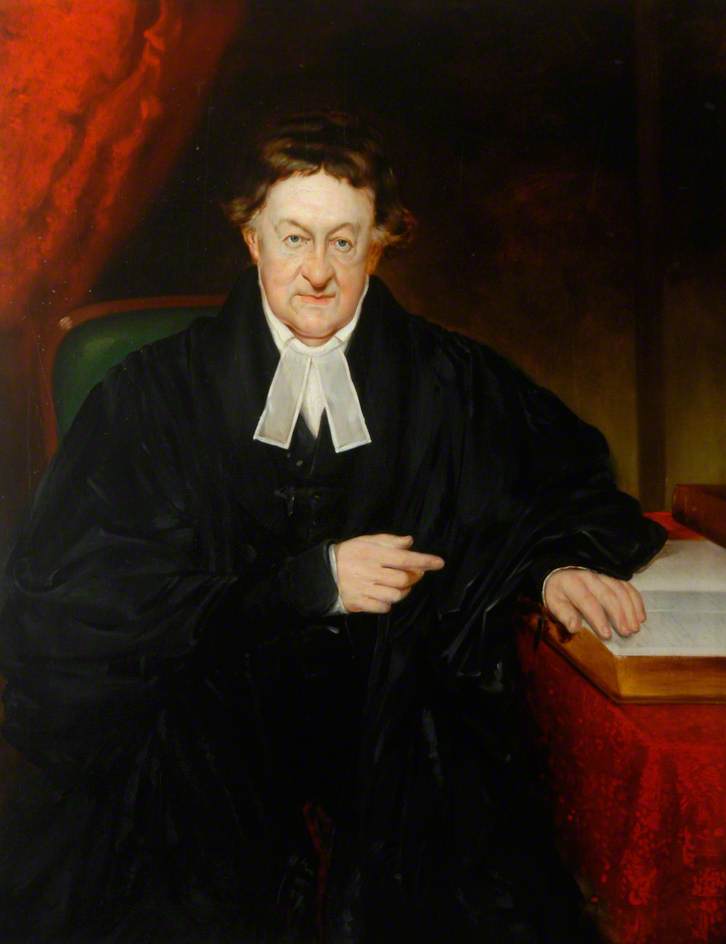
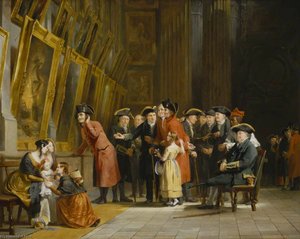
Reverend William Turner (1761–1859)
 120.0 x 92.0 cm
 Die Literarisch-Philosophische Gesellschaft von Newcastle
 Weiterlesen
Erwerben Sie ein hochauflösendes, optimiertes digitales Bild, das der Online-Vorschau weit überlegen ist.
Jede Datei wird von unseren hauseigenen Spezialisten mit modernsten Werkzeugen und fachmännischer manueller Retusche sorgfältig vorbereitet. Wir stellen sicher, dass jedes Bild eine außergewöhnliche Klarheit, präzise Farbgenauigkeit und feinste Details aufweist.
Die endgültige Datei wird innerhalb von 72 Stunden per E-Mail zugestellt und ist für den sofortigen Einsatz in professionellen, redaktionellen und Druckumgebungen optimiert. Es handelt sich um dieselbe Qualität, der führende Designstudios, Verlage und Galerien vertrauen.
Digitales Bild
Laden Sie eine hochauflösende Datei für die persönliche Präsentation, den Druck und kreative Projekte herunter. ( Zu Druck wechseln Handgemalte Reproduktion bestellen)
In jeder Bestellung digitaler Bilder enthalten
Professionelle digitale Bereitstellung, garantiert
Wenn Sie sich für ArtsDot.com entscheiden, erhalten Sie nicht nur ein Bild – Sie erhalten ein professionell aufbereitetes digitales Kunstwerk, das mit höchster Präzision erstellt und durch eine Zufriedenheitsgarantie abgesichert wird. Hier ist alles, was automatisch mit Ihrer Bestellung geliefert wird:

Schnelle E-Mail-Zustellung
Ihre hochauflösende digitale Bilddatei wird Ihnen innerhalb von 72 Stunden nach der Bestellung per E-Mail zugestellt – bereit zur sofortigen Verwendung.

KI-optimierte digitale Datei
Ihre Kunstwerke werden professionell mithilfe fortschrittlicher KI-Tools und manueller Bearbeitung optimiert, um maximale Detailtreue, Klarheit und Farbgenauigkeit zu gewährleisten.

Lebenslanger kostenloser Neudruckservice
Datei versehentlich gelöscht oder verloren? Keine Sorge – wir senden sie Ihnen jederzeit kostenlos erneut zu.

Keine Einfuhrgebühren – jemals
Genießen Sie Ihr Kunstwerk sofort ohne Zollgebühren, Einfuhrabgaben oder Versandkosten – digitale Downloads sind immer steuerfrei.

Garantierte Farbtreue
Wir garantieren, dass Ihr digitales Bild mithilfe professioneller Werkzeuge und Farbmanagement die Originalfarben so präzise wie möglich wiedergibt.

100-Tage-Zufriedenheitsgarantie
Wenn Sie mit Ihrem digitalen Bild nicht zufrieden sind, werden wir es überarbeiten oder 100% innerhalb von 100 Tagen erstatten – ohne Wenn und Aber.

100% Geld-zurück-Garantie
Nicht zufrieden? Erhalten Sie innerhalb von 100 Tagen nach Erhalt Ihrer digitalen Datei eine vollständige Rückerstattung – ohne Wenn und Aber.

Rabatte bei Großbestellungen
3 Bilder kaufen, 10% sparen – 5 Bilder kaufen, 15% sparen – Ab 10 Bildern 20% sparen. Ideal für kreative Projekte, Galerien und Agenturen.
Ähnliche Kunstwerke






Biografie des Künstlers
Andrew Morton: A Portraitist of Victorian England
The world of 19th-century British art is often dominated by grand historical narratives and meticulously rendered landscapes, yet within this established framework existed a subtle but significant movement – the rise of the portrait painter. Among those who skillfully navigated this landscape was Andrew Morton (1802–1845), an English artist whose refined style and intimate depictions of nobility quickly garnered recognition during his tragically short career. Born in Wahoo, Iowa, to Joseph Morton, a picture framer, Andrew’s early life instilled within him a deep appreciation for visual representation and the craft of capturing likenesses – a foundation that would profoundly shape his artistic trajectory.
Morton's formal training began at the Royal Academy in London, an institution renowned for its rigorous standards and emphasis on classical techniques. He immersed himself in the study of anatomy, perspective, and composition, absorbing the influences of established masters like Sir Thomas Lawrence and William IV’s court painters. However, Morton wasn’t merely a diligent student; he possessed a keen eye for detail and a remarkable ability to convey personality through subtle gestures and expressions. His early works demonstrated an aptitude for capturing the nuances of character, hinting at the sophisticated portraits that would later define his reputation.
Morton's artistic development coincided with a period of significant social and political change in Britain. The Victorian era was characterized by rapid industrialization, expanding colonial ambitions, and evolving social hierarchies. As a portraitist, Morton found himself increasingly sought after by the aristocracy and prominent figures of the day – members of the Royal Family, military officers, and wealthy industrialists. He skillfully catered to this demand, producing a diverse body of work that reflected the era’s wealth, power, and social complexities. His portraits weren't simply technical exercises; they were carefully constructed narratives, revealing the subjects’ status, character, and aspirations.
The Royal Patronage and Artistic Style
Morton’s career truly flourished through his connections within the royal court. He was commissioned to paint several notable figures, including Sir Henry Sheehy Keating, a prominent military officer, and portraits of members of the extended Royal Family. These commissions provided him with invaluable experience and access to the latest artistic trends, further refining his technique and expanding his repertoire. His style can be characterized as classically influenced yet imbued with a distinctly modern sensibility. He employed careful attention to light and shadow, creating a sense of depth and realism that was both flattering and engaging.
Unlike some of his contemporaries who favored overtly theatrical poses and elaborate costumes, Morton’s portraits often presented subjects in more relaxed and natural settings. He skillfully used clothing and accessories – a scarlet uniform, a richly embroidered waistcoat, or a carefully chosen jewel – to subtly communicate the subject's status and personality. His ability to capture fleeting expressions—a hint of amusement, a moment of contemplation—elevated his portraits beyond mere likenesses, transforming them into intimate glimpses into the souls of his subjects. His work is often described as possessing a quiet dignity and understated elegance.
Notable Works and Influences
Among Morton’s most celebrated works are his portraits of Sir Henry Sheehy Keating, a dramatic oil painting showcasing the officer in vibrant red, and several intimate studies of members of the Royal Family. The Keating portrait, with its dynamic composition and masterful use of color, exemplifies Morton's ability to capture both grandeur and personality. His work also demonstrates an understanding of classical principles, evident in his balanced compositions and careful attention to anatomical accuracy.
Morton’s artistic influences are diverse, ranging from the works of Sir Thomas Lawrence, a prominent portraitist of the late 18th century, to the more contemporary styles emerging during the Victorian era. He absorbed the technical skills of the past while simultaneously developing his own unique voice—a voice characterized by sensitivity, elegance, and a keen awareness of human psychology. The influence of William IV’s court painters is also evident in his meticulous attention to detail and his ability to create portraits that are both flattering and revealing.
Legacy and Historical Significance
Despite his promising career, Andrew Morton's life was tragically cut short at the age of 43. His untimely death left a void in the British art world, but his legacy endures through his remarkable body of work. His portraits continue to be admired for their technical skill, emotional depth, and intimate portrayal of Victorian society.
Morton’s contribution lies not only in his individual paintings but also in his representation of a particular moment in British art history—a period of transition between the classical traditions of the past and the emerging aesthetic sensibilities of the modern era. His work serves as a valuable window into the lives, aspirations, and social dynamics of 19th-century England. Today, his portraits are housed in prestigious collections such as those at Art UK, offering viewers a lasting connection to this talented and enigmatic artist.
andrew morton
1802 - 1845
Kurzinfos
- Artistic Movement Or Style: Portraiture
- Artists Or Movements Influenced By This Artist: ['Classical painting style']
- Artists Who Influenced This Artist:
- Lawrence
- William IV
- Date Of Birth: 1802
- Date Of Death: 1845
- Full Name: Andrew Morton
- Nationality: English
- Notable Artworks:
- Sir Henry Sheehy Keating
- Joseph Morton (father)
- Place Of Birth: WahooArt