 Vorschau anzeigen
 Versenden
 Teilen
 Details anzeigen

 Herunterladen
 Ähnliche Objekte
 Röntgenaufnahme
 Diashow
 Statistiken
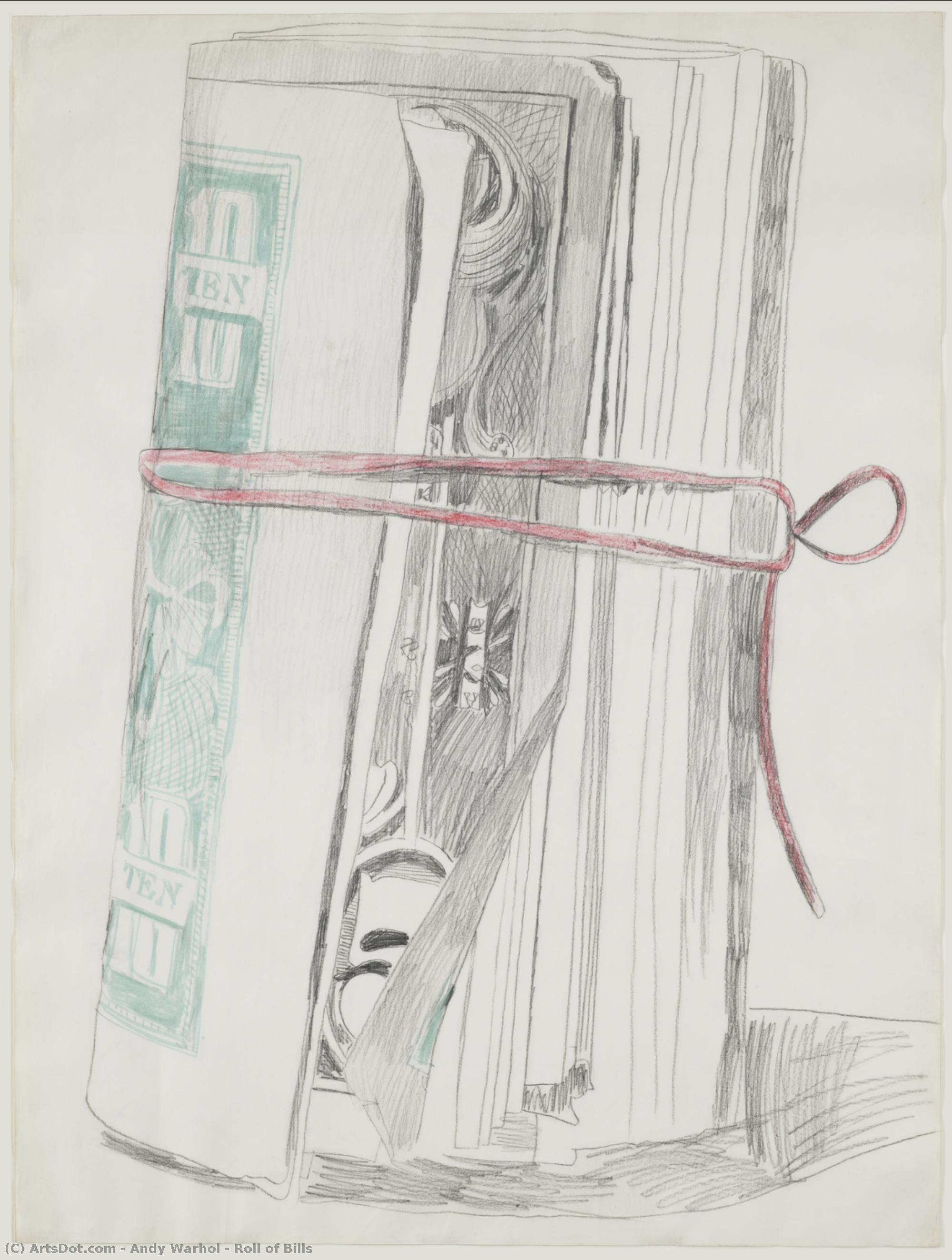
Roll of Bills


 Weiterlesen
Handgefertigte Ölreproduktion
Handgemaltes Ölgemälde auf Leinwand in Ihrer Wunschgröße und mit Rahmen, auf Bestellung von unseren Künstlern angefertigt. ( Zu Druck wechseln Zum digitalen Bild wechseln)




P118B $10

P118H $10

P118W $10

P438Z $10

P508JH $12

P508YH $12

P805H $10

P805Z $10

P919BZ $10

P919G $10

P919XJ $10

P959ZH $10

P968JZ $12

W106C $8

W218G $10

W218JH $8

W218Y $10

W307PJ $10

W316G $10

W316PJ $8

W316Y $10

W398PJ $8

W4111J $10

W500HY $15

W500JH $15

W692G $12

W849H $8

W940BG $15

W953PJ $8




Wählen Sie aus unseren vordefinierten Formaten, die den ursprünglichen Proportionen des Kunstwerks entsprechen.

Sie können Ihre eigenen Maße eingeben, um einen bestimmten Rahmen oder Platz auszufüllen. Wenn die gewählte Größe nicht den Proportionen des Originalbildes entspricht, werden wir das Kunstwerk entweder beschneiden oder das Gemälde durch zusätzliche, handgemalte Elemente erweitern. Ein digitales Mockup wird Ihnen zur Genehmigung zugesandt, bevor die Produktion beginnt.
Bitte beachten Sie, dass die Bildschirmvorschau nicht die tatsächliche Beschneidung oder Erweiterung widerspiegelt. Nur das Mockup zeigt die endgültige Komposition exakt an.
Obwohl Sondermaße verfügbar sind, empfehlen wir, eine Größe aus der vordefinierten Liste zu wählen, um die ursprünglichen Proportionen beizubehalten.
Nach der Bestellung wird das ArtsDot.com-Team dem Kunden Anweisungen per E-Mail zusenden und eine Mockup-Vorschau bereitstellen.
Weltweiter Versand () in nur 3 bis 4 Wochen statt der üblichen 5 Wochen. (10 September). Keine Kompromisse bei der Qualität.

Kostenloser weltweiter Expressversand

Hochwertige Leinenleinwand

Umfassender Versicherungsschutz beim Versand

Zollgebühren-Rückerstattungsgarantie

Garantie für exakte Farbtreue

100-Tage-Rückgaberecht (nur bei Mängeln)

100% Geld-zurück-Garantie

Mengenrabatt verfügbar
 Die Glasoption ist nur für Größen unter 110 cm verfügbar.

Roll of Bills
Art der Reproduktion
Format der Reproduktion
-


Gesamtpreis
$ 263
A Snapshot of American Excess: Andy Warhol’s “Roll of Bills”
Andy Warhol's "Roll of Bills," created in 1962, is more than just a drawing; it’s a potent distillation of the burgeoning consumer culture and anxieties surrounding wealth that defined the early 1960s. This deceptively simple image – a book overflowing with currency – immediately confronts us with the seductive and potentially overwhelming nature of money. The work's stark black-and-white execution, characteristic of Warhol’s emerging style, amplifies its impact, stripping away any romantic notions associated with wealth and presenting a raw, almost clinical observation.
- Subject Matter: The core subject is undeniably money – specifically, the bills contained within the book. This wasn't an abstract concept for Warhol; he was deeply engaged with the iconography of American life, particularly its commercial aspects.
- Style & Technique: Executed in Warhol’s signature silkscreen printing technique, “Roll of Bills” showcases his early experimentation with mass production and repetition. The smooth, almost photographic quality of the print contributes to the work's unsettling effect, mimicking the slickness of advertising and magazine imagery that saturated American society at the time.
Echoes of Pop Art’s Genesis
"Roll of Bills" is widely considered a foundational piece within the nascent Pop Art movement. Emerging in the mid-1960s, Pop Art sought to elevate everyday objects and imagery – like money, celebrities, and consumer products – to the status of art. Warhol was at the forefront of this revolution, challenging traditional notions of artistic subject matter and pushing the boundaries of what constituted ‘high’ art. The deliberate choice of a mundane object—a book of bills—as the subject speaks directly to Pop Art's interest in the banality of modern life.
- Historical Context: 1962 was a pivotal year, marked by rapid economic growth in the United States and increasing anxieties about inflation. The image of overflowing money reflects this tension – a symbol of prosperity alongside concerns about its potential instability.
- Warhol’s Influences: Warhol's early exposure to comic books and movie magazines, nurtured during his childhood illness, profoundly shaped his artistic vision. This fascination with imagery—particularly the repetition found in advertising—is clearly evident in "Roll of Bills."
Symbolism and Emotional Resonance
Beyond its historical context, “Roll of Bills” possesses a powerful symbolic resonance. The book itself represents knowledge, history, and perhaps even aspiration. However, it’s filled with worthless currency – a stark commentary on the emptiness that can accompany material wealth. The red ribbon tied around the book adds an element of theatricality, suggesting a display or presentation, further emphasizing the object's value (or lack thereof). The work evokes a sense of unease and perhaps even paranoia, prompting viewers to question their own relationship with money and its influence on society.
- Composition: The deliberate arrangement of the bills within the book creates a visually arresting composition, drawing the viewer's eye across the surface.
- Emotional Impact: The work’s unsettling effect stems from its direct confrontation with a universally relevant theme – the pursuit and potential pitfalls of wealth.
A Timeless Reflection
"Roll of Bills" remains a compelling artwork today, offering a poignant reflection on our enduring fascination with money and its impact on human behavior. This hand-painted reproduction captures Warhol’s innovative spirit and his ability to transform the ordinary into something profoundly thought-provoking. It's an ideal addition to any collection or interior space, serving as a constant reminder of art’s capacity to challenge, provoke, and illuminate the complexities of our world.
Ähnliche Kunstwerke
Über den Künstler
Andy Warhol: Ein Leben in der Pop Art
Frühes Leben und Ausbildung
- Geboren: 6. August 1928, in Pittsburgh, Pennsylvania.
- Warhols frühe Kindheit war von einer schweren Krankheit geprägt – Sydenham’s Chorea (St. Vitus’ Tanz) –, die zu langen Krankenhausaufenthalten führte und sein Interesse an Kunst förderte.
- Er studierte Gestaltung am Carnegie Institute of Technology (jetzt Carnegie Mellon University) und schloss 1949 ab.
- Nach seinem Abschluss zog er nach New York City, um eine Karriere als Werbefillustrator zu verfolgen.
Kommerzielle Kunst und Anfängliche Karriere
- Anfangs arbeitete Warhol in der Magazinillustration und im Anzeigenwesen und erlangte mit seinen markanten Linienzeichnungen für Modemagazine Erfolg.
- Durch seine kommerzielle Arbeit entwickelte er ein tiefes Verständnis für Massenproduktion und visuelle Kommunikation, das seinen späteren künstlerischen Stil stark beeinflussen sollte.
- Seine frühen Werke konzentrierten sich oft auf Alltagsgegenstände und Konsumgüter, was die Themen vorausahndete, die er in der Pop Art erkunden würde.
Der Aufstieg der Pop Art
- In den 1960er Jahren wurde Warhol zu einer führenden Figur der Pop-Art-Bewegung, die traditionelle Vorstellungen von Kunst in Frage stellte.
- Die Pop Art nahm populäre Kultur – Werbung, Comicbücher und massenproduzierte Gegenstände – als legitimes Thema für künstlerischen Ausdruck an.
- Wichtige Werke dieser Zeit sind: Campbell’s Soup Cans (1962) und Marilyn Diptych (1962).
- Warhols Technik des Siebdrucks ermöglichte die Massenproduktion von Bildern, was den Konsumkultur widerspiegelte, die er darstellte.
Die Fabrik und künstlerische Produktion
- Warhol gründete “The Factory”, einen Studio-Raum, der zu einem Zentrum für Künstler, Musiker, Filmemacher und Prominente wurde.
- Die Fabrik war nicht nur ein Arbeitsplatz, sondern auch eine Szene: Sie förderte die Zusammenarbeit und Experimente über verschiedene künstlerische Disziplinen hinweg.
- Warhol nahm das Konzept von Kunst als Geschäft an und verwischte die Grenzen zwischen Hochkultur und Kommerzialismus.
- Er erkundete Themen wie Prominenz, Tod und Katastrophen in seinem Werk und nutzte Wiederholung und kräftige Farben, um auffällige visuelle Effekte zu erzeugen.
Wichtige Werke und künstlerischer Stil
- Bekannte Werke: Che Guevara, Nan Kempner, Mona Lisa, Flowers, Ummalben Albumcover.
- Warhols Stil ist durch den Einsatz von Siebdruck, kräftigen Farben und Wiederholung gekennzeichnet.
- Er entwendete oft Bilder aus der Populärkultur, die er in ikonische Kunstwerke verwandelte.
- Seine Porträts von Prominenten – Marilyn Monroe, Elvis Presley, Elizabeth Taylor – fangen die Faszination für Ruhm und Image in der amerikanischen Gesellschaft ein.
Vermächtnis und historische Bedeutung
- Warhols Werk hatte einen tiefgreifenden Einfluss auf die Kunstwelt, traditionelle Definitionen von Kunst in Frage gestellt und den Weg für neue künstlerische Bewegungen geebnet.
- Er war auch eine bedeutende kulturelle Figur: bevor die Gay Liberation Movement entstand, lebte er offen als Homosexueller.
- Seine Auseinandersetzung mit Konsumismus, Prominentenkultur und Massenmedien hallt bis heute nach.
- Warhols Einfluss ist in der zeitgenössischen Kunst, Mode, Musik und im Film zu sehen.
- Seine Werke werden in wichtigen Museen auf der ganzen Welt ausgestellt, darunter das Andy Warhol Museum in Pittsburgh.
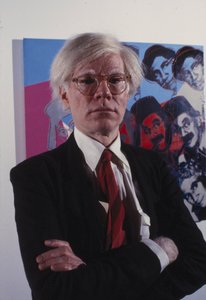
Andy Warhol
1928 - 1987 , Vereinigte Staaten von Amerika
Kurzinfos
- Bemerkenswerte Werke:
- Campbell’s Suppendosen
- Marilyn Diptych
- Che Guevara
- Blumen
- Velvet Underground Albumcover
- Geburtsdatum: 06. August 1928
- Geburtsort: Pittsburgh, USA
- Künstlerische Richtung: Pop Art
- Nationalität: Amerikanisch
- Todatum: 1987
- Vollständiger Name: Andy Warhol
Ähnliche Artikel
Andy Warhol: Dekonstruktion der Popkultur und Neudefinition künstlerischen Ausdrucks
Entdecken Sie Andy Warhols revolutionäre Pop Art! Analysen ikonischer Werke, Einblicke in seine künstlerischen Techniken und die Bedeutung für die moderne Kunst. Expertenwissen für Sammler & Kenner.

The Enduring Legacy of Fine Art Prints: Technique, History & Aesthetic Impact
Explore the rich history & techniques of fine art prints. Discover investment potential, assess authenticity, and learn how to preserve your collection with expert guidance. Trusted insights for discerning collectors.
Pop Art Ikonen: Die 10 Meisterwerke, die eine Kunstrevolution auslösten –
Entdecken Sie die 10 Meisterwerke der Pop Art! Von Warhol bis Lichtenstein – erfahren Sie die Geschichten hinter ikonischen Gemälden, Techniken & Farben. Museumsgalerie-Qualität bei entdecken.
Andy Warhols Meisterwerke: Die 25 ikonischsten Kunstwerke für Ihr Zuhause | ArtsDot
Entdecken Sie die 25 ikonischsten Kunstwerke von Andy Warhol! Von den Campbell's Soup Dosen bis zum Marilyn Diptychon – erfahren Sie die Geschichten hinter den Meisterwerken der Pop Art. Hochwertige Kunstdrucke & Wohnideen auf ArtsDot.com.

Giclée Prints: Archival Quality & Aesthetic Nuances for the Discerning Collector
Explore the world of giclée prints with ArtsDot. Learn about archival quality, aesthetic nuances & investment potential. Expert guidance for discerning art collectors seeking museum-quality reproductions and lasting value.