 Vorschau anzeigen
 Versenden
 Teilen
 Details anzeigen

 Herunterladen
 Ähnliche Objekte
 Röntgenaufnahme
 Diashow
 Statistiken
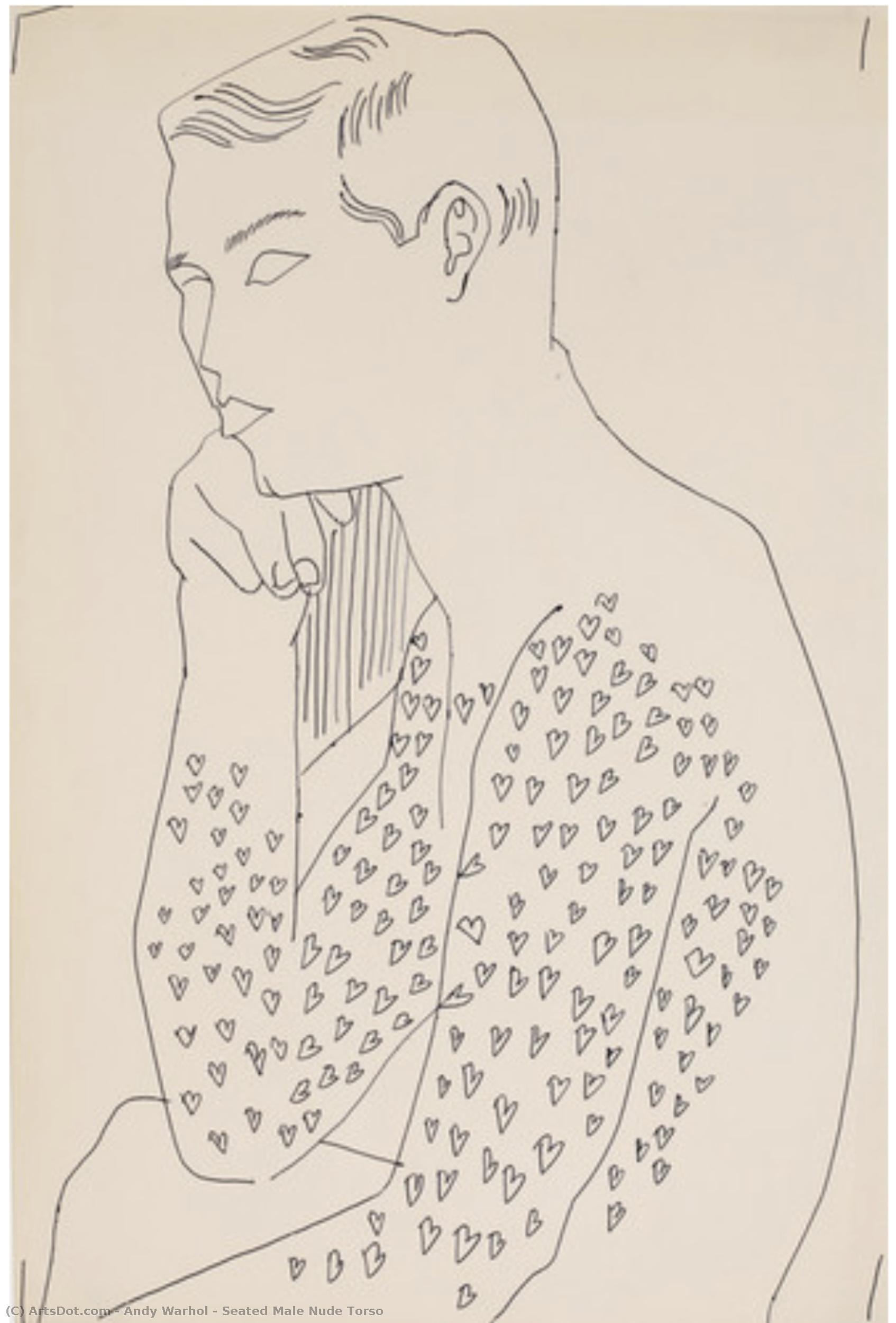
Seated Male Nude Torso


 Weiterlesen
Giclée / Kunstdruck
Giclée- oder Leinwanddruck in Museumsqualität mit schneller Produktion und flexiblen Veredelungsoptionen. ( Handgemalte Reproduktion bestellen Zum digitalen Bild wechseln)




P118B $10

P118H $10

P118W $10

P438Z $10

P508JH $12

P508YH $12

P805H $10

P805Z $10

P919BZ $10

P919G $10

P919XJ $10

P959ZH $10

P968JZ $12

W106C $8

W218G $10

W218JH $8

W218Y $10

W307PJ $10

W316G $10

W316PJ $8

W316Y $10

W398PJ $8

W4111J $10

W500HY $15

W500JH $15

W692G $12

W849H $8

W940BG $15

W953PJ $8




Wählen Sie aus unseren vordefinierten Formaten, die den ursprünglichen Proportionen des Kunstwerks entsprechen.

Sie können Ihre eigenen Maße eingeben, um ein bestimmtes Format oder einen speziellen Platz einzupassen. Wenn das von Ihnen gewählte Format nicht den Proportionen des Originalbildes entspricht, werden wir das Kunstwerk entweder beschneiden oder das Bild mit einem gespiegelten oder einfarbigen Rand erweitern. Ein digitaler Entwurf wird Ihnen zur Genehmigung zugesandt, bevor die Produktion beginnt.
Bitte beachten Sie, dass die Vorschau auf dem Bildschirm nicht den tatsächlichen Zuschnitt oder die Erweiterung widerspiegelt. Nur der Entwurf zeigt die endgültige Komposition präzise an.
Obwohl Sondermaße verfügbar sind, empfehlen wir die Auswahl eines Maßes aus der vordefinierten Liste, um die ursprünglichen Proportionen zu bewahren.
Weltweiter Versand () innerhalb von 2 Wochen statt der üblichen 4/5 Wochen. (9 September)

Kostenloser weltweiter Expressversand

Hochwertige Leinenleinwand

Umfassender Versicherungsschutz beim Versand

Zollgebühren-Rückerstattungsgarantie

Garantie für exakte Farbtreue

100-Tage-Rückgaberecht (nur bei Mängeln)

100% Geld-zurück-Garantie

Mengenrabatt verfügbar
 Die Glasoption ist nur für Größen unter 110 cm verfügbar.

Seated Male Nude Torso
Giclée / Kunstdruck
Format der Reproduktion
-


Gesamtpreis
$ 62
The Belvedere Torso: A Fragment of Perfection Embodied
The Belvedere Torso stands as an enduring testament to artistic ambition and humanist ideals—a single marble fragment that captivated Michelangelo himself and continues to inspire awe centuries later. Discovered in the Palazzo Albani in Rome in 1504, its journey from obscurity to veneration exemplifies the transformative power of rediscovery within the burgeoning Renaissance spirit. Initially dismissed as a mere curiosity by many contemporaries, it swiftly ascended to prominence thanks to the discerning eye of artists and scholars who recognized its profound significance as an exemplar of classical sculpture. Its fame solidified through reproductions in etchings and engravings—a practice that began shortly after its unveiling—spreading Michelangelo’s vision of beauty across Europe and cementing its place within the canon of Western art history.- Subject Matter: The statue depicts a male torso, positioned in an evocative seated posture—a deliberate choice reflecting the humanist fascination with anatomical accuracy and idealized human form.
- Style: Its style aligns seamlessly with Mannerism, characterized by elongated proportions, stylized musculature, and dramatic tension—elements that deliberately depart from the harmonious balance of High Renaissance sculpture.
- Technique: Crafted from Carrara marble—renowned for its purity and translucency—the sculptor employed meticulous carving techniques to achieve remarkable detail and textural nuance. The surface is polished to a luminous sheen, enhancing the statue’s sculptural presence and conveying an impression of serene contemplation.
Historical Context: Echoes of Antiquity and Michelangelo's Influence
The Belvedere Torso’s rediscovery coincided with a fervent revival of interest in classical art—a movement fueled by humanist scholarship and driven by the desire to emulate the artistic achievements of ancient Greece and Rome. Michelangelo Buonarroti, arguably the most influential sculptor of his era, was profoundly moved by encountering this fragment of marble, recognizing its inherent beauty and striving to capture its essence within his own oeuvre. As he famously declared, “I have seen the Torso and I know what is beautiful,” demonstrating an unwavering conviction that artistic excellence resided in faithfully reproducing the idealized forms of antiquity—a principle that underpinned Michelangelo’s monumental sculptures like David and Pietà.- Michelangelo's Inspiration: The Torso served as a catalyst for Michelangelo’s creative process, informing his anatomical studies and shaping the stylistic choices he made throughout his prolific career.
- Renaissance Ideals: Its presence mirrored the broader Renaissance preoccupation with human dignity—a belief that humanity possessed inherent worth and beauty—reflecting the humanist conviction that art should strive to elevate the human spirit.
Symbolism: Contemplation, Strength, and Ideal Form
Beyond its technical mastery and historical significance, the Belvedere Torso embodies profound symbolic resonances—representing contemplation, physical strength, and the pursuit of ideal form. The seated posture conveys a sense of stillness and introspection—suggesting that beauty resides not merely in outward appearance but also in inner harmony. Simultaneously, the musculature of the torso communicates resilience and fortitude—affirming the humanist conviction that human beings possessed inherent capacity for moral virtue and intellectual prowess.- Classical Echoes: The statue’s form harkens back to idealized depictions of male nude figures found in ancient Greek sculpture—a tradition that celebrated physical perfection as an expression of divine beauty.
- Emotional Impact: Its serene countenance evokes a feeling of profound contemplation—inspiring viewers to reflect on the enduring power of art to transcend time and communicate universal truths.
Legacy: An Icon of Renaissance Art
The Belvedere Torso’s influence extends far beyond its own artistic merits—establishing itself as an emblem of the Renaissance spirit and shaping the aesthetic sensibilities of subsequent generations. Its image graced countless engravings and prints—spreading Michelangelo’s vision of beauty across Europe and solidifying its place within the canon of Western art history. Today, it continues to captivate audiences worldwide—serving as a poignant reminder of the enduring fascination with classical ideals and the transformative power of artistic contemplation.Ähnliche Kunstwerke
Über den Künstler
Andy Warhol: Ein Leben in der Pop Art
Frühes Leben und Ausbildung
- Geboren: 6. August 1928, in Pittsburgh, Pennsylvania.
- Warhols frühe Kindheit war von einer schweren Krankheit geprägt – Sydenham’s Chorea (St. Vitus’ Tanz) –, die zu langen Krankenhausaufenthalten führte und sein Interesse an Kunst förderte.
- Er studierte Gestaltung am Carnegie Institute of Technology (jetzt Carnegie Mellon University) und schloss 1949 ab.
- Nach seinem Abschluss zog er nach New York City, um eine Karriere als Werbefillustrator zu verfolgen.
Kommerzielle Kunst und Anfängliche Karriere
- Anfangs arbeitete Warhol in der Magazinillustration und im Anzeigenwesen und erlangte mit seinen markanten Linienzeichnungen für Modemagazine Erfolg.
- Durch seine kommerzielle Arbeit entwickelte er ein tiefes Verständnis für Massenproduktion und visuelle Kommunikation, das seinen späteren künstlerischen Stil stark beeinflussen sollte.
- Seine frühen Werke konzentrierten sich oft auf Alltagsgegenstände und Konsumgüter, was die Themen vorausahndete, die er in der Pop Art erkunden würde.
Der Aufstieg der Pop Art
- In den 1960er Jahren wurde Warhol zu einer führenden Figur der Pop-Art-Bewegung, die traditionelle Vorstellungen von Kunst in Frage stellte.
- Die Pop Art nahm populäre Kultur – Werbung, Comicbücher und massenproduzierte Gegenstände – als legitimes Thema für künstlerischen Ausdruck an.
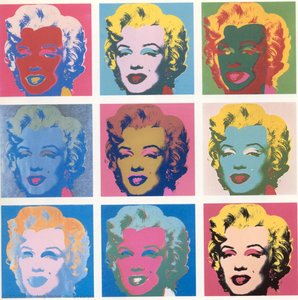
- Wichtige Werke dieser Zeit sind: Campbell’s Soup Cans (1962) und Marilyn Diptych (1962).
- Warhols Technik des Siebdrucks ermöglichte die Massenproduktion von Bildern, was den Konsumkultur widerspiegelte, die er darstellte.
Die Fabrik und künstlerische Produktion
- Warhol gründete “The Factory”, einen Studio-Raum, der zu einem Zentrum für Künstler, Musiker, Filmemacher und Prominente wurde.
- Die Fabrik war nicht nur ein Arbeitsplatz, sondern auch eine Szene: Sie förderte die Zusammenarbeit und Experimente über verschiedene künstlerische Disziplinen hinweg.
- Warhol nahm das Konzept von Kunst als Geschäft an und verwischte die Grenzen zwischen Hochkultur und Kommerzialismus.
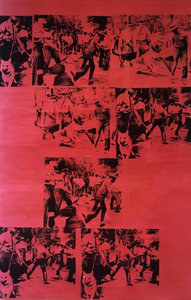
- Er erkundete Themen wie Prominenz, Tod und Katastrophen in seinem Werk und nutzte Wiederholung und kräftige Farben, um auffällige visuelle Effekte zu erzeugen.
Wichtige Werke und künstlerischer Stil
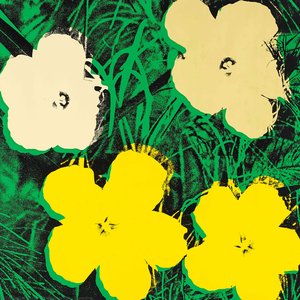
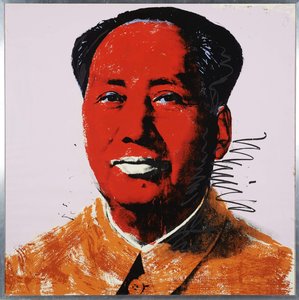
- Bekannte Werke: Che Guevara, Nan Kempner, Mona Lisa, Flowers, Ummalben Albumcover.
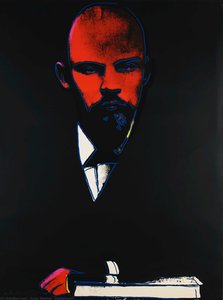
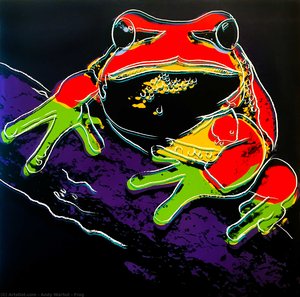
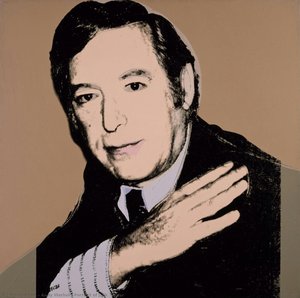
- Warhols Stil ist durch den Einsatz von Siebdruck, kräftigen Farben und Wiederholung gekennzeichnet.
- Er entwendete oft Bilder aus der Populärkultur, die er in ikonische Kunstwerke verwandelte.
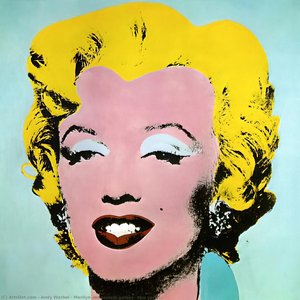
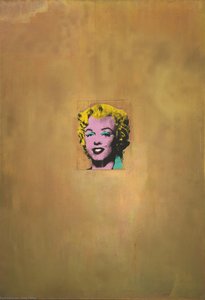
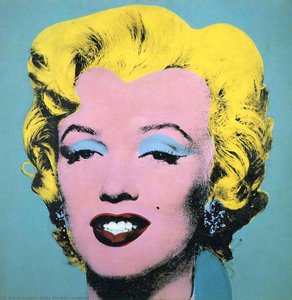
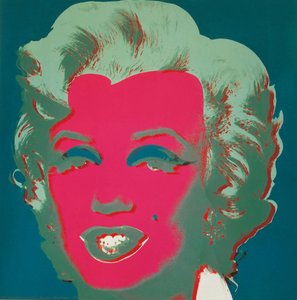
- Seine Porträts von Prominenten – Marilyn Monroe, Elvis Presley, Elizabeth Taylor – fangen die Faszination für Ruhm und Image in der amerikanischen Gesellschaft ein.
Vermächtnis und historische Bedeutung
- Warhols Werk hatte einen tiefgreifenden Einfluss auf die Kunstwelt, traditionelle Definitionen von Kunst in Frage gestellt und den Weg für neue künstlerische Bewegungen geebnet.
- Er war auch eine bedeutende kulturelle Figur: bevor die Gay Liberation Movement entstand, lebte er offen als Homosexueller.
- Seine Auseinandersetzung mit Konsumismus, Prominentenkultur und Massenmedien hallt bis heute nach.
- Warhols Einfluss ist in der zeitgenössischen Kunst, Mode, Musik und im Film zu sehen.
- Seine Werke werden in wichtigen Museen auf der ganzen Welt ausgestellt, darunter das Andy Warhol Museum in Pittsburgh.
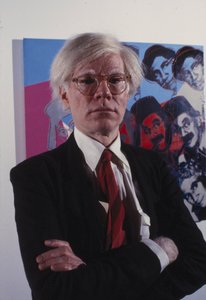
Andy Warhol
1928 - 1987 , Vereinigte Staaten von Amerika
Kurzinfos
- Bemerkenswerte Werke:
- Campbell’s Suppendosen
- Marilyn Diptych
- Che Guevara
- Blumen
- Velvet Underground Albumcover
- Geburtsdatum: 06. August 1928
- Geburtsort: Pittsburgh, USA
- Künstlerische Richtung: Pop Art
- Nationalität: Amerikanisch
- Todatum: 1987
- Vollständiger Name: Andy Warhol
Ähnliche Artikel

Michelangelo Buonarroti: Die 25 Meisterwerke des Renaissance-Genies | ArtsDot
Entdecken Sie die 25 Meisterwerke von Michelangelo Buonarroti! Von David bis zur Sixtinischen Kapelle – erleben Sie Renaissance Kunst in ihrer ganzen Pracht. Hochwertige Kunstdrucke & Inspiration für Ihr Zuhause auf ArtsDot.com.
The Enduring Allure of Marble in Art History: From Classical Sculpture to Modern Abstraction
Explore the captivating history of marble sculpture from ancient Greece to modern art. Discover renowned artists like Canova & Michelangelo, carving techniques, and investment insights at ArtsDot.

Bronze-Meisterwerke: Die 10 Skulpturen, die Kunstgeschichte schrieben | ArtsDot
Entdecken Sie die 10 legendärsten Bronze Skulpturen der Kunstgeschichte! Von Michelangelo bis Rodin – erfahren Sie die Geschichten hinter den Meisterwerken und lassen Sie sich von Wanddeko-Ideen inspirieren. Hochwertige Kunstdrucke auf ArtsDot.com.
The Enduring Legacy of Marble: A Comprehensive Exploration of Technique, Symbolism & Artistic Expression
Explore the rich history of marble sculpture from antiquity to the Renaissance! Discover key techniques, influential artists & enduring themes in classical art. Expert insights for collectors and enthusiasts at ArtsDot.

Die 10 legendärsten Bronzestatuen: Meisterwerke, die Kunstgeschichte schrieben | ArtsDot
Entdecken Sie die 10 legendärsten Bronzestatuen der Kunstgeschichte! Von Rodin bis Michelangelo – erfahren Sie die Geschichten hinter ikonischen Skulpturen und finden Sie hochwertige Reproduktionen für Ihr Zuhause. Jetzt bei ArtsDot entdecken!