

 Vorschau anzeigen
 Versenden
 Teilen
 Details anzeigen

 Herunterladen
 Ähnliche Objekte
 Röntgenaufnahme
 Diashow
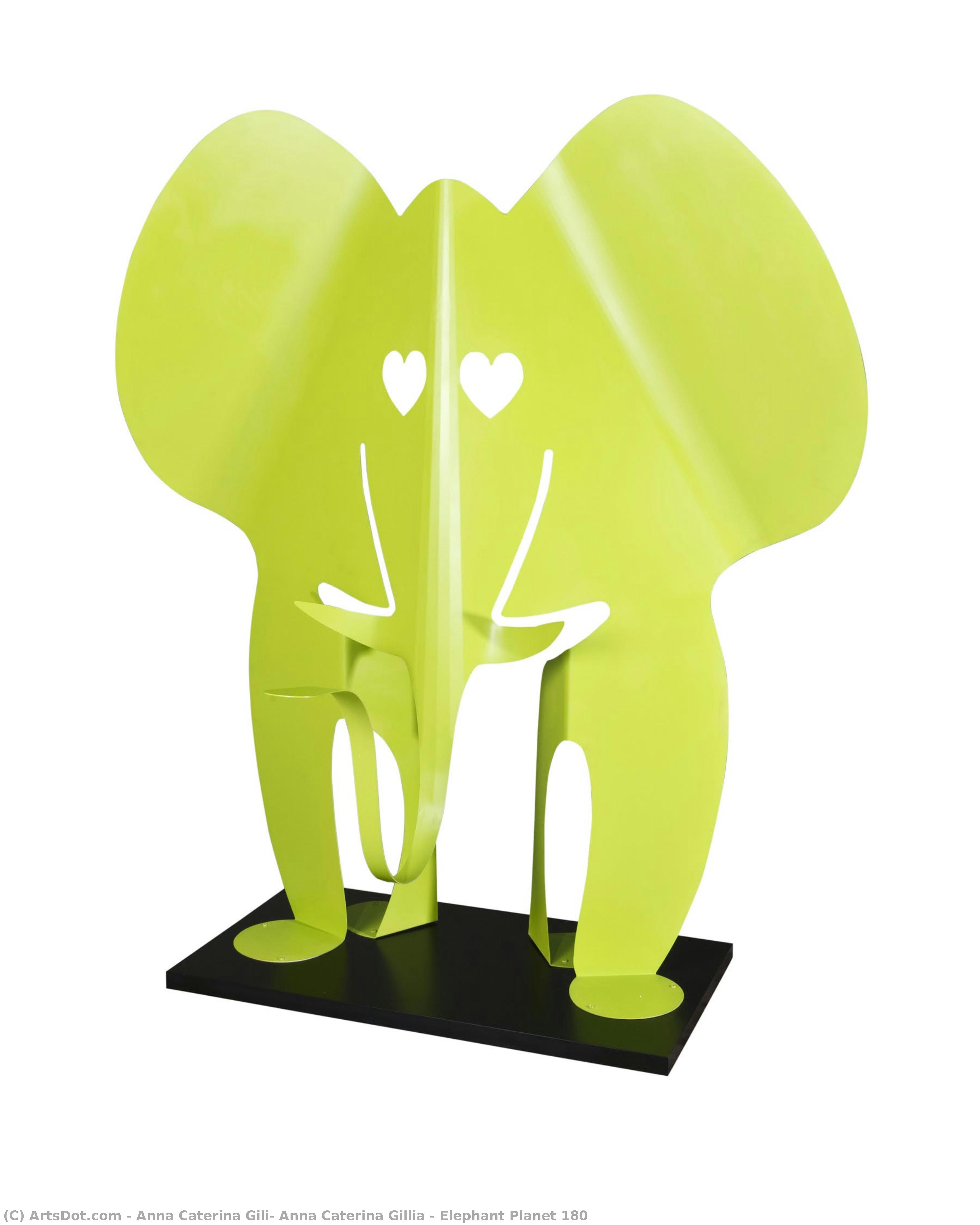
Elephant Planet 180
 2012
2012 161.0 x 179.0 cm
 Fondazione Hospice Seràgnoli
 Weiterlesen
Handgefertigte Ölreproduktion
Handgemaltes Ölgemälde auf Leinwand in Ihrer Wunschgröße und mit Rahmen, auf Bestellung von unseren Künstlern angefertigt. ( Druck bestellen Bild kaufen)




































Wählen Sie aus unseren vordefinierten Formaten, die den ursprünglichen Proportionen des Kunstwerks entsprechen.

Sie können Ihre eigenen Maße eingeben, um einen bestimmten Rahmen oder Platz auszufüllen. Wenn die gewählte Größe nicht den Proportionen des Originalbildes entspricht, werden wir das Kunstwerk entweder beschneiden oder das Gemälde durch zusätzliche, handgemalte Elemente erweitern. Ein digitales Mockup wird Ihnen zur Genehmigung zugesandt, bevor die Produktion beginnt.
Bitte beachten Sie, dass die Bildschirmvorschau nicht die tatsächliche Beschneidung oder Erweiterung widerspiegelt. Nur das Mockup zeigt die endgültige Komposition exakt an.
Obwohl Sondermaße verfügbar sind, empfehlen wir, eine Größe aus der vordefinierten Liste zu wählen, um die ursprünglichen Proportionen beizubehalten.
Nach der Bestellung wird das ArtsDot.com-Team dem Kunden Anweisungen per E-Mail zusenden und eine Mockup-Vorschau bereitstellen.
Weltweiter Versand () in nur 3 bis 4 Wochen statt der üblichen 5 Wochen. (27 August). Keine Kompromisse bei der Qualität.

Kostenloser weltweiter Expressversand

Hochwertige Leinenleinwand

Umfassender Versicherungsschutz beim Versand

Zollgebühren-Rückerstattungsgarantie

Garantie für exakte Farbtreue

60 Tage Rückgaberecht (nur bei Mängeln)

100% Geld-zurück-Garantie

Mengenrabatt verfügbar
 Die Glasoption ist nur für Größen unter 110 cm verfügbar.

Elephant Planet 180
Art der Reproduktion
Format der Reproduktion
-


Gesamtpreis
$ 263
Ähnliche Kunstwerke



Über den Künstler
Anna Caterina Gili: A Delicate Hand in the Shadow of Turin
The world of 18th-century Italian art often celebrates grand gestures and flamboyant displays, yet within the quieter corners of Turin, a remarkable artist quietly cultivated a distinctive style – Anna Caterina Gili (circa 1729 – circa 1820). Little is definitively known about her life, shrouded in the mists of historical records, leaving much to speculation and informed conjecture. What emerges from fragmented evidence and the analysis of her surviving works is a painter deeply rooted in the Rococo tradition, yet possessing a unique sensitivity and precision that sets her apart. Gili’s career unfolded primarily between 1729 and 1751, a relatively brief period during which she established herself as a valued decorator for the Royal Palace of Turin and the Palazzina di caccia of Stupinigi – a testament to her skill and artistic judgment.
Born in Turin, Gili’s early life remains largely undocumented. She likely received her initial training within the prevailing artistic circles of the city, absorbing influences from the established masters of the time. Her work demonstrates a clear debt to Michele Antonio Rapos, another prominent painter active during this period, sharing a similar penchant for detailed still lifes and landscapes. However, Gili’s style transcends mere imitation; she imbued her paintings with an understated elegance and a remarkable attention to botanical detail – a hallmark of the Rococo aesthetic, but executed with a level of refinement rarely seen in her contemporaries.
The Language of Flowers
Gili's oeuvre is dominated by still life compositions, often featuring arrangements of flowers, fruits, and occasionally, small domestic objects. These are not merely decorative studies; they are meticulously rendered explorations of form, color, and texture. Her paintings are characterized by a delicate touch, a remarkable ability to capture the ephemeral beauty of blossoms – their velvety petals, intricate veins, and subtle gradations of hue. The flowers depicted range from common garden varieties to exotic specimens, suggesting an intimate knowledge of botany and a keen eye for detail.
A recurring motif in Gili’s work is the careful arrangement of light and shadow. She masterfully employs chiaroscuro – the dramatic contrast between light and dark – to create a sense of depth and volume within her compositions. The surfaces of the flowers appear almost luminous, as if illuminated from within. This technique, combined with her precise rendering of textures, imbues her paintings with a remarkable sense of realism, while simultaneously conveying an underlying feeling of serenity and grace.
A Royal Patronage
Gili’s association with the Savoy court – specifically the Royal Palace of Turin and the Palazzina di caccia of Stupinigi – speaks volumes about her artistic standing. These commissions demanded not only technical skill but also an understanding of decorative principles and a sensitivity to the tastes of the aristocracy. Her work was likely employed in various settings throughout the palaces, adorning walls, overdoors (square paintings designed to hang above doorways), and furniture panels. The fact that she was entrusted with such prestigious assignments underscores her reputation as a reliable and talented artist.
Evidence suggests Gili’s influence extended beyond the palace walls. She also decorated rooms in Palazzo Solaro del Borgo, now the Accademia Philharmonic, showcasing her versatility and ability to adapt her style to different contexts. Her decorative work demonstrates an awareness of contemporary trends, incorporating elements of Roman culture and drawing inspiration from Flemish painting – a popular style at the time within the Italian court.
Legacy and Significance
Despite the relative obscurity surrounding her life, Anna Caterina Gili’s contribution to 18th-century art deserves recognition. Her paintings represent a significant example of Rococo artistry in Turin, characterized by its delicate beauty, meticulous detail, and understated elegance. While overshadowed by more prominent figures of the era, Gili's work offers a valuable glimpse into the artistic landscape of Piedmont during a period of considerable cultural flourishing.
Her legacy is preserved primarily through her surviving works, particularly those housed in the Royal Palace of Turin. Further research and scholarly analysis are needed to fully illuminate the life and career of this talented artist, but her paintings stand as enduring testaments to her skill, sensitivity, and artistic vision – a quiet voice from a forgotten corner of 18th-century Italy.

Kurzinfos
- Artistic Movement Or Style: Rococo
- Artists Who Influenced This Artist: ['Michele Antonio Rapos']
- Date Of Birth: c. 1729
- Date Of Death: c. 1820
- Full Name: Anna Caterina Gili
- Nationality: Italian
- Notable Artworks:
- Still life Flowers
- Floral Decorations
- Place Of Birth: Turin, Italy

