

 Vorschau anzeigen
 Versenden
 Teilen
 Details anzeigen

 Herunterladen
 Ähnliche Objekte
 Röntgenaufnahme
 Diashow
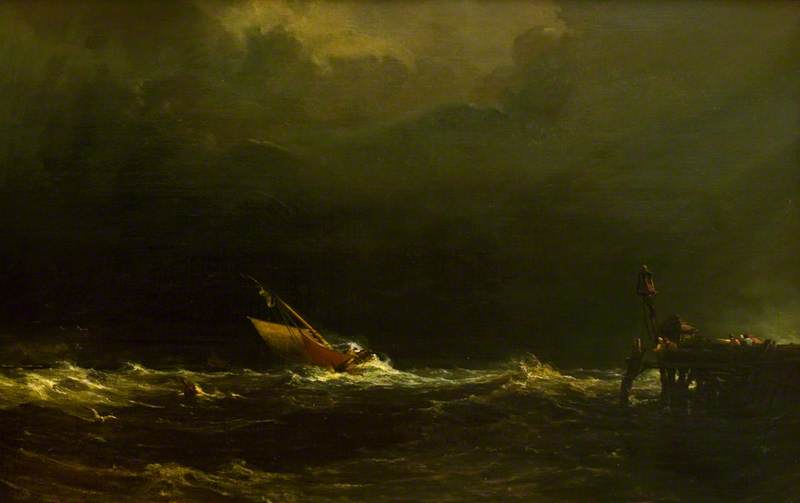
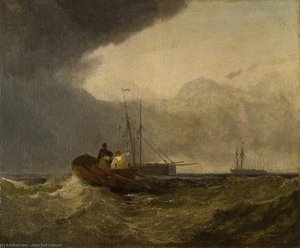
Sailing Boat in Rough Seas off a Jetty
 Romanticism
 1831
1831 41.0 x 60.0 cm
 The National Trust For Scotland
 Weiterlesen
Handgefertigte Ölreproduktion
Handgemaltes Ölgemälde auf Leinwand in Ihrer Wunschgröße und mit Rahmen, auf Bestellung von unseren Künstlern angefertigt. ( Druck bestellen Bild kaufen)




































Wählen Sie aus unseren vordefinierten Formaten, die den ursprünglichen Proportionen des Kunstwerks entsprechen.

Sie können Ihre eigenen Maße eingeben, um einen bestimmten Rahmen oder Platz auszufüllen. Wenn die gewählte Größe nicht den Proportionen des Originalbildes entspricht, werden wir das Kunstwerk entweder beschneiden oder das Gemälde durch zusätzliche, handgemalte Elemente erweitern. Ein digitales Mockup wird Ihnen zur Genehmigung zugesandt, bevor die Produktion beginnt.
Bitte beachten Sie, dass die Bildschirmvorschau nicht die tatsächliche Beschneidung oder Erweiterung widerspiegelt. Nur das Mockup zeigt die endgültige Komposition exakt an.
Obwohl Sondermaße verfügbar sind, empfehlen wir, eine Größe aus der vordefinierten Liste zu wählen, um die ursprünglichen Proportionen beizubehalten.
Nach der Bestellung wird das ArtsDot.com-Team dem Kunden Anweisungen per E-Mail zusenden und eine Mockup-Vorschau bereitstellen.
Weltweiter Versand () in nur 3 bis 4 Wochen statt der üblichen 5 Wochen. (22 August). Keine Kompromisse bei der Qualität.

Kostenloser weltweiter Expressversand

Hochwertige Leinenleinwand

Umfassender Versicherungsschutz beim Versand

Zollgebühren-Rückerstattungsgarantie

Garantie für exakte Farbtreue

60 Tage Rückgaberecht (nur bei Mängeln)

100% Geld-zurück-Garantie

Mengenrabatt verfügbar
 Die Glasoption ist nur für Größen unter 110 cm verfügbar.

Sailing Boat in Rough Seas off a Jetty
Art der Reproduktion
Format der Reproduktion
-


Gesamtpreis
$ 288
Ähnliche Kunstwerke
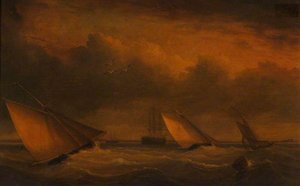
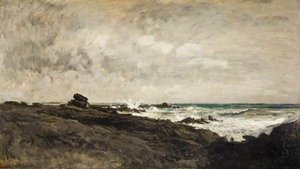
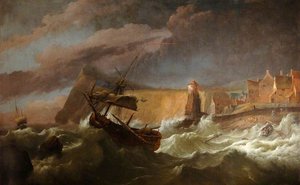
Über den Künstler
A Life Immersed in the Maritime World: The Story of Anthony V. C. Fielding
Anthony Vandyke Copley Fielding, known as Anthony V. C. Fielding (1787-1855), was a quintessential English artist whose career unfolded against the backdrop of Britain’s naval dominance and burgeoning industrial age. Born into an artistic family – his father, William Fielding, was a notable landscape painter – young Anthony inherited not only a talent for capturing light and form but also a deep connection to the natural world. However, unlike his father's broader pastoral scenes, Anthony gravitated towards the drama and precision of maritime subjects, becoming one of the most prolific and respected marine painters of his time. His early life was steeped in observation; growing up near the coast instilled within him an intimate understanding of ships, seascapes, and the lives of those who braved the ocean’s depths. This foundational experience would become the defining characteristic of his artistic output.From Watercolour Sketches to Detailed Engravings
Fielding's initial training focused on watercolour painting, a medium he mastered with remarkable skill. He quickly gained recognition for his ability to depict atmospheric effects and the subtle nuances of light reflecting on water. However, it was through engraving that Fielding truly established his reputation and reached a wider audience. Recognizing the growing demand for visual documentation of naval battles, ship designs, and coastal scenes, he turned his watercolour sketches into meticulously detailed engravings. This transition proved pivotal; while many artists relied on engravers to reproduce their work, Fielding controlled the entire process, ensuring fidelity to his original vision. His engravings weren’t merely reproductions – they were works of art in themselves, celebrated for their accuracy, technical brilliance, and evocative power. He became particularly renowned for his series of engravings depicting ships of the Royal Navy, a testament to Britain's maritime strength during the Napoleonic Wars and beyond.Influences and Artistic Development
While Fielding’s style was distinctly his own, it wasn’t formed in isolation. He absorbed influences from earlier marine painters like William Hodges and Dominic Serres, admiring their ability to convey both the grandeur and the peril of the sea. However, he moved beyond their more romanticized depictions, striving for a greater degree of realism and historical accuracy. The work of J.M.W. Turner also exerted an impact, particularly in Fielding’s use of atmospheric perspective and dramatic lighting effects. Yet, where Turner often prioritized emotional expression over precise detail, Fielding remained committed to capturing the tangible reality of ships and seafaring life. His artistic development can be seen as a synthesis of these influences – a blend of romantic sensibility with meticulous observation and technical skill. He wasn’t interested in simply *representing* the sea; he sought to *document* it, preserving its beauty and power for posterity.A Legacy Etched in History: Major Achievements & Significance
Fielding's prolific output spanned decades, encompassing a vast range of subjects – naval battles, portraits of admirals and ship captains, coastal views, and detailed depictions of individual vessels. His engravings were widely published in periodicals and books, becoming essential resources for naval historians and enthusiasts. He contributed significantly to the visual record of the Napoleonic Wars, providing a compelling glimpse into the realities of maritime conflict. Beyond his historical work, Fielding’s portraits are admired for their sensitivity and psychological depth, capturing not only the likenesses of his subjects but also their character and spirit. His dedication to accuracy and detail set him apart from many of his contemporaries, establishing him as a leading authority on naval art.- His series of engravings documenting ships of the Royal Navy remain invaluable historical resources.
- He successfully bridged the gap between watercolour painting and engraving, controlling every aspect of the creative process.
- Fielding’s portraits offer a compelling glimpse into the lives of prominent naval figures.
anthony v. c fielding
1787 - 1855
Kurzinfos
- Artistic Movement Or Style: Romanticism
- Artists Or Movements Influenced By This Artist:
- Romanticism
- Victorian Art
- Artists Who Influenced This Artist:
- John Singleton Copley
- Anthony van Dyck
- Richard Parkes Bonington
- John Varley
- Date Of Birth: November 22, 1787
- Full Name: Anthony Vandyke Copley Fielding
- Nationality: English
- Notable Artworks:
- Stranded – morning after the wreck
- Victorian watercolours
- Off the Eddystone – effect of storm
- Amphion and Zethus Delivering their Mother Antiope from the Fury of Dirce and Lycus
- Hunting Scene
- School House at Kings Norton Near Birmingham
- View of Lucerne
- Magdalen College and Tower, Oxford
- Fishing Boats in Port
- Place Of Birth: Sowerby Bridge, West Yorkshire, England
Ähnliche Artikel
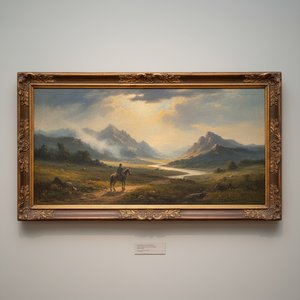
Anthony Vandyke Copley Fielding: Rediscovering a Master of Romantic Landscape
Discover the captivating landscapes of Anthony Vandyke Copley Fielding, a master of Romantic watercolour painting. Explore his life, technique, and legacy with ArtsDot – your source for museum-quality art reproductions & expert appraisal.
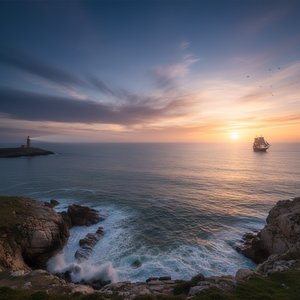
The Allure of the Horizon: A Comprehensive Exploration of Seascape Art Through History & Emotion
Explore the captivating world of seascape art! Discover its history, key artists & movements – from Dutch Masters to Impressionism. Expert insights for collectors and enthusiasts at ArtsDot.
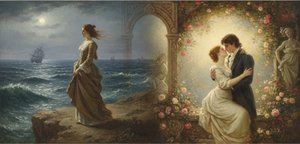
Romantic Realism's Finest: 10 Masterpieces for Your Home | ArtsDot
Explore 10 defining masterpieces of Romantic Realism! Discover Courbet, Millet & Daumier's powerful paintings—capturing emotion and social realities. Find museum-quality reproductions for your home at ArtsDot.com.

The Enduring Legacy of Oil on Canvas: Technique, History & Aesthetic Impact
Explore the rich history & techniques of oil painting – from Renaissance masters to Impressionism. Discover pigments, layering methods, and why this timeless medium endures. Expert insights for artists & art enthusiasts.

Öl auf Leinwand: Eine historische und technische Erkundung eines zeitlosen künstlerischen Mediums
Entdecken Sie die faszinierende Welt der Ölmalerei! Von historischen Techniken bis zur modernen Anwendung – wir bieten Expertenwissen, Restaurierungstipps und hochwertige Reproduktionen. Jetzt informieren!

