

 Vorschau anzeigen
 Versenden
 Teilen
 Details anzeigen

 Herunterladen
 Ähnliche Objekte
 Röntgenaufnahme
 Diashow
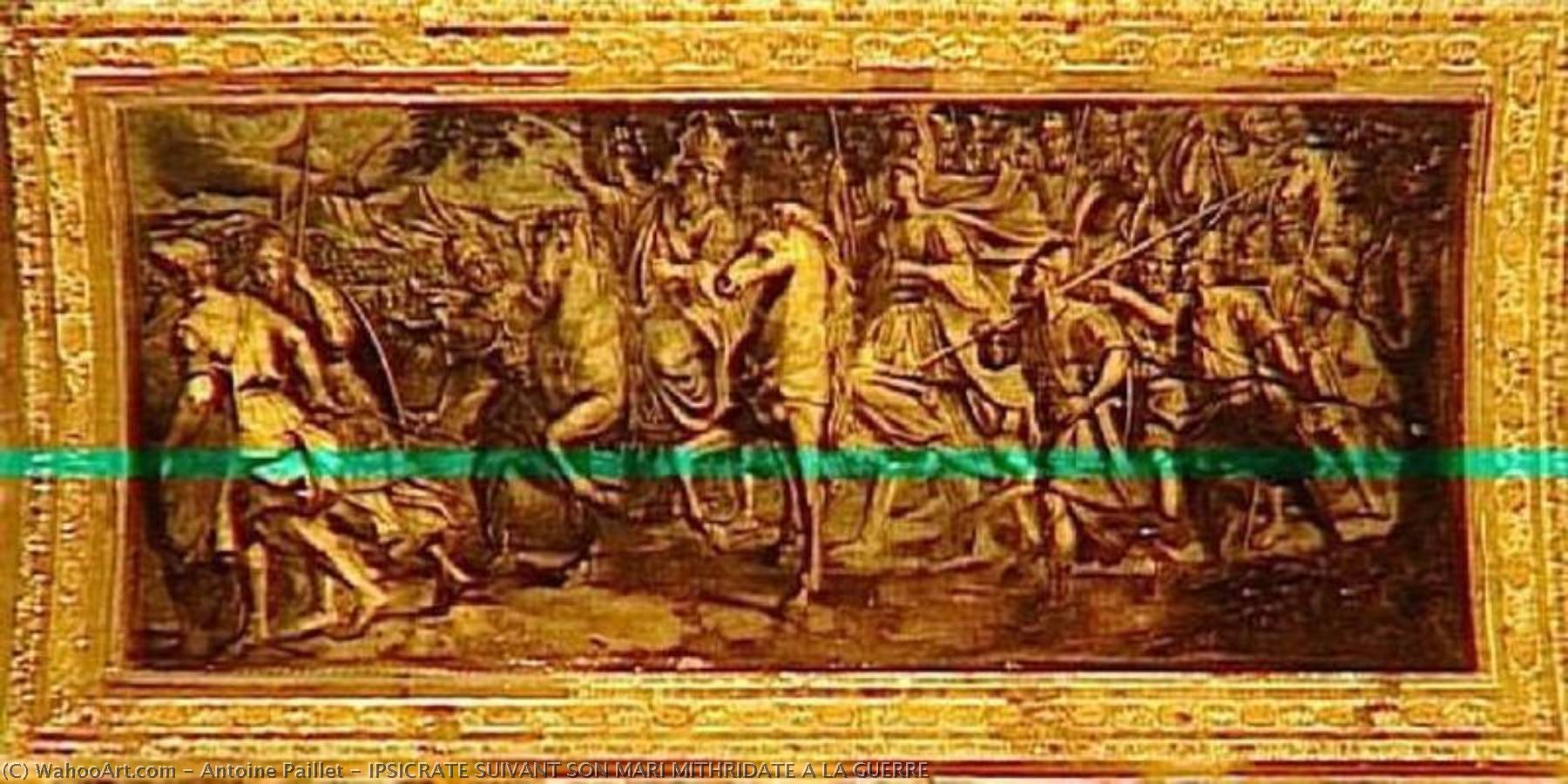
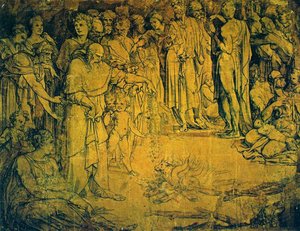
IPSICRATE SUIVANT SON MARI MITHRIDATE A LA GUERRE
 Weiterlesen
Erwerben Sie ein hochauflösendes, optimiertes digitales Bild, das der Online-Vorschau weit überlegen ist.
Jede Datei wird von unseren hauseigenen Spezialisten mit modernsten Werkzeugen und fachmännischer manueller Retusche sorgfältig vorbereitet. Wir stellen sicher, dass jedes Bild eine außergewöhnliche Klarheit, präzise Farbgenauigkeit und feinste Details aufweist.
Die endgültige Datei wird innerhalb von 72 Stunden per E-Mail zugestellt und ist für den sofortigen Einsatz in professionellen, redaktionellen und Druckumgebungen optimiert. Es handelt sich um dieselbe Qualität, der führende Designstudios, Verlage und Galerien vertrauen.
Digitales Bild
Laden Sie eine hochauflösende Datei für die persönliche Präsentation, den Druck und kreative Projekte herunter. ( Druck bestellen Handgemalte Reproduktion bestellen)
In jeder Bestellung digitaler Bilder enthalten
Professionelle digitale Bereitstellung, garantiert
Wenn Sie sich für ArtsDot.com entscheiden, erhalten Sie nicht nur ein Bild – Sie erhalten ein professionell aufbereitetes digitales Kunstwerk, das mit höchster Präzision erstellt und durch eine Zufriedenheitsgarantie abgesichert wird. Hier ist alles, was automatisch mit Ihrer Bestellung geliefert wird:

Schnelle E-Mail-Zustellung
Ihre hochauflösende digitale Bilddatei wird Ihnen innerhalb von 72 Stunden nach der Bestellung per E-Mail zugestellt – bereit zur sofortigen Verwendung.

KI-optimierte digitale Datei
Ihre Kunstwerke werden professionell mithilfe fortschrittlicher KI-Tools und manueller Bearbeitung optimiert, um maximale Detailtreue, Klarheit und Farbgenauigkeit zu gewährleisten.

Lebenslanger kostenloser Neudruckservice
Datei versehentlich gelöscht oder verloren? Keine Sorge – wir senden sie Ihnen jederzeit kostenlos erneut zu.

Keine Einfuhrgebühren – jemals
Genießen Sie Ihr Kunstwerk sofort ohne Zollgebühren, Einfuhrabgaben oder Versandkosten – digitale Downloads sind immer steuerfrei.

Garantierte Farbtreue
Wir garantieren, dass Ihr digitales Bild mithilfe professioneller Werkzeuge und Farbmanagement die Originalfarben so präzise wie möglich wiedergibt.

60-Tage-Zufriedenheitsgarantie
Sollten Sie mit Ihrem digitalen Bild nicht zufrieden sein, werden wir es überarbeiten oder Ihnen innerhalb von 60 Tagen 100% erstatten – ohne Wenn und Aber.

100% Geld-zurück-Garantie
Nicht zufrieden? Erhalten Sie innerhalb von 60 Tagen nach Erhalt Ihrer digitalen Datei eine vollständige Rückerstattung – ohne Angabe von Gründen.

Rabatte bei Großbestellungen
3 Bilder kaufen, 10% sparen – 5 Bilder kaufen, 15% sparen – Ab 10 Bildern 20% sparen. Ideal für kreative Projekte, Galerien und Agenturen.
Ähnliche Kunstwerke

Biografie des Künstlers
Early Life and Artistic Formation
Antoine Paillet, born in Paris around 1626, emerged during a period of significant transformation within the French art world. While details surrounding his family remain scarce, it is known that he received his foundational training under Sébastien Bourdon, a leading figure of French Baroque painting and a founding member of the Académie Royale de Peinture et de Sculpture. Bourdon’s influence proved pivotal in shaping Paillet's early artistic sensibilities, instilling within him a penchant for dramatic historical narratives and refined portraiture. The mid-17th century Parisian art scene was characterized by an increasing embrace of Italianate styles and the burgeoning patronage of the royal court under Louis XIII, creating a dynamic environment that fostered the development of ambitious young painters like Paillet. His formal acceptance into the Académie Royale in 1659, marked by the presentation of his *Triomphe d’Auguste après la bataille d’Actium*, signaled his growing recognition within established artistic circles and demonstrated an early mastery of academic conventions.A Career Defined by Historical Grandeur
Paillet quickly distinguished himself as a painter specializing in large-scale historical compositions, often imbued with a theatrical intensity and a keen attention to detail. His canvases frequently depicted scenes of conflict, heroism, and the power struggles of antiquity, reflecting both the prevailing tastes of his aristocratic clientele and a broader fascination with classical themes during the reign of Louis XIV. He wasn’t merely replicating history; he was interpreting it through a Baroque lens—emphasizing movement, emotion, and vibrant color palettes. His works are not simply depictions of events but rather carefully constructed dramas designed to evoke awe and inspire contemplation. A notable example is *La Fureur et la Guerre*, a powerful fresco showcasing figures locked in fierce conflict, capturing the raw energy and chaos of battle with remarkable skill. This piece exemplifies his ability to translate complex narratives into visually arresting compositions.Portraits and Academic Recognition
Beyond his historical paintings, Paillet also cultivated a successful practice as a portraitist, capturing the likenesses of prominent figures within Parisian society. He executed portraits of playwright Pierre Corneille among others, many of which were subsequently engraved by artists such as Étienne Picart and Guillaume Vallet between 1663 and 1696. These engravings suggest that Paillet often worked *ad vivum* – directly from life – and potentially employed pastel techniques, though surviving examples of his pastels remain elusive. His dedication to the Académie Royale was further demonstrated by his elevation to the position of *recteur* in 1695, a testament to his influence within the French art world and his commitment to upholding academic standards. This role placed him at the forefront of artistic discourse and decision-making during a crucial period of stylistic evolution.Themes of Power and Female Agency
A recurring motif in Paillet’s oeuvre is the depiction of powerful women warriors, figures like Artemisia and Zenobia who challenged conventional gender roles and exerted significant political influence. *ZENOBIE COMBATTANT CONTRE L'EMPEREUR AURELIEN* stands as a compelling example of this fascination, portraying Zenobia, the warrior queen of Palmyra, in a dramatic confrontation with Emperor Aurelian. These paintings are not simply historical representations; they offer nuanced explorations of female agency, ambition, and resistance within patriarchal societies. Paillet’s choice of subject matter suggests an interest in challenging traditional narratives and celebrating figures who defied societal expectations. His depictions of these women are often imbued with a sense of dignity, strength, and unwavering determination.Legacy and Historical Significance
Antoine Paillet's works can be found today in esteemed institutions such as the Musée des Augustins in Toulouse and the Palace of Versailles near Paris, serving as enduring testaments to his artistic skill and historical importance. While perhaps not as widely celebrated as some of his contemporaries, Paillet played a significant role in shaping the landscape of 17th-century French painting. His dramatic compositions, meticulous attention to detail, and exploration of themes of power and female agency continue to resonate with audiences today. He represents a fascinating intersection of Baroque grandeur, classical influence, and academic rigor, leaving behind a body of work that offers valuable insights into the artistic and cultural values of his time. His induction into the Académie Royale solidified his position as a respected member of the French art establishment, ensuring his legacy would endure for generations to come.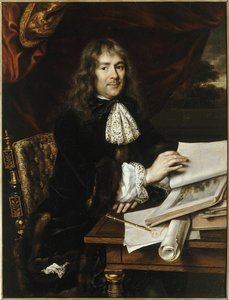
Antoine Paillet
1626 - 1701

