

 Vorschau anzeigen
 Versenden
 Teilen
 Details anzeigen

 Herunterladen
 Ähnliche Objekte
 Röntgenaufnahme
 Diashow
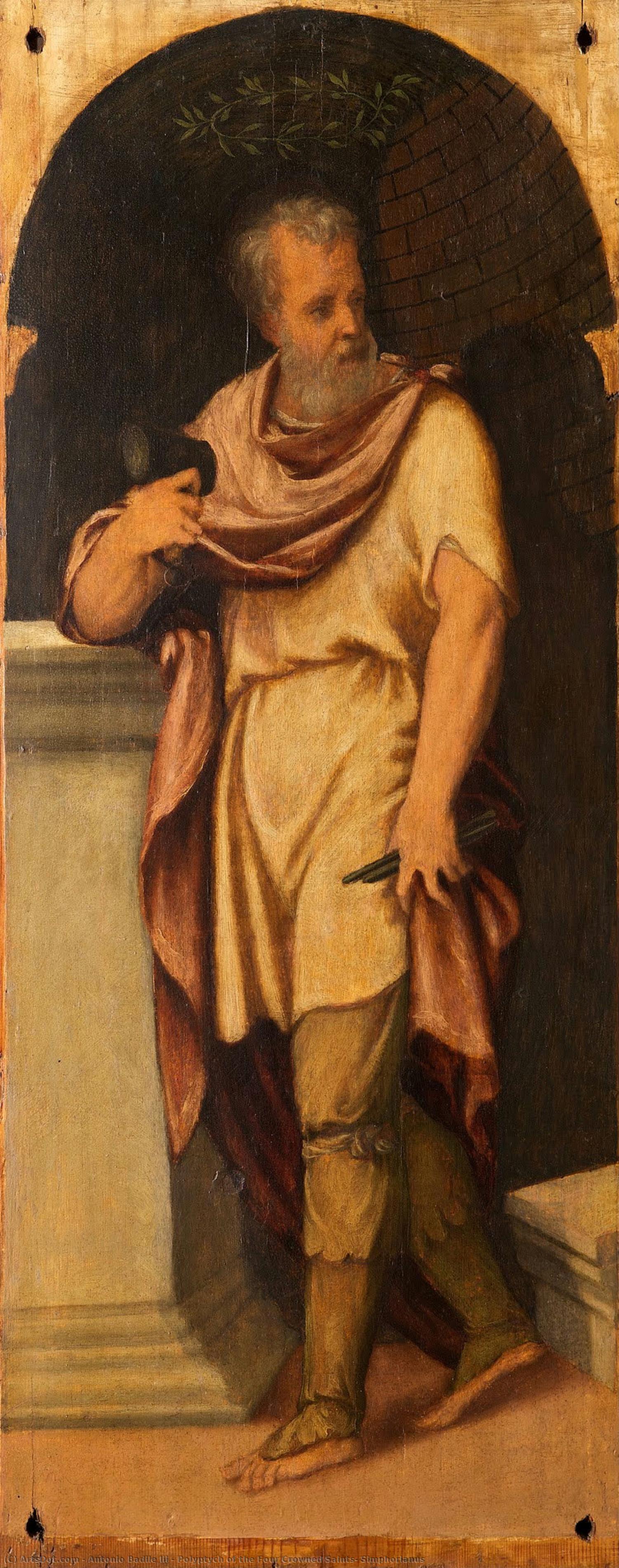
Polyptych of the Four Crowned Saints, Simphorianus


 Weiterlesen
Giclée / Kunstdruck
Giclée- oder Leinwanddruck in Museumsqualität mit schneller Produktion und flexiblen Veredelungsoptionen. ( Handgemalte Reproduktion bestellen Bild kaufen)




P118B $10

P118H $10

P118W $10

P438Z $10

P508JH $12

P508YH $12

P805H $10

P805Z $10

P919BZ $10

P919G $10

P919XJ $10

P959ZH $10

P968JZ $12

W106C $8

W218G $10

W218JH $8

W218Y $10

W307PJ $10

W316G $10

W316PJ $8

W316Y $10

W398PJ $8

W4111J $10

W500HY $15

W500JH $15

W692G $12

W849H $8

W940BG $15

W953PJ $8




Wählen Sie aus unseren vordefinierten Formaten, die den ursprünglichen Proportionen des Kunstwerks entsprechen.

Sie können Ihre eigenen Maße eingeben, um ein bestimmtes Format oder einen speziellen Platz einzupassen. Wenn das von Ihnen gewählte Format nicht den Proportionen des Originalbildes entspricht, werden wir das Kunstwerk entweder beschneiden oder das Bild mit einem gespiegelten oder einfarbigen Rand erweitern. Ein digitaler Entwurf wird Ihnen zur Genehmigung zugesandt, bevor die Produktion beginnt.
Bitte beachten Sie, dass die Vorschau auf dem Bildschirm nicht den tatsächlichen Zuschnitt oder die Erweiterung widerspiegelt. Nur der Entwurf zeigt die endgültige Komposition präzise an.
Obwohl Sondermaße verfügbar sind, empfehlen wir die Auswahl eines Maßes aus der vordefinierten Liste, um die ursprünglichen Proportionen zu bewahren.
Weltweiter Versand () innerhalb von 2 Wochen statt der üblichen 4/5 Wochen. (6 September)

Kostenloser weltweiter Expressversand

Hochwertige Leinenleinwand

Umfassender Versicherungsschutz beim Versand

Zollgebühren-Rückerstattungsgarantie

Garantie für exakte Farbtreue

100 Tage Rückgaberecht (nur bei Mängeln)

100% Geld-zurück-Garantie

Mengenrabatt verfügbar
 Die Glasoption ist nur für Größen unter 110 cm verfügbar.

Polyptych of the Four Crowned Saints, Simphorianus
Giclée / Kunstdruck
Format der Reproduktion
-


Gesamtpreis
$ 62
A Vision of Devotion: The Polyptych of the Four Crowned Saints
In the heart of Verona, within the hallowed halls of the Castelvecchio Museum, resides a profound testament to the spiritual and artistic fervor of the mid-16th century. Antonio Badile III’s Polyptych of the Four Crowned Saints, Simphorianus is not merely a painting but a window into the soul of the Counter-Reformation. Created in 1552, this masterful oil on board captures the solemnity of Saint Simphorianus with a gravity that commands immediate attention. The figure emerges from the shadows, his bearded countenance and classical toga suggesting a dignity rooted in the ancient Roman tradition. As he gazes downward, there is an introspective stillness, a quiet moment of martyrdom and reflection that invites the viewer to pause and contemplate the weight of faith.
The artistry of Badile III lies in his ability to bridge the gap between the fading elegance of the Gothic tradition and the burgeoning realism of the Italian Renaissance. In this specific panel, we see a masterful use of light and shadow—a technique that breathes life into the heavy folds of the saint's attire and defines the rugged texture of the brickwork behind him. The artist employs a subtle chiaroscuro to create a sense of three-dimensional space, making the figure feel as though he is occupying a tangible, physical realm. This interplay of light does more than just illuminate; it sculpts the emotion of the piece, casting a somber yet divine glow upon the martyr’s face.
Historical Resonance and Symbolic Depth
To understand this work is to understand the shifting tides of religious history in 16th-century Italy. The polyptych was originally commissioned for the Veronese church of San Pietro Incarnario, specifically for the altar dedicated to the art of stone cutting. This historical context imbues every brushstroke with meaning; the Four Crowned Saints were the patrons of sculptors and stonemasons, making this piece a sacred emblem of their craft. Badile III achieved something remarkable here by reuniting the Pannonian sculptors with the Roman officers in a single cohesive narrative, responding to the era's demand for historical accuracy and sacred unity.
The symbolism within the painting transcends the individual figure of Simphorianus. The very composition speaks to the endurance of the spirit against the temporal world. The architectural elements—the cold, unyielding brick wall—serve as a stark contrast to the human vulnerability and divine grace represented by the saint. For collectors and lovers of classical art, this piece offers a profound connection to the era of the Counter-Reformation, where art was used as a powerful tool to evoke piety, strength, and an unwavering commitment to one's convictions.
An Elegant Addition to Sophisticated Interiors
For the discerning interior designer or the passionate art collector, a high-quality reproduction of this polyptych offers more than just decoration; it provides a focal point of historical depth and intellectual intrigue. The muted, earthy tones and the dramatic, classical subject matter make it an exquisite addition to spaces that celebrate traditional elegance, such as libraries, study halls, or formal dining rooms. Its presence evokes a sense of timelessness, grounding a modern room with the weight of Renaissance history.
Integrating such a piece into a curated collection allows for a dialogue between the past and the present. Whether placed in a setting filled with rich textures like velvet and dark wood, or used to provide a classical contrast in a minimalist contemporary space, the Polyptych of the Four Crowned Saints serves as a conversation starter. It is an invitation to explore the legacy of Antonio Badile III and to surround oneself with the enduring beauty of Veronese mastery.
Ähnliche Kunstwerke
Über den Künstler
Frühes Leben und Ausbildung
Antonio Badile III, ein italienischer Maler aus Verona, wurde im Jahr 1517 geboren. Er war der Enkel von Giovanni Badile da Verona, einem angesehenen Maler des 15. Jahrhunderts. Die Ausbildung unter seinem Onkel Francesco Badile und Giovanni Francesco Caroto legte das Fundament für seinen späteren künstlerischen Erfolg.Künstlerische Einflüsse und Stil
Antonio erlangte Berühmtheit als Mentor von Paolo Veronese sowie seines Schwagers Giovanni Battista Zelotti. Sein Schaffen wurde zudem maßgeblich vom Brescianer Maler Alessandro Bonvicino (Il Moretto) geprägt. Diese eklektische Mischung verschiedener Einflüsse brachte einen einzigartigen Stil hervor, der die Elemente der italienischen Renaissance meisterhaft mit der traditionsreichen Veroneser Schule verschmolz.Bedeutende Werke und Vermächtnis
Zu den eindrucksvollsten Schöpfungen Antonios zählen:- Die Heiligen Cäcilia, Tiburtius und Valerian (Castelvecchio Museum, Verona, Italien), ein Triptychon, das seinen Versuch zeigt, die Neuerungen der Renaissance in einen linearen, gotischen Stil zu integrieren.
- Das Retablo von San Nazaro mit der Madonna und Heiligen (1540), welches seine Meisterschaft in Komposition und Farbgebung demonstriert.
- Die Auferweckung des Lazarus in der Cappella della Santa Croce, Chiesa di San Bernardino, die sein Geschick bei der Darstellung dramatischer Szenen offenbart.
Museen und Sammlungen
Die Werke Antonios sind in verschiedenen Städten der Region Venetien erhalten geblieben. Um mehr über sein künstlerisches Erbe zu erfahren und weitere bedeutende Künstler zu entdecken, besuchen Sie das Museo Parrocchiale (Verolanuova, Italien) oder stöbern Sie durch das umfangreiche Künstlerprofil von Antonio Badile III bei ArtsDot.Fazit
Der Beitrag von Antonio Badile III zur veronesischen Maltradition ist unbestreitbar. Seine einzigartige Verbindung verschiedener Einflüsse und seine meisterhafte Komposition haben die Kunstwelt nachhaltig geprägt. Um tiefer in sein Werk und das anderer renommierter Künstler einzutauchen, erkunden Sie die umfassende Kunstdatenbank von ArtsDot.
Antonio Badile Iii
1517 - 1560 , Italien
Kurzinfos
- Bemerkenswerte Kunstwerke:
- Vision des Heiligen Bernhard
- Porträt von Savonarola
- Geburtsdatum: 28. März 1472
- Geburtsort: Savignano di Prato, Toskana
- Künstler, Die Diesen Künstler Beeinflussten:
- Cosimo Rosselli
- Raffael
- Künstlerische Bewegung Oder Stil: Hochrenaissance
- Nationalität: Italienische Renaissance
- Sterbedatum: 31. Oktober 1517
- Vollständiger Name: Fra Bartolomeo”
- Von Diesem Künstler Beeinflusste Künstler Oder Bewegungen:
- Leonardo da Vinci
- Savonarolas Stil
Ähnliche Artikel
Romantic Realism's Finest: 10 Masterpieces for Your Home | ArtsDot
Explore 10 defining masterpieces of Romantic Realism! Discover Courbet, Millet & Daumier's powerful paintings—capturing emotion and social realities. Find museum-quality reproductions for your home at ArtsDot.com.

Öl auf Leinwand: Eine historische und technische Erkundung eines zeitlosen künstlerischen Mediums
Entdecken Sie die faszinierende Welt der Ölmalerei! Von historischen Techniken bis zur modernen Anwendung – wir bieten Expertenwissen, Restaurierungstipps und hochwertige Reproduktionen. Jetzt informieren!

The Enduring Legacy of Oil on Canvas: Technique, History & Aesthetic Impact
Explore the rich history & techniques of oil painting – from Renaissance masters to Impressionism. Discover pigments, layering methods, and why this timeless medium endures. Expert insights for artists & art enthusiasts.

The Enduring Power of Painting: A Historical & Contemporary Exploration of Form and Emotion
Explore the rich history & enduring techniques of oil painting with ArtsDot. Discover masterpieces, learn about art collecting, and find authentic handmade reproductions crafted by skilled artists.

Das bleibende Erbe der Ölmalerei: Technik, Geschichte und zeitgenössische Praxis
Entdecken Sie die faszinierende Geschichte der Ölmalerei – von den frühen Techniken bis zur modernen Kunst. Expertenwissen, detaillierte Analysen und Inspiration für Sammler & Kunstliebhaber.