

 Vorschau anzeigen
 Versenden
 Teilen
 Details anzeigen

 Herunterladen
 Ähnliche Objekte
 Röntgenaufnahme
 Diashow
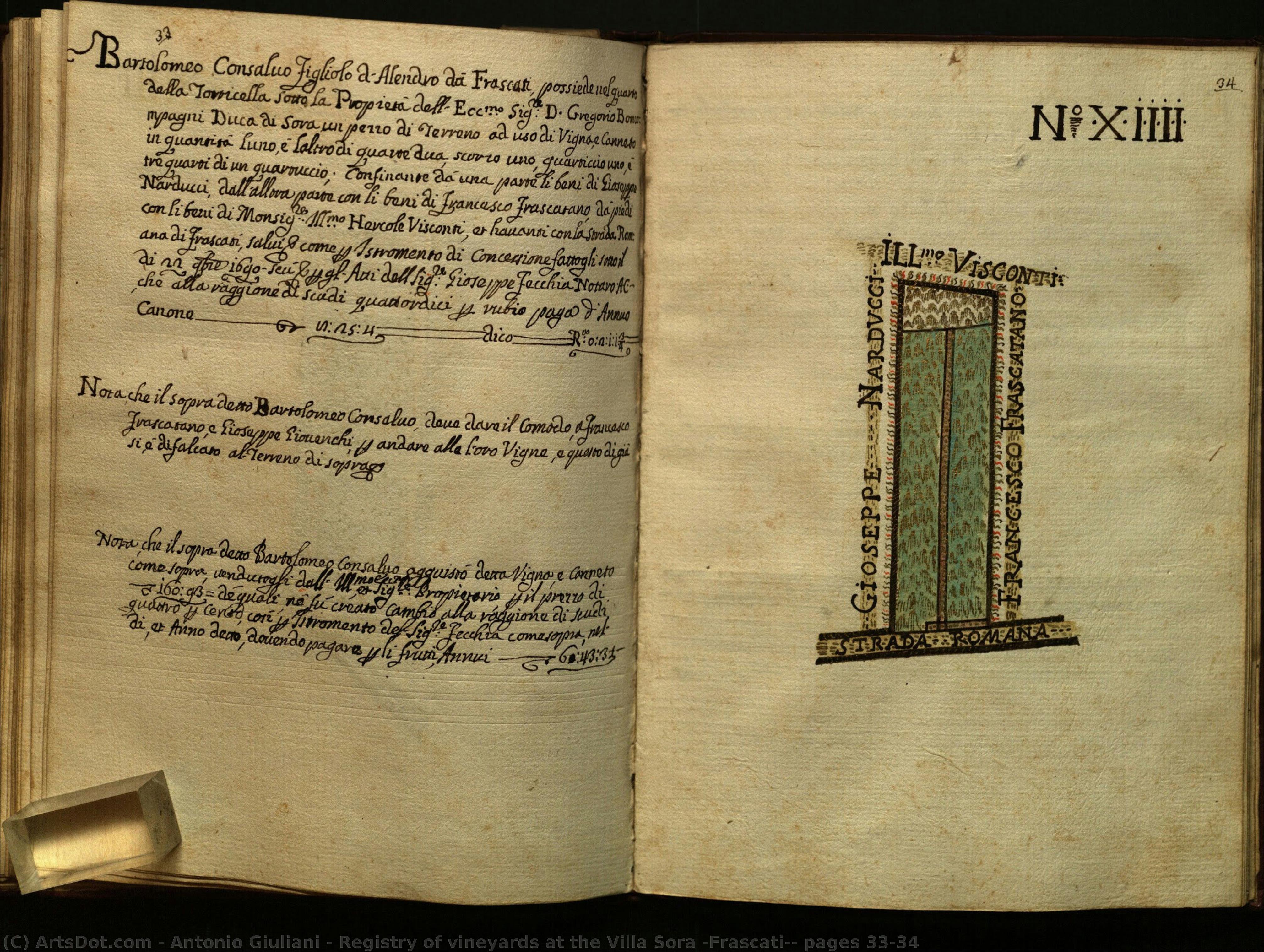
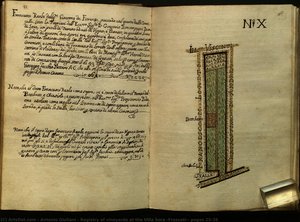
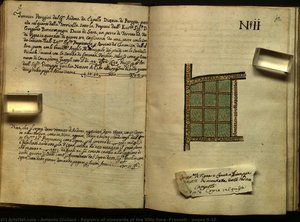
Registry of vineyards at the Villa Sora (Frascati): pages 33-34


 Weiterlesen
Handgefertigte Ölreproduktion
Handgemaltes Ölgemälde auf Leinwand in Ihrer Wunschgröße und mit Rahmen, auf Bestellung von unseren Künstlern angefertigt. ( Druck bestellen Bild kaufen)




































Wählen Sie aus unseren vordefinierten Formaten, die den ursprünglichen Proportionen des Kunstwerks entsprechen.

Sie können Ihre eigenen Maße eingeben, um einen bestimmten Rahmen oder Platz auszufüllen. Wenn die gewählte Größe nicht den Proportionen des Originalbildes entspricht, werden wir das Kunstwerk entweder beschneiden oder das Gemälde durch zusätzliche, handgemalte Elemente erweitern. Ein digitales Mockup wird Ihnen zur Genehmigung zugesandt, bevor die Produktion beginnt.
Bitte beachten Sie, dass die Bildschirmvorschau nicht die tatsächliche Beschneidung oder Erweiterung widerspiegelt. Nur das Mockup zeigt die endgültige Komposition exakt an.
Obwohl Sondermaße verfügbar sind, empfehlen wir, eine Größe aus der vordefinierten Liste zu wählen, um die ursprünglichen Proportionen beizubehalten.
Nach der Bestellung wird das ArtsDot.com-Team dem Kunden Anweisungen per E-Mail zusenden und eine Mockup-Vorschau bereitstellen.
Weltweiter Versand () in nur 3 bis 4 Wochen statt der üblichen 5 Wochen. (30 August). Keine Kompromisse bei der Qualität.

Kostenloser weltweiter Expressversand

Hochwertige Leinenleinwand

Umfassender Versicherungsschutz beim Versand

Zollgebühren-Rückerstattungsgarantie

Garantie für exakte Farbtreue

60 Tage Rückgaberecht (nur bei Mängeln)

100% Geld-zurück-Garantie

Mengenrabatt verfügbar
 Die Glasoption ist nur für Größen unter 110 cm verfügbar.

Registry of vineyards at the Villa Sora (Frascati): pages 33-34
Art der Reproduktion
Format der Reproduktion
-


Gesamtpreis
$ 263
A Whisper from the Past: The Chronicles of Villa Sora
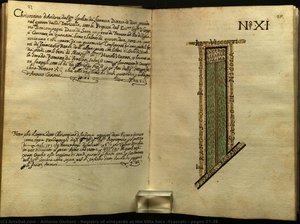
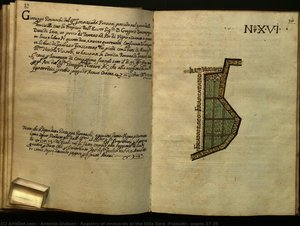
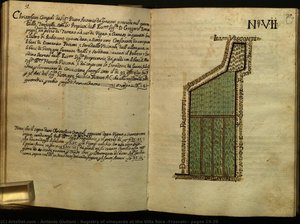
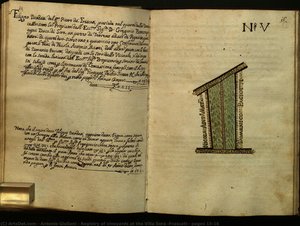
In the quiet, weathered pages of an ancient ledger, time seems to pause, inviting the viewer into a forgotten era of Italian viticulture and architectural grandeur. Registry of vineyards at the Villa Sora (Frascati): pages 33-34 is not merely a document; it is a visual portal into the historical soul of Frascati. The image captures the delicate intimacy of an open book, where the rhythmic dance of Latin script meets the precise, hand-drawn sketches of a bygone age. There is a profound sense of discovery in these pages, as if one has stumbled upon a secret archive hidden within the dusty corridors of a Roman estate. The texture of the aged paper, marked by the passage of centuries, provides a tactile backdrop to the delicate ink strokes that delineate the boundaries of vineyards and the silhouettes of majestic structures.
The composition draws the eye through a labyrinth of historical detail, where every stroke of the pen carries the weight of intention. On one side, the architectural sketches—reminiscent of a fortified castle or an elegant villa—stand as silent sentinels of the landscape, their outlines suggesting both strength and grace. These illustrations are interspersed with numerical notations that hint at the meticulous care taken by those who once managed these fertile lands. The interplay between the flowing, cursive Latin text and the structured geometric forms of the drawings creates a captivating visual tension, mirroring the relationship between the organic growth of the vines and the human order imposed upon the earth.
The Artistry of Documentation and Memory
While often categorized as a historical record, this piece transcends mere utility to become an evocative work of graphic art. The style is characterized by its raw, authentic elegance—a testament to the era of manual craftsmanship where every entry was a labor of devotion. The technique relies on the subtle variations in ink density and the organic imperfections of hand-drawn lines, which lend the work an incomparable depth. For the collector or interior designer, this piece offers a sophisticated layer of intellectual texture. It does not demand attention with loud colors; instead, it commands respect through its quiet, scholarly beauty and its ability to evoke a sense of nostalgia and reverence for heritage.
Integrating a reproduction of such a manuscript into a contemporary space can transform a room into a sanctuary of thought and history. Imagine this piece framed in a minimalist dark wood or set within a gallery wall of botanical prints; it serves as an anchor of authenticity, grounding modern aesthetics in the deep roots of European tradition. It is a piece that invites contemplation, sparking conversations about the lineage of the land, the evolution of agriculture, and the enduring human desire to record, preserve, and remember. To possess this work is to hold a fragment of the Frascati legacy, bringing the timeless charm of the Italian countryside into the heart of the modern home.
Ähnliche Kunstwerke

Über den Künstler
Antonio Giuliani: Ein facettenreiches Leben zwischen Leinwand und Bühne
Antonio Giuliani ist ein italienischer Schauspieler, der 1967 in Rom geboren wurde. Er erlangte weite Bekanntheit durch seine eindringliche Rolle im Film „Suburra“ (2015) sowie in der Serie 'Arresti Domiciliari' (2000). Neben seiner schauspielerischen Präsenz widmete er sich auch der Comedy und erlebte im Jahr 2016 eine bizarre Wendung durch Fake News, als fälschlicherweise über einen Herzinfarkt berichtet wurde, während er in Wahrheit an einem Leistenbruch litt.Frühes Leben und Karriere
Der künstlerische Weg von Antonio Giuliani begann in Programmen zur Förderung neuer Talente. Im Jahr 1991 trat er erstmals auf Rai 1 in der Sendung 'Stasera mi butto' in Erscheinung, gefolgt von Auftritten in der Sendung 'Ci siamo!?!' auf Rai 2. Ein bedeutender Meilenstein war sein Sieg in einer Folge von 'Gran Caffè' auf Canale 5 im Jahr 1997. Seine Vielseitigkeit führte ihn zudem zur renommierten Gruppe des 'Teatro Bagaglino' und an das Set verschiedener Filme von Pier Francesco Pingitore.Bedeutende Werke
Zu den bemerkenswerten Leistungen in seinem Repertoire gehören Rollen in 'La sai l'ultima?', 'L'onore e il rispetto' und 'Viso d'angelo'. Darüber hinaus wagte er den Schritt hinter die Kamera und debütierte als Regisseur mit der Theaterproduktion 'Il rosso e il nero', in der er zugleich selbst mitwirkte.Künstlerischer Stil
Obwohl Antonio Giuliani nicht primär für seine bildende Kunst bekannt ist, lässt sich sein Wirken im Film und Fernsehen als eine Form des künstlerischen Ausdrucks verstehen. Seine Fähigkeit, Charaktere zum Leben zu erwecken und Emotionen durch seine Darbietungen spürbar zu machen, zeugt von seinem tiefen Talent als Künstler.- Er hat im Laufe seiner Karriere in zahlreichen Filmen und Fernsehproduktionen mitgewirkt.
- Er arbeitete mit verschiedenen Regisseuren und Schauspielern zusammen, darunter Pier Francesco Pingitore und Gabriel Garko.
- Sein Regiedebüt gab er mit der Theateraufführung 'Il rosso e il nero'.
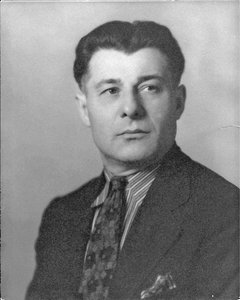
Antonio Giuliani
1967 - , Italien
Ähnliche Artikel
The Eloquent Line: Exploring the Artistic Significance of Sketches Across Movements and Media
Explore the profound artistic significance of sketches throughout history. From Renaissance masters to modern innovators like Van Gogh & Guston, discover how these foundational works reveal technique, emotion, and vision. Learn more at ArtsDot.
Echoes of Time: Nostalgia, Technique & Cultural Significance in Vintage Paintings
Explore the captivating world of vintage paintings! Discover key styles, cultural significance & collecting tips from art experts at ArtsDot. Find authentic reproductions and elevate your home décor.
Echoes of Time: Exploring the Enduring Appeal of Vintage Artwork
Explore the captivating world of vintage art! Discover its history, enduring appeal, & how to build your own collection. Expert advice, custom reproductions & museum-quality prints at ArtsDot.

Echoes of Time: Exploring the Enduring Appeal & Historical Context of Vintage Art Prints
Explore the captivating world of vintage art prints! Discover their history, collecting tips & enduring appeal. Expert insights on chromolithography and building a legacy collection with ArtsDot.
Echoes of Eras Past: Exploring Themes & Techniques in Vintage Art Collections
Explore the captivating world of vintage art! Discover historical movements, iconic themes & collecting tips. Find handmade reproductions & expert appraisal at ArtsDot.

