

 Vorschau anzeigen
 Versenden
 Teilen
 Details anzeigen

 Herunterladen
 Ähnliche Objekte
 Röntgenaufnahme
 Diashow
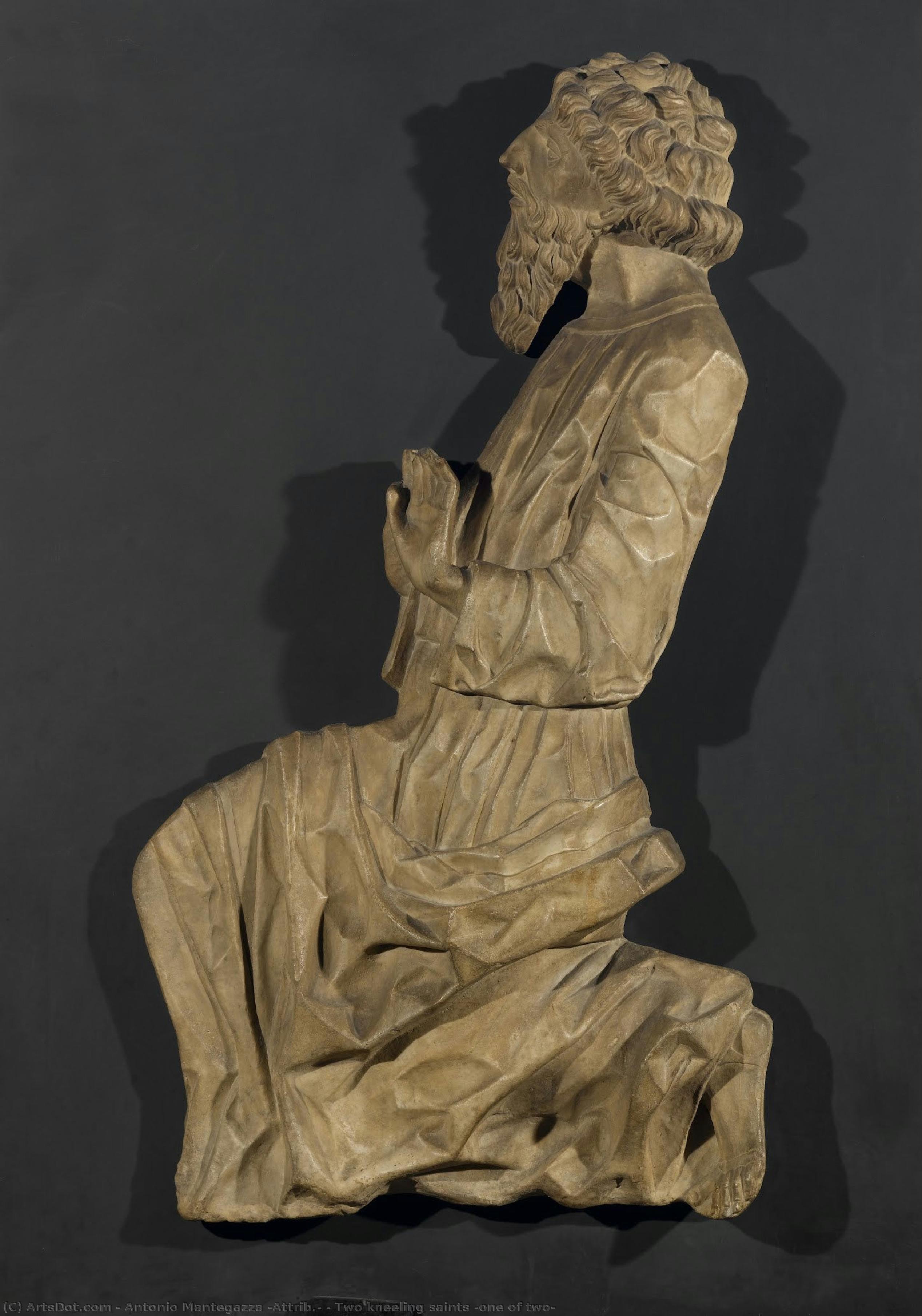
Two kneeling saints (one of two)
 1400
1400 5.0 x 15.0 cm
 Castello Sforzesco
 Weiterlesen
Erwerben Sie ein hochauflösendes, optimiertes digitales Bild, das der Online-Vorschau weit überlegen ist.
Jede Datei wird von unseren hauseigenen Spezialisten mit modernsten Werkzeugen und fachmännischer manueller Retusche sorgfältig vorbereitet. Wir stellen sicher, dass jedes Bild eine außergewöhnliche Klarheit, präzise Farbgenauigkeit und feinste Details aufweist.
Die endgültige Datei wird innerhalb von 72 Stunden per E-Mail zugestellt und ist für den sofortigen Einsatz in professionellen, redaktionellen und Druckumgebungen optimiert. Es handelt sich um dieselbe Qualität, der führende Designstudios, Verlage und Galerien vertrauen.
Digitales Bild
Laden Sie eine hochauflösende Datei für die persönliche Präsentation, den Druck und kreative Projekte herunter. ( Druck bestellen Handgemalte Reproduktion bestellen)
In jeder Bestellung digitaler Bilder enthalten
Professionelle digitale Bereitstellung, garantiert
Wenn Sie sich für ArtsDot.com entscheiden, erhalten Sie nicht nur ein Bild – Sie erhalten ein professionell aufbereitetes digitales Kunstwerk, das mit höchster Präzision erstellt und durch eine Zufriedenheitsgarantie abgesichert wird. Hier ist alles, was automatisch mit Ihrer Bestellung geliefert wird:

Schnelle E-Mail-Zustellung
Ihre hochauflösende digitale Bilddatei wird Ihnen innerhalb von 72 Stunden nach der Bestellung per E-Mail zugestellt – bereit zur sofortigen Verwendung.

KI-optimierte digitale Datei
Ihre Kunstwerke werden professionell mithilfe fortschrittlicher KI-Tools und manueller Bearbeitung optimiert, um maximale Detailtreue, Klarheit und Farbgenauigkeit zu gewährleisten.

Lebenslanger kostenloser Neudruckservice
Datei versehentlich gelöscht oder verloren? Keine Sorge – wir senden sie Ihnen jederzeit kostenlos erneut zu.

Keine Einfuhrgebühren – jemals
Genießen Sie Ihr Kunstwerk sofort ohne Zollgebühren, Einfuhrabgaben oder Versandkosten – digitale Downloads sind immer steuerfrei.

Garantierte Farbtreue
Wir garantieren, dass Ihr digitales Bild mithilfe professioneller Werkzeuge und Farbmanagement die Originalfarben so präzise wie möglich wiedergibt.

60-Tage-Zufriedenheitsgarantie
Sollten Sie mit Ihrem digitalen Bild nicht zufrieden sein, werden wir es überarbeiten oder Ihnen innerhalb von 60 Tagen 100% erstatten – ohne Wenn und Aber.

100% Geld-zurück-Garantie
Nicht zufrieden? Erhalten Sie innerhalb von 60 Tagen nach Erhalt Ihrer digitalen Datei eine vollständige Rückerstattung – ohne Angabe von Gründen.

Rabatte bei Großbestellungen
3 Bilder kaufen, 10% sparen – 5 Bilder kaufen, 15% sparen – Ab 10 Bildern 20% sparen. Ideal für kreative Projekte, Galerien und Agenturen.
Details zum Sammlerstück
Ähnliche Kunstwerke








Biografie des Künstlers
Antonio Mantegazza: A Sculptor of the Milanese Renaissance
Antonio Mantegazza, a name often encountered in association with his brother Cristoforo, stands as a pivotal figure within the artistic landscape of 15th-century Lombardy. Born around 1440 – though precise dates remain elusive – he emerged during a period of intense artistic and architectural activity, deeply intertwined with the patronage of the Sforza family in Milan. His legacy is primarily defined by his contributions to the magnificent facade of the Certosa di Pavia and, more subtly, through his involvement in the decoration of other significant structures within the region. While often categorized as an “attributed” artist – a common designation for works where authorship remains uncertain – Mantegazza’s distinctive style and technical prowess warrant careful consideration, revealing a sculptor deeply influenced by both classical ideals and contemporary trends.Early Life and Artistic Training
Information regarding Mantegazza's early life is remarkably sparse. Records detailing his birth city and precise formative years are scant, contributing to the enigmatic nature of his artistic journey. What *is* known is that he and Cristoforo were summoned to the Certosa di Pavia in 1473 by Galeazzo Maria Sforza, Duke of Milan, to undertake the ambitious project of designing an equestrian statue honoring his father, Francesco I Sforza. This commission, ultimately entrusted to Leonardo da Vinci, undoubtedly provided both brothers with invaluable experience and exposure to the highest echelons of artistic patronage. Their involvement in this monumental undertaking served as a crucial stepping stone, shaping their aesthetic sensibilities and establishing them within the Milanese art scene. It’s believed they were also involved in decorating the Hospital of the Pietà, now corresponding to Piazza Leonardo, where a copy of the Pietà Mantegazza is displayed.The Style of ‘Cartaceo’: A Distinctive Approach
Mantegazza's sculptures are immediately recognizable for their distinctive “cartaceous” style – a term coined by scholars due to the material’s resemblance to crumpled paper. This approach, characterized by flattened figures, simplified drapery, and a deliberate lack of volume, was particularly prevalent in Milan during this period. It represents a departure from the more traditionally rounded forms favored in earlier Renaissance sculpture, reflecting a conscious embrace of a new aesthetic vocabulary. This style wasn’t entirely unique to Mantegazza; it shared characteristics with other sculptors working in the region, including Cristoforo and Giovanni Antonio Amadeo. However, Mantegazza's mastery of this technique – his ability to imbue these seemingly simplified forms with remarkable expressiveness and emotional depth – distinguishes him as a key practitioner of this influential style. The influence of masters like Mantegna and Ferrarese sculptors is evident in the way he utilizes perspective and creates dramatic effects within limited spatial constraints.Major Works: The Certosa di Pavia and Beyond
The facade of the Certosa di Pavia represents the pinnacle of Mantegazza’s artistic achievements. His contributions to this vast architectural complex are extensive, encompassing a range of decorative elements – including relief sculptures adorning the main portal, intricate details within the cloisters, and monumental figures depicting scenes from the Old Testament. The “Pietà Mantegazza,” a poignant depiction of Christ and Mary, stands as perhaps his most celebrated work, showcasing his technical skill and emotional sensitivity. The sculpture’s elongated figures, expressive gestures, and carefully rendered drapery evoke a powerful sense of grief and sorrow. Beyond the Certosa, Mantegazza's influence can be detected in other projects throughout Milan and the surrounding region, though fewer examples survive today.Legacy and Historical Significance
Despite the frequent attribution of his works to Cristoforo Mantegazza, Antonio’s contribution to the artistic landscape of 15th-century Lombardy is undeniable. His “cartaceous” style, characterized by its innovative approach to form and its ability to convey profound emotion, had a lasting impact on subsequent generations of sculptors. He represents a crucial link between the classical ideals of the Renaissance and the evolving aesthetic sensibilities of Milanese art. While his individual fame may have been somewhat overshadowed by his brother’s more prominent role in certain projects, Antonio Mantegazza remains a significant figure – a testament to the dynamism and creativity of the Italian Renaissance. His work continues to fascinate scholars and art enthusiasts alike, offering a glimpse into the artistic world of a pivotal era.
antonio mantegazza (attrib.)
1495 , Italy
Kurzinfos
- Artistic Movement Or Style: Renaissance Sculpture
- Artists Or Movements Influenced By This Artist: ['Giovanni Antonio Amadeo']
- Artists Who Influenced This Artist:
- Mantegna
- Ferrarese masters
- Date Of Death: 1495
- Full Name: Antonio Mantegazza
- Nationality: Italian
- Notable Artworks:
- Two kneeling saints
- Certosa facade relief
- Place Of Birth: Milan, Lombardy, Italy

