

 Vorschau anzeigen
 Versenden
 Teilen
 Details anzeigen

 Herunterladen
 Ähnliche Objekte
 Röntgenaufnahme
 Diashow
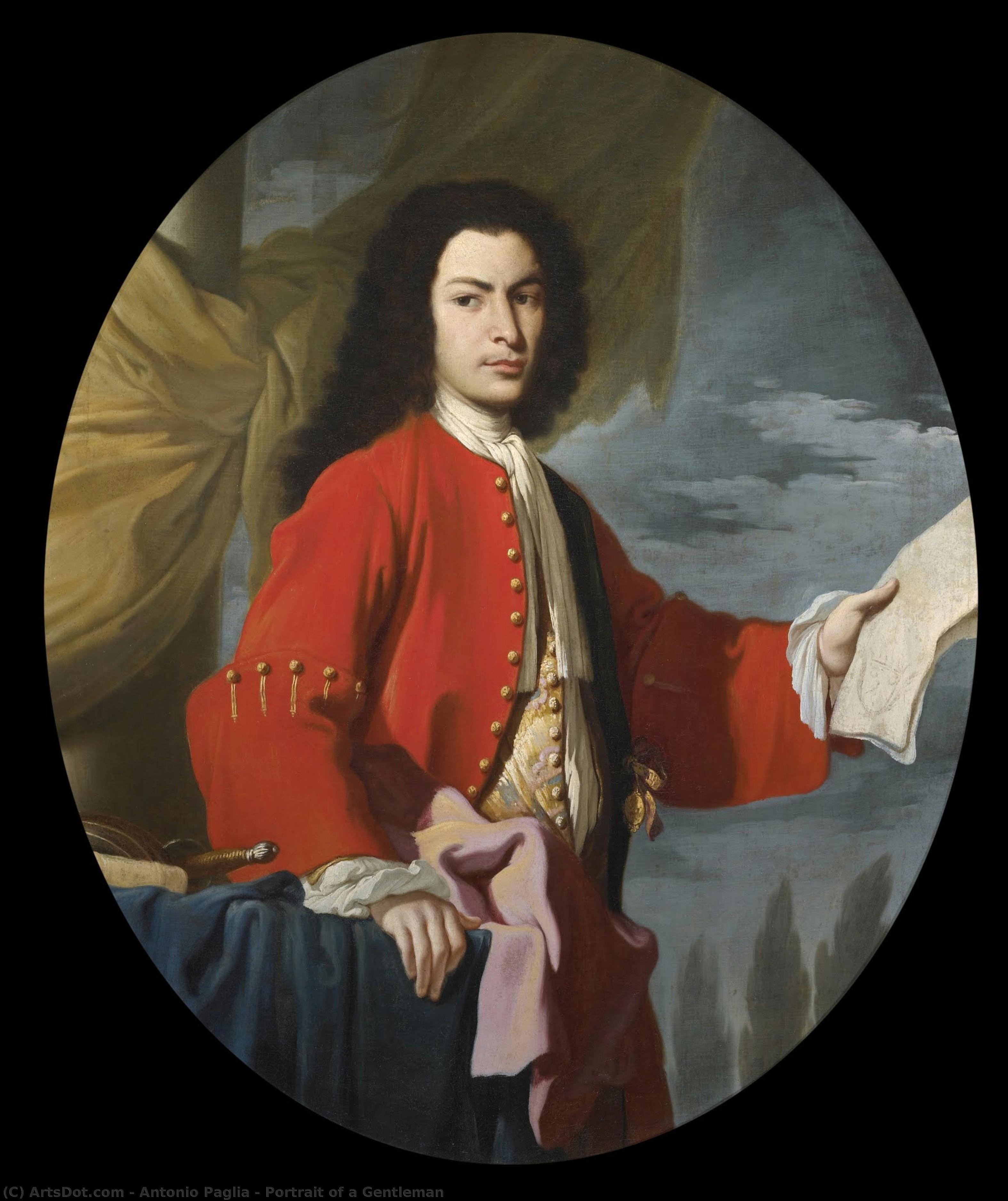
Portrait of a Gentleman

 Weiterlesen
Handgefertigte Ölreproduktion
Handgemaltes Ölgemälde auf Leinwand in Ihrer Wunschgröße und mit Rahmen, auf Bestellung von unseren Künstlern angefertigt. ( Druck bestellen Bild kaufen)




































Wählen Sie aus unseren vordefinierten Formaten, die den ursprünglichen Proportionen des Kunstwerks entsprechen.

Sie können Ihre eigenen Maße eingeben, um einen bestimmten Rahmen oder Platz auszufüllen. Wenn die gewählte Größe nicht den Proportionen des Originalbildes entspricht, werden wir das Kunstwerk entweder beschneiden oder das Gemälde durch zusätzliche, handgemalte Elemente erweitern. Ein digitales Mockup wird Ihnen zur Genehmigung zugesandt, bevor die Produktion beginnt.
Bitte beachten Sie, dass die Bildschirmvorschau nicht die tatsächliche Beschneidung oder Erweiterung widerspiegelt. Nur das Mockup zeigt die endgültige Komposition exakt an.
Obwohl Sondermaße verfügbar sind, empfehlen wir, eine Größe aus der vordefinierten Liste zu wählen, um die ursprünglichen Proportionen beizubehalten.
Nach der Bestellung wird das ArtsDot.com-Team dem Kunden Anweisungen per E-Mail zusenden und eine Mockup-Vorschau bereitstellen.
Weltweiter Versand () in nur 3 bis 4 Wochen statt der üblichen 5 Wochen. (4 September). Keine Kompromisse bei der Qualität.

Kostenloser weltweiter Expressversand

Hochwertige Leinenleinwand

Umfassender Versicherungsschutz beim Versand

Zollgebühren-Rückerstattungsgarantie

Garantie für exakte Farbtreue

60 Tage Rückgaberecht (nur bei Mängeln)

100% Geld-zurück-Garantie

Mengenrabatt verfügbar
 Die Glasoption ist nur für Größen unter 110 cm verfügbar.

Portrait of a Gentleman
Art der Reproduktion
Format der Reproduktion
-


Gesamtpreis
$ 263
Ähnliche Kunstwerke






Über den Künstler
Antonio Paglia: Brescia’s Baroque Visionary
Antonio Paglia (1680 – 1747) occupies a prominent place in the artistic tapestry of Brescia, Italy—a cornerstone of the Baroque era's enduring legacy. Born into a family deeply rooted in artistic tradition, Francesco Paglia, his father, was himself a respected painter, establishing a lineage dedicated to capturing beauty and conveying spiritual fervor through unparalleled technical skill. This familial heritage undoubtedly nurtured Paglia’s formative years, fostering an appreciation for visual storytelling that would permeate the entirety of his oeuvre. Collaborating closely with Angelo Paglia, his brother, solidified their artistic partnership—a synergy that enriched Brescia’s artistic output and cemented their reputation as accomplished artisans within Lombardy's vibrant Baroque milieu. Recognizing the necessity of formal training, Paglia sought guidance from Sebastiano Ricci in Venice (1714), immersing himself in the Venetian style—characterized by luminous color palettes and dynamic compositions—a stylistic choice that profoundly shaped his subsequent artistic endeavors. This Venetian influence is palpable throughout Paglia’s work, particularly evident in the masterful use of light and shadow. Returning to Brescia by 1718, Paglia established a studio where he diligently honed his craft and undertook ambitious projects destined to elevate Brescia's cultural identity. His most celebrated achievement remains the monumental decorative cycle for the parish church of Chiari—a breathtaking undertaking that epitomizes Baroque art’s grandeur and emotional depth. This expansive fresco series, depicting biblical narratives with meticulous detail and vibrant hues, showcases Paglia’s mastery of perspective, chiaroscuro, and color theory; a testament to his unwavering commitment to artistic excellence. The sheer scale of the project demanded considerable planning and execution—a reflection of Paglia's dedication to elevating Brescia’s artistic stature. Beyond Chiari, Paglia produced numerous altarpieces and religious paintings—each imbued with profound spiritual resonance and adorned with intricate ornamentation. His meticulous attention to detail and his ability to evoke emotion through visual imagery solidified his position as one of Brescia’s foremost Baroque artists. He skillfully blended Venetian techniques with Italian artistic sensibilities, creating works that are both aesthetically captivating and intellectually stimulating. Paglia's influence extended beyond his own creations; he served as a mentor to younger artists, fostering the continuation of Brescia’s Baroque tradition. His legacy continues to inspire admiration and scholarly study—a testament to Antonio Paglia’s enduring contribution to Italian art history.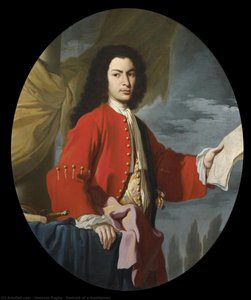
Antonio Paglia
1680 - 1747 , Italien
Kurzinfos
- Artistic Movement Or Style: Barock
- Artists Who Influenced This Artist:
- Francesco Paglia
- Sebastiano Ricci
- Date Of Birth: 1680 Brescia Italien
- Date Of Death: 1747
- Full Name: Antonio Paglia
- Nationality: Italienisch
- Notable Artworks: ['Dekorative Zyklus Chiari Kirche']
- Place Of Birth: Brescia Italien

