 Vorschau anzeigen
 Versenden
 Teilen
 Details anzeigen

 Herunterladen
 Ähnliche Objekte
 Röntgenaufnahme
 Diashow
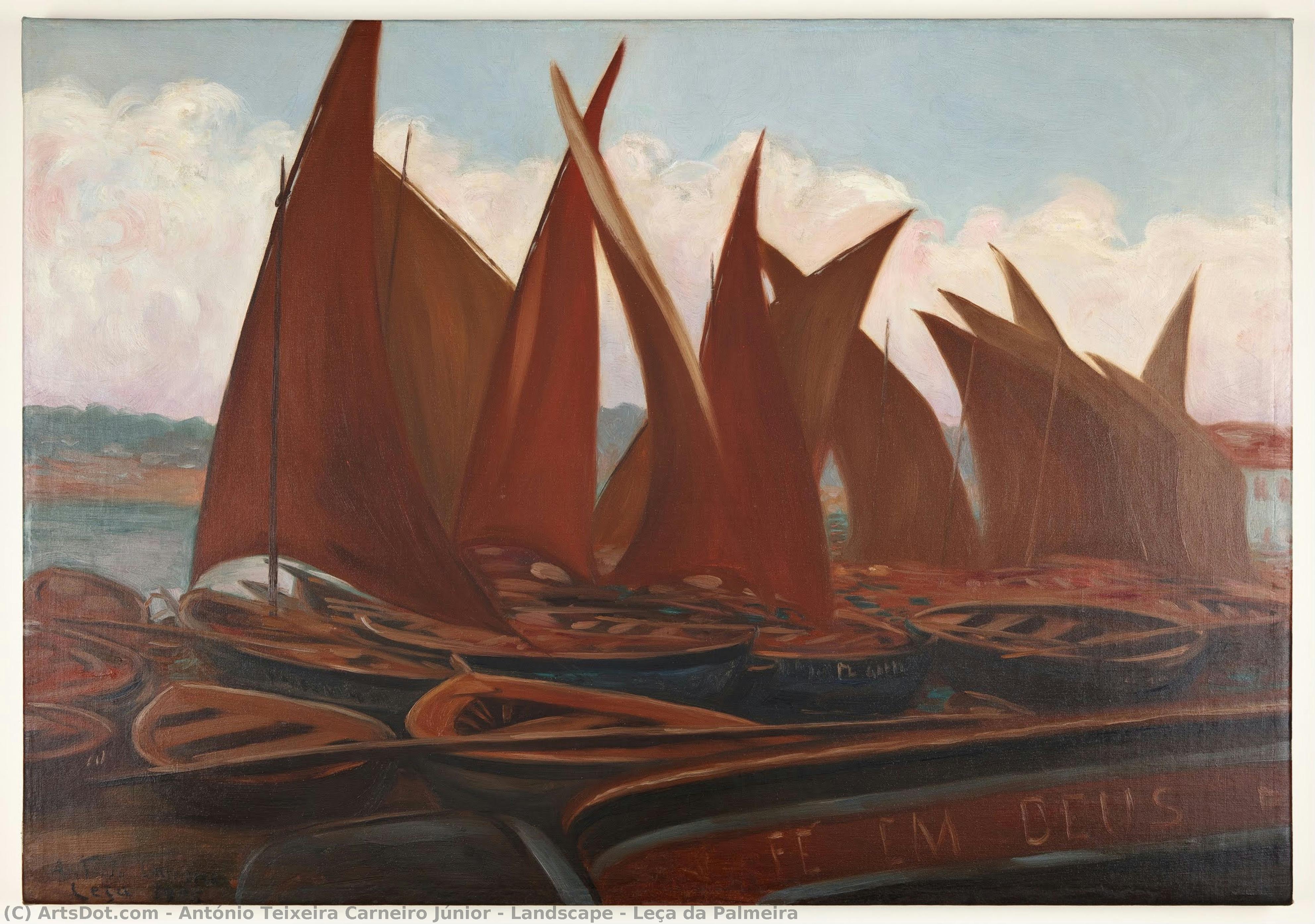
Landscape – Leça da Palmeira
 Oil On Canvas
- WallArt
- Expressionism
 1905
1905- 19th Century
 70.0 x 101.0 cm
 Centro de Arte Moderna Gulbenkian
 Weiterlesen
Handgefertigte Ölreproduktion
Handgemaltes Ölgemälde auf Leinwand in Ihrer Wunschgröße und mit Rahmen, auf Bestellung von unseren Künstlern angefertigt. ( Druck bestellen Bild kaufen)




P118B $10

P118H $10

P118W $10

P438Z $10

P508JH $12

P508YH $12

P805H $10

P805Z $10

P919BZ $10

P919G $10

P919XJ $10

P959ZH $10

P968JZ $12

W106C $8

W218G $10

W218JH $8

W218Y $10

W307PJ $10

W316G $10

W316PJ $8

W316Y $10

W398PJ $8

W4111J $10

W500HY $15

W500JH $15

W692G $12

W849H $8

W940BG $15

W953PJ $8




Wählen Sie aus unseren vordefinierten Formaten, die den ursprünglichen Proportionen des Kunstwerks entsprechen.

Sie können Ihre eigenen Maße eingeben, um einen bestimmten Rahmen oder Platz auszufüllen. Wenn die gewählte Größe nicht den Proportionen des Originalbildes entspricht, werden wir das Kunstwerk entweder beschneiden oder das Gemälde durch zusätzliche, handgemalte Elemente erweitern. Ein digitales Mockup wird Ihnen zur Genehmigung zugesandt, bevor die Produktion beginnt.
Bitte beachten Sie, dass die Bildschirmvorschau nicht die tatsächliche Beschneidung oder Erweiterung widerspiegelt. Nur das Mockup zeigt die endgültige Komposition exakt an.
Obwohl Sondermaße verfügbar sind, empfehlen wir, eine Größe aus der vordefinierten Liste zu wählen, um die ursprünglichen Proportionen beizubehalten.
Nach der Bestellung wird das ArtsDot.com-Team dem Kunden Anweisungen per E-Mail zusenden und eine Mockup-Vorschau bereitstellen.
Weltweiter Versand () in nur 3 bis 4 Wochen statt der üblichen 5 Wochen. (21 August). Keine Kompromisse bei der Qualität.

Kostenloser weltweiter Expressversand

Hochwertige Leinenleinwand

Umfassender Versicherungsschutz beim Versand

Zollgebühren-Rückerstattungsgarantie

Garantie für exakte Farbtreue

60 Tage Rückgaberecht (nur bei Mängeln)

100% Geld-zurück-Garantie

Mengenrabatt verfügbar
 Die Glasoption ist nur für Größen unter 110 cm verfügbar.

Landscape – Leça da Palmeira
Art der Reproduktion
Format der Reproduktion
-


Gesamtpreis
$ 263
Beschreibung des Kunstwerks
A Glimpse of Coastal Life: Unveiling ‘Landscape – Leça da Palmeira’
António Teixeira Carneiro Júnior's “Landscape – Leça da Palmeira,” painted in 1905, isn’t merely a depiction of a harbor scene; it’s a poignant distillation of the Portuguese coast at the dawn of the 20th century. Born into hardship and shaped by an early life within an orphanage, Carneiro channeled his experiences – loss, resilience, and a deep connection to the natural world – into a style that would later be recognized as a cornerstone of Portuguese Expressionism. This particular canvas captures a fleeting moment in Leça da Palmeira, a fishing village near Porto, where the drama of the sea meets the muted tones of a cloudy sky.
The painting immediately draws the eye to the vibrant red sails dominating the composition. These aren’t idealized representations; they're imbued with a sense of urgency and movement, suggesting the tireless labor of the fishermen who call this coastline home. The boats themselves are rendered with loose, expressive brushstrokes – not precise details, but rather an impression of their form and the energy of their journey. The artist masterfully uses atmospheric perspective, softening distant elements and creating a hazy backdrop that emphasizes the immediate presence of the harbor.
Echoes of Impressionism and Portuguese Expressionism
While undeniably influenced by the burgeoning Impressionist movement – particularly in its focus on light and atmosphere – “Landscape – Leça da Palmeira” possesses a distinctly Portuguese sensibility. Carneiro’s use of color is restrained, favoring earthy tones and subtle gradations rather than bold contrasts. This aligns with the broader trends of Portuguese Expressionism, which sought to convey emotional depth and psychological intensity through simplified forms and heightened colors. The painting reflects a desire to capture not just what was seen, but also how it *felt* – the weight of the sea, the quiet dignity of the fishermen, and perhaps even a hint of melancholy.
The historical context is crucial to understanding this work. Portugal in 1905 was undergoing significant social and economic change, grappling with modernization while clinging to its traditions. Carneiro’s art reflects this tension, offering a glimpse into the lives of ordinary people connected to the land and sea – a subject matter that would become increasingly important within Portuguese artistic circles.
Technique and Materials: A Study in Texture
Examining the painting's technique reveals a deliberate layering of oil paints applied with loose, visible brushstrokes. This creates a rich, textured surface—a tactile quality that invites the viewer to linger and explore the details. The artist skillfully manipulates paint to suggest both solidity and fluidity, capturing the movement of water and the billowing fabric of the sails. The canvas itself appears almost sculpted, as if Carneiro built up the forms through repeated applications of color and texture.
The choice of materials – oil paints on a sturdy canvas—contributes to the painting’s longevity and its ability to convey subtle nuances of light and shadow. The slightly rough surface allows for a greater degree of luminosity, enhancing the overall impressionistic effect. It's a testament to the artist's skill that he could achieve such depth and emotion with this relatively simple palette and technique.
Symbolism and Emotional Resonance
Beyond its visual appeal, “Landscape – Leça da Palmeira” carries a quiet symbolism. The boats represent not just transportation but also livelihood, connection to the sea, and the enduring spirit of the Portuguese people. The muted colors evoke a sense of introspection and perhaps even nostalgia—a reflection on the passage of time and the changing nature of coastal communities. Ultimately, this painting is an invitation to contemplate the beauty and complexity of everyday life, rendered with sensitivity and profound artistic vision.
Ähnliche Kunstwerke
Über den Künstler
Leben und künstlerische Entwicklung von António Teixeira Carneiro Júnior
António Teixeira Carneiro Júnior, ein bedeutender portugiesischer Maler, Illustrator, Dichter und Kunstprofessor, wurde am 16. September 1872 in Amarante, Portugal, geboren. Sein Leben war geprägt von frühen Verlusten und Entbehrungen. Nach dem Verlassenwerden durch seinen Vater und dem Tod seiner Mutter fand er im Alter von sieben Jahren Zuflucht im Waisenhaus Santa Casa da Misericórdia in Porto. Dort erhielt er seine erste schulische Bildung und begann, sich für das Zeichnen zu begeistern.
Künstlerische Ausbildung und frühe Einflüsse
- Ausbildung in Porto: Carneiro zeigte frühzeitig Talent und wurde 1884 an der Escola Superior de Belas-Artes do Porto aufgenommen, wo er bei João Marques de Oliveira studierte.
- Pariser Jahre: Ein entscheidender Wendepunkt war sein Aufenthalt in Paris. An der Académie Julien lernte er von Jean-Paul Laurens und Jean-Joseph Benjamin-Constant. Diese Begegnungen hatten einen nachhaltigen Einfluss auf seinen Stil und seine künstlerische Entwicklung.
- Einflüsse: Seine frühen Arbeiten zeigten Einflüsse des Symbolismus und der französischen Malerei des späten 19. Jahrhunderts, doch er entwickelte bald eine eigene, unverwechselbare Ausdrucksweise.
Künstlerischer Stil und Hauptwerke
- Expressionistische Züge: Carneiros Werk ist durch seinen expressionistischen Stil gekennzeichnet. Er konzentrierte sich darauf, die psychologische Tiefe seiner Motive einzufangen und Emotionen auf eindringliche Weise darzustellen.
- Das Triptychon "Das Leben": Ein Meilenstein in seinem Schaffen ist das 1900 mit einer Silbermedaille bei der Weltausstellung in Paris ausgezeichnete Triptychon "Das Leben" (A Vida). Dieses Werk gilt als eines der bedeutendsten Gemälde der portugiesischen Kunstgeschichte.
- Weitere wichtige Werke: Zu seinen weiteren bekannten Werken gehören Landschaftsbilder von Leça da Palmeira, Studien des Kircheninneren von Saint Marie of Victory in Porto und Porträts wie das Profilstudie von Dionísio Pinheiro.
Lehre und Vermächtnis
- Professor in Porto: Ab 1918 war Carneiro als Professor für Zeichnen an der Escola de Belas-Artes do Porto tätig. Er beeinflusste Generationen von Künstlern und trug maßgeblich zur Förderung der Kunst in Portugal bei.
- Beiträge zum kulturellen Leben: Seine Beiträge zu Zeitschriften wie Atlantida und Renascença Portuguesa unterstreichen seine vielseitige künstlerische Persönlichkeit. Er war ein wichtiger Vertreter der portugiesischen Renaissance-Bewegung.
- Nachwirkung: António Teixeira Carneiro Júnior gilt als einer der wichtigsten portugiesischen Künstler des frühen 20. Jahrhunderts und sein Werk hat bis heute einen großen Einfluss auf die Kunstszene in Portugal.
Ausstellungen und Sammlungen
- Werke von António Teixeira Carneiro Júnior sind in bedeutenden Museen und Galerien Portugals ausgestellt, darunter das Centro de Arte Moderna Gulbenkian in Lissabon und das Museu da Fundação Dionísio Pinheiro e Alice Cardoso Pinheiro in Águeda.
- Eine umfassende Sammlung seiner Werke ist auf ArtsDot.com verfügbar, wo man sein Profil und eine große Auswahl an Reproduktionen finden kann.
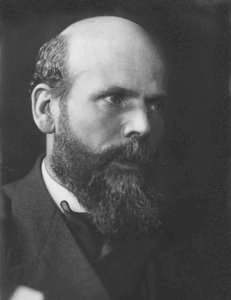
António Teixeira Carneiro Júnior
1872 - 1930 , Portugal
Kurzinfos
- Bemerkenswerte Kunstwerke:
- Landschaft – Leça da Palmeira
- Studie der Kirche von Victory
- Dionísio Pinheiro Profilstudie
- Das Leben (Triptychon)
- Geburtsdatum: 1872
- Geburtsort (Stadt, Land): Amarante, Portugal
- Künstler, Die Diesen Künstler Beeinflussten:
- João Marques de Oliveira
- Jean-Paul Laurens
- Benjamin-Constant
- Künstlerische Bewegung/Stil: Expressionismus
- Nationalität: Portugiesisch
- Sterbedatum: 1930
- Vollständiger Name: António Teixeira Carneiro Júnior
Ähnliche Artikel

Die schönsten Landschaftsbilder: 10 Meisterwerke für Ihr Zuhause | ArtsDot.com
Entdecken Sie die 10 schönsten Landschaftsbilder der Kunstgeschichte! Von Monet bis Van Gogh – erfahren Sie die Geschichten hinter Meisterwerken & finden Sie Inspiration für Ihr Zuhause. Hochwertige Kunstdrucke auf ArtsDot.com.

Romantische Landschaften: Die 10 Meisterwerke, die eine Epoche prägten | ArtsDot
Entdecken Sie die 10 Meisterwerke der Romantischen Landschaftsmalerei! Von Caspar David Friedrich bis Turner – erleben Sie die Kunst, Emotion & Natur. Hochwertige Reproduktionen auf ArtsDot.com

Evocations of Place: A Historical Journey Through Landscape Art
Explore the rich history of landscape art with ArtsDot. Discover renowned artists, movements like Impressionism & Romanticism, and expert guidance for collecting timeless pieces. Find your perfect serene escape today!

John Constable: Die 25 Meisterwerke des englischen Landschaftsgenies – ArtsDot
Entdecken Sie die 25 Meisterwerke von John Constable! Erleben Sie englische Landschaftsmalerei vom Hay Wain bis zur Stour Valley. Hochwertige Reproduktionen & Kunst für Ihr Zuhause auf ArtsDot.com.
Evocations of Place: A Historical Journey Through Landscape Art
Explore the rich history of landscape art with ArtsDot. Discover renowned artists, movements like Impressionism & tonalism, and expert guidance for collecting timeless pieces. Find your perfect serene escape today!