

 Vorschau anzeigen
 Versenden
 Teilen
 Details anzeigen

 Herunterladen
 Ähnliche Objekte
 Röntgenaufnahme
 Diashow
 Stats
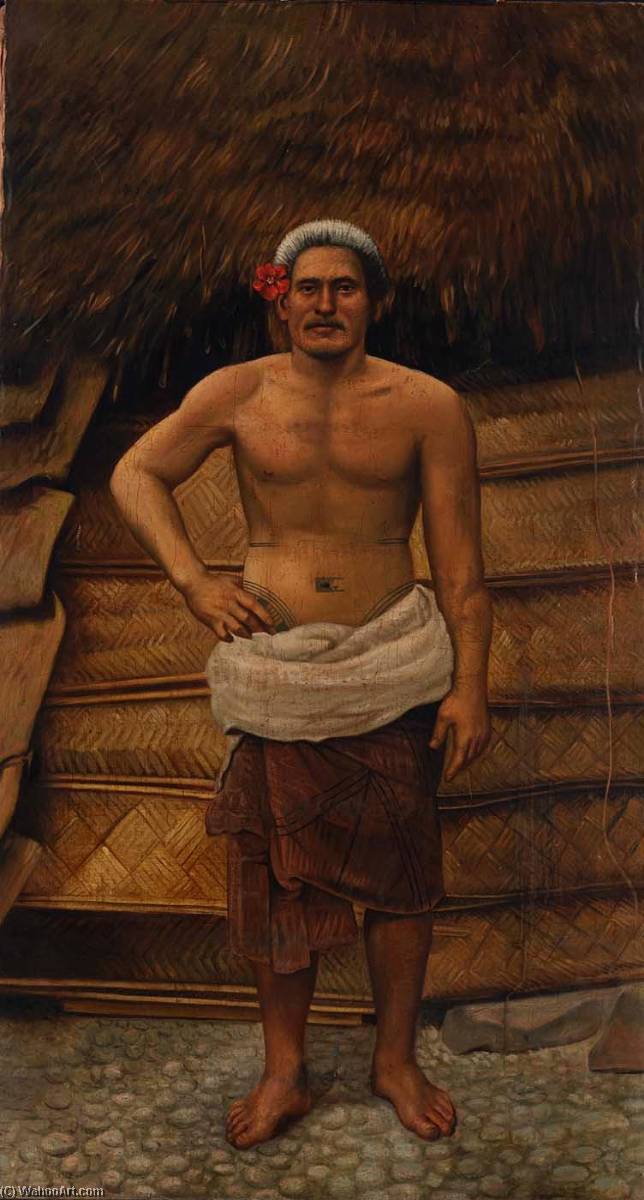
StatsSamoan Man
 1899
1899 147.0 x 78.0 cm
 Weiterlesen
Erwerben Sie ein hochauflösendes, optimiertes digitales Bild, das der Online-Vorschau weit überlegen ist.
Jede Datei wird von unseren hauseigenen Spezialisten mit modernsten Werkzeugen und fachmännischer manueller Retusche sorgfältig vorbereitet. Wir stellen sicher, dass jedes Bild eine außergewöhnliche Klarheit, präzise Farbgenauigkeit und feinste Details aufweist.
Die endgültige Datei wird innerhalb von 72 Stunden per E-Mail zugestellt und ist für den sofortigen Einsatz in professionellen, redaktionellen und Druckumgebungen optimiert. Es handelt sich um dieselbe Qualität, der führende Designstudios, Verlage und Galerien vertrauen.
Digitales Bild
Laden Sie eine hochauflösende Datei für die persönliche Präsentation, den Druck und kreative Projekte herunter. ( Switch to Print Handgemalte Reproduktion bestellen)
In jeder Bestellung digitaler Bilder enthalten
Professionelle digitale Bereitstellung, garantiert
Wenn Sie sich für ArtsDot.com entscheiden, erhalten Sie nicht nur ein Bild – Sie erhalten ein professionell aufbereitetes digitales Kunstwerk, das mit höchster Präzision erstellt und durch eine Zufriedenheitsgarantie abgesichert wird. Hier ist alles, was automatisch mit Ihrer Bestellung geliefert wird:

Schnelle E-Mail-Zustellung
Ihre hochauflösende digitale Bilddatei wird Ihnen innerhalb von 72 Stunden nach der Bestellung per E-Mail zugestellt – bereit zur sofortigen Verwendung.

KI-optimierte digitale Datei
Ihre Kunstwerke werden professionell mithilfe fortschrittlicher KI-Tools und manueller Bearbeitung optimiert, um maximale Detailtreue, Klarheit und Farbgenauigkeit zu gewährleisten.

Lebenslanger kostenloser Neudruckservice
Datei versehentlich gelöscht oder verloren? Keine Sorge – wir senden sie Ihnen jederzeit kostenlos erneut zu.

Keine Einfuhrgebühren – jemals
Genießen Sie Ihr Kunstwerk sofort ohne Zollgebühren, Einfuhrabgaben oder Versandkosten – digitale Downloads sind immer steuerfrei.

Garantierte Farbtreue
Wir garantieren, dass Ihr digitales Bild mithilfe professioneller Werkzeuge und Farbmanagement die Originalfarben so präzise wie möglich wiedergibt.

100-Tage-Zufriedenheitsgarantie
Wenn Sie mit Ihrem digitalen Bild nicht zufrieden sind, werden wir es überarbeiten oder 100% innerhalb von 100 Tagen erstatten – ohne Wenn und Aber.

100% Geld-zurück-Garantie
Nicht zufrieden? Erhalten Sie innerhalb von 100 Tagen nach Erhalt Ihrer digitalen Datei eine vollständige Rückerstattung – ohne Wenn und Aber.

Rabatte bei Großbestellungen
3 Bilder kaufen, 10% sparen – 5 Bilder kaufen, 15% sparen – Ab 10 Bildern 20% sparen. Ideal für kreative Projekte, Galerien und Agenturen.
A Glimpse into the Artist's Life
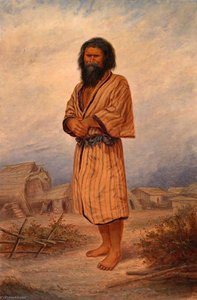
Antonion Zeno Shindler was a Bulgarian-born American photographer and painter, known for his remarkable portraits of people from various cultures. His work is characterized by attention to detail and a deep understanding of his subjects. The Samoan Man is one of his notable works, showcasing the artist's ability to capture the dignity and pride of his subject.The Painting's Significance
The Samoan Man is more than just a portrait; it is a representation of the cultural exchange and understanding that Antonion Zeno Shindler aimed to promote through his art. The painting is a testament to the artist's fascination with different cultures and his ability to capture their essence on canvas.- The subject's pose and expression convey a sense of confidence and pride, highlighting the importance of cultural identity.
- The use of colors and lighting creates a sense of depth and dimension, drawing the viewer into the painting.
- The attention to detail in the subject's attire and accessories adds to the overall authenticity of the portrait.
Handmade oil painting reproductions of the Samoan Man are available on https://ArtsDot.com, allowing art enthusiasts to own a piece of history. These reproductions are created by talented artists who carefully study the original painting and recreate it with precision and attention to detail.
For more information on Antonion Zeno Shindler and his works, visit https://en.wikipedia.org/wiki/Antonio_Zeno_Shindler. To explore more artworks and handmade oil painting reproductions, visit /art/list/?Filter=AQTUQB-Antonion-Zeno-Shindler-Samoan-Man.
Ähnliche Kunstwerke






Biografie des Künstlers
A Pioneer of Ethnographic Portraiture: Antonion Zeno Schindler
Antonion Zeno Schindler (1823-1899), though perhaps less celebrated than some of his contemporaries, occupies a unique and vital position in the history of 19th-century art. His remarkable series of portraits, primarily depicting peoples from the Pacific Islands – Samoa, Melanesia, and beyond – offer an invaluable visual record of cultures undergoing profound change during a period of increased European exploration and colonization. Schindler wasn’t merely documenting faces; he was capturing worlds, preserving fleeting glimpses of traditions and individual dignity in the face of encroaching modernity. Born into a time of burgeoning scientific curiosity and imperial ambition, Schindler's life remains somewhat shrouded in mystery, with detailed biographical information scarce. However, his artistic output speaks volumes, revealing a keen observational eye, technical mastery, and a surprisingly sensitive approach to his subjects. He worked primarily as an itinerant portraitist, traveling extensively throughout the Pacific region, establishing temporary studios wherever he could find patronage – often among colonial administrators, traders, and missionaries. This unusual working method allowed him access to individuals who might otherwise have remained outside the purview of formal artistic representation.The Artistic Journey: From Technique to Cultural Sensitivity
Schindler’s early training is undocumented, but his paintings demonstrate a solid grounding in academic realism, reminiscent of artists like Ingres and Delaroche. His initial works reveal a meticulous attention to detail – the precise rendering of fabrics, ornaments, and facial features. However, what distinguishes Schindler from many of his contemporaries is his departure from purely objective representation. While he adhered to established portrait conventions, he infused his paintings with a sense of psychological depth and respect for his sitters. He wasn’t interested in exoticizing or caricaturing; instead, he sought to portray individuals as unique personalities, imbued with intelligence, dignity, and cultural pride. This approach was particularly evident in his depictions of traditional attire and body ornamentation. Schindler painstakingly reproduced the intricate designs of *tatau* (Samoan tattooing), elaborate feather headdresses, and complex shell necklaces, recognizing their significance as markers of identity and social status. His palette, while generally restrained, often incorporated vibrant colors derived from natural pigments, further enhancing the authenticity and visual impact of his portraits. Over time, Schindler’s style evolved, becoming less rigid and more fluid, reflecting a growing empathy for the cultures he encountered.Capturing Vanishing Worlds: Subjects and Themes
The vast majority of Schindler's surviving works are portraits – head-and-shoulders studies or half-length figures against neutral backgrounds. His subjects were diverse, ranging from high-ranking chiefs and warriors to women engaged in everyday activities. He frequently depicted individuals wearing traditional clothing and ornaments, providing a rich visual archive of Pacific Island cultures. Beyond the purely representational, Schindler’s portraits often convey subtle narratives about power, status, and social relationships. The way a subject holds themselves, their gaze, or the specific adornments they wear can offer clues to their position within their community. He also painted several group portraits, depicting families or individuals engaged in ceremonial practices, providing valuable insights into communal life. A recurring theme in Schindler’s work is the impact of European contact on Pacific Island societies. While he rarely explicitly depicted scenes of conflict or colonization, his portraits often hint at a sense of loss and displacement – a subtle melancholy that underscores the fragility of traditional ways of life. The presence of Western clothing or objects in some portraits can be interpreted as evidence of cultural exchange, but also as a symbol of encroaching influence.Legacy and Historical Significance
Antonion Zeno Schindler’s work represents a unique intersection of art, anthropology, and colonial history. His paintings are not simply beautiful representations of Pacific Island peoples; they are invaluable historical documents that offer a glimpse into cultures undergoing rapid transformation. While his artistic output was largely overlooked during his lifetime, his portraits have gained increasing recognition in recent decades as scholars and curators reassess the role of visual representation in shaping our understanding of the past. His work challenges conventional narratives about colonialism, offering a more nuanced and empathetic perspective on the encounters between European explorers and Pacific Island societies. Schindler’s legacy lies in his ability to capture the individual dignity and cultural pride of his sitters, preserving their likenesses for future generations. Today, his paintings are held in major museums and private collections around the world, serving as a testament to his artistic skill and historical importance. His work continues to inspire artists and scholars alike, prompting critical reflection on the ethics of representation and the complexities of cultural exchange. He stands as a poignant reminder that art can be both a product of its time and a powerful force for preserving memory and promoting understanding.Further Research & Notable Collections
- ArtsDot maintains an extensive online collection of Schindler’s portraits, offering high-resolution images and detailed provenance information.
- The Bishop Museum in Honolulu holds a significant number of Schindler's works, providing valuable context for understanding his artistic practice within the broader history of Pacific Island cultures.
- Private collections across Europe and North America also contain important examples of Schindler’s portraits. Researching auction records and art dealer inventories can reveal additional information about specific paintings and their provenance.
- Scholarly articles on ethnographic portraiture and the history of Pacific Island art often feature discussions of Schindler's work, providing valuable insights into his artistic techniques and historical significance.
antonion zeno shindler
1823 - 1899
Kurzinfos
- Artistic Movement Or Style: Ethnographic painting
- Artists Who Influenced This Artist: ['William Henry Blackmore']
- Date Of Birth: c. 1823
- Date Of Death: August 8, 1899
- Full Name: Antonio Zeno Shindler
- Nationality: American
- Notable Artworks:
- Japanese Man
- Siamese Man
- Malagasy Woman
- Place Of Birth: Bulgaria