

 Vorschau anzeigen
 Versenden
 Teilen
 Details anzeigen

 Herunterladen
 Ähnliche Objekte
 Röntgenaufnahme
 Diashow
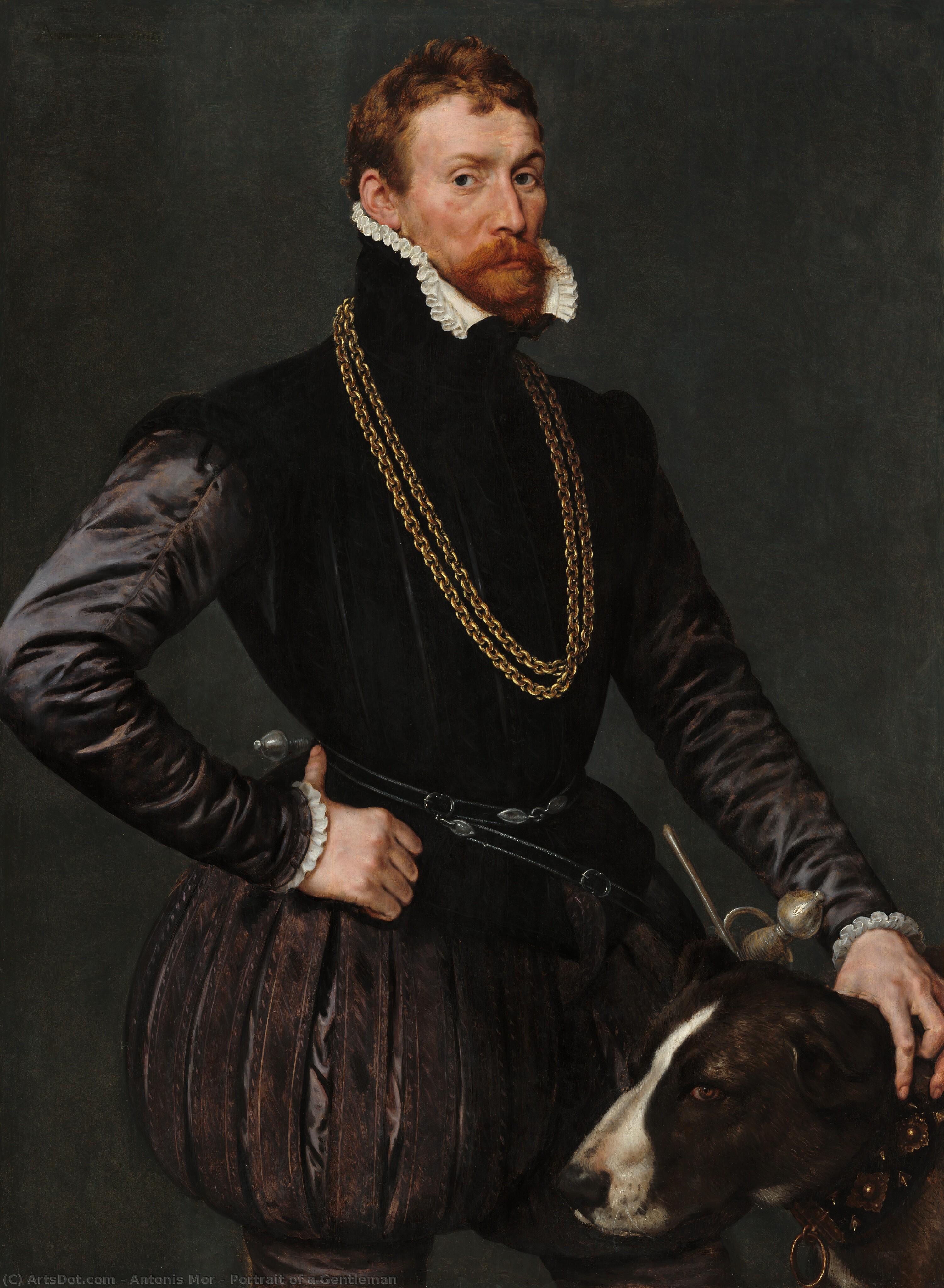
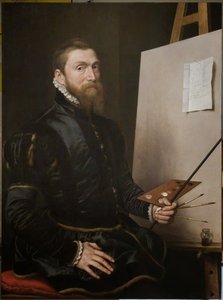
Portrait of a Gentleman
 1569
1569 120.0 x 88.0 cm
 Weiterlesen
Giclée / Kunstdruck
Giclée- oder Leinwanddruck in Museumsqualität mit schneller Produktion und flexiblen Veredelungsoptionen. ( Handgemalte Reproduktion bestellen Bild kaufen)




































Wählen Sie aus unseren vordefinierten Formaten, die den ursprünglichen Proportionen des Kunstwerks entsprechen.

Sie können Ihre eigenen Maße eingeben, um ein bestimmtes Format oder einen speziellen Platz einzupassen. Wenn das von Ihnen gewählte Format nicht den Proportionen des Originalbildes entspricht, werden wir das Kunstwerk entweder beschneiden oder das Bild mit einem gespiegelten oder einfarbigen Rand erweitern. Ein digitaler Entwurf wird Ihnen zur Genehmigung zugesandt, bevor die Produktion beginnt.
Bitte beachten Sie, dass die Vorschau auf dem Bildschirm nicht den tatsächlichen Zuschnitt oder die Erweiterung widerspiegelt. Nur der Entwurf zeigt die endgültige Komposition präzise an.
Obwohl Sondermaße verfügbar sind, empfehlen wir die Auswahl eines Maßes aus der vordefinierten Liste, um die ursprünglichen Proportionen zu bewahren.
Weltweiter Versand () innerhalb von 2 Wochen statt der üblichen 4/5 Wochen. (6 September)

Kostenloser weltweiter Expressversand

Hochwertige Leinenleinwand

Umfassender Versicherungsschutz beim Versand

Zollgebühren-Rückerstattungsgarantie

Garantie für exakte Farbtreue

60 Tage Rückgaberecht (nur bei Mängeln)

100% Geld-zurück-Garantie

Mengenrabatt verfügbar
 Die Glasoption ist nur für Größen unter 110 cm verfügbar.

Portrait of a Gentleman
Giclée / Kunstdruck
Format der Reproduktion
-


Gesamtpreis
$ 62
Ähnliche Kunstwerke







Über den Künstler
The Silent Master of Tudor Portraiture
In the grand, sweeping tapestry of the sixteenth century, few painters captured the quiet gravity of power as effectively as Antonis Mor. A Netherlandish master whose brush danced between the meticulous precision of his Northern roots and the luminous warmth of the Italian Renaissance, Mor became the definitive portraitist for the most influential courts in Europe. To look upon a Mor portrait is to encounter more than just a likeness; it is to meet a subject frozen in a moment of profound, self-possessed dignity. Whether painting the high nobility of the Habsburgs or the burgeoning Tudor court, he possessed an uncanny ability to render the physical splendor of silk and gold while simultaneously unveiling the psychological depth of the sitter.
Born in Utrecht around 1517, Mor’s early years were shaped by the intellectual and artistic ferment of the Low Countries. His formative training under Jan van Scorel provided him with a vital foundation, introducing him to the burgeoning influence of Italian ideals that were beginning to reshape Northern Europe. This mentorship was transformative, instilling in him a reverence for the structural clarity of the Renaissance. However, it was Mor’s subsequent journey through Italy that truly ignited his genius. By immersing himself in the atmosphere of Venice, he absorbed the essence of colorito—the Venetian technique of prioritizing vibrant pigment and rich, textural layers. This synthesis of Northern detail and Venetian light would become the hallmark of his mature style, allowing him to paint textures so lifelike they seemed to pulse with life.
A Legacy Written in Gold and Shadow
As Mor moved through the artistic hubs of Europe, most notably Antwerp, his reputation as a premier court painter grew exponentially. His arrival in Antwerp in 1547 marked a period of immense professional triumph, where he secured membership in the prestigious Guild of St. Luke and caught the eye of powerful figures like Cardinal Granvelle. This connection to the highest echelons of political power propelled him into the orbit of the Tudor monarchy during the reign of Elizabeth I. His work during this era is characterized by a remarkable formal consistency; he often utilized half-length poses, subtly turned, which allowed for an understated elegance that avoided the pitfalls of flamboyant ornamentation.
The brilliance of Mor’s technique lies in his masterful command of contrast and detail. He had a particular gift for rendering the heavy weight of velvet, the sharp glint of jewelry, and the intricate patterns of lace, yet he never allowed these material riches to overshadow the human element. His portraits are celebrated for their psychological penetration, particularly in his depictions of men, where he could convey a sense of commanding presence through nothing more than a subtle tilt of the head or the intensity of a gaze. This ability to balance formal precision with emotional resonance ensured that his subjects appeared not merely as icons of status, but as living, breathing individuals of immense character.
The historical significance of Antonis Mor extends far beyond the borders of the Netherlands or England. His refined, formal style for court portraiture became a blueprint for painters across the continent. Most notably, his influence traveled south to the Iberian Peninsula, where his approach laid the groundwork for a tradition of Spanish portraiture that would eventually culminate in the hands of Diego Velázquez. Through his ability to marry the tactile reality of the North with the atmospheric grace of the South, Mor left an indelible mark on the history of Western art, ensuring his place as a silent but powerful architect of the European visual identity.
Kurzinfos
- Artistic Movement Or Style: High Renaissance
- Artists Or Movements Influenced By This Artist: ['Titian']
- Artists Who Influenced This Artist: ['Jan van Scorel']
- Date Of Birth: c. 1517
- Date Of Death: 1577
- Full Name: Antonis Mor van Dashorst
- Nationality: Netherlandish
- Notable Artworks:
- Portrait of a Man
- George, 5th Lord Seton, and Family (after Frans Pourbus the Elder)
- Jan van Scorel
- Place Of Birth: Utrecht, Netherlands

