

 Vorschau anzeigen
 Versenden
 Teilen
 Details anzeigen

 Herunterladen
 Ähnliche Objekte
 Röntgenaufnahme
 Diashow
 Statistiken
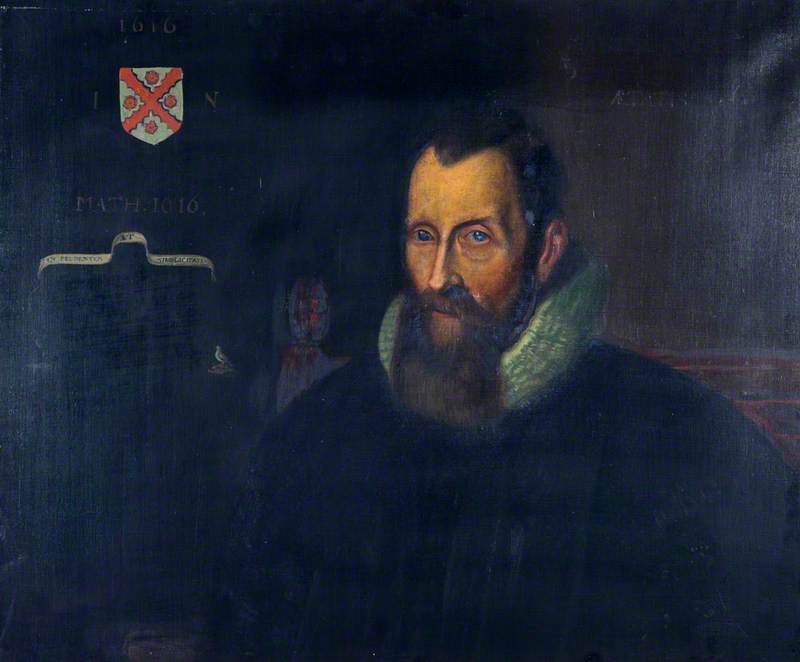
John Napier of Merchiston (1550–1617), Discoverer of Logarithms
 Neoclassicism
 64.0 x 77.0 cm
 Weiterlesen
Giclée / Kunstdruck
Giclée- oder Leinwanddruck in Museumsqualität mit schneller Produktion und flexiblen Veredelungsoptionen. ( Handgemalte Reproduktion bestellen Zum digitalen Bild wechseln)




































Wählen Sie aus unseren vordefinierten Formaten, die den ursprünglichen Proportionen des Kunstwerks entsprechen.

Sie können Ihre eigenen Maße eingeben, um ein bestimmtes Format oder einen speziellen Platz einzupassen. Wenn das von Ihnen gewählte Format nicht den Proportionen des Originalbildes entspricht, werden wir das Kunstwerk entweder beschneiden oder das Bild mit einem gespiegelten oder einfarbigen Rand erweitern. Ein digitaler Entwurf wird Ihnen zur Genehmigung zugesandt, bevor die Produktion beginnt.
Bitte beachten Sie, dass die Vorschau auf dem Bildschirm nicht den tatsächlichen Zuschnitt oder die Erweiterung widerspiegelt. Nur der Entwurf zeigt die endgültige Komposition präzise an.
Obwohl Sondermaße verfügbar sind, empfehlen wir die Auswahl eines Maßes aus der vordefinierten Liste, um die ursprünglichen Proportionen zu bewahren.
Weltweiter Versand () innerhalb von 2 Wochen statt der üblichen 4/5 Wochen. (9 September)

Kostenloser weltweiter Expressversand

Hochwertige Leinenleinwand

Umfassender Versicherungsschutz beim Versand

Zollgebühren-Rückerstattungsgarantie

Garantie für exakte Farbtreue

100-Tage-Rückgaberecht (nur bei Mängeln)

100% Geld-zurück-Garantie

Mengenrabatt verfügbar
 Die Glasoption ist nur für Größen unter 110 cm verfügbar.

John Napier of Merchiston (1550–1617), Discoverer of Logarithms
Giclée / Kunstdruck
Format der Reproduktion
-


Gesamtpreis
$ 62
Ähnliche Kunstwerke
Über den Künstler
Archibald A. McGlashan (1888–1980): Echoes of Glasgow’s Artistic Soul
Archibald A. McGlashan, born in Glasgow in 1888, stands as a quietly influential figure within Scottish art history—a painter whose meticulous observation and understated elegance captured the spirit of his time and cemented his place amongst the ranks of the Royal Scottish Academy (RSA). Unlike many artists of his era who sought fame or grand narratives, McGlashan dedicated himself to portraying the everyday beauty of Glasgow and its surroundings with remarkable sensitivity.- Early Life & Education: McGlashan’s formative years were spent in a family steeped in artistic tradition. His father was a sculptor, fostering an appreciation for form and materiality that would profoundly shape his own artistic practice. He studied at the Glasgow School of Art under William Cruikshank Sr., honing skills in watercolour and oil painting—techniques he would consistently employ throughout his prolific career.
- Glasgow Art Club Membership & Artistic Style: Joining the Glasgow Art Club in 1908 marked a pivotal moment, establishing him within a vibrant artistic community. McGlashan’s style evolved over time, initially influenced by Impressionism and Japonisme—particularly evident in his early landscapes infused with dappled light and delicate colour palettes. However, he steadily developed a distinctive approach characterized by precise draughtsmanship combined with subtle tonal gradations, creating images imbued with atmospheric depth.
Notable Works & Recurring Themes
McGlashan’s oeuvre comprises hundreds of paintings—primarily landscapes and portraits—that reveal a preoccupation with capturing fleeting moments of beauty. His celebrated canvases depict scenes from Glasgow's urban sprawl, showcasing the grandeur of St Enoch Square and the serene charm of Kelvingrove Park. Yet, it was his portraiture that garnered particular acclaim. He possessed an uncanny ability to convey character and emotion through subtle gestures and expressions—capturing not just likeness but also inner life. Recurring themes included depictions of Scottish Highland scenery, intimate domestic interiors, and portraits of prominent Glasgow citizens—reflecting a deep engagement with the cultural landscape of his era.- Landscapes: McGlashan’s landscapes are distinguished by their meticulous detail and atmospheric realism. He meticulously rendered textures – from heather-covered hillsides to cobblestone streets – conveying a palpable sense of place.
- Portraits: His portraits were notable for capturing psychological nuance, portraying subjects with empathy and sensitivity. McGlashan’s masterful use of light and shadow enhanced the expressive power of his images.
Influence & Legacy
McGlashan's artistic vision resonated deeply within Glasgow’s artistic milieu—particularly amongst fellow RSA artists who admired his unwavering commitment to craftmanship. He served as an inspiring mentor to younger painters, fostering a tradition of understated elegance and observational accuracy. Although he remained largely unrecognized during his lifetime, McGlashan’s paintings continue to be appreciated for their quiet beauty and profound insight into the human condition—a testament to the enduring power of art rooted in careful observation and genuine emotion.Recognition & Continued Appreciation
Today, Archibald A. McGlashan's work resides primarily within private collections and institutions across Scotland. His paintings are frequently exhibited at Glasgow Art Club and contribute significantly to the broader narrative of Scottish art history—a reminder that artistic excellence can flourish quietly, leaving an indelible mark on subsequent generations.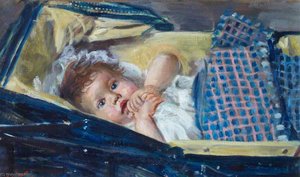
archibald a mcglashan
1888 - 1980
Kurzinfos
- Artistic Movement Or Style: Scottish Colourist
- Artists Or Movements Influenced By This Artist: ['Glasgow School']
- Artists Who Influenced This Artist:
- William Nicholson
- George Henderson
- Date Of Birth: 1888
- Date Of Death: 1980
- Full Name: Archibald A. McGlashan
- Nationality: British
- Notable Artworks:
- The Old Mill
- The Weaver's Cottage
- Place Of Birth: Glasgow, Scotland
Ähnliche Artikel

John Constable: Die 25 Meisterwerke des englischen Landschaftsgenies – ArtsDot
Entdecken Sie die 25 Meisterwerke von John Constable! Erleben Sie englische Landschaftsmalerei vom Hay Wain bis zur Stour Valley. Hochwertige Reproduktionen & Kunst für Ihr Zuhause auf ArtsDot.com.

Öl auf Leinwand: Eine historische und technische Erkundung eines zeitlosen künstlerischen Mediums
Entdecken Sie die faszinierende Welt der Ölmalerei! Von historischen Techniken bis zur modernen Anwendung – wir bieten Expertenwissen, Restaurierungstipps und hochwertige Reproduktionen. Jetzt informieren!

The Enduring Power of Painting: A Historical & Contemporary Exploration of Form and Emotion
Explore the rich history & enduring techniques of oil painting with ArtsDot. Discover masterpieces, learn about art collecting, and find authentic handmade reproductions crafted by skilled artists.

John Singer Sargent: Die 25 Meisterwerke des Porträts – Kunst für Ihr Zuhause | ArtsDot
Entdecken Sie die 25 Meisterwerke von John Singer Sargent! Tauchen Sie ein in die Welt der Porträtmalerei, des Impressionismus & der Belle Époque. Hochwertige Kunstdrucke & Reproduktionen für Ihr Zuhause – jetzt auf ArtsDot.com!

The Enduring Legacy of Oil on Canvas: Technique, History & Aesthetic Impact
Explore the rich history & techniques of oil painting – from Renaissance masters to Impressionism. Discover pigments, layering methods, and why this timeless medium endures. Expert insights for artists & art enthusiasts.