

![View Up Wall Street With City Hall [federal Hall] And Trinity Church, New York City — Archibald Robertson](/media/artworks/images-full/30/05/3005fe6014b929a7643f235d83e9fc91.jpg)
 Vorschau anzeigen
 Versenden
 Teilen
 Details anzeigen

 Herunterladen
 Ähnliche Objekte
 Röntgenaufnahme
 Diashow
View up Wall Street with City Hall [Federal Hall] and Trinity Church, New York City
 1798
1798 21.0 x 28.0 cm
 Weiterlesen
Erwerben Sie ein hochauflösendes, optimiertes digitales Bild, das der Online-Vorschau weit überlegen ist.
Jede Datei wird von unseren hauseigenen Spezialisten mit modernsten Werkzeugen und fachmännischer manueller Retusche sorgfältig vorbereitet. Wir stellen sicher, dass jedes Bild eine außergewöhnliche Klarheit, präzise Farbgenauigkeit und feinste Details aufweist.
Die endgültige Datei wird innerhalb von 72 Stunden per E-Mail zugestellt und ist für den sofortigen Einsatz in professionellen, redaktionellen und Druckumgebungen optimiert. Es handelt sich um dieselbe Qualität, der führende Designstudios, Verlage und Galerien vertrauen.
Digitales Bild
Laden Sie eine hochauflösende Datei für die persönliche Präsentation, den Druck und kreative Projekte herunter. ( Druck bestellen Handgemalte Reproduktion bestellen)
In jeder Bestellung digitaler Bilder enthalten
Professionelle digitale Bereitstellung, garantiert
Wenn Sie sich für ArtsDot.com entscheiden, erhalten Sie nicht nur ein Bild – Sie erhalten ein professionell aufbereitetes digitales Kunstwerk, das mit höchster Präzision erstellt und durch eine Zufriedenheitsgarantie abgesichert wird. Hier ist alles, was automatisch mit Ihrer Bestellung geliefert wird:

Schnelle E-Mail-Zustellung
Ihre hochauflösende digitale Bilddatei wird Ihnen innerhalb von 72 Stunden nach der Bestellung per E-Mail zugestellt – bereit zur sofortigen Verwendung.

KI-optimierte digitale Datei
Ihre Kunstwerke werden professionell mithilfe fortschrittlicher KI-Tools und manueller Bearbeitung optimiert, um maximale Detailtreue, Klarheit und Farbgenauigkeit zu gewährleisten.

Lebenslanger kostenloser Neudruckservice
Datei versehentlich gelöscht oder verloren? Keine Sorge – wir senden sie Ihnen jederzeit kostenlos erneut zu.

Keine Einfuhrgebühren – jemals
Genießen Sie Ihr Kunstwerk sofort ohne Zollgebühren, Einfuhrabgaben oder Versandkosten – digitale Downloads sind immer steuerfrei.

Garantierte Farbtreue
Wir garantieren, dass Ihr digitales Bild mithilfe professioneller Werkzeuge und Farbmanagement die Originalfarben so präzise wie möglich wiedergibt.

60-Tage-Zufriedenheitsgarantie
Sollten Sie mit Ihrem digitalen Bild nicht zufrieden sein, werden wir es überarbeiten oder Ihnen innerhalb von 60 Tagen 100% erstatten – ohne Wenn und Aber.

100% Geld-zurück-Garantie
Nicht zufrieden? Erhalten Sie innerhalb von 60 Tagen nach Erhalt Ihrer digitalen Datei eine vollständige Rückerstattung – ohne Angabe von Gründen.

Rabatte bei Großbestellungen
3 Bilder kaufen, 10% sparen – 5 Bilder kaufen, 15% sparen – Ab 10 Bildern 20% sparen. Ideal für kreative Projekte, Galerien und Agenturen.
Ähnliche Kunstwerke


Biografie des Künstlers
Archibald Robertson (1765 – 1835): A Pioneer of Scottish Miniature Portraiture
Archibald Robertson, born in Edinburgh in 1765, stands as a pivotal figure in the history of Scottish art and particularly renowned for his exquisite miniature portraits. Though overshadowed by more celebrated contemporaries like Benjamin West, Robertson’s meticulous craftsmanship and stylistic innovations cemented his place as one of Scotland's foremost artists of the late Enlightenment era. His legacy continues to inspire admiration for its understated elegance and profound psychological insight.Early Life and Training
Robertson’s formative years were spent in a household steeped in artistic tradition. His father, Robert Robertson Sr., was a sculptor and architect, fostering an environment where artistic pursuits were nurtured from childhood. This familial influence undoubtedly instilled within Archibald a deep appreciation for visual art and propelled him toward formal training. He studied under John Ramsay at the Edinburgh Academy of Art, absorbing the prevailing neoclassical style prevalent during his time – characterized by precise draughtsmanship and idealized representations of human form. Ramsay’s teachings emphasized classical principles of composition and anatomical accuracy, shaping Robertson's artistic sensibilities profoundly.The Rise of Miniature Portraiture
Robertson swiftly established himself as a prolific miniature portraitist, capitalizing on the burgeoning demand for intimate portraits amongst the Scottish aristocracy. Unlike grand canvases that proclaimed wealth and status, miniatures offered a more personal connection between artist and subject—a deliberate choice reflecting the intellectual currents of the period. He skillfully captured fleeting expressions of emotion and subtle nuances of character within exquisitely detailed landscapes and portraits, demonstrating an exceptional ability to convey psychological depth. His technique involved painstaking layering of translucent glazes over thinly applied paint, achieving remarkable luminosity and capturing the delicate textures of skin and fabric with unparalleled precision.Influences and Artistic Style
Robertson’s artistic style was undeniably influenced by Benjamin West, a prominent American painter who had gained considerable acclaim in London during Robertson's career. West’s dramatic compositions and masterful use of chiaroscuro – the interplay of light and shadow – served as a significant model for Robertson, particularly evident in his landscapes infused with atmospheric perspective and evocative tonal harmonies. However, Robertson distinguished himself through a distinctive approach that prioritized psychological realism over mere imitation. He meticulously observed his subjects' behavior and demeanor, translating these observations into nuanced portrayals that captured the essence of their personalities. His portraits were renowned for their sensitivity and empathy, reflecting a humanist aesthetic deeply rooted in Enlightenment ideals.Notable Works and Legacy
Robertson’s oeuvre comprises numerous celebrated miniature portraits depicting members of Scottish nobility and prominent figures from various professions. Among his most enduring achievements are depictions of Robert Fergusson, Scotland's Poet Laureate, and portraits of several members of the Sutherland family—renowned for their vast estates and influential patronage of the arts. These works exemplify Robertson’s mastery of technique and his ability to convey profound emotional resonance. Furthermore, he produced a series of landscapes capturing the grandeur of Scottish scenery, notably scenes from Loch Lomond and Glencoe – locations that would later inspire Romantic artists like William Wordsworth and Samuel Taylor Coleridge. Robertson's contribution to Scottish art history is undeniable; he championed a refined artistic vision that prioritized psychological insight alongside technical virtuosity—a legacy that continues to resonate with collectors and scholars alike. His meticulous attention to detail and his profound understanding of human emotion solidified his reputation as one of Scotland’s most accomplished miniature portraitists, ensuring his enduring place within the annals of art history.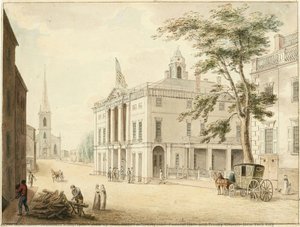
archibald robertson
1765 - 1835
Kurzinfos
- Artistic Movement Or Style: Romantic Landscape Painting
- Artists Or Movements Influenced By This Artist: ['Hudson River School']
- Artists Who Influenced This Artist: ['Benjamin West']
- Date Of Birth: 1765
- Date Of Death: 1835
- Full Name: Archibald Robertson
- Nationality: Scottish
- Notable Artworks:
- The Shepherdess
- Mount Snowdon
- Place Of Birth: Glasgow, Scotland

