 Vorschau anzeigen
 Versenden
 Teilen
 Details anzeigen

 Herunterladen
 Ähnliche Objekte
 Röntgenaufnahme
 Diashow
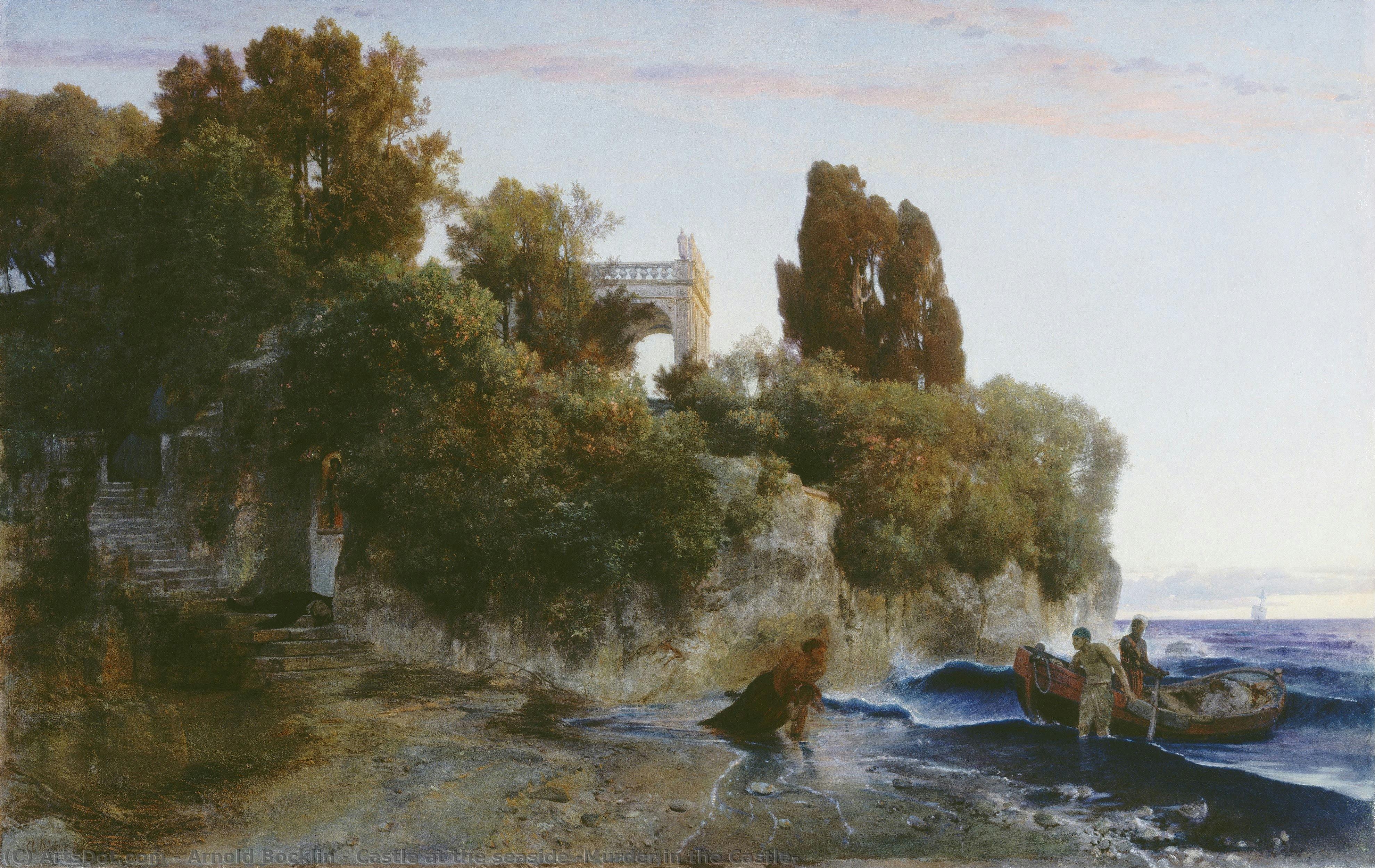
Castle at the seaside (Murder in the Castle)


 Weiterlesen
Handgefertigte Ölreproduktion
Handgemaltes Ölgemälde auf Leinwand in Ihrer Wunschgröße und mit Rahmen, auf Bestellung von unseren Künstlern angefertigt. ( Druck bestellen Bild kaufen)




P118B $10

P118H $10

P118W $10

P438Z $10

P508JH $12

P508YH $12

P805H $10

P805Z $10

P919BZ $10

P919G $10

P919XJ $10

P959ZH $10

P968JZ $12

W106C $8

W218G $10

W218JH $8

W218Y $10

W307PJ $10

W316G $10

W316PJ $8

W316Y $10

W398PJ $8

W4111J $10

W500HY $15

W500JH $15

W692G $12

W849H $8

W940BG $15

W953PJ $8




Wählen Sie aus unseren vordefinierten Formaten, die den ursprünglichen Proportionen des Kunstwerks entsprechen.

Sie können Ihre eigenen Maße eingeben, um einen bestimmten Rahmen oder Platz auszufüllen. Wenn die gewählte Größe nicht den Proportionen des Originalbildes entspricht, werden wir das Kunstwerk entweder beschneiden oder das Gemälde durch zusätzliche, handgemalte Elemente erweitern. Ein digitales Mockup wird Ihnen zur Genehmigung zugesandt, bevor die Produktion beginnt.
Bitte beachten Sie, dass die Bildschirmvorschau nicht die tatsächliche Beschneidung oder Erweiterung widerspiegelt. Nur das Mockup zeigt die endgültige Komposition exakt an.
Obwohl Sondermaße verfügbar sind, empfehlen wir, eine Größe aus der vordefinierten Liste zu wählen, um die ursprünglichen Proportionen beizubehalten.
Nach der Bestellung wird das ArtsDot.com-Team dem Kunden Anweisungen per E-Mail zusenden und eine Mockup-Vorschau bereitstellen.
Weltweiter Versand () in nur 3 bis 4 Wochen statt der üblichen 5 Wochen. (27 August). Keine Kompromisse bei der Qualität.

Kostenloser weltweiter Expressversand

Hochwertige Leinenleinwand

Umfassender Versicherungsschutz beim Versand

Zollgebühren-Rückerstattungsgarantie

Garantie für exakte Farbtreue

60 Tage Rückgaberecht (nur bei Mängeln)

100% Geld-zurück-Garantie

Mengenrabatt verfügbar
 Die Glasoption ist nur für Größen unter 110 cm verfügbar.

Castle at the seaside (Murder in the Castle)
Art der Reproduktion
Format der Reproduktion
-


Gesamtpreis
$ 263
A Glimpse into a Dreamscape: The Genesis of "Castle by the Sea & Murder in the Castle Garden"
Arnold Böcklin's 1859 painting, “Castle by the Sea & Murder in the Castle Garden,” isn’t merely a depiction of a coastal scene; it’s an immersion into a realm of profound melancholy and unsettling beauty. Born in Basel during a period of intense artistic and intellectual ferment—the rise of Symbolism challenging the dominance of Realism—Böcklin was deeply influenced by Romanticism's fascination with the sublime, the macabre, and the power of the imagination. This work exemplifies his signature style: a haunting blend of classical architectural grandeur juxtaposed against the raw, elemental forces of nature, all rendered in a palette of muted blues, greys, and ochres that evoke a perpetual twilight.
The painting immediately draws the eye to the imposing castle perched precariously on a cliff face, its weathered stone hinting at centuries of silent observation. Below, a bustling scene unfolds: laborers toil on the beach, their figures rendered with a deliberate lack of detail, suggesting an almost anonymous existence. A small boat ventures out towards the horizon, while a shadowy figure—perhaps a victim or a perpetrator—lurks within the castle’s darkened interior. The composition is deliberately unbalanced, creating a sense of unease and foreboding. Böcklin masterfully uses atmospheric perspective to draw the viewer into this enclosed world, blurring the lines between reality and dream.
Symbolism Woven into Stone: Unpacking the Layers of Meaning
Böcklin’s work is rich in symbolic resonance, inviting multiple interpretations. The castle itself represents a decaying ideal—a monument to ambition and power now crumbling under the relentless passage of time. Its isolation speaks to themes of loneliness, mortality, and the futility of earthly pursuits. The laborers on the beach embody the struggles of ordinary life, their labor rendered as a repetitive, almost ritualistic act. The small boat represents hope or escape, but its destination remains uncertain. Crucially, the “murder” hinted at within the castle’s walls isn't explicitly depicted; it’s suggested through atmosphere and implication—a subtle disruption of the established order.
The painting is deeply rooted in Romantic ideas about the sublime – that experience which inspires awe and terror simultaneously. Böcklin taps into this feeling, creating a scene that is both beautiful and unsettling. The use of muted colors contributes to this effect, evoking a sense of sadness and loss. Furthermore, the castle’s architecture—a blend of Romanesque and Gothic styles—references classical notions of power and authority, now rendered obsolete by time and circumstance.
Technique and Texture: A Masterclass in Atmospheric Painting
Böcklin's technique is characterized by a meticulous attention to detail combined with a loose, expressive brushstroke. He employs a layering technique—building up the image through multiple thin glazes of oil paint—to create a sense of depth and luminosity. The textures are remarkably varied: the rough, uneven surface of the beach contrasts sharply with the smooth, polished stone of the castle walls. Böcklin’s use of color is particularly noteworthy; he masterfully employs chiaroscuro – the dramatic contrast between light and shadow – to heighten the emotional impact of the scene.
The artist's deliberate choice of a limited palette—primarily blues, greys, and ochres—contributes significantly to the painting’s somber mood. He skillfully uses these colors to create a sense of atmosphere, evoking the feeling of a perpetual twilight or a melancholic dream. The brushwork itself is loose and expressive, conveying a sense of movement and dynamism within the static composition.
A Legacy of Mystery: “Castle by the Sea & Murder in the Castle Garden” Today
“Castle by the Sea & Murder in the Castle Garden” remains one of Böcklin’s most enduringly captivating works. Its haunting beauty and profound symbolism continue to resonate with viewers today, prompting reflection on themes of mortality, loss, and the human condition. The painting's influence can be seen in the work of numerous artists who followed in Böcklin’s footsteps, including Symbolist painters like Odilon Redon and Gustave Moreau. It is a testament to the power of art to evoke emotion, stimulate imagination, and transcend time.
Ähnliche Kunstwerke
Über den Künstler
Frühe Jahre und Ausbildung
Arnold Böcklin, ein Schweizer Symbolistischer Maler, wurde am 16. Oktober 1827 in Basel geboren. Sein Vater, Christian Frederick Böcklin, stammte von einer alten Familie aus Schaffhausen und war im Seidenhandel tätig. Arnolds Mutter, Ursula Lippe, war ebenfalls eine Bürgerin derselben Stadt. Er studierte an der Akademie Düsseldorf unter Schirmer und freundete sich mit Anselm Feuerbach an. Böcklin wird der Düsseldorfer Malerschule zugerechnet.Künstlerische Laufbahn und Symbolismus
Böcklins künstlerischer Weg führte ihn durch verschiedene Städte, darunter Paris, wo er im Louvre arbeitete, und Rom, wo er von den dortigen Sehenswürdigkeiten beeinflusst wurde. Seine Werke zeigten oft allegorische und mythologische Figuren in Umgebungen mit klassischer Architektur und erkundeten Themen wie Tod und Sterblichkeit.- Großer Park, eines seiner frühesten Werke, stellte die antike Mythologie dar.
- Nymphe und Satyr (1858) und Sappho (1859) waren bemerkenswerte Arbeiten aus dieser Zeit.
- Böcklins Selbstbildnis mit dem Tod, der eine Geige spielt (1872), verdeutlichte seinen einzigartigen Stil.
Entwicklung und Einfluss
Böcklin entwickelte einen unverwechselbaren Stil, der sich durch düstere Landschaften, melancholische Stimmungen und die Darstellung von mythologischen Motiven auszeichnete. Er war ein wichtiger Vertreter des Symbolismus in der Kunst. Sein Werk beeinflusste jüngere Künstler wie Hans Thoma und inspirierte mehrere spätromantische Komponisten. Clement Greenberg beschrieb Böcklins Arbeit als „eine der vollkommensten Ausdrucksformen ihrer Zeit“. Böcklins Stil überschnitt sich mit den Präraffaeliten, wobei er die Welt der Träume und Mystik betonte.Hauptwerke und Vermächtnis
Böcklin ist vor allem für seine fünf Versionen der Insel der Toten (1880-1886) bekannt, die den englischen Friedhof in Florenz widerspiegelten, wo seine Tochter begraben war. Diese Werke sind ikonische Beispiele des Symbolismus und verkörpern Themen von Tod, Vergänglichkeit und Melancholie. Die Insel der Toten wurde zu einem seiner berühmtesten und am häufigsten reproduzierten Bilder.Museen und Sammlungen
Böcklins Werk ist in verschiedenen Museen zu finden, darunter:- Öffentliche Kunstsammlung (Basel, Schweiz)
- Kunstmuseum Basel (Schweiz)
- Museum Kunsthaus Zürich (Zürich, Schweiz)
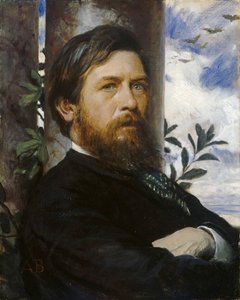
Arnold Böcklin
1827 - 1901 , Schweiz
Kurzinfos
- Bemerkenswerte Werke:
- Großer Park
- Nymphe und Satyr
- Sappho
- Insel der Toten
- Geburtsdatum: 16. Oktober 1827
- Geburtsort (Stadt, Land): Basel, Schweiz
- Künstler Oder Bewegungen, Die Von Diesem Künstler Beeinflusst Wurden: ['Hans Thoma']
- Künstler, Die Diesen Künstler Beeinflussten: ['Anselm Feuerbach']
- Künstlerische Bewegung/Stil: Symbolismus
- Nationalität: Schweizerisch
- Sterbedatum: 16. Januar 1901
- Vollständiger Name: Arnold Böcklin
Ähnliche Artikel
Cultivating Paradise: A Historical & Artistic Exploration of Gardens in Painting
Explore the rich history of gardens in painting! Discover masterpieces from Renaissance to Impressionism & beyond. Learn about symbolism, artists like Monet & Klimt, and find your perfect artwork at ArtsDot.
Top 10 berühmte Gemälde in Meergrün – Kunst für Ihr Zuhause | ArtsDot.com
Entdecken Sie die Top 10 berühmter Gemälde in faszinierenden Meergrüntönen! Von Monet bis Renoir – erleben Sie Kunstgeschichte und lassen Sie sich von grünen Farbpaletten inspirieren. Kunstreproduktionen in Museumsqualiät auf ArtsDot.com.
Paul Klee: Die 25 Meisterwerke des Abstrakten – Kunst für Ihr Zuhause | ArtsDot
Entdecken Sie die 25 Meisterwerke von Paul Klee! Tauchen Sie ein in seine abstrakte Welt, voller Expressionismus und Bauhaus-Einflüsse. Hochwertige Kunst für Ihr Zuhause – jetzt bei ArtsDot entdecken!
Claude Monet: Die 25 Meisterwerke des Impressionismus für Ihr Zuhause | ArtsDot
Entdecken Sie die 25 Meisterwerke von Claude Monet! Tauchen Sie ein in die Welt des Impressionismus, erleben Sie Seerosen, Sonnenaufgänge & Kathedralen. Hochwertige Reproduktionen für Ihr Zuhause – exklusiv auf ArtsDot.com.
The Azure Depths: Exploring Representations of the Ocean in Art History
Explore the rich history of ocean art! Discover Romantic seascapes, renowned artists like Aivazovsky & Harris, and expert guidance for collectors at ArtsDot.com.