

 Vorschau anzeigen
 Versenden
 Teilen
 Details anzeigen

 Herunterladen
 Ähnliche Objekte
 Röntgenaufnahme
 Diashow
 Statistiken
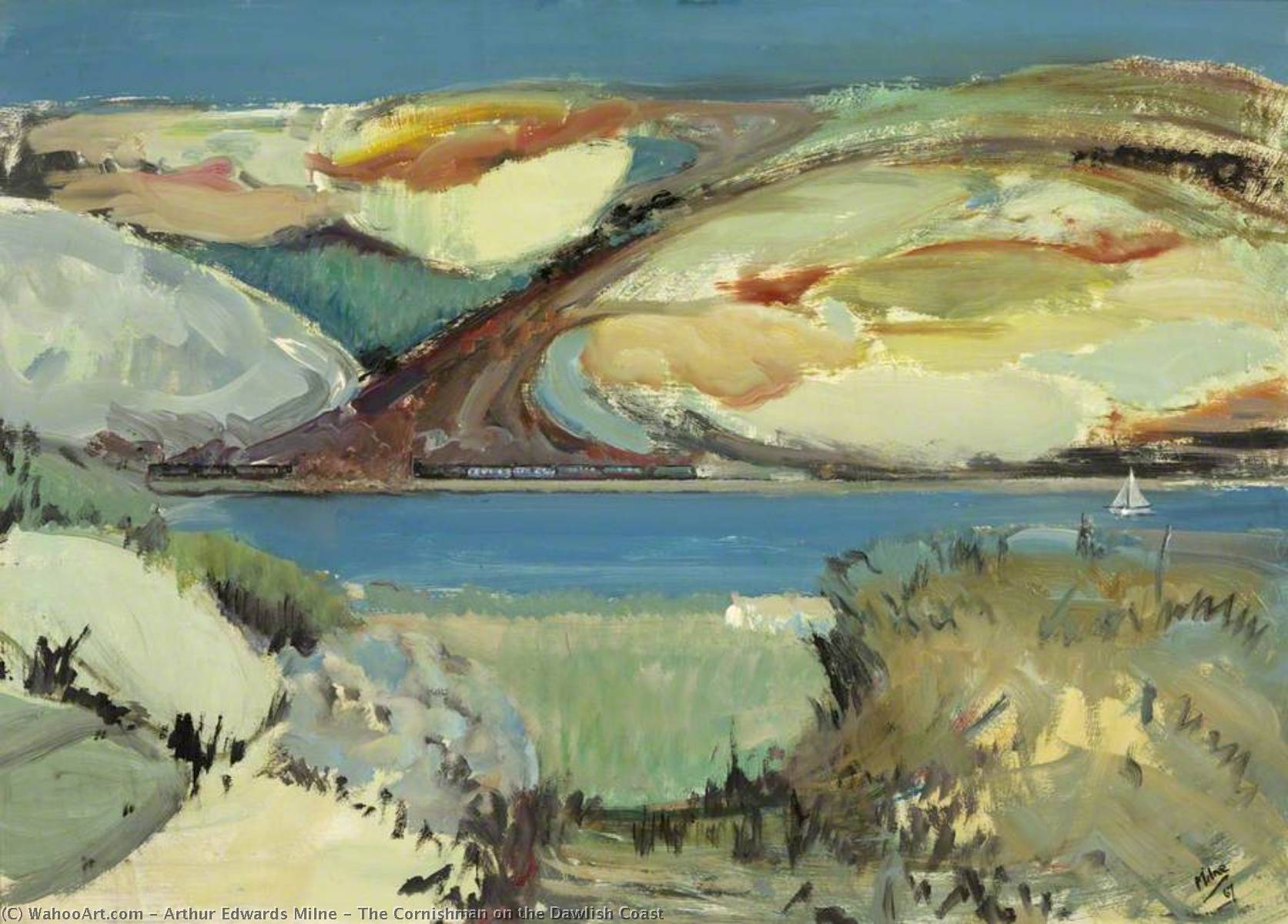
The Cornishman on the Dawlish Coast
 Impressionism
 59.0 x 83.0 cm
 Royal West of England Academy
 Weiterlesen
Giclée / Kunstdruck
Giclée- oder Leinwanddruck in Museumsqualität mit schneller Produktion und flexiblen Veredelungsoptionen. ( Handgemalte Reproduktion bestellen Zum digitalen Bild wechseln)




































Wählen Sie aus unseren vordefinierten Formaten, die den ursprünglichen Proportionen des Kunstwerks entsprechen.

Sie können Ihre eigenen Maße eingeben, um ein bestimmtes Format oder einen speziellen Platz einzupassen. Wenn das von Ihnen gewählte Format nicht den Proportionen des Originalbildes entspricht, werden wir das Kunstwerk entweder beschneiden oder das Bild mit einem gespiegelten oder einfarbigen Rand erweitern. Ein digitaler Entwurf wird Ihnen zur Genehmigung zugesandt, bevor die Produktion beginnt.
Bitte beachten Sie, dass die Vorschau auf dem Bildschirm nicht den tatsächlichen Zuschnitt oder die Erweiterung widerspiegelt. Nur der Entwurf zeigt die endgültige Komposition präzise an.
Obwohl Sondermaße verfügbar sind, empfehlen wir die Auswahl eines Maßes aus der vordefinierten Liste, um die ursprünglichen Proportionen zu bewahren.
Weltweiter Versand () innerhalb von 2 Wochen statt der üblichen 4/5 Wochen. (10 September)

Kostenloser weltweiter Expressversand

Hochwertige Leinenleinwand

Umfassender Versicherungsschutz beim Versand

Zollgebühren-Rückerstattungsgarantie

Garantie für exakte Farbtreue

100-Tage-Rückgaberecht (nur bei Mängeln)

100% Geld-zurück-Garantie

Mengenrabatt verfügbar
 Die Glasoption ist nur für Größen unter 110 cm verfügbar.

The Cornishman on the Dawlish Coast
Giclée / Kunstdruck
Format der Reproduktion
-


Gesamtpreis
$ 62
Ähnliche Kunstwerke
Über den Künstler
The Atmospheric Vision of Arthur Edwards Milne
Arthur Edwards Milne, a name synonymous with the evocative landscapes of the British countryside, possessed a rare ability to translate the fleeting nuances of light and atmosphere onto canvas. Born in 1889, his artistic journey was one of profound sensitivity, beginning with an early fascination for the delicate interplay of shadow and form. While his roots trace back to London, his soul found its true expression in the rugged terrains of Dartmoor and the bustling, historic vistas of Bristol. Milne’s work serves as a window into a bygone era, capturing the quiet majesty of the English landscape through a lens that was both deeply observant and intensely personal.
His formal training at the prestigious Slade School of Fine Art provided him with a rigorous foundation in classical technique, yet it was his encounter with the principles of Impressionism that truly liberated his brush. Drawing inspiration from masters such as Claude Monet and Pierre-Auguste Renoir, Milne moved away from rigid realism toward a style often described as atmospheric Impressionism. He became a master of layering thin, luminous washes of paint, creating surfaces that seemed to shimmer with reflected light. This technique allowed him to capture not just the physical geography of a place, but the very mood of the air—the damp mist clinging to a moorland hill or the golden glow of a setting sun over Bristol Harbour.
A Legacy Written in Landscape and Light
The breadth of Milne’s oeuvre reflects a deep connection to the diverse environments of his era. His depictions of Dartmoor National Park are particularly celebrated; in these works, he utilized textured brushstrokes and a muted, earthy palette to convey the melancholic grandeur and untamed beauty of the wilderness. These were not merely topographical studies but emotional landscapes that invited the viewer to feel the solitude and strength of the moorland. Conversely, his views of Bristol offered a different kind of dynamism. In his renderings of the Clifton Suspension Bridge and the lively scenes of Bristol Harbour, he skillfully balanced architectural precision with expansive, sweeping skies, capturing the rhythmic pulse of urban life interwoven with natural serenity.
Beyond his landscapes, Milne’s versatility extended to portraits and floral studies, executed in oil, watercolor, and pastel. His career was marked by significant professional achievements and a deep commitment to the artistic community. As an Associate member of the Royal West of England Academy (RWA), he was a fixture in the regional art scene, exhibiting regularly and even serving as a technical adviser for the restoration of paintings. His leadership within the Bristol Savages, where he served as President three times, underscores his influence on the local artistic landscape during the mid-20th century.
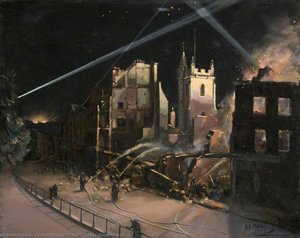
The historical significance of Arthur Edwards Milne lies in his ability to bridge the gap between traditional representation and subjective perception. His work remains a poignant record of the English landscape during the interwar years and beyond, capturing moments of peace and even the somber reality of wartime destruction, as seen in his moving watercolors of Bristol. Through his dedication to capturing the ephemeral, Milne ensured that the spirit of the British countryside would endure, preserved forever in the luminous, breathing textures of his art.
arthur edwards milne
1889 - 1981
Kurzinfos
- Artistic Movement Or Style: Impressionism
- Artists Or Movements Influenced By This Artist: ['British Landscape Art']
- Artists Who Influenced This Artist:
- Claude Monet
- Vincent van Gogh
- Date Of Birth: 1889
- Date Of Death: 1981
- Full Name: Arthur Edwards Milne
- Nationality: British
- Notable Artworks:
- The Cornishman on the Dawlish Coast
- Merchants' Road, Clifton, Bristol
- Place Of Birth: Bristol, England
Ähnliche Artikel
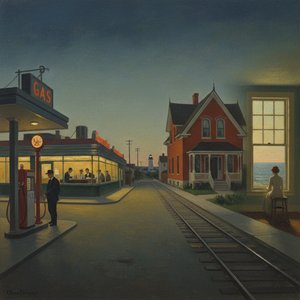
Edward Hopper: Die 25 Meisterwerke des amerikanischen Realismus | ArtsDot
Entdecken Sie die 25 Meisterwerke von Edward Hopper! Tauchen Sie ein in amerikanische Kunst, Realismus & Isolation. Hochwertige Reproduktionen & Inspiration für Ihr Zuhause bei ArtsDot.com.

Impressionistische Landschaften: Die 10 Meisterwerke, die eine Epoche prägten | ArtsDot
Entdecken Sie die 10 Meisterwerke des Impressionismus! Von Monet bis Renoir – erleben Sie die Geschichte, Technik und zeitlose Schönheit ikonischer Landschaftsbilder. Hochwertige Kunstdrucke auf ArtsDot.com. Jetzt entdecken!
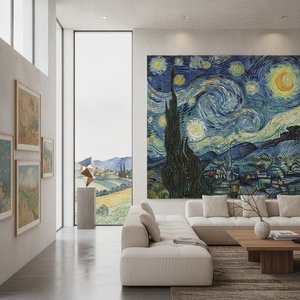
Beyond the Horizon: A Curated Guide to Integrating Post-Impressionist Landscapes into Modern Interiors
Transform your home with the emotive power of Post-Impressionist landscapes. Discover expert tips on selecting hand-painted oil reproductions to create a soulful, vibrant interior that reflects your unique style and connection to nature.

Evocations of Place: A Historical Journey Through Landscape Art
Explore the rich history of landscape art with ArtsDot. Discover renowned artists, movements like Impressionism & Romanticism, and expert guidance for collecting timeless pieces. Find your perfect serene escape today!

Impressionistische Landschaften: Die 10 Meisterwerke, die eine Kunstrichtung prägten | ArtsDot
Entdecken Sie die 10 Meisterwerke des Impressionismus! Von Monet bis Van Gogh – erleben Sie die Geschichten hinter berühmten Landschaftsbildern. Hochwertige Kunst Reproduktionen für Ihr Zuhause auf ArtsDot.com.