

 Vorschau anzeigen
 Versenden
 Teilen
 Details anzeigen

 Herunterladen
 Ähnliche Objekte
 Röntgenaufnahme
 Diashow
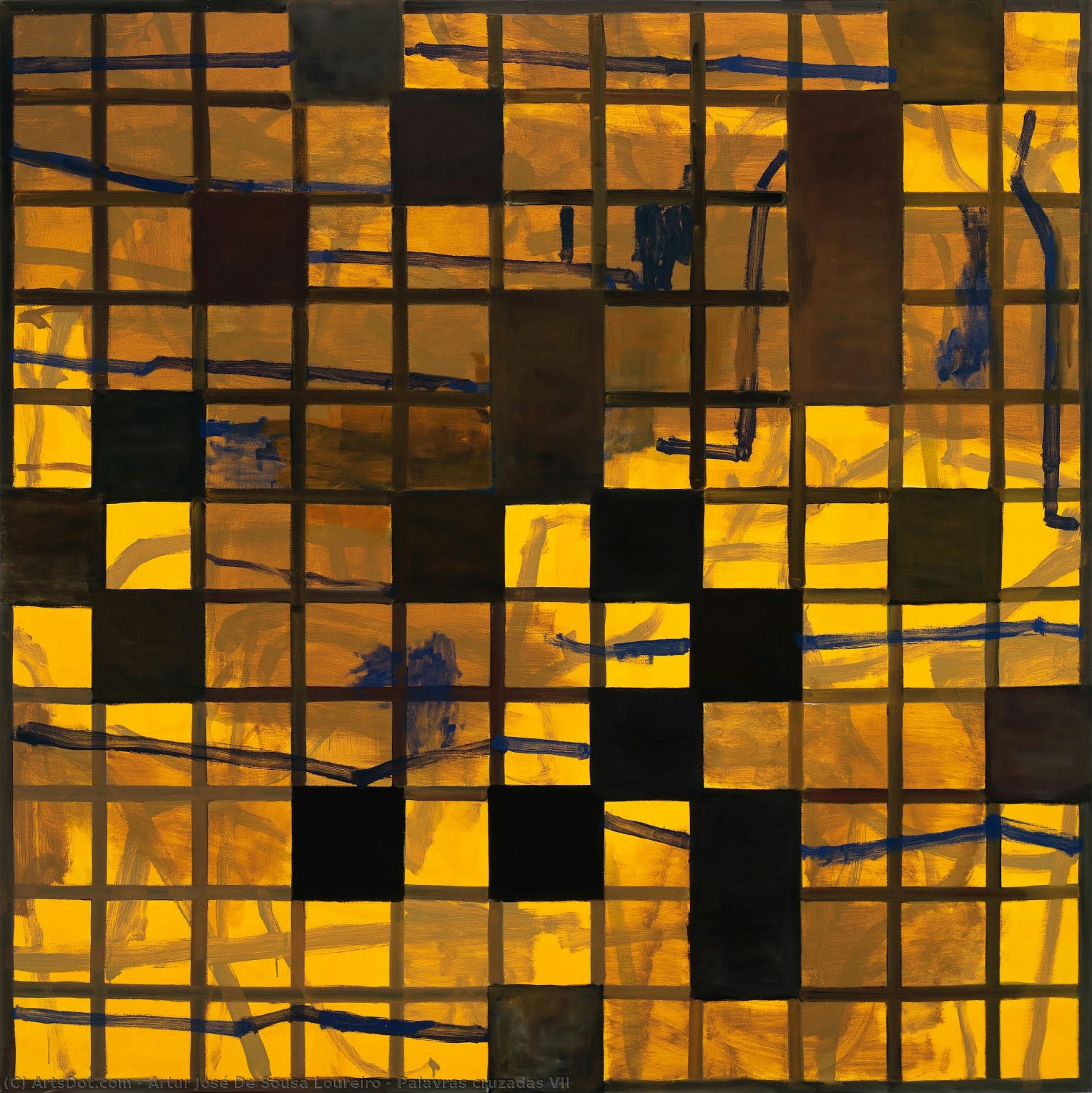
Palavras cruzadas VII
 Acrylic On Canvas
- WallArt
- Color Field Painting
 1994
1994 200.0 x 200.0 cm
 Culturgest - Fundação Caixa Geral de Depósitos
 Weiterlesen
Handgefertigte Ölreproduktion
Handgemaltes Ölgemälde auf Leinwand in Ihrer Wunschgröße und mit Rahmen, auf Bestellung von unseren Künstlern angefertigt. ( Druck bestellen Bild kaufen)




P118B $10

P118H $10

P118W $10

P438Z $10

P508JH $12

P508YH $12

P805H $10

P805Z $10

P919BZ $10

P919G $10

P919XJ $10

P959ZH $10

P968JZ $12

W106C $8

W218G $10

W218JH $8

W218Y $10

W307PJ $10

W316G $10

W316PJ $8

W316Y $10

W398PJ $8

W4111J $10

W500HY $15

W500JH $15

W692G $12

W849H $8

W940BG $15

W953PJ $8




Wählen Sie aus unseren vordefinierten Formaten, die den ursprünglichen Proportionen des Kunstwerks entsprechen.

Sie können Ihre eigenen Maße eingeben, um einen bestimmten Rahmen oder Platz auszufüllen. Wenn die gewählte Größe nicht den Proportionen des Originalbildes entspricht, werden wir das Kunstwerk entweder beschneiden oder das Gemälde durch zusätzliche, handgemalte Elemente erweitern. Ein digitales Mockup wird Ihnen zur Genehmigung zugesandt, bevor die Produktion beginnt.
Bitte beachten Sie, dass die Bildschirmvorschau nicht die tatsächliche Beschneidung oder Erweiterung widerspiegelt. Nur das Mockup zeigt die endgültige Komposition exakt an.
Obwohl Sondermaße verfügbar sind, empfehlen wir, eine Größe aus der vordefinierten Liste zu wählen, um die ursprünglichen Proportionen beizubehalten.
Nach der Bestellung wird das ArtsDot.com-Team dem Kunden Anweisungen per E-Mail zusenden und eine Mockup-Vorschau bereitstellen.
Weltweiter Versand () in nur 3 bis 4 Wochen statt der üblichen 5 Wochen. (25 August). Keine Kompromisse bei der Qualität.

Kostenloser weltweiter Expressversand

Hochwertige Leinenleinwand

Umfassender Versicherungsschutz beim Versand

Zollgebühren-Rückerstattungsgarantie

Garantie für exakte Farbtreue

60 Tage Rückgaberecht (nur bei Mängeln)

100% Geld-zurück-Garantie

Mengenrabatt verfügbar
 Die Glasoption ist nur für Größen unter 110 cm verfügbar.

Palavras cruzadas VII
Art der Reproduktion
Format der Reproduktion
-


Gesamtpreis
$ 263
Beschreibung des Kunstwerks
A Bold Exploration of Process and Tradition
José Loureiro's Palavras cruzadas VII (1994) isn’t merely a painting; it’s an intricate dialogue with the very nature of artistic creation. This vibrant, checkered composition immediately draws the eye, yet its power lies not in representational imagery but in the deliberate layering of color and form – a visual manifesto on the history and mechanics of painting itself. Loureiro, a pivotal figure in Portuguese art, masterfully employs a deceptively simple palette of yellow, blue, black, and white to construct a complex narrative that speaks volumes about his artistic philosophy.
The work’s foundation rests upon a meticulously constructed grid – a subtle yet insistent presence beneath the seemingly chaotic arrangement of squares. This isn't simply decorative; it represents Loureiro’s fascination with the underlying structure of visual art, echoing the principles of modernist abstraction and the geometric explorations of artists like Mondrian and Malevich. He deliberately references these movements, not as imitation, but as a springboard for his own investigation into the formal elements that define painting – its boundaries, its limitations, and ultimately, its potential for liberation.
Deconstructing the Canvas: Technique and Process
Loureiro’s technique is characterized by a remarkable control and precision. The bold, contrasting colors are applied with a deliberate hand, suggesting both meticulous planning and an embrace of spontaneous variation. The black squares aren't haphazardly placed; they act as anchors within the larger composition, creating visual rhythm and guiding the viewer’s eye across the canvas. Interestingly, Loureiro’s approach aligns with the mid-20th century movement that sought to break free from the constraints of traditional painting techniques – a reaction against the perceived tyranny of the brushstroke. He engages with this legacy by incorporating elements reminiscent of pop art and serigraphy, hinting at a conscious effort to explore new methods of image production.
The work’s scale—200 x 200 cm—further emphasizes its monumental presence. It demands attention, inviting the viewer to lose themselves within its intricate patterns and contemplate the layers of meaning embedded within it. The size itself speaks to a deliberate ambition – Loureiro isn't simply creating a painting; he is constructing an experience.
A Historical Tapestry: Symbolism and Context
Palavras cruzadas VII is deeply rooted in the historical context of 20th-century art. Loureiro’s exploration of abstraction, his engagement with modernism, and his questioning of traditional painting techniques all reflect a broader shift in artistic thinking during this period. The title itself – “Crosswords” – suggests a puzzle, an intellectual challenge, and perhaps even a commentary on the act of deciphering meaning within art. The work can be interpreted as a visual representation of the history of painting, tracing its evolution from representational forms to abstract expression.
Furthermore, Loureiro’s interest in the mechanical processes employed by artists like Warhol and Lichtenstein—stencil techniques, serigraphy—highlights a desire to deconstruct and reimagine the relationship between artist and material. He moves beyond the purely gestural approach of traditional painting, embracing new technologies and methodologies as tools for artistic exploration. The circle and color field elements are not merely decorative; they represent a culmination of this process – a return to the fundamental materiality of paint itself.
An Enduring Legacy: Emotional Resonance
Despite its intellectual complexity, Palavras cruzadas VII possesses a powerful emotional resonance. The vibrant colors and intricate patterns evoke a sense of both order and chaos, suggesting the inherent tension between control and spontaneity that defines the creative process. The work invites contemplation on the nature of art, the history of painting, and the ongoing dialogue between tradition and innovation. It’s a testament to Loureiro's profound understanding of his craft and his willingness to push the boundaries of artistic expression – a piece that continues to resonate with viewers today.
Ähnliche Kunstwerke
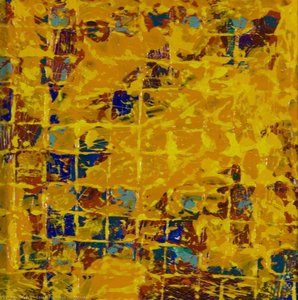
Über den Künstler
Ein portugiesischer Malerkünstler: Eine Reise durch die Zeit
Artur José de Sousa Loureiro, eine bemerkenswerte Figur der portugiesischen Kunstgeschichte, hinterließ einen bleibenden Eindruck auf der Leinwand der Geschichte. Geboren am 11. Februar 1853 in Porto und gestorben am 7. Juli 1932, war sein Leben ein Beweis für künstlerische Entwicklung und Innovation. Seine Reise führte ihn durch Europa und schließlich nach Australien, wo er einen bedeutenden Beitrag zur lokalen Kunstszene leistete.Frühe Anfänge und formative Jahre
Loureiros künstlerischer Werdegang begann unter der Anleitung seines Freundes António José da Costa, der ihm die Grundlagen des Zeichnens und Malens vermittelte. Später setzte er seine Ausbildung an der Escola Superior de Belas Artes do Porto fort, wo er unter der Mentorenschaft von João António Correia lernte. Diese frühen Jahre legten den Grundstein für seinen späteren Stil und seine künstlerische Vision. Die Atmosphäre in Porto, geprägt von der portugiesischen Kultur und Geschichte, beeinflusste seine ersten Werke maßgeblich.Eine Reise durch Kontinente
Loureiros künstlerisches Schicksal führte ihn auf eine spannende Reise quer durch Europa. Im Jahr 1875 erhielt er die Möglichkeit, nach Rom zu reisen, unterstützt von seinem Mäzen Delfim Guedes. In der italienischen Hauptstadt wurde er in den Künstlerkreis aufgenommen und konnte seine künstlerische Entwicklung weiter vertiefen. Zwei Jahre später folgte ein Aufenthalt in Paris, wo er an der École des Beaux-Arts studierte und Teil der pulsierenden Kunstszene des Quartiers Latin wurde. Diese Zeit prägte seinen Stil und ermöglichte ihm den Austausch mit anderen Künstlern und Denkern. Im Jahr 1884 wanderte Loureiro mit seiner Frau Marie Huybers nach Australien aus und ließ sich in Melbourne nieder, wo er einen festen Platz in der lokalen Kunstszene fand.Wichtige Werke und Errungenschaften
Loureiros künstlerisches Schaffen spiegelte die vielfältigen Erfahrungen wider, die er im Laufe seines Lebens gesammelt hatte. Besonders hervorzuheben ist "Der Tod des Burke" (1892), ein bewegendes Werk, das seine Zeit in Australien widerspiegelt. Das Gemälde schildert den tragischen Tod von Robert O’Hara Burke, dem Anführer der unglücklichen Burke and Wills Expedition (1860–1861). Die Expedition, die Australien von Melbourne bis zum Golf von Carpentaria durchqueren sollte, endete in einer Katastrophe. Loureiro fängt die Isolation und den Kampf ein, dem die Entdecker im Outback ausgesetzt waren. Das Gemälde ist nicht nur eine historische Darstellung, sondern auch eine emotionale Hommage an Burkes Ausdauer und Tragik. Neben "Der Tod des Burke" war Loureiro auch an der Australian Art Association beteiligt und übernahm die Rolle eines „Professor of Design“ an der Presbyterian Ladies Academy. Im Jahr 1899 erhielt er den Goldmedaillenpreis auf der Internationalen Ausstellung in London, was seine Anerkennung als Künstler bestätigte.Erbe und Erinnerung
Loureiros Rückkehr nach Porto im Jahr 1904 markierte einen neuen Abschnitt in seinem Leben. Er gründete dort ein eigenes Atelier im "Crystal Palace" und heiratete 1918 erneut, diesmal Elisa Fernanda de Sousa Pires. Trotz seines Todes im Jahr 1932 lebt sein Vermächtnis durch zahlreiche Ausstellungen und seinen Einfluss auf die Kunstwelt weiter fort. Seine Werke sind in renommierten Museen wie dem Nationalmuseum Soares dos Reis in Porto, dem Chiado-Museum in Lissabon und der National Gallery of Victoria in Melbourne zu sehen. Wichtige Links: - Artur José de Sousa Loureiro | ArtsDot.com - Artur Loureiro - Wikipedia - Palavras Cruzadas vii | ArtsDot.com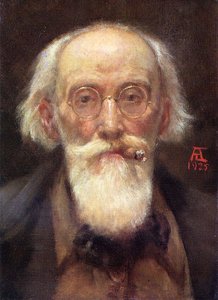
Artur Loureiro
1853 - 1932 , Portugal
Kurzinfos
- Artistic Movement Or Style: Naturalismus
- Artists Or Movements Influenced By This Artist: ['João António Correia']
- Artists Who Influenced This Artist: ['António José da Costa']
- Date Of Birth: 11. Feb 1853
- Date Of Death: 7. Juli 1932
- Full Name: Artur José de Sousa Loureiro
- Nationality: Portugiesisch
- Notable Artworks: ['Der Tod des Burke']
- Place Of Birth: Porto, Portugal
Ähnliche Artikel

Abstrakter Expressionismus: Die 10 Meisterwerke, die eine Kunstbewegung prägten |
Entdecken Sie die 10 Meisterwerke des Abstrakten Expressionismus! Von Jackson Pollock bis Mark Rothko – erfahren Sie die Geschichten hinter ikonischen Gemälde und finden Sie hochwertige Reproduktionen für Ihr Zuhause. Jetzt bei entdecken!

Geometrische Abstraktion: Die 10 Meisterwerke, die Kunstgeschichte prägten | ArtsDot.com
Entdecken Sie die 10 Meisterwerke der geometrischen Abstraktion! Von Kandinsky bis Mondrian – erleben Sie die Geschichte, Farben & Formen dieser revolutionären Kunstrichtung. Hochwertige Kunstreproduktionen auf ArtsDot.com
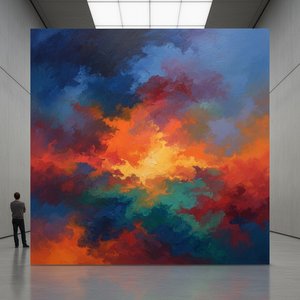
Chromatic Atmospheres: Exploring the Philosophical Foundations of Color Field Painting
Explore the philosophical and aesthetic foundations of Color Field painting with ArtsDot. Discover key artists like Rothko & Newman, its spiritual influences, and lasting impact on modern art. Expert insights for collectors.
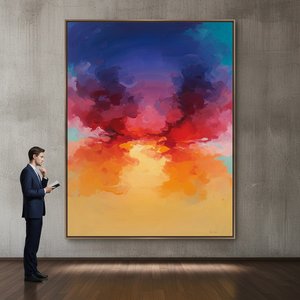
Chromatic Atmospheres: Exploring the Evolution & Impact of Color Field Painting
Explore the captivating world of Color Field painting! Discover its origins, key artists like Rothko & Newman, philosophical depth, and lasting influence on modern art. Expert insights for collectors.

Kandinsky: Die 25 Meisterwerke des Abstrakten – Kunst für Ihr Zuhause | ArtsDot
Entdecken Sie die 25 bedeutendsten Gemälde von Wassily Kandinsky! Tauchen Sie ein in die Welt der abstrakten Kunst, des Expressionismus und der Farbkomposition. Hochwertige Kunstdrucke & Inspiration für Ihr Zuhause auf ArtsDot.com.

