

 Vorschau anzeigen
 Versenden
 Teilen
 Details anzeigen

 Herunterladen
 Ähnliche Objekte
 Röntgenaufnahme
 Diashow
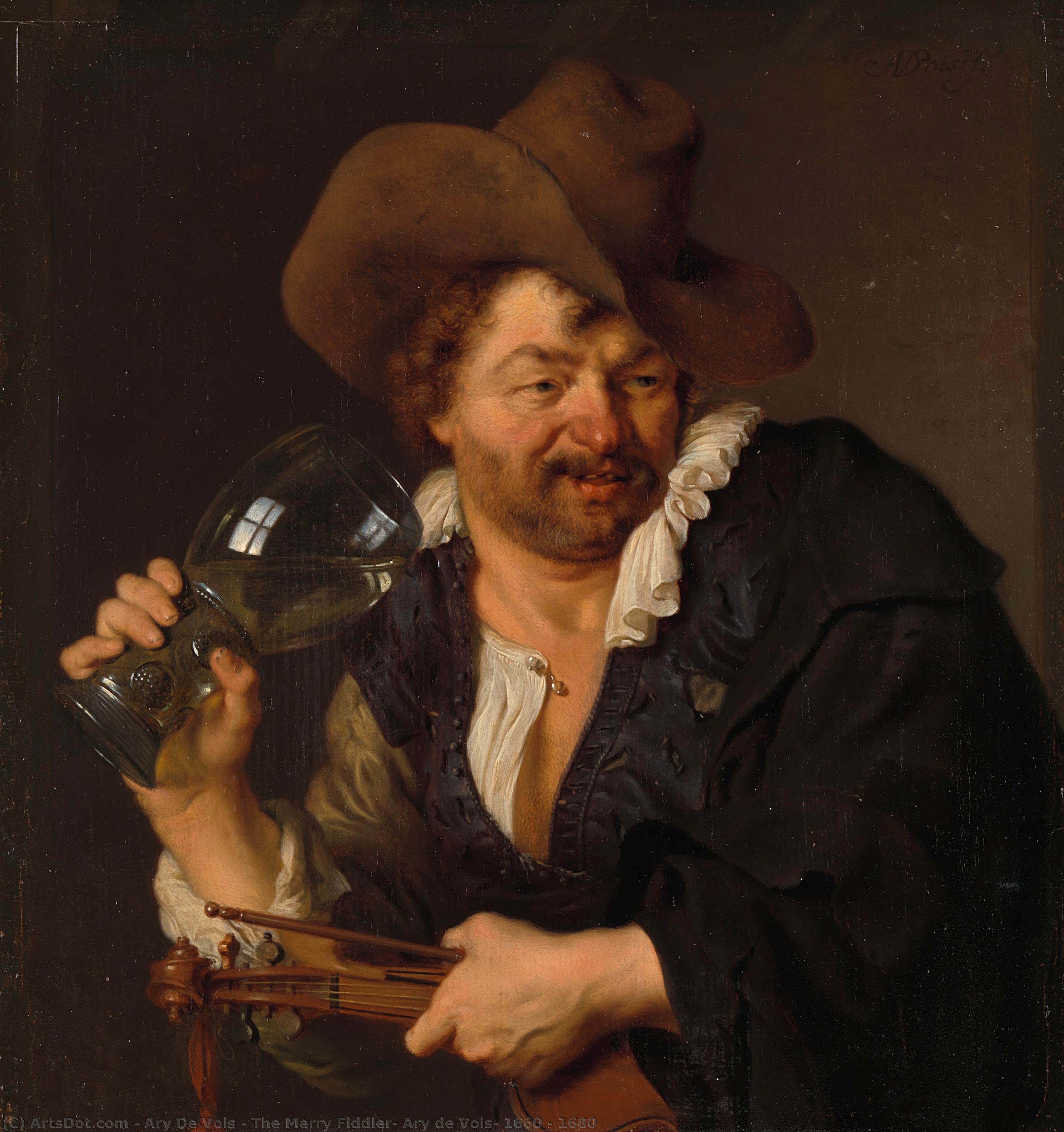
The Merry Fiddler, Ary de Vois, 1660 - 1680
 1680
1680 22.0 x 20.0 cm
 Weiterlesen
Erwerben Sie ein hochauflösendes, optimiertes digitales Bild, das der Online-Vorschau weit überlegen ist.
Jede Datei wird von unseren hauseigenen Spezialisten mit modernsten Werkzeugen und fachmännischer manueller Retusche sorgfältig vorbereitet. Wir stellen sicher, dass jedes Bild eine außergewöhnliche Klarheit, präzise Farbgenauigkeit und feinste Details aufweist.
Die endgültige Datei wird innerhalb von 72 Stunden per E-Mail zugestellt und ist für den sofortigen Einsatz in professionellen, redaktionellen und Druckumgebungen optimiert. Es handelt sich um dieselbe Qualität, der führende Designstudios, Verlage und Galerien vertrauen.
Digitales Bild
Laden Sie eine hochauflösende Datei für die persönliche Präsentation, den Druck und kreative Projekte herunter. ( Druck bestellen Handgemalte Reproduktion bestellen)
In jeder Bestellung digitaler Bilder enthalten
Professionelle digitale Bereitstellung, garantiert
Wenn Sie sich für ArtsDot.com entscheiden, erhalten Sie nicht nur ein Bild – Sie erhalten ein professionell aufbereitetes digitales Kunstwerk, das mit höchster Präzision erstellt und durch eine Zufriedenheitsgarantie abgesichert wird. Hier ist alles, was automatisch mit Ihrer Bestellung geliefert wird:

Schnelle E-Mail-Zustellung
Ihre hochauflösende digitale Bilddatei wird Ihnen innerhalb von 72 Stunden nach der Bestellung per E-Mail zugestellt – bereit zur sofortigen Verwendung.

KI-optimierte digitale Datei
Ihre Kunstwerke werden professionell mithilfe fortschrittlicher KI-Tools und manueller Bearbeitung optimiert, um maximale Detailtreue, Klarheit und Farbgenauigkeit zu gewährleisten.

Lebenslanger kostenloser Neudruckservice
Datei versehentlich gelöscht oder verloren? Keine Sorge – wir senden sie Ihnen jederzeit kostenlos erneut zu.

Keine Einfuhrgebühren – jemals
Genießen Sie Ihr Kunstwerk sofort ohne Zollgebühren, Einfuhrabgaben oder Versandkosten – digitale Downloads sind immer steuerfrei.

Garantierte Farbtreue
Wir garantieren, dass Ihr digitales Bild mithilfe professioneller Werkzeuge und Farbmanagement die Originalfarben so präzise wie möglich wiedergibt.

60-Tage-Zufriedenheitsgarantie
Sollten Sie mit Ihrem digitalen Bild nicht zufrieden sein, werden wir es überarbeiten oder Ihnen innerhalb von 60 Tagen 100% erstatten – ohne Wenn und Aber.

100% Geld-zurück-Garantie
Nicht zufrieden? Erhalten Sie innerhalb von 60 Tagen nach Erhalt Ihrer digitalen Datei eine vollständige Rückerstattung – ohne Angabe von Gründen.

Rabatte bei Großbestellungen
3 Bilder kaufen, 10% sparen – 5 Bilder kaufen, 15% sparen – Ab 10 Bildern 20% sparen. Ideal für kreative Projekte, Galerien und Agenturen.
Ähnliche Kunstwerke





Biografie des Künstlers
The Serene Likenesses of Ary De Vois
Ary De Vois, a name perhaps less celebrated than some of his Dutch Golden Age contemporaries, nevertheless occupies a significant niche in the pantheon of 17th-century portraiture. Active primarily between 1632 and 1635, De Vois’s brief but impactful career yielded a collection of portraits characterized by their refined elegance, psychological depth, and masterful technique. While biographical details remain somewhat scarce, the works themselves speak volumes about an artist deeply attuned to the sensibilities of his time and possessed of considerable skill in capturing not merely physical resemblance, but also the inner lives of his sitters. He flourished during a period when portraiture wasn’t simply about documenting appearance; it was a statement of social standing, moral character, and familial lineage—a visual testament to one's place within the intricate tapestry of Dutch society.A Brief Glimpse into a Golden Age Life
Born sometime before 1632 – the precise date remains unknown – Ary De Vois appears to have been active in Amsterdam, though details regarding his training and early life are elusive. The relative paucity of documented works suggests a career cut short, perhaps by illness or a deliberate shift in artistic focus. What *is* evident is that he quickly established himself as a sought-after portraitist among the burgeoning merchant class and affluent families of the city. His paintings were not mass-produced; they were intimate commissions, carefully considered investments meant to preserve family legacies for generations to come. The very fact that his works survive today—often in private collections—testifies to their enduring value and the esteem in which they were held by those who commissioned them. It is believed he may have been influenced by Rembrandt’s early portrait style, but De Vois developed a distinctly softer, more polished aesthetic.Style and Technique: Capturing Inner Character
De Vois's portraits are immediately recognizable for their luminous quality and subtle use of chiaroscuro—the dramatic interplay of light and shadow. He eschewed the bolder contrasts favored by some of his contemporaries, opting instead for a gentler modeling that emphasizes the delicate features and refined textures of his sitters’ faces and clothing. His palette is typically restrained, dominated by rich browns, blacks, creams, and subtle hints of color, creating an atmosphere of quiet dignity and introspection. He was particularly adept at rendering fabrics, capturing the sheen of silk, the weight of velvet, and the intricate details of lace collars with remarkable precision. However, De Vois’s skill extended beyond mere technical proficiency; he possessed a keen understanding of human psychology, evident in the nuanced expressions and subtle gestures that imbue his portraits with life and personality. He didn't just paint faces; he painted souls.Themes and Symbolism within De Vois’s Work
While primarily a portraitist, De Vois’s work often incorporates symbolic elements that offer insights into the sitters’ beliefs, aspirations, and social status. Common motifs include books—representing learning and intellectual pursuits—and musical instruments—signifying refinement and artistic sensibility. The inclusion of specific objects or settings was rarely arbitrary; they were carefully chosen to convey a particular message about the sitter's character or position in society. For example, a portrait featuring a globe might allude to the sitter’s involvement in international trade, while a depiction of a family crest would underscore their noble lineage.- The careful arrangement of hands often conveyed marital status or familial bonds.
- Window light was frequently used to symbolize divine grace or enlightenment.
- The choice of clothing and jewelry indicated wealth, taste, and social standing.
Legacy and Historical Significance
Though his career was tragically brief, Ary De Vois left behind a legacy of exquisite portraits that offer a compelling glimpse into the lives and values of 17th-century Dutch society. His work stands as a testament to the enduring power of portraiture—its ability to capture not only physical likeness but also the inner character and aspirations of those who sit before the artist’s gaze. While overshadowed by more prolific contemporaries, De Vois's paintings continue to be admired for their refined elegance, psychological depth, and masterful technique, securing his place as a noteworthy figure in the history of Dutch Golden Age art. His serene likenesses remain a poignant reminder of a bygone era—a time when portraiture was not merely an act of representation, but a profound expression of identity, status, and enduring human connection.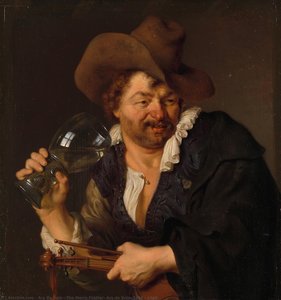
Kurzinfos
- Artistic Movement Or Style: Dutch Golden Age portraiture
- Date Of Birth: (Unknown)
- Date Of Death: Living
- Full Name: Ary De Vois
- Nationality: Dutch
- Notable Artworks: ['Refined likenesses']

