 Vorschau anzeigen
 Versenden
 Teilen
 Details anzeigen

 Herunterladen
 Ähnliche Objekte
 Röntgenaufnahme
 Diashow
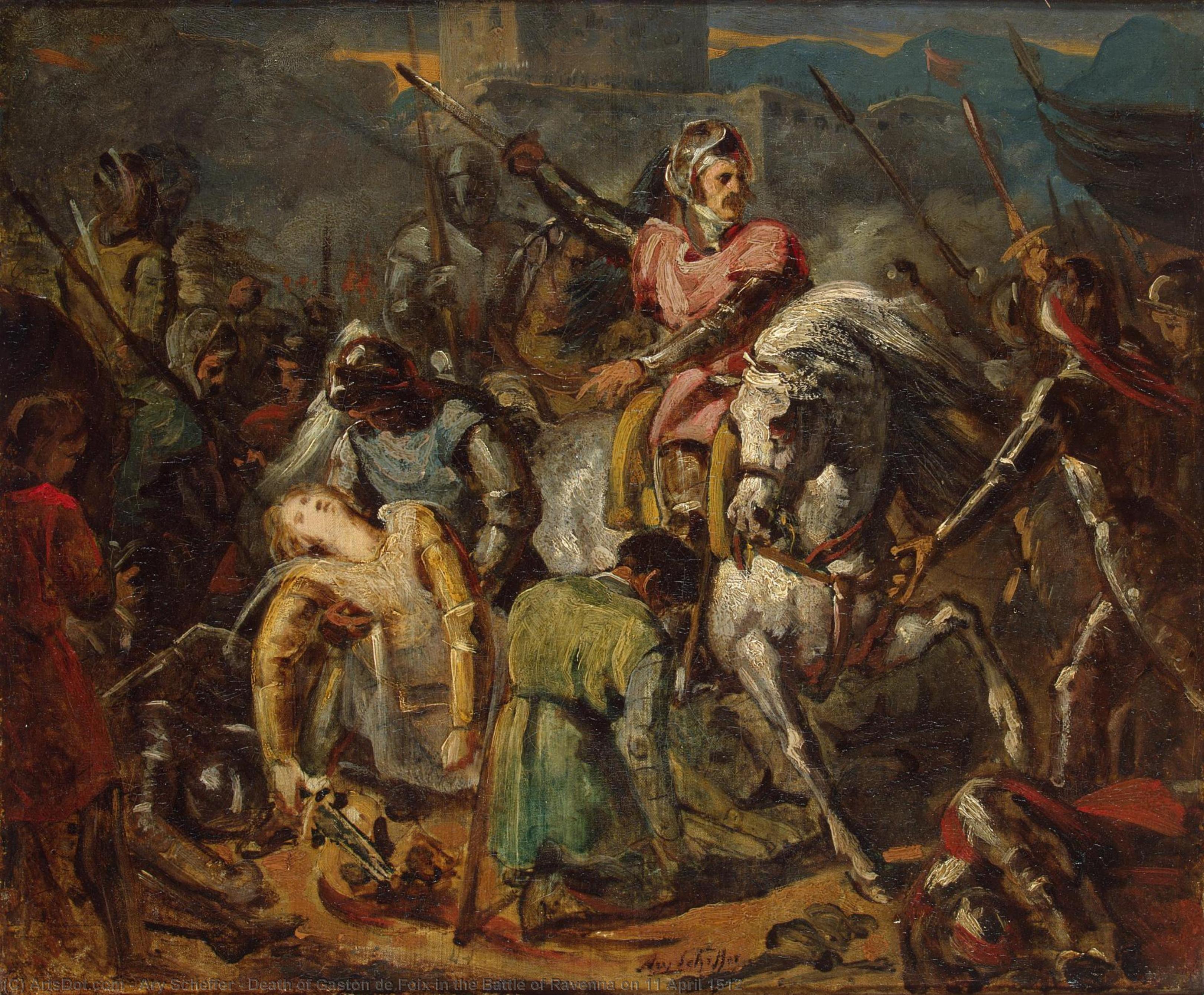
Death of Gaston de Foix in the Battle of Ravenna on 11 April 1512
 Oil On Canvas
- WallArt
- Romanticism
 1824
1824- 19th Century
 38.0 x 46.0 cm
 Eremitage Museum
 Weiterlesen
Giclée / Kunstdruck
Giclée- oder Leinwanddruck in Museumsqualität mit schneller Produktion und flexiblen Veredelungsoptionen. ( Handgemalte Reproduktion bestellen Bild kaufen)




P118B $10

P118H $10

P118W $10

P438Z $10

P508JH $12

P508YH $12

P805H $10

P805Z $10

P919BZ $10

P919G $10

P919XJ $10

P959ZH $10

P968JZ $12

W106C $8

W218G $10

W218JH $8

W218Y $10

W307PJ $10

W316G $10

W316PJ $8

W316Y $10

W398PJ $8

W4111J $10

W500HY $15

W500JH $15

W692G $12

W849H $8

W940BG $15

W953PJ $8




Wählen Sie aus unseren vordefinierten Formaten, die den ursprünglichen Proportionen des Kunstwerks entsprechen.

Sie können Ihre eigenen Maße eingeben, um ein bestimmtes Format oder einen speziellen Platz einzupassen. Wenn das von Ihnen gewählte Format nicht den Proportionen des Originalbildes entspricht, werden wir das Kunstwerk entweder beschneiden oder das Bild mit einem gespiegelten oder einfarbigen Rand erweitern. Ein digitaler Entwurf wird Ihnen zur Genehmigung zugesandt, bevor die Produktion beginnt.
Bitte beachten Sie, dass die Vorschau auf dem Bildschirm nicht den tatsächlichen Zuschnitt oder die Erweiterung widerspiegelt. Nur der Entwurf zeigt die endgültige Komposition präzise an.
Obwohl Sondermaße verfügbar sind, empfehlen wir die Auswahl eines Maßes aus der vordefinierten Liste, um die ursprünglichen Proportionen zu bewahren.
Weltweiter Versand () innerhalb von 2 Wochen statt der üblichen 4/5 Wochen. (30 August)

Kostenloser weltweiter Expressversand

Hochwertige Leinenleinwand

Umfassender Versicherungsschutz beim Versand

Zollgebühren-Rückerstattungsgarantie

Garantie für exakte Farbtreue

60 Tage Rückgaberecht (nur bei Mängeln)

100% Geld-zurück-Garantie

Mengenrabatt verfügbar
 Die Glasoption ist nur für Größen unter 110 cm verfügbar.

Death of Gaston de Foix in the Battle of Ravenna on 11 April 1512
Giclée / Kunstdruck
Format der Reproduktion
-


Gesamtpreis
$ 62
Ary Scheffer’s “Death of Gaston de Foix in the Battle of Ravenna on 11 April 1512” – A Dramatic Echo of Renaissance Tragedy
Ary Scheffer's "Death of Gaston de Foix in the Battle of Ravenna on 11 April 1512" stands as a cornerstone of Romantic painting, capturing not merely an historical event but also the profound emotional currents that defined its era. Created in 1824, this monumental canvas—measuring 38 x 46 cm and housed at The Hermitage Museum in St. Petersburg—captures the tragic demise of Gaston de Foix, Duke of Nemours, during the Battle of Ravenna on April 11th, 1512, a pivotal moment in the Italian Wars and a cornerstone of Romantic art history. Ary Scheffer’s sketch for a monumental painting embodies the spirit of his era—a fervent embrace of dramatic narrative and emotional expression—marking a decisive departure from the neoclassical preoccupation with idealized form and rational order.The Subject Matter: Gaston de Foix and the Battle of Ravenna
Ary Scheffer's depiction centers on Gaston de Foix, Duke of Nemours – a figure whose military prowess captivated the imagination of his contemporaries and whose untimely demise resonated throughout Europe. The artist meticulously portrays him astride a horse, wielding a sword with unwavering resolve, embodying the heroic spirit emblematic of the Renaissance era. Surrounding him are fellow soldiers clad in armor, reflecting the grandeur and solemnity of medieval warfare. Two swords dominate the composition—one held by Gaston de Foix himself, symbolizing courage and leadership, and another positioned centrally, representing the decisive confrontation between opposing forces. The painting’s stylistic approach aligns seamlessly with the Romantic movement's emphasis on dramatic emotion and expressive brushwork. Ary Scheffer skillfully employs loose, swirling strokes to convey the urgency of the battlefield scene—a deliberate departure from the precise realism favored by Neoclassical painters. The artist’s palette is dominated by muted browns, ochres, and reds, reflecting the grim realities of war while simultaneously capturing the grandeur of historical narrative.The Artist: Ary Scheffer
Ary Scheffer (1795-1858) stands as a pivotal figure in Romantic art—a movement characterized by fervent emotion, individualism, and an embrace of imagination over strict academic conventions. Born in Dordrecht, Netherlands, he inherited artistic talent from his parents, Johan Bernard Scheffer and Cornelia Lamme, both accomplished portraitists. This early exposure instilled in him a meticulous attention to detail and a profound understanding of visual representation—qualities that would characterize his entire oeuvre. His father’s influence was particularly notable; John Bernard Scheffer practiced the art of portraiture with unwavering precision, capturing likenesses with remarkable accuracy while simultaneously conveying subtle nuances of character. This dedication to realism would become a cornerstone of Ary Scheffer's artistic vision.The Birth of Romantic Painting: Gaston de Foix and Ary Scheffer’s Dramatic Vision
Ary Scheffer’s “Death of Gaston de Foix in the Battle of Ravenna on 11 April 1512” stands as a pivotal artwork, marking a decisive shift away from the rigid formalism of Neoclassicism toward the expressive fervor of Romanticism. Ary Scheffer's depiction captures not merely a historical event—the final confrontation between France and Spain during the War of the League of Cambrai—but also embodies the psychological complexities inherent in portraying mortality and heroism.The Scene: Ravenna, 1512 – A Moment Frozen in Time
Scheffer’s canvas portrays Gaston de Foix, Duke of Nemours, a young French military leader at the height of his ambition, facing imminent defeat during the Battle of Ravenna. The painting depicts him astride a horse, clutching a sword—a posture symbolizing courage and defiance—but with his head bowed in sorrow or resignation. Surrounding him are fellow soldiers clad in armor, creating a dramatic tableau that captures the tension and peril of warfare. Two swords dominate the composition: one held by Gaston de Foix himself, representing leadership and martial prowess, and another positioned prominently near the center, symbolizing victory and perhaps impending doom. The artist’s meticulous attention to detail—the textures of armor, the expressions on the faces of the figures—contributes to a dramatic portrayal of the event. Ary Scheffer's masterful brushstrokes convey both the physicality of battle and the psychological intensity of the moment.The Battle of Ravenna: A Pivotal Moment in Renaissance History
The painting “Death of Gaston de Foix in the Battle of Ravenna on 11 April 1512” by Ary Scheffer isn’t merely a depiction of a military event; it's a profound meditation on mortality and heroism within the turbulent backdrop of the Italian Wars. Created in 1824, this monumental canvas—measuring approximately 38 x 46 centimeters—holds its place prominently at The Hermitage Museum in St. Petersburg, Russia, cementing its status as an iconic representation of Romantic artistic expression.The Subject Matter: Gaston de Foix and the Battle of Ravenna
Ary Scheffer’s “Death of Gaston de Foix in the Battle of Ravenna on 11 April 1512” isn't merely a depiction of a military event; it’s an embodiment of Romantic drama. The painting portrays Gaston de Foix, Duke of Nemours—a young French commander who spearheaded a daring campaign against the Holy League during the Italian Wars—in his final moments. Captured in a dynamic pose atop a horse, he holds aloft a sword, symbolizing courage and leadership, while his head bows downwards, conveying defeat and sorrow. The scene unfolds amidst a backdrop of armored figures representing the opposing forces, emphasizing the drama of battle and highlighting the artist's masterful depiction of human emotion.The Battle of Ravenna: A Moment Frozen in Time
Ary Scheffer’s “Death of Gaston de Foix in the Battle of Ravenna on 11 April 1512” isn’t merely a historical painting; it’s an embodiment of the Romantic spirit—a visceral reaction to tragedy and a celebration of human emotion. Ary Scheffer, commissioned by Louis XIV for Versailles, captured not just a battlefield scene but also the profound sorrow of loss against a backdrop of political upheaval.The Battle of Ravenna: A Moment Frozen in Time
Scheffer’s “Death of Gaston de Foix in the Battle of Ravenna on 11 April 1512” isn't merely a depiction of a military event; it’s an encapsulation of Renaissance drama and aristocratic tragedy. The painting captures the final moments of Gaston de Foix, Duke of Nemours—a young commander who had ignited the Italian Wars with his audacious campaigns—as he succumbed to a fatal wound during the Battle of Ravenna on April 11th, 1512. Ary Scheffer’s sketch for this monumental composition encapsulates not merely a historical event but also embodies the spirit of Romantic art, marking a pivotal moment in European artistic history.The Scene: A Moment Frozen in Time
Ary Scheffer's "Death of Gaston de Foix in the Battle of Ravenna on 11 April 1512" depicts a dramatic confrontation between French and Spanish forces during the tumultuous Wars of Religion. The painting captures a pivotal moment—the fatal wounding of Gaston de Foix, Duke of Nemours—a young military leader who had spearheaded France’s ambitious campaign against Spain in Italy. Ary Scheffer's masterful depiction transcends mere historical record; it embodies the Romantic spirit, prioritizing emotional resonance over strict realism.The Scene: Drama and Symbolism Embodied
Scheffer captures a pivotal moment – the death of Gaston de Foix at Ravenna on April 11th, 1512 – not as a clinical recounting of battle but as a dramatic tableau brimming with emotion. The painting depicts Gaston riding his horse, sword in hand, head bowed in defeat, surrounded by fellow soldiers. This posture immediately conveys vulnerability and tragedy, reflecting the Romantic preoccupation with human suffering and mortality—a stark contrast to the idealized figures favored by Neoclassical artists. Scheffer’s masterful use of chiaroscuro – dramatic contrasts between light and dark – amplifies the emotional intensity of the scene, mirroring the turbulent spirit of the era. The composition itself is carefully balanced, guiding the viewer's eye towards Gaston de Foix, positioned centrally on horseback, conveying both nobility and vulnerability. His posture embodies courage yet also foreshadows his tragic fate—a poignant reminder of mortality amidst grandeur.The Artist’s Vision: Ary Scheffer and Romantic Expression
Ary Scheffer (1795-1858) stands as a pivotal figure in the transition from Neoclassicism to Romanticism, embodying the spirit of artistic innovation that characterized the early 19th century. Unlike his predecessors who prioritized rational idealism and formal precision—traits prevalent in the dominant aesthetic sensibilities of the time—Scheffer championed emotional expression and dramatic realism, marking a decisive break with neoclassical conventions. His canvases pulsated with palpable energy, conveying not merely visual information but profound psychological depth. This approach resonated powerfully with audiences eager for art that mirrored the complexities of human experience.The Birth of Romantic Painting: Ary Scheffer's Vision
Ary Scheffer’s “Death of Gaston de Foix in the Battle of Ravenna on 11 April 1512” stands as a pivotal moment in artistic history—the undisputed herald of French Romantic painting. Emerging from the shadow of NeÄhnliche Kunstwerke

Über den Künstler
Ary Scheffer: Ein niederländisch-französischer Romantischer Maler
- Geboren: 10. Februar 1795, Dordrecht, Niederlande
- Gestorben: 15. Juni 1858
- Herkunft: ArtsDot
Frühes Leben und Ausbildung
- Ary Scheffer wurde in eine künstlerische Familie geboren; sein Vater, Johan Bernard Scheffer, war Porträtmaler, und seine Mutter, Cornelia Lamme, malte Miniaturporträts.
- Er begann seine formale Kunstausbildung im Alter von 11 Jahren an der Amsterdamer Zeichenakademie.
- Nach dem Tod seines Vaters 1809 zog er mit seiner Mutter nach Paris.
- In Paris studierte er an der École des Beaux-Arts unter Pierre-Narcisse Guérin, einem bedeutenden Einfluss auf seine künstlerische Entwicklung. Diese Zeit fiel mit dem Aufstieg des Romantismus in Frankreich zusammen.
- Einflüsse waren Xavier Sigalon, Eugène Delacroix und Théodore Géricault, obwohl Scheffer einen unverwechselbaren Stil entwickelte, der oft als "frigide klassisch" beschrieben wird.
Künstlerisches Schaffen und Werke von Bedeutung
- Scheffers Karriere umfasste mehrere Jahrzehnte und er schuf zahlreiche Gemälde, die durch seine einzigartige Mischung aus Romantik und Klassizismus gekennzeichnet sind.
- Werke von Bedeutung:
- Francesca da Rimini (verschiedene Versionen) - Ein wiederkehrendes Thema, das die tragische Liebesgeschichte aus Dantes Inferno erforscht.
- Mignon – Gemälde, die Charaktere aus Goethes Wilhelm Meister darstellen, insbesondere mit Fokus auf Mignons Sehnsucht nach ihrer Heimat und dem Himmel.
- Christus Consolator - Demonstriert Scheffers Auseinandersetzung mit religiösen Themen mit einem Hauch von Mystik.
- Die Hirten, die vom Stern geleitet werden (1837) – Eine Darstellung der Weihnachtsgeschichte.
- Seine Gemälde ließen sich häufig aus literarischen Quellen inspirieren, darunter Werke von Dante, Byron und Goethe, was seine Fähigkeit demonstrierte, emotionale Intensität in visuelle Form zu übersetzen.
- Scheffer war ein beliebter Porträtist in Frankreich und malte Mitglieder des Königshauses und andere prominente Persönlichkeiten.
Themen und Stil
- Wiederkehrende Themen: Literatur (Dante, Byron, Goethe), Mythologie, religiöse Themen, Porträts.
- Stil: Scheffers Stil wird oft als eine Mischung aus Romantik und Klassizismus beschrieben. Obwohl er vom emotionalen Nachdruck der Romantik beeinflusst war, behielten seine Werke eine gewisse Formalität und klassische Struktur. Seine Gemälde sind bekannt für ihre detaillierte Komposition, verfeinerte Technik und den stimmungsvollen Einsatz von Licht und Schatten.
- Besondere Merkmale: Eine Tendenz zu sentimentalen und melodramatischen Darstellungen literarischer und religiöser Themen; sorgfältige Aufmerksamkeit für Details in Kostümen und Kulissen; eine Vorliebe für gedämpfte Farbpaletten.
Vermächtnis und Einfluss
- Ary Scheffers einzigartiger Stil beeinflusste nachfolgende Generationen von Künstlern, obwohl seine Popularität im 20. Jahrhundert etwas abnahm.
- Seine Werke befinden sich in Museen auf der ganzen Welt, darunter das Dordrecht Museum und das Museum of Fine Arts, Boston.
- Das Musée de la Vie Romantique in Paris beherbergt eine Sammlung, die Scheffer und George Sand gewidmet ist, was seine Bedeutung innerhalb der Epoche der Romantik widerspiegelt.
- ArtsDot bietet handbemalte Ölmalereien von Scheffers Meisterwerken an, wodurch seine Kunst einem breiteren Publikum zugänglich gemacht wird.
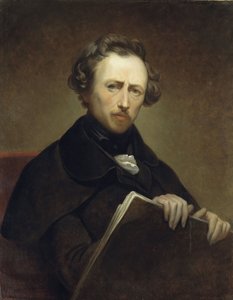
Ary Scheffer
1795 - 1858 , Niederlande
Kurzinfos
- Bemerkenswerte Werke:
- Francesca da Rimini
- Mignon
- Christus Consolator
- Die Hirten am Stern
- Einflüsse:
- Xavier Sigalon
- Eugène Delacroix
- Théodore Géricault
- Geburtsdatum: 10. Februar 1795
- Geburtsort: Dordrecht, Niederlande
- Künstlerische Richtung: Romantische Malerei
- Nationalität: Niederländisch-Französisch
- Todatum: 15. Juni 1858
- Vollständiger Name: Ary Scheffer
Ähnliche Artikel

Goya: Die 25 Meisterwerke des spanischen Genies – Kunst für Ihr Zuhause | ArtsDot
Entdecken Sie die 25 Meisterwerke von Francisco Goya! Tauchen Sie ein in die düstere Romantik spanischer Malerei, Porträts & Historienbilder. Hochwertige Kunstdrucke auf ArtsDot.com – für Kunstliebhaber und stilvolles Wohnen.

Über uns
Entdecken Sie unsere Geschichte! Wir bringen Weltklasse-Kunst in Ihr Leben durch fachkundige Auswahl, individuelle Kreationen und kostenlose Vorschauen. Seit dem Jahr 2000 von Privatpersonen und Unternehmen geschätzt.
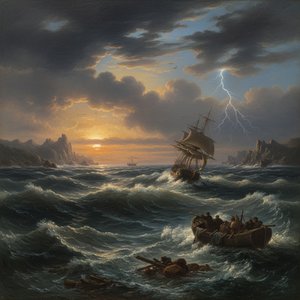
Philip James de Loutherbourg: Romantic Visions of Maritime Life & the Sublime
Explore the dramatic naval scenes & landscapes of Philip James de Loutherbourg (1740-1812), a key figure in Romantic painting. Discover his legacy, theatrical innovations & iconic works like 'The Battle of the Nile' at ArtsDot.
Romantic Realism's Finest: 10 Masterpieces for Your Home | ArtsDot
Explore 10 defining masterpieces of Romantic Realism! Discover Courbet, Millet & Daumier's powerful paintings—capturing emotion and social realities. Find museum-quality reproductions for your home at ArtsDot.com.

Águeda Ruiz de la Prada: Eklektizismus und emotionale Resonanz in der zeitgenössischen spanischen Malerei
Entdecken Sie die faszinierende Welt von Águeda Ruiz de la Prada! Unsere Expertenanalyse beleuchtet Eklektizismus, emotionale Tiefe und Investitionspotenzial dieser zeitgenössischen spanischen Malerin. Für anspruchsvolle Kunstsammler.